Thrilled to share my latest article published @CJB_Journal 🥳🥳 this study showed that maternal sensitive caregiving practices significantly predicted their children’s attachment behaviors only for mothers with limited psychosocial resources.
The Moderating Role of Incarcerated Mothers’ Psychosocial Functioning on the Association Between Maternal Sensitivity and Their Co-Residing Toddlers’ Attachment
https://t.co/QbplFkUot0
Research conducted in Turkey by Zülal İşcanoğlu and others emphasizes the need for targeted interventions to address the unique challenges of incarcerated mothers co-residing with their toddlers. @IscanogluZulal
https://t.co/HopXElmPRL
Every child deserves the opportunity to learn in a safe environment yet #Tennessee officials are trying to take that right away from immigrant children. Regardless of background every child should have the right to a quality public education! #EducationForAll
We hosted an excellent panel on pursuing non-academic jobs for PHDs in psychology at NYU last week. We invited 4 alumni from our program who have left academia after completing their PHD (two left tenure-track academic jobs) and have since found exciting jobs in industry.
Our panelists @heidigrantphd Oana Dumitru @tjvalshtein and Annie Hill had excellent advice for people looking for non-academic jobs. They are now have jobs consulting, writing popular science books, developing policy in government, and working in tech.
We had @TessaWestNYU host the panel since she just wrote a book on the topic called "JOB THERAPY: Finding work that works for you".
Here were some of the highlights from the panel:
1) NETWORK, A LOT: Many of them found non-academic jobs through their social networks. This is different from academia where almost all Assistant Professor jobs are obtained by cold-applications to job postings.
2) BUILD YOUR COMMUNICATION SKILLS: Take a science writing workshop and learn how to communicate with people outside academia. This came up over and over again in different ways.
3) MANAGE YOUR EXPECTATIONS: Non-academic jobs are hard to find (sometimes taking months and months of applications) and they don't always come with high salaries (one panelist said "Don't expect to make $200,000 right away").
4) YOU HAVE A LOT TO OFFER: A PhD provides a ton of training in everything from how to think to how to analyze data that are extremely useful outside academia and can be applied in many fields.
5) PUT YOURSELF OUT THERE: Start sharing your ideas. Consult. Write op-eds. Do an internship. Almost all of the panelists started at the bottom and this led to opportunities and eventually to their current positions.
The panel was organized by our very own PhD student @Xiao_Ma_or_MX We organized a panel on academic jobs in the fall and we decided to host one on non-academic jobs. Both were packed events and hopefully the next social program coordinator will keep the tradition going after I'm gone.
I highly recommend that other graduate programs consider doing something similar. Demystifying the job market by people who've done it--while creating an opportunity for networking--really helps normalize the entire process.
I should also note that we also created an industry internship program in our social psychology PhD program a few years ago for students in their final couple of years to try out industry (ie we allow students to do a summer industry internship after they've proposed their dissertation). Only about half our graduates go into academia and creating a pipeline for other students to get industry experience has been very popular with our students.
"This is precisely the time
When artists go to work
There is no time for despair
No place for self-pity,
No need for silence
No room for fear.
We speak.
We write.
We do language.
This is how civilizations heal."
—Toni Morrison
🏛️🔧 How is Arnold Ventures working to make prisons less awful? Inside Philanthropy explores their ambitious reform initiatives.
📖 Read more: https://t.co/npj9PmJeiO
#PrisonReform#CriminalJustice#InsidePhilanthropy
Across the US, 113 million adults have an immediate family member who has ever been to prison or jail.
Mass incarceration has far-reaching consequences that don't stop at the prison gates.
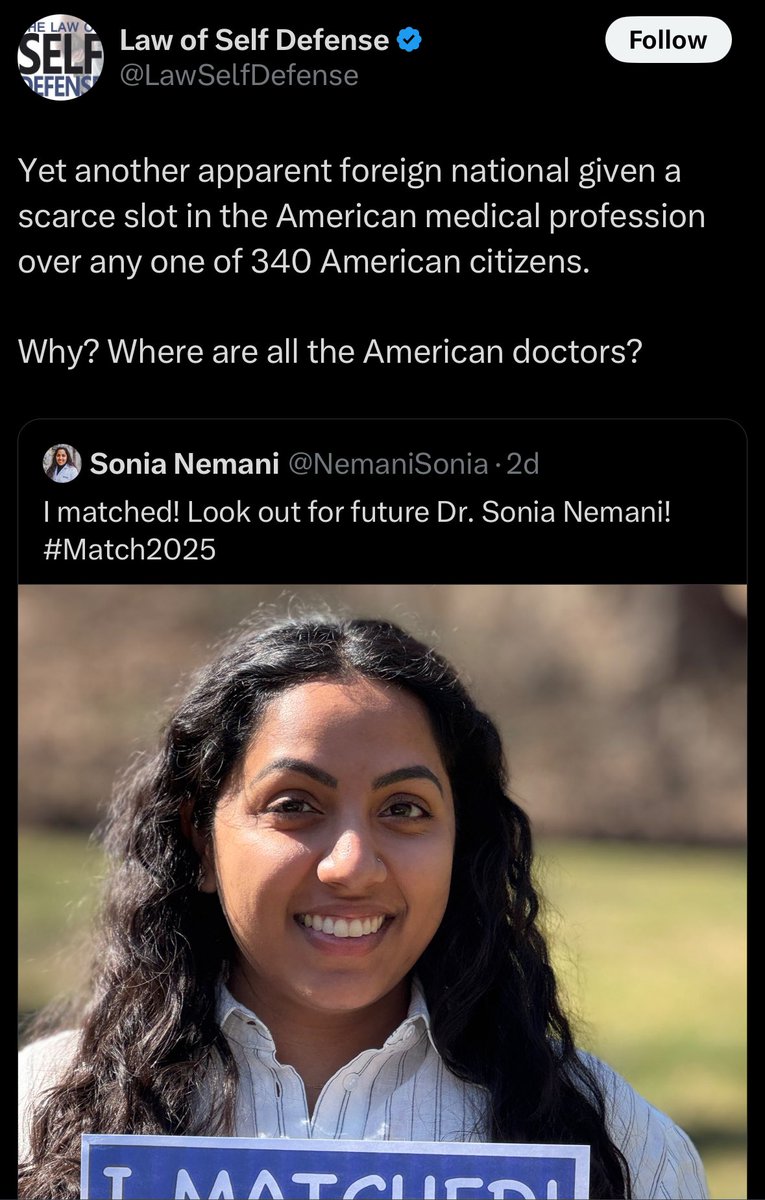
Sir respectfully, I’m a born and raised American citizen.
Everyday I have and will continue to dedicate my life to the health and well being of our people and communities.
The leading opposition candidate against Erdoğan had his 35-year-old diploma revoked by an unauthorized body on dubious grounds—disqualifying him from the race. But that wasn’t enough. He’s now behind bars.
“Jailing children, including babies, is unconscionable. The traumatizing experience of imprisonment could negatively impact a child’s life-long ability to thrive emotionally and psychologically." @letkidsthrive https://t.co/4aWgTuJFI4
We’re recruiting TWO full-time benefited research assistants for a new study on prenatal sleep.
One bilingual English/Spanish RA: https://t.co/BNkjy6WtX9
And an RA with experience working with infants/children: https://t.co/p2t5vjNBIW
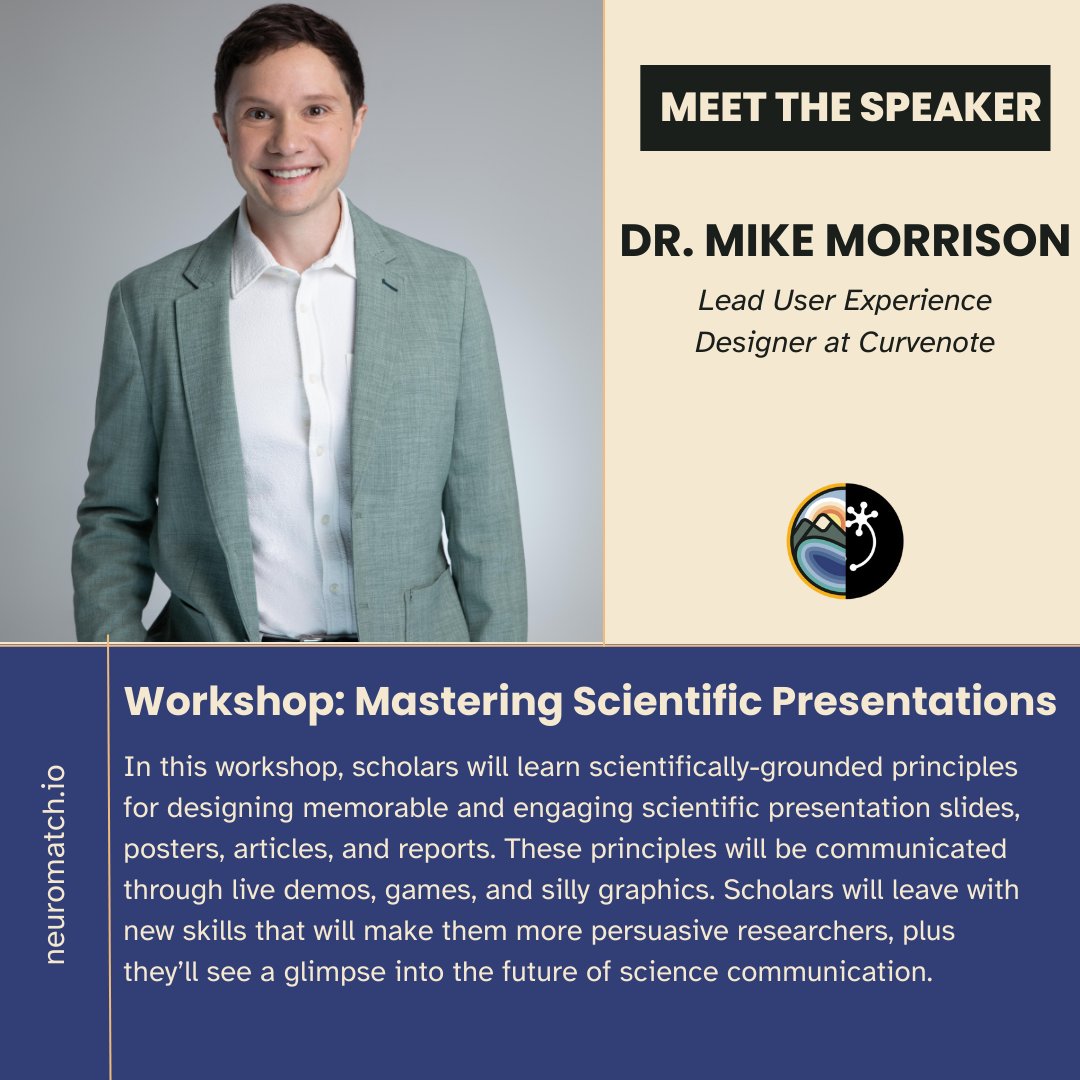
Impact Scholars is thrilled to announce that its upcoming workshop, Mastering #Scientific#Presentations is now open for registration!
18th February 2025
Session 1: 2:00-3:00 AM UTC Register: https://t.co/mddzLS3hkY
Session 2: 2:00-3:00 PM UTC Register: https://t.co/cFYzD1JHFf
🚨 Black youth in foster care face alarming stats:
65% incarcerated.
75% homeless.
📢 We must act!
✅ Support these orgs
✅ Advocate for reform
✅ Spread awareness
#EndTheCycle#FosterCareReform
Free download: This e-book was developed to help young children and their families begin to talk about feelings and worries they may have after they have experienced a large-scale fire, like a wildfire: https://t.co/ZoDFyD5jVg