Geç yatmayı seven kişilerin biyolojik saati 24 saatten daha uzundur. Bu yüzden sabah beyinleri hâlâ "uyku zamanı" sinyali verirken uyanırlar.
Sabahçılarda ise biyolojik saat daha kısadır; uyandıklarında uyku baskısı azalmış, uyanıklık ve zihinsel performans artmaya başlamıştır.
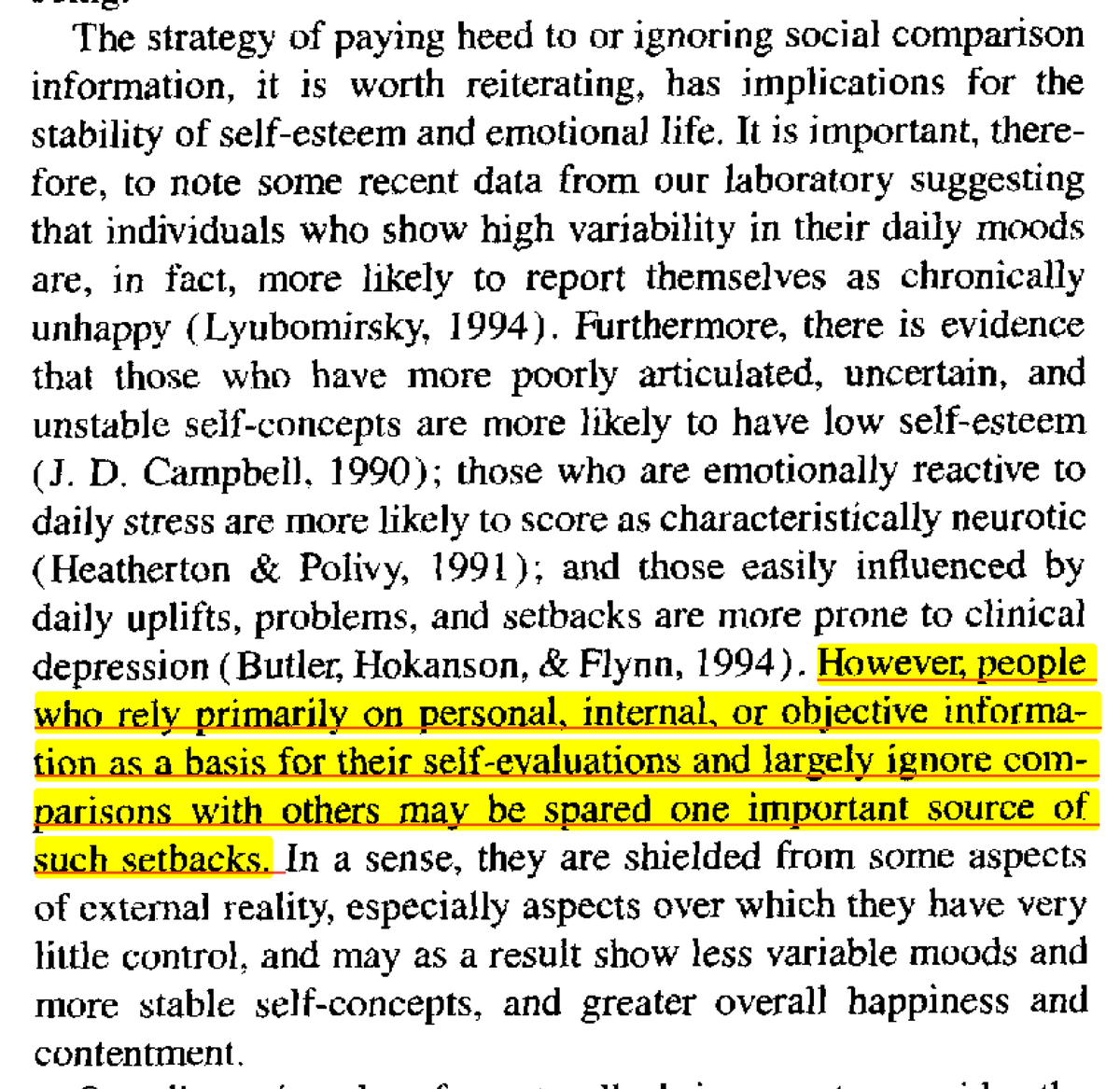
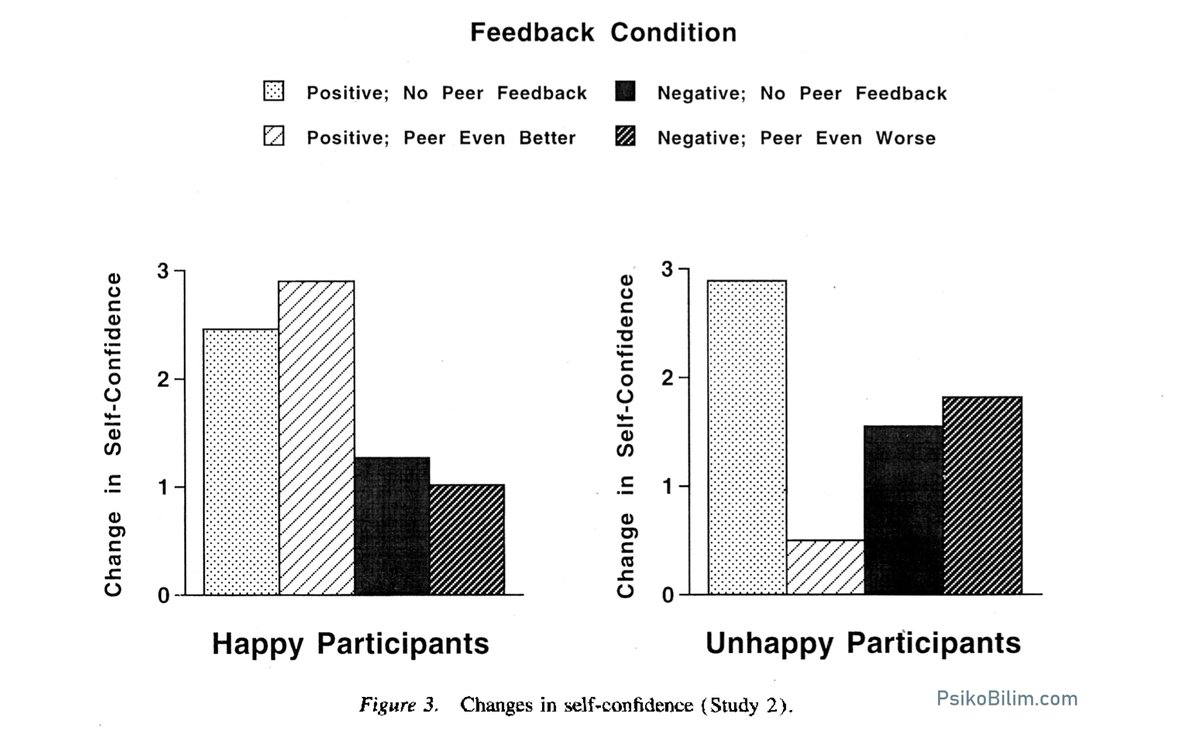
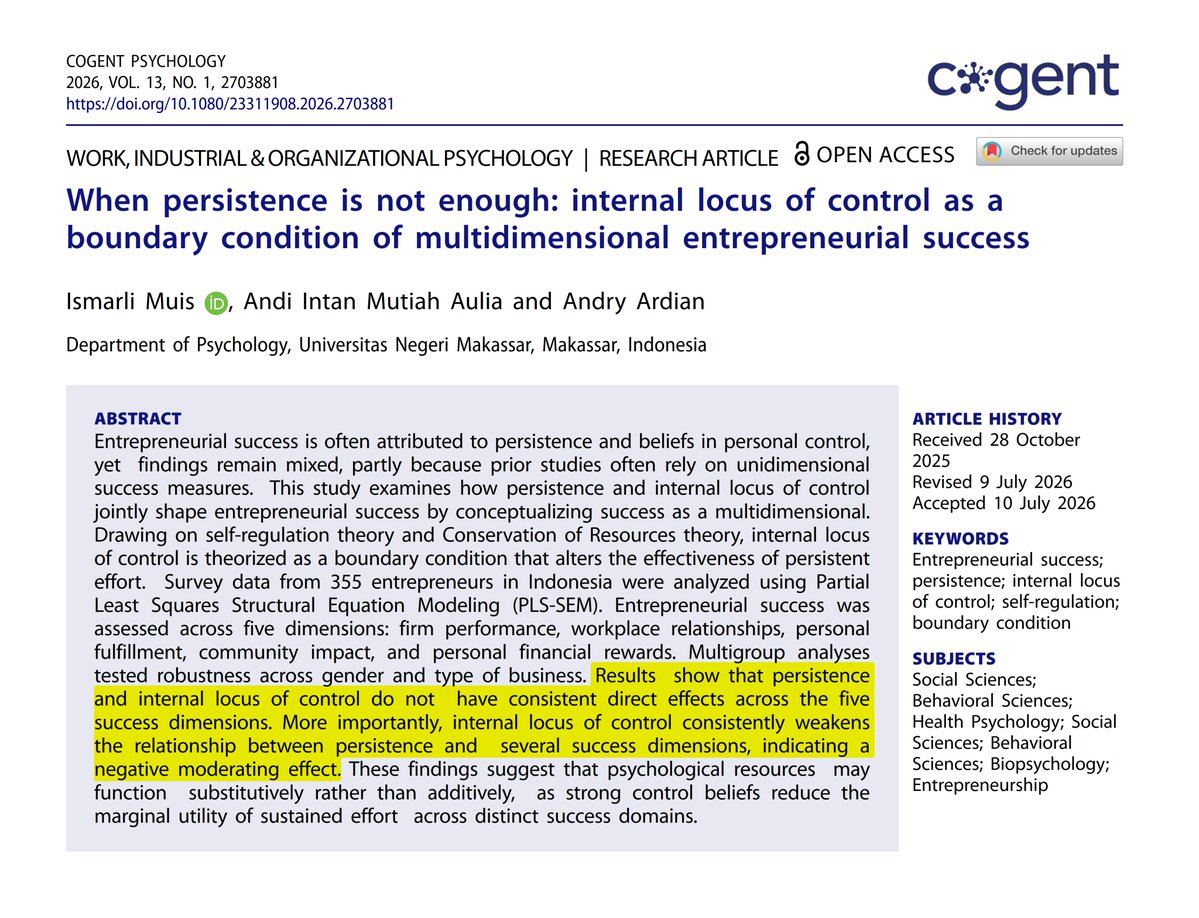
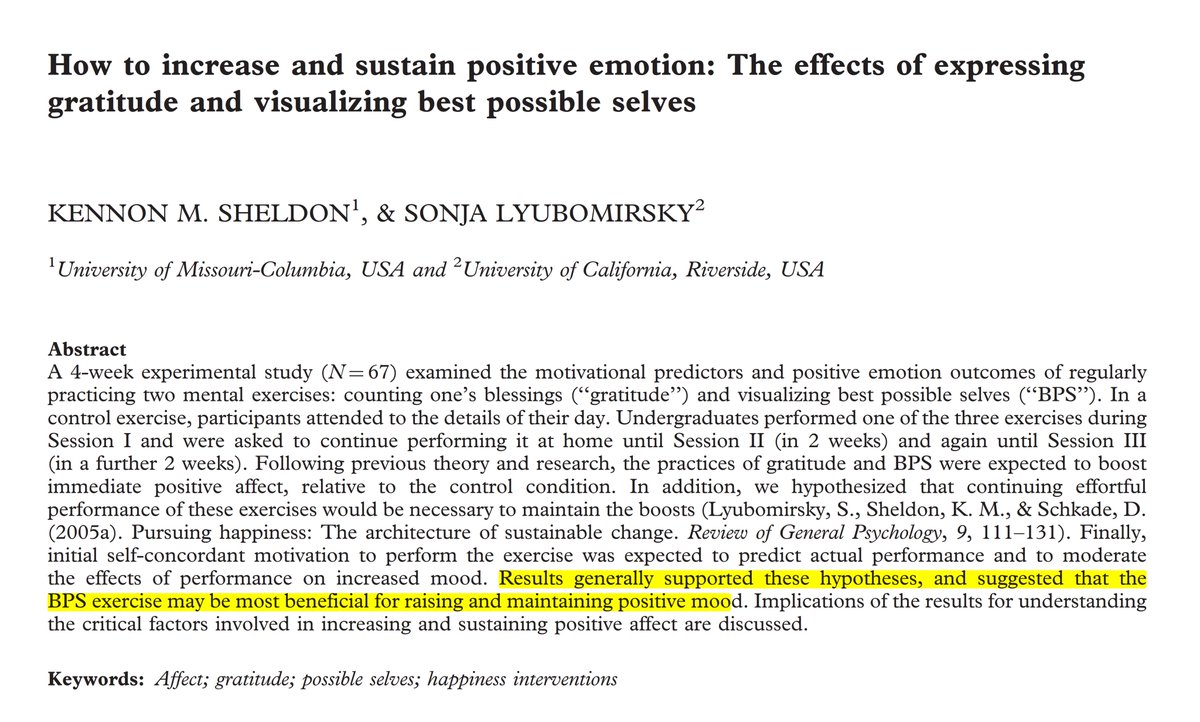
Mutlu insanlar dış dünyayı inkar etmez; sadece kendilerini değerlendirirken ona bağımlı kalmazlar.
Bu yüzden sosyal karşılaştırmaların yarattığı psikolojik maliyetten büyük ölçüde korunabilirler.
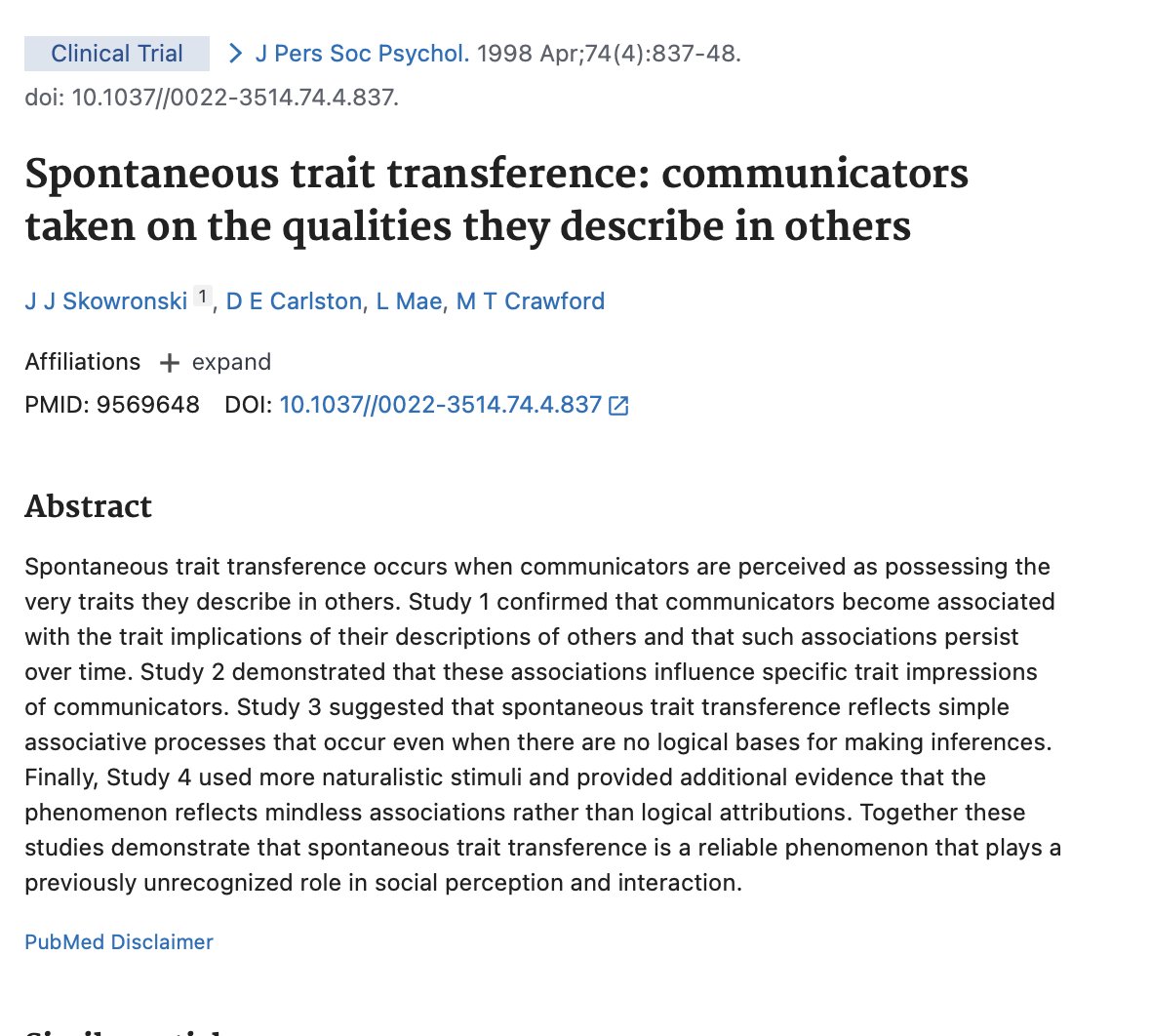
hatırlatma: insanlar sizi başkaları hakkında ne söylediğinizle hatırlıyor.
> diyelim biri hakkında başkasına konuşuyorsun. "o çok tembel insan" dediğin an insanlar sana "tembel" özelliğini yüklüyor.
> birine çok "düzensiz" dedin, artık insanlar seni "düzensiz" görüyor.
diyeceğim şu ki:
insanlar hakkında pek konuşmamaya çalış, dedikodu yapmamaya çalış.
kendin ol, kendi hayatını yaşa.
Bir insanın kendine olan saygısı o kadar önemlidir ki, insanlar onu artıracak bir deneyimi; en sevdikleri yemekten, cinsel aktiviteden, paradan ve en yakın arkadaşlarını görmekten bile daha değerli bulabiliyor.
Men have a biological clock too; it's just more subtle.
Each year of the father's age adds roughly 2 new mutations to his kids, total paternal mutations double every 16.5 years, and paternal age is the single largest source of the variance of mutations in children.
Fellas, you can make kids later than the ladies, but they're more likely to be autistic or schizophrenic the longer you wait.
→ Kong et al. 2012, Nature: https://t.co/j0TnWzBJOh
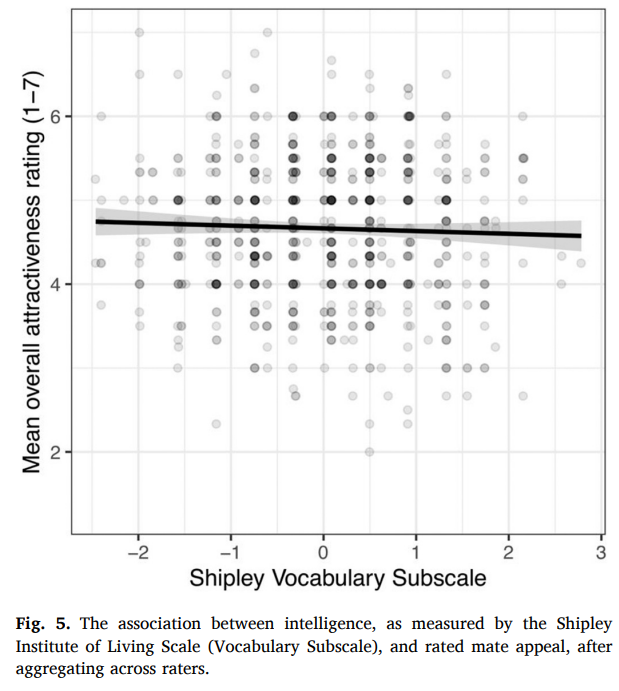
Is intelligence found attractive in initial interactions?
Driebe et al. (2021) conducted two studies: one in which 88 men were filmed performing tasks and rated by 179 women, and the other in which 763 people went on 763 real 3-minute speed dates.
Across both studies, measured intelligence did not increase sexual mate appeal, despite raters detecting measured intelligence with above-chance accuracy (r = .1- .3). Perceived intelligence, by contrast, predicted higher appeal in both studies, as did perceived funniness (both b ≈ .3).
Measured intelligence showed no meaningful relationship with how funny someone was perceived to be, in either study. Men’s physical attractiveness was the main predictor of sexual mate appeal.
Results suggest that intelligence is not important for initial attraction and thus not a sexually attractive indicator of genetic quality, but rather preferred during later stages of long-term relationship formation, probably due to its accompanying direct benefits.
Cuanto más tiempo de contacto físico tiene una persona con su pareja (abrazos, besos, cogerse de la mano, tener relaciones sexuales, etc.), más disminuye el nivel de cortisol en sangre, lo cual protege del estrés, incluido el laboral.
“something that’s seriously underappreciated: the power that women have to dictate to each other what is and isn’t allowed—what you can wear, think, say, believe, endorse, support. People underestimate just how much power that has among women.” https://t.co/7Hqk375Mmk
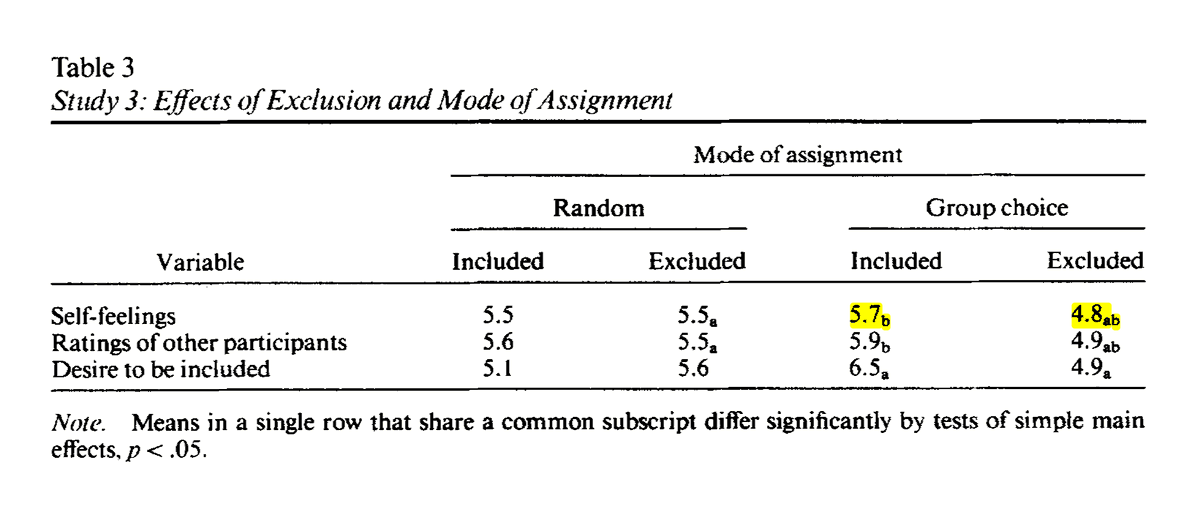
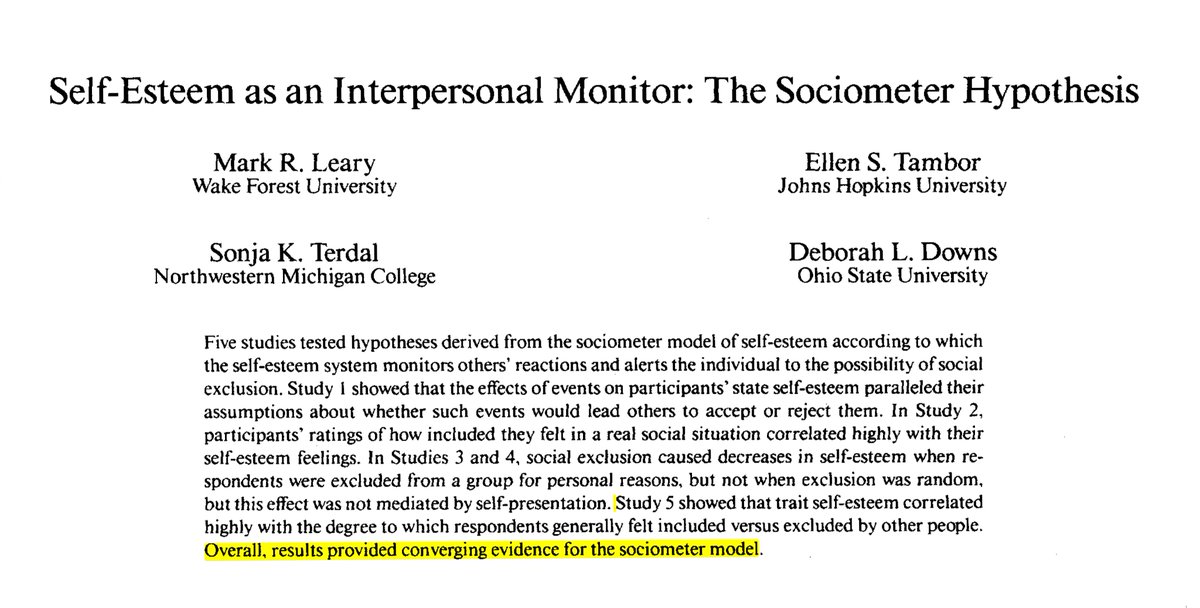
Kendimize duyduğumuz saygı, başarılarımızdan çok başkaları tarafından kabul edilip edilmediğimize duyarlıdır.
Bu da özsaygının temel olarak beynimizin "Grubun dışında kalıyor olabilirsin" alarmı olduğu gösterir.
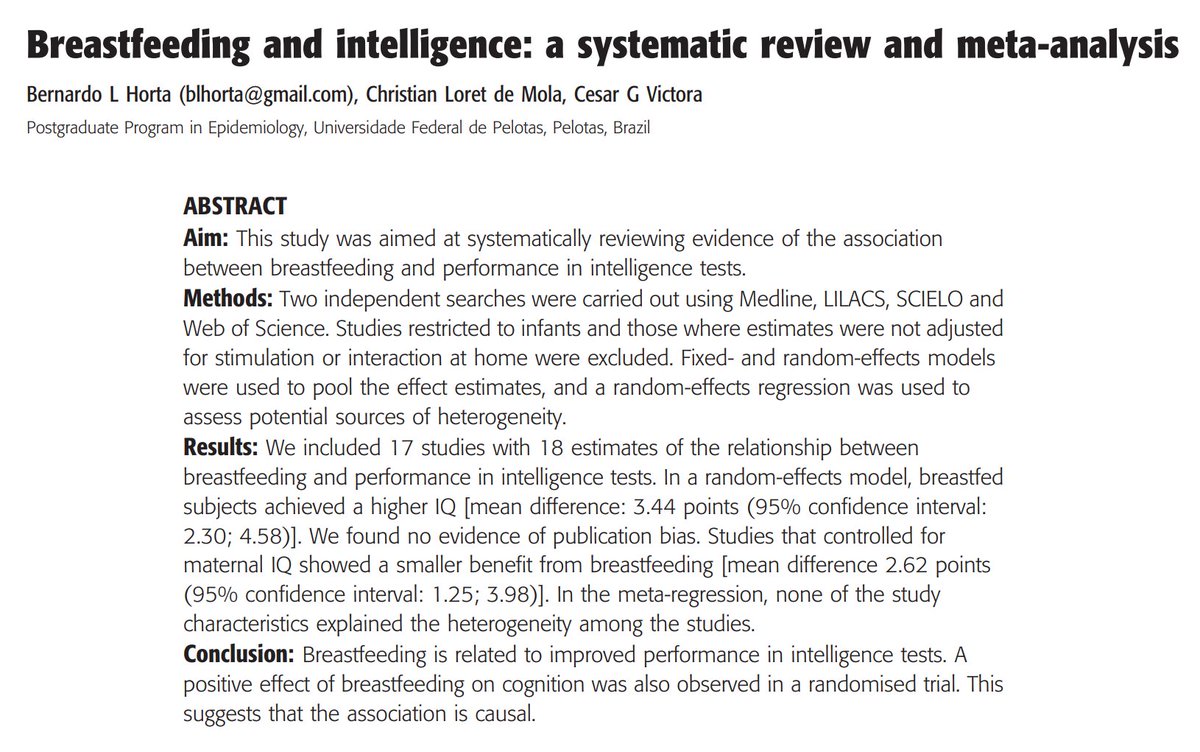
Los niños que recibieron lactancia materna tienden a tener mayor cociente intelectual que los que no la recibieron.
Puede deberse a la influencia de la nutrición en el desarrollo cerebral, pero también a que las mujeres más inteligentes sean más propensas a dar lactancia materna, y sus hijos habrían heredado sus genes. Además, los padres más inteligentes (que también transmiten sus genes) pueden también ser más propensos a favorecer esa decisión.
Probablemente la causalidad sea multidireccional. No obstante, no sólo existen estudios observacionales; existe también algún ensayo controlado aleatorizado (como el PROBIT) que muestra que aumentar la lactancia materna prolongada y exclusiva produce puntuaciones algo más altas en tests de inteligencia y mejor rendimiento escolar. Aun así, esto no anula por completo el factor de confusión: los progenitores más inteligentes siguen siendo más propensos a optar por la lactancia materna, y a su vez transmiten sus genes de inteligencia. El ensayo reduce el sesgo, pero sigue siendo muy plausible que buena parte del efecto se deba a factores genéticos.
I can help my subcontinental friends by sharing this.
Non-Jewish white people do not like to negotiate.
Some of us will even freak out if you do it.
At a maximum you will get 2 prices out of non-Jewish whites.
If you do the phone calls, the deal changes, etc we will freak out or just walk on the deal.
We are just not built for that stuff.
It’s just not in the culture.
We do not have markets (as in bazaars) where we negotiate and we are generally bad with words, so we cannot handle complicated contractual negotiation.
You will occasionally encounter an exception to this but it is rare.
Best to assume that this is the case for all that you work with.
As childhood intelligence increased, the number of children people had by 29 dropped, especially among women. Women with childhood IQs below 75 averaged 1.50 children, while women above 125 averaged just 0.43. The decline appeared in men too, but nowhere near as drastically. What makes this more interesting is that the most intelligent girls actually showed signs of maturing slightly earlier, so the difference was not that their bodies were developing too late. They were simply far more likely to delay marriage, childbirth, or both, usually while spending more years in education and building a life that required children to arrive later. So the women with the greatest ability to anticipate the future were also the least likely to reproduce early enough to produce larger families.
In a sense Wall Street is way more meritocratic than SF and the tech world. Sure nepotism can get you a foot in the door, but it can’t manufacture your whole success.
During my banking stint, some of my colleagues were sons of prime ministers, billionaires and CEOs of huge companies, and were still grinding 80h weeks, fixing comments at 2am and waiting years for every promotion like everyone else. No way to cut the ladder.
In tech there is this false sense that because technically anyone can start a company, it’s the purest form of meritocracy. But look at who actually raises the huge rounds, gets introduced to the best investors, hires the strongest teams and becomes one of the companies everyone hears about, and the whole thing looks a lot less organic. Same game in Paris, SF and London.
There is also often this funny reflexive loop of manufactured success:
Rich family / elite school → raise first $1m from “family & friends” → warm introduction to famous VC → $20m round → elite hires → media hype → customer confidence → higher valuation → even more prestigious investors
Then the outcome partly manufactured by access gets retroactively presented as proof of exceptional ability. Raise because of your network, use the money to manufacture momentum, then point to the momentum as proof that the network correctly identified your genius.
Even the supposedly meritocratic advice to “move to SF, live cheaply and build for two years” is mostly rich-kid advice dressed up as courage. It assumes you can earn nothing for two years, pay SF rent, have no dependants, visa sorted and parents ready to catch you if it all fails. A lot of celebrated founder risk is just invisible downside protection.
And that advantage compounds across attempts. A wealthy 24yo can take six startup swings, learn from each one, build the network and describe the seventh as evidence of courage. Someone supporting a family needs the first attempt to generate cash before Christmas. One gets seven shots at meritocracy, the other gets one.
Sadly, greed might be more meritocratic than taste. Wall Street ultimately cares whether you can execute, bring in clients and make money, because if you’re useless the people above you are literally paying for it. In tech, the same small group can fund you, praise you, introduce you to the next investor and mark up your valuation for years, then call all of that independent market validation.
The notion that intense love necessarily fades in a marriage is wrong. Researchers scanned people who had been married an average of 21 years and who said they were still intensely in love; their brains lit up in the dopamine reward areas that fire in brand-new love, plus attachment regions that don't.
Study:
https://t.co/I7tJAL4KCg
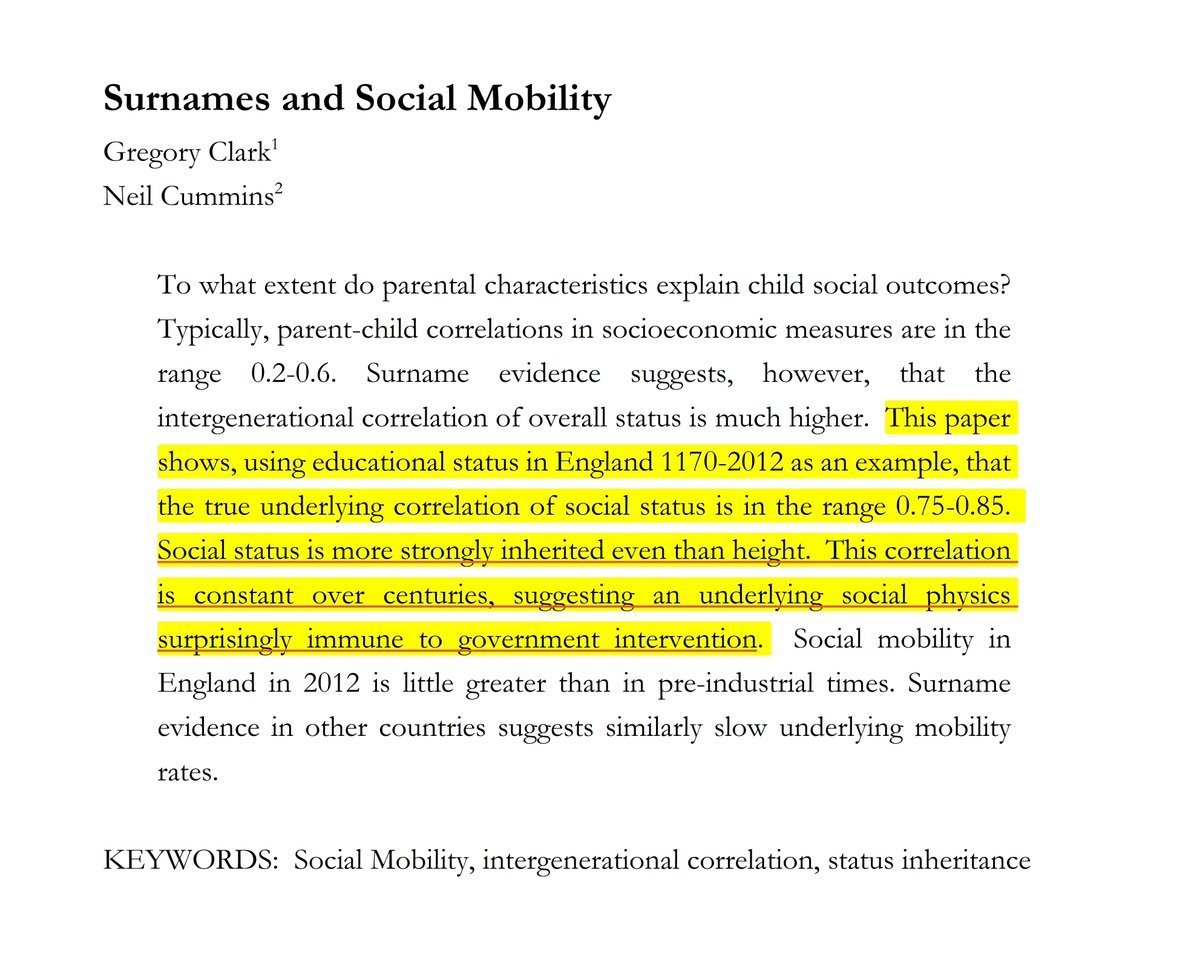
"Sosyal statü, boy uzunluğundan bile daha güçlü bir şekilde kalıtımsaldır. Bu ilişki yüzyıllar boyunca sabittir ve hükümet müdahalelerine karşı şaşırtıcı derecede dirençli, derin bir toplumsal fizik yasasına işaret etmektedir."