Offense at scale starts with an API. Today, we’re launching the XBOW Public API in Public Preview.
Autonomous pentesting gave teams expert-level assessments in hours. But turning that capability into infrastructure required one more piece: programmatic access.
Teams can now trigger and manage pentests across their entire portfolio; start, pause, resume, and monitor assessments at machine speed. Findings, assets, reports, and webhooks are all accessible through a production-ready API built to integrate directly into existing workflows.
The result: run one pentest or one hundred with the same depth, autonomy, and exploit validation. No scheduling. No bottlenecks. No choosing which applications get coverage.
Public Preview is live as of February 1, 2026.
More here: https://t.co/OHMP8NO0kW
@amangupta0303 WTF? My name, mobile number and even address was leaked on dark web through boats website breach. This makes me question how @RockWithboAt handles customers data and security!!
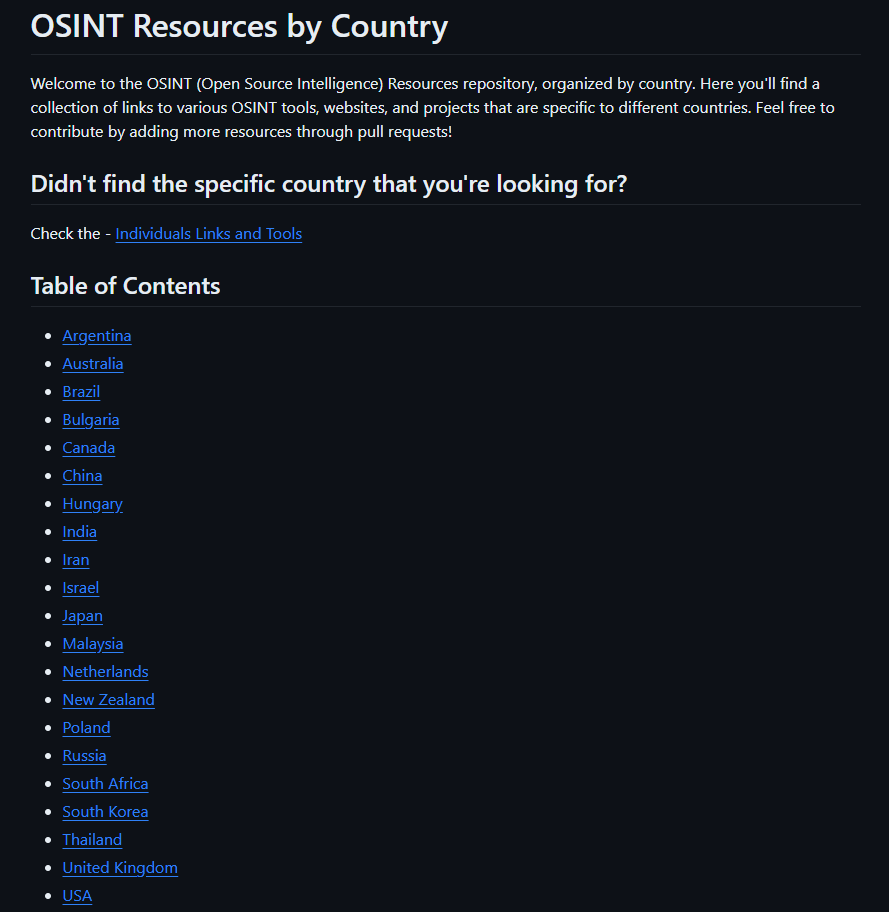
OSINT Resources by Country
Here you'll find a collection of links to various OSINT tools, websites, and projects that are specific to different countries.
https://t.co/Gc8ngXyAco
#cybersecurity#OSINT
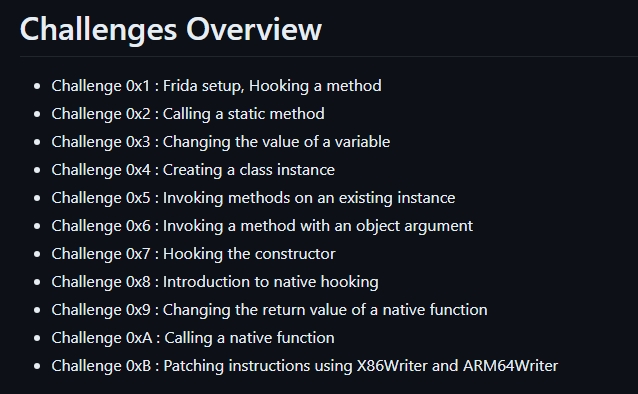
I just wrote a new blog on IOS pentesting after a while.
I got this idea when I was stuck for an entire day while setting things up for this assessment. I noticed a lot has changed in this landscape.
https://t.co/mAl7V9NujR
#CyberSecurity#Pentesting#IOSpentesting
GAP by @xnl_h4ck3r, is a must-have Burp extension.
It parses paths/URLs from JS and pinpoints key params via the sus_params project from @G0LDEN_infosec and myself.
Plus, it generates targeted custom wordlists!
👨💻 https://t.co/QicFFPZy8d
🎥 https://t.co/YrKgtlho4T
GREAT NEWS FOR Cloud Computing Professionals and Career Seekers!
107-Hour AWS Cloud Project Bootcamp!
It's all For FREE 😱!
This is Great and an excellent resource for anyone looking to dive into the world of cloud computing.
The AWS Cloud Project Bootcamp is a free comprehensive training to equip you with the skills and knowledge to successfully design, build, and implement a cloud project.
The Course Cover the Following:
- Introduction to Billing and Architecture
- Fundamentals of App Containerization
- Techniques in Distributed Tracing
- Implementing Decentralized Authentication
- Exploring Postgres and RDS
- DynamoDB and Serverless Caching Concepts
- Strategies for Deploying Containers
- Solving CORS with Load Balancers and Custom Domains
- Serverless Image Processing Techniques
- CI/CD with CodePipeline, CodeBuild, and CodeDeploy
- In-depth Learning on CloudFormation
- Modern API Development
Course Link:
Link 1:
https://t.co/wtfEGmrFSB
Link 2:
https://t.co/Y2sXSm3Am8.
Remember to Follow @ZabihullahAtal for valuable Resources, Tech Knowledge, Tech Updates, and Career Growth.
DM me for Pro Advice and Solutions.
All the best!
Designing secure web API access is crucial for protecting both user data and application integrity
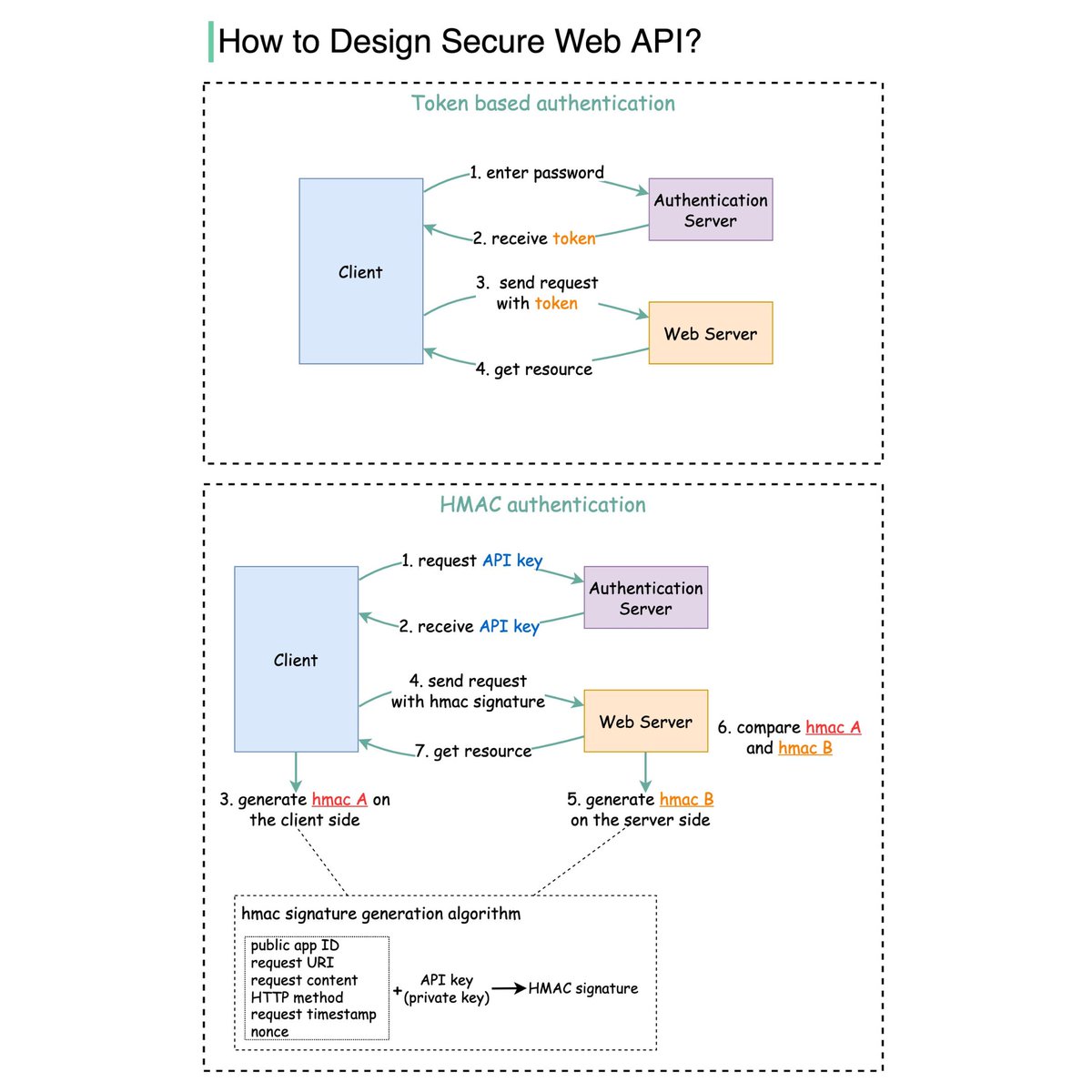
We outline two widely used authentication methods: Token-based Authentication and HMAC Authentication.
Token-based Authentication
1. The user submits their credentials through the client application.
2. Upon verifying the credentials, the Authentication Server issues a token. This token is a string of characters representing the user's session, usually with an expiration time.
3. The client appends this token to the HTTP header of subsequent requests to the Web Server.
4. The Web Server validates the token and grants access to the requested resources.
HMAC Authentication
1. The client requests an API key from the Authentication Server.
2. The Authentication Server provides an API key (private key) and a Public APP ID (public key).
3. The client creates an HMAC signature (hmac A) using attributes such as the Public APP ID, request URI, HTTP method, request content, timestamp, and a nonce.
4. The client sends a request with hmac A in the HTTP header to the Web Server.
5. Upon receiving the request, the Web Server generates its own HMAC signature (hmac B) using the same attributes and the stored API key.
6. The Web Server compares hmac A and hmac B. If they match, it means the request is authentic.
7. The server then provides the requested resource to the client.
In both methods, sensitive information like passwords and API keys should be transmitted securely, often over HTTPS. Token-based authentication is generally simpler to implement and is stateless, while HMAC provides additional security by ensuring that the message has not been tampered with in transit.
When securing APIs, do you implement your own auth or use third-party solutions?
–
Subscribe to our weekly newsletter to get a Free System Design PDF (158 pages): https://t.co/kNfv0DVDdf
API architectural styles are one of key factors behind seamless applications.
Tomorrow thousands of subscribers will learn about the most prominent API architectural styles.
Join us to get the issue: https://t.co/pVm7JLY5Rf