"Confronted with extreme, widespread cruelty like the torture ring, many look away. Punch’s story elicits a manageable empathy—one viewers can 'micro-dose' in short bursts." - @wiciafang & @ivytgilbert https://t.co/HXl5Xadzav
@wiciafang and I wrote about why Punch the monkey so powerfully captured public attention and moral concern, while so many other suffering monkeys don’t
📣 Open Research Group – @CorpusSocialSci
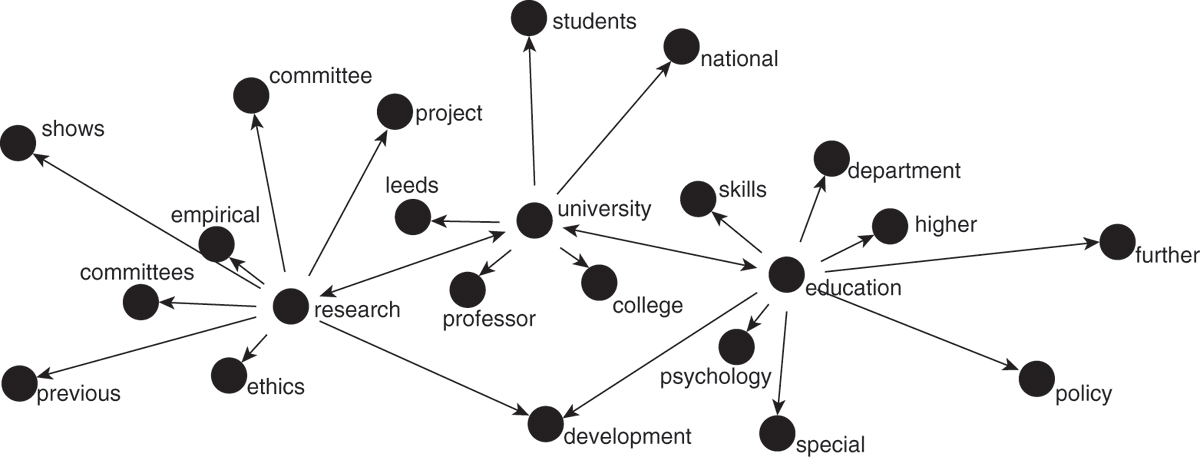
Join us from 22 April (12:00 UK time) for a new series on collocations 📊—how words co-occur and how we can measure these patterns statistically 🧠
Plus a gentle intro to R for beginners 💻 (hands-on, practical, and accessible for all social scientists 🌍)
🗓 Sessions:
22 Apr | 6 May | 20 May | 3 Jun (12:00–12:50 UK time)
🔗 Register: https://t.co/NfTqpFlj2V
The NYU Center for Mind, Ethics, and Policy is now on X! We examine the nature and value of nonhuman minds, with a focus on animals and AIs.
Follow @nonhumanminds for updates on our research, events, and opportunities, along with news from the fields of animal and AI welfare.
The Ethics of Dog-Human Relationships—The Trouble with Play
Julia B. Linares-Roake explores how people navigate the muddiness of living with dogs from their point of view as we over-control how they play and express their "dogness."
https://t.co/99RanfCSO8
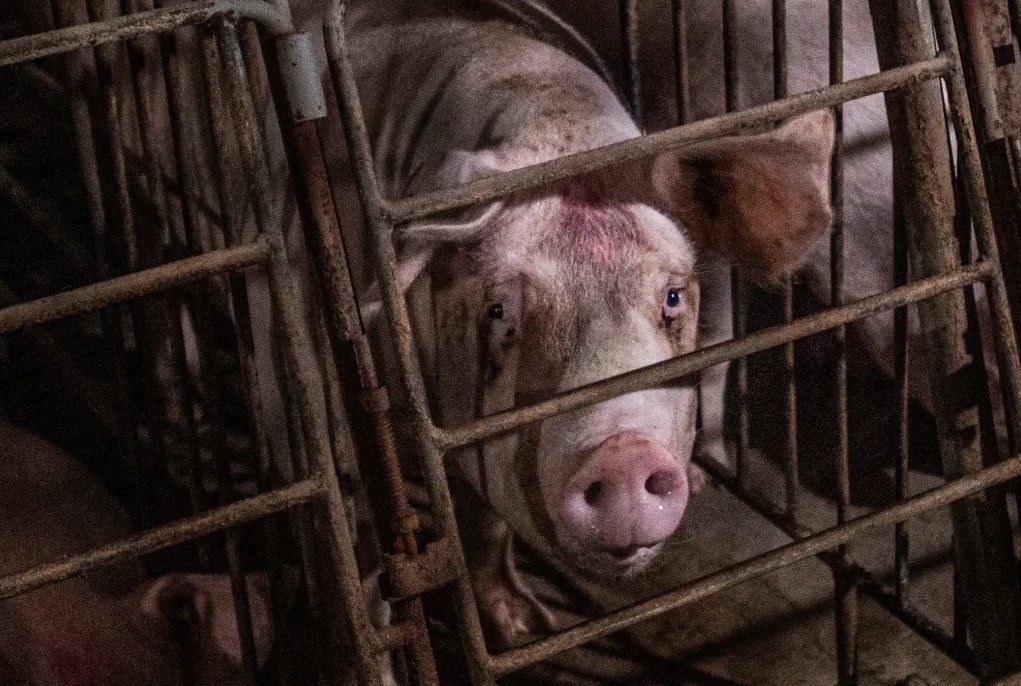
Hidden on page 744 of the farm bill the House Agriculture Committee passed Thursday is a provision that would condemn millions of pigs to a lifetime in gestation crates.
Rebranded the 'Save Our Bacon Act,' it's a pork-industry play to wipe out every state law banning the sale of pork from crated pigs — laws the conservative Supreme Court upheld in 2023.
Over 85% of Democrats and Republicans oppose these crates. Voters have backed ballot measures to ban them in state after state.
The pork industry knows it can't win a straight vote on this. So it's burying the provision in an 800-page bill and hoping no one notices.
Contact your senators and representative today and tell them: oppose the farm bill unless the Save Our Bacon Act is stripped out. You can reach them at https://t.co/MQvByA4atR and https://t.co/v6ghw99u1K — it takes two minutes and it matters.
Little Punch has stolen the hearts of animal lovers across the world. But you should know that these adorable creatures are used for inhumane animal experiments. I’ve written to @SecKennedy because it’s past time we END this importation of these beautiful monkeys for cruel & unnecessary testing.
I tried to do what we call, if I may be so bold, a "conceptual scoop"!!
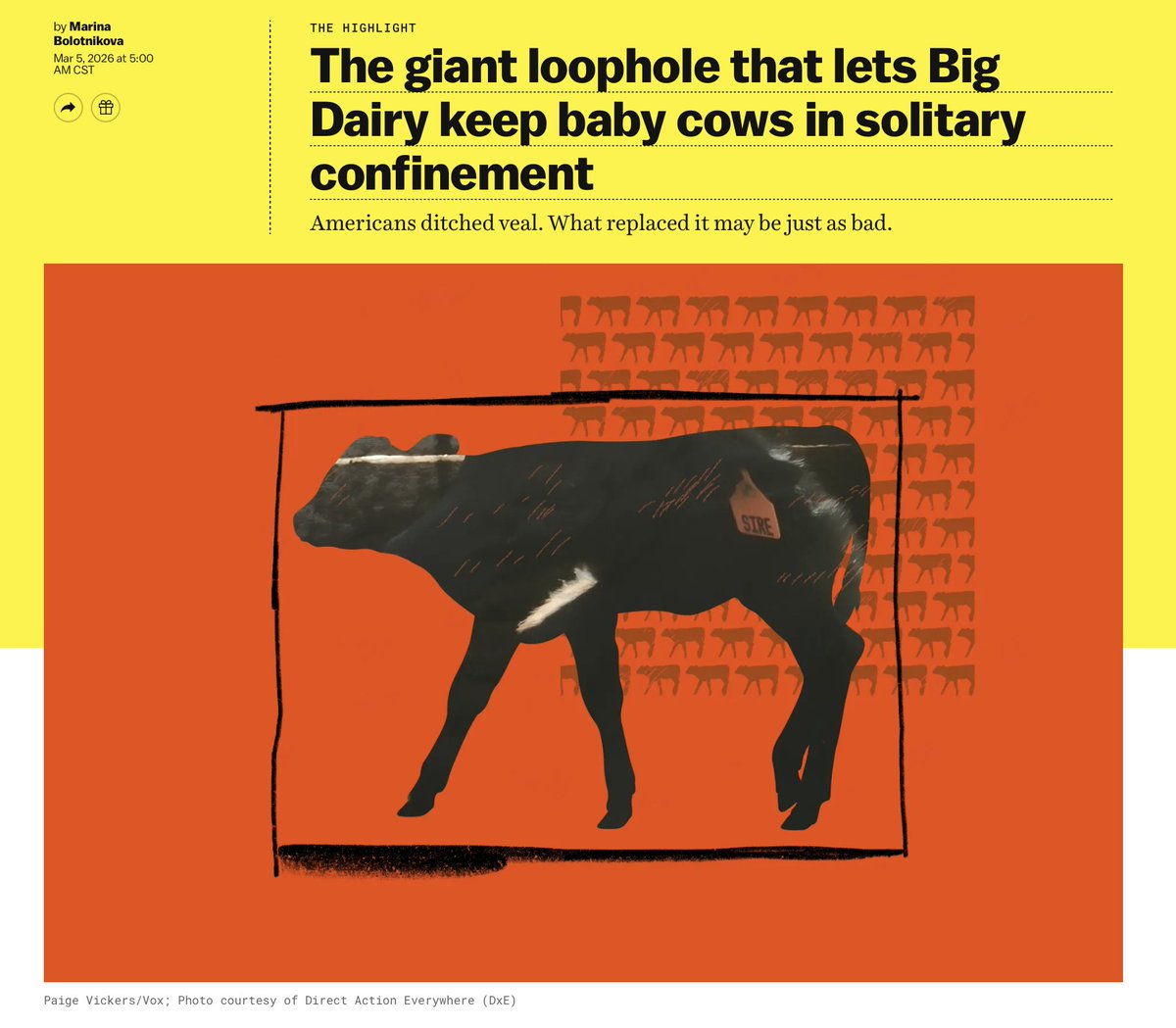
Pls read my story on the most overlooked form of extreme confinement of farm animals—the routine caging of dairy calves in tiny crates less than 1/10 the size of a parking spot.
It's not about veal! (🧵)
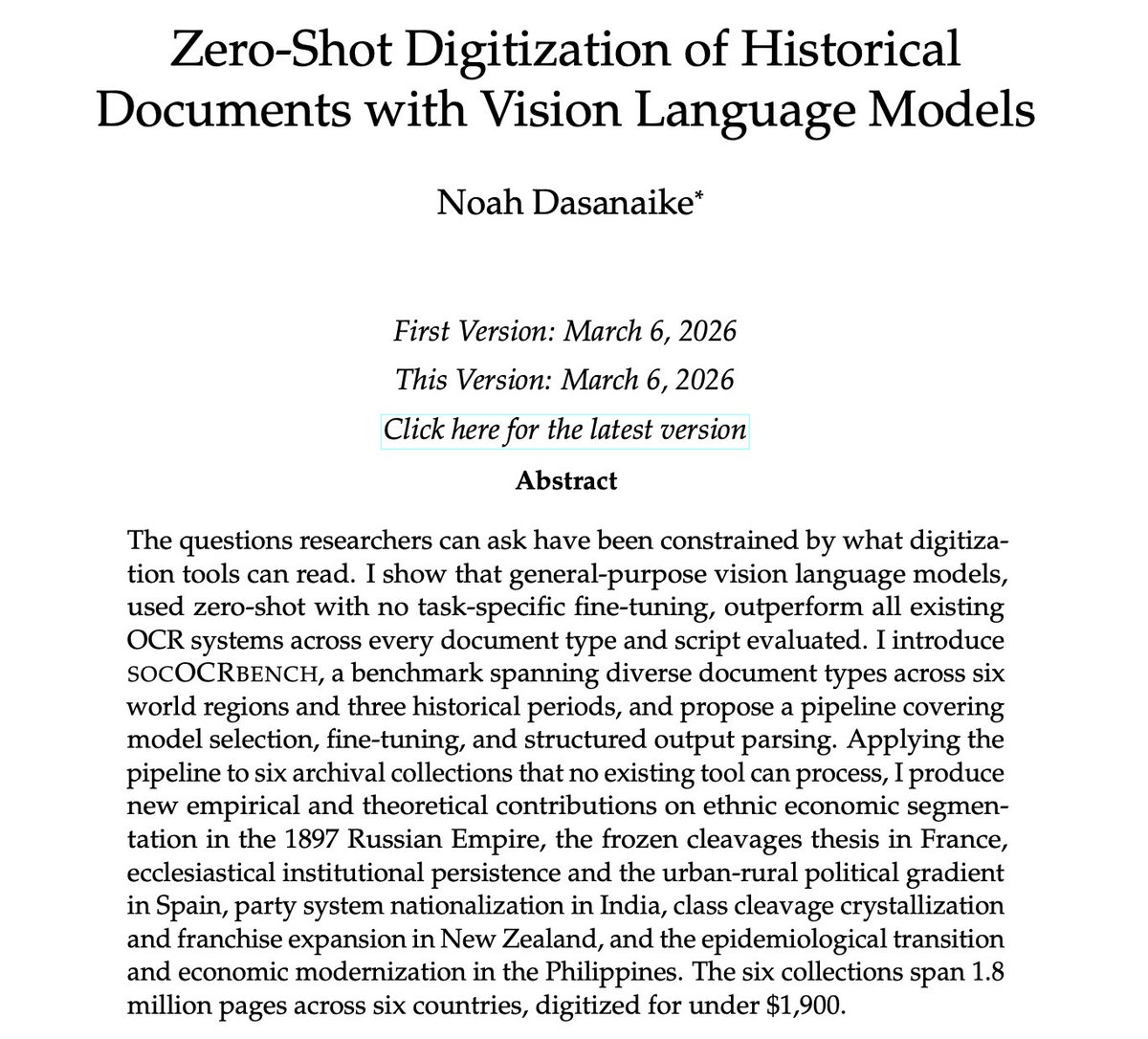
Social scientists working with materials requiring digitization can only study what machines can read. In practice, that means printed Latin-script documents from well-funded archives. In a new working paper, I show that Vision Language Models used zero-shot outperform every existing OCR system across every script evaluated, and I propose a pipeline for deploying them on new collections. I apply it to six archival collections spanning 1.8 million pages across six countries for under $1,900.
1/ The NYU Wild Animal Welfare Program is hiring a Postdoctoral Associate!
The NYU Wild Animal Welfare Program is currently seeking a postdoctoral associate to join an interdisciplinary research project focused on wild animals in urban environments.
In the late 1970s, following the Tuskegee scandal, a national commission released the Belmont Report, establishing critical protections for human research subjects. Its ethical principles of respect, beneficence, and justice still guide research today.
Despite overwhelming evidence that animal experimentation fails these same principles, there has never been an official, equivalent Belmont Report for animals.
That may soon change.
The National Commission on Research Ethics—a collaboration between @gwlaw and @PZInitiative—is working to "advance protections for animals, improve ethical standards in research, enhance scientific inquiry, and aim to reduce and eventually eliminate the use of animals in research."
Tune in on Feb. 18 at noon EST to hear members of the Commission discuss their forthcoming report.
Speakers include @HopeFerdowsian and Maggie Topalian (@PZInitiative); @RebeccaACritser (@JohnsHopkinsSPH); Kathy Hessler (@gwlaw); Syd Johnson (@UpstateNews); @MarthaSmithDVM (@VetInvestigator); Jessica Pierce (@CUAnschutz); and @iltaylorwriter.
Register to join: https://t.co/elgFg4b742
our february newsletter is up, featuring @hetvi_doshi! we hope to connect with some of you at SPSP in Chicago this month - keep an eye out for a marginalia event 👀
https://t.co/6f6lQAQyQG