Gout has been called the disease of kings for three hundred years, and the story is that rich men got it from too much red meat and red wine. One of the neatest morality tales in all of medicine. Eat like a lord, suffer like a lord.
There is a hole in it.
Gout is common now, more common than it has ever been, and it no longer clusters among the aristocracy at all. It is rising fastest in the populations eating the least venison and the most cheap sweet food. The disease of kings has quietly become the disease of the vending machine.
The reason is fructose. It has been known since the 1960s that fructose, the sugar in sweetened drinks, syrups and processed food, raises uric acid, and uric acid is the thing that crystallises in the joint and causes the agony. Your blood uric acid climbs within minutes of a big fructose hit. The sugary drink does to an office worker what the banquet supposedly did to the duke.
Then the drink itself. Beer is the worst offender in the room, because it carries purines and, worse, the alcohol jams the kidneys so they cannot clear the uric acid out. Half of what the wine was doing at that banquet was blocking the exit.
The honest bit: yes, shellfish and organ meat carry purines that raise uric acid too. But purines work slowly, a delayed drip over hours, while fructose spikes it within minutes. The steak is a bystander getting the blame for the company it kept.
The kings pinned it on the meat because the meat was the visible luxury. The sugar and the drink got a pass, because nobody was frightened of those yet.
Same mistake, three centuries on, with far better data and no better sense.
이철우 지사가 과거 국가안전기획부 간부로 재직할 당시 발생한 노동자 고문 사건에 연루되었다는 의혹이 있습니다. 경북도청이 이러한 비판 기사를 보도하려던 언론사를 무마하기 위해 보조금을 지급했다는 '업무상 배임' 의혹이 더해져 경찰 수사 후 검찰에 송치되었습니다. 이런 자가 경북도지사
Elon Musk literally sat down for a 45-minute talk with Y Combinator that explains how to build world-changing companies better than any business school on earth. This is the advice he gave a room full of young founders:
1. Don't try to build something great. Try to build something useful.
Everyone obsesses over greatness. Musk says that's the wrong target. "I didn't originally think I would build something great. I wanted to try to build something useful. I didn't think I would build anything particularly great. Seemed unlikely, but I wanted to at least try." Aim for useful first. Greatness, if it comes, is a byproduct.
2. When you can't get in the front door, build your own door.
Before Musk started his first company, he tried to get a job at Netscape. "I sent my resume into Netscape and nobody responded. I tried hanging out in the lobby to see if I could bump into someone, but I was too shy to talk to anyone. So I'm like, this is ridiculous, I'll just write software myself." He didn't set out to be a founder. He became one because no one would hire him.
3. He slept in the office and showered at the YMCA.
The origin of his first company was not glamorous. "We couldn't even afford a place to stay. The office was 500 bucks a month, so we just slept in the office and showered at the YMCA." He couldn't afford proper internet either, so he drilled a hole through the office floor and ran a cable to the internet provider downstairs. That was the founder of the future richest man on earth.
4. Keep the chips on the table.
When Musk sold his first company, he received a $20 million cheque. His bank balance went from $10,000 to $20 million overnight. Most people would have stopped. He put almost all of it straight back into his next company. "I kept the chips on the table." He did the same thing decades later, over and over. He hates money sitting idle. Money is fuel for the next mission.
5. Start with the mission, then work backwards to make it a business.
Musk didn't start SpaceX to make money. He went on the NASA website to find out when humans were going to Mars, and there was no plan. So he decided to build one. "There had been no prior example of a rocket startup succeeding. A small chance of success is better than no chance of success." The mission came first. The business model came later.
6. He started SpaceX expecting to fail.
He is brutally honest about the odds. "SpaceX started in mid-2002 expecting to fail. Probably 90% chance of failing. When recruiting people, I said, we're probably going to die, but small chance we might not die." The first three launches failed. The fourth one worked with no money left. "If the fourth launch hadn't worked, it would have been curtains. We made it by the skin of our teeth."
7. Break every problem down to physics.
This is the core of how Musk thinks. "First principles means break things down to the fundamental elements that are most likely to be true, then reason up from there, as opposed to reasoning by analogy." His example is rockets. Everyone priced them based on what old rockets cost. Musk asked what a rocket is actually made of, priced the raw metals, and found the materials were only 1-2% of the historical price. The rest was inefficiency he could attack.
8. When told something takes 24 months, break it down and do it in six.
Last year xAI needed a giant computer to train its AI. Suppliers said it would take 18 to 24 months. "It's like, well, we need to get that done in six months or we won't be competitive." So he broke it into parts. Needed a building, so he found an old factory. Needed power, so he rented generators. Needed cooling, so he rented a quarter of America's mobile cooling capacity. He slept in the data centre and ran cabling himself. It got done.
9. Watch your ego-to-ability ratio.
Musk's single sharpest piece of advice for young founders is about staying honest with yourself. "A major failure mode is when your ego-to-ability ratio gets too high. Then you break the feedback loop to reality." Keep the ego small, internalise responsibility for everything, and stay ruthlessly connected to what's actually true. "You want to close the loop on reality hard. That's a super big deal."
10. Chase work, not glory.
His closing philosophy ties it all together. "It's so hard to be useful. The area under the curve of total utility is how useful you've been to your fellow human beings times how many people. If you aspire to do true work, your probability of success is much higher. Don't aspire to glory, aspire to work."
He was ridiculed for years. The press called him "internet guy attempting to build a rocket company." He agreed it sounded absurd. He did it anyway, because a small chance of doing something useful beat no chance at all.
Here's the thing though....
Musk became the most followed founder alive because everything he does happens in public. The launches, the failures, the talks like this one. The companies made him powerful. The personal brand made his every word travel around the world before he finishes saying it.
We build massive distribution and grow personal brands on X and beyond without our clients lifting a finger.
If you're a founder or VC looking for that kind of exposure, book a call below.
We average 1.5M views a week.
https://t.co/UoXuYlkBQq
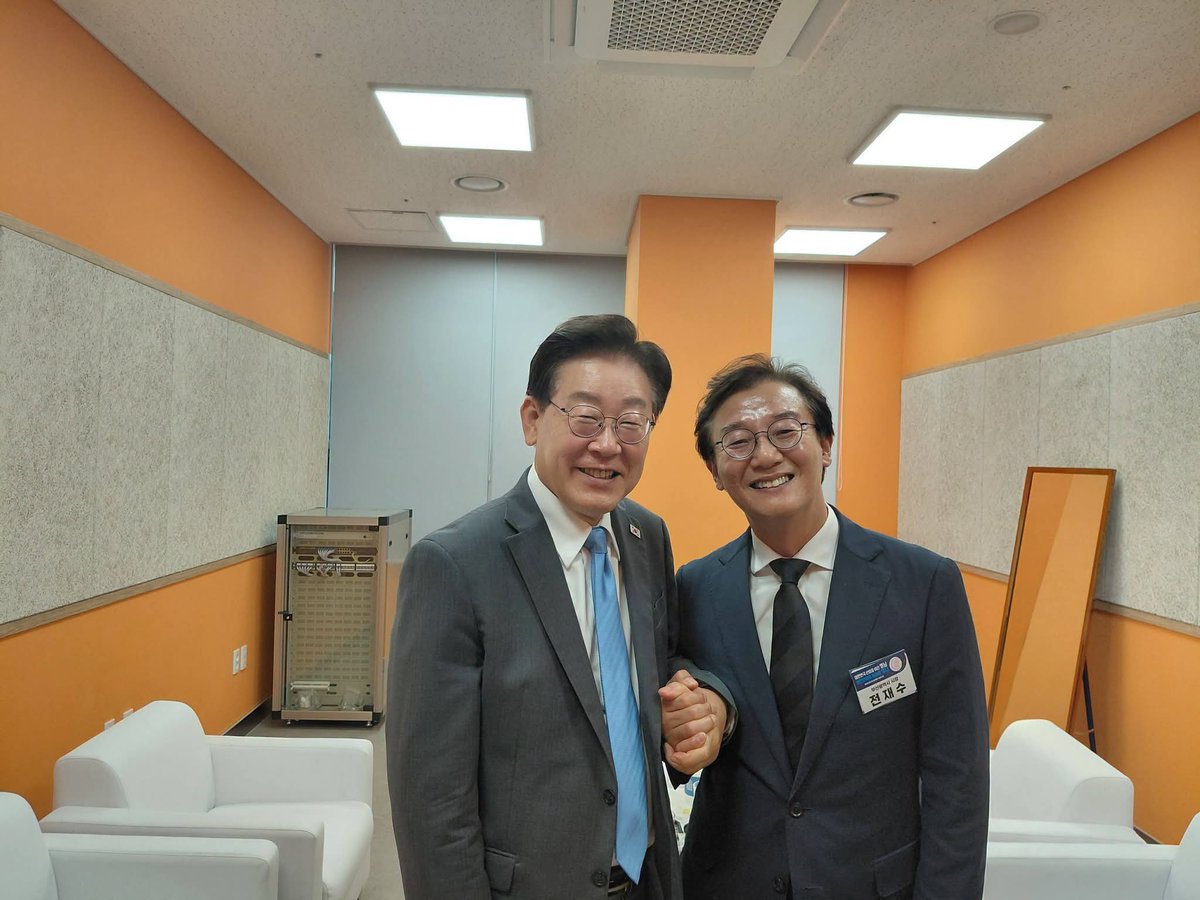
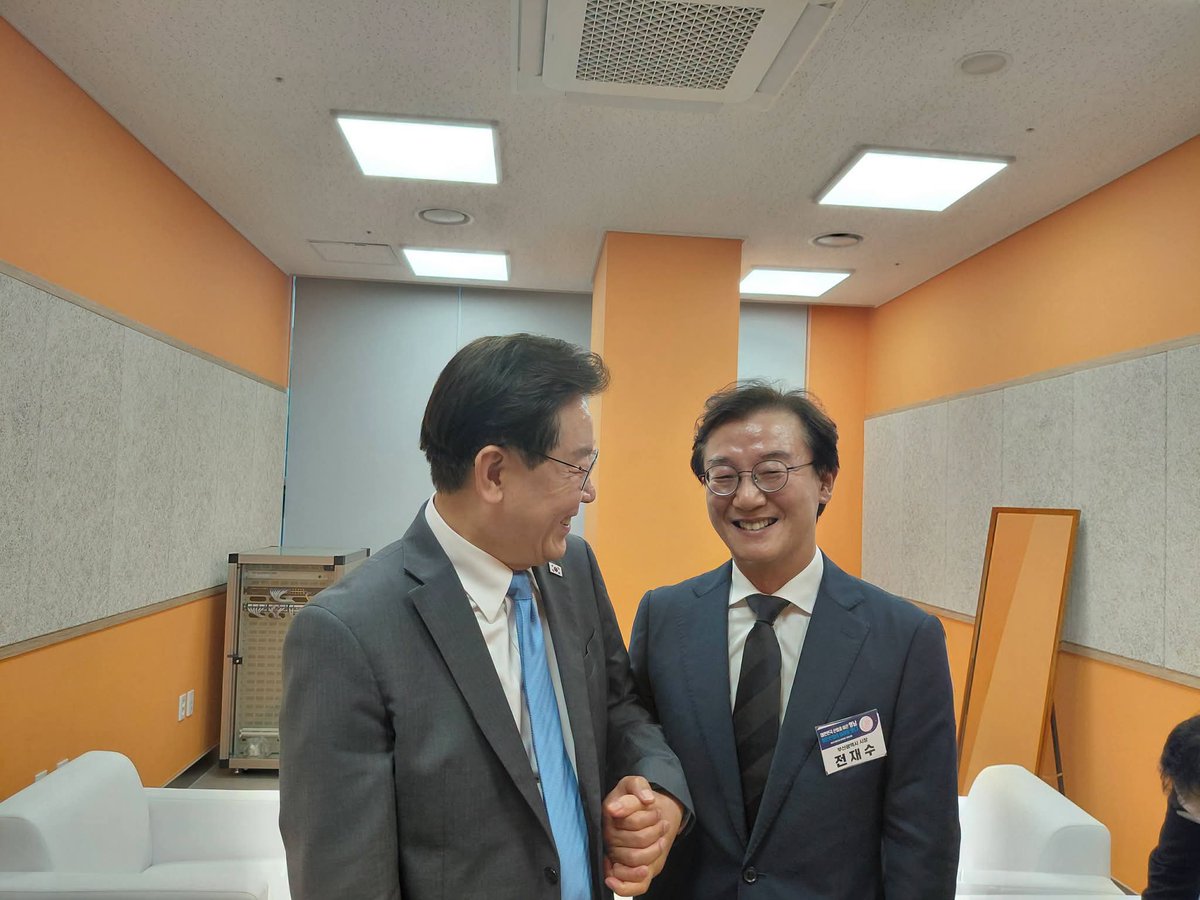
오늘 대통령님과 많은 대화를 나눴습니다. 비수도권의 맏형인 부산에 새로운 성장거점을 만들어서 대한민국이 다극체제로 나아가는 마중물 역할을 다하겠습니다. 부산에 대한 대통령님의 각별한 관심과 애정에 320만 부산시민을 대표해 고개숙여 감사의 인사를 올립니다. 대통령님, 고맙습니다.