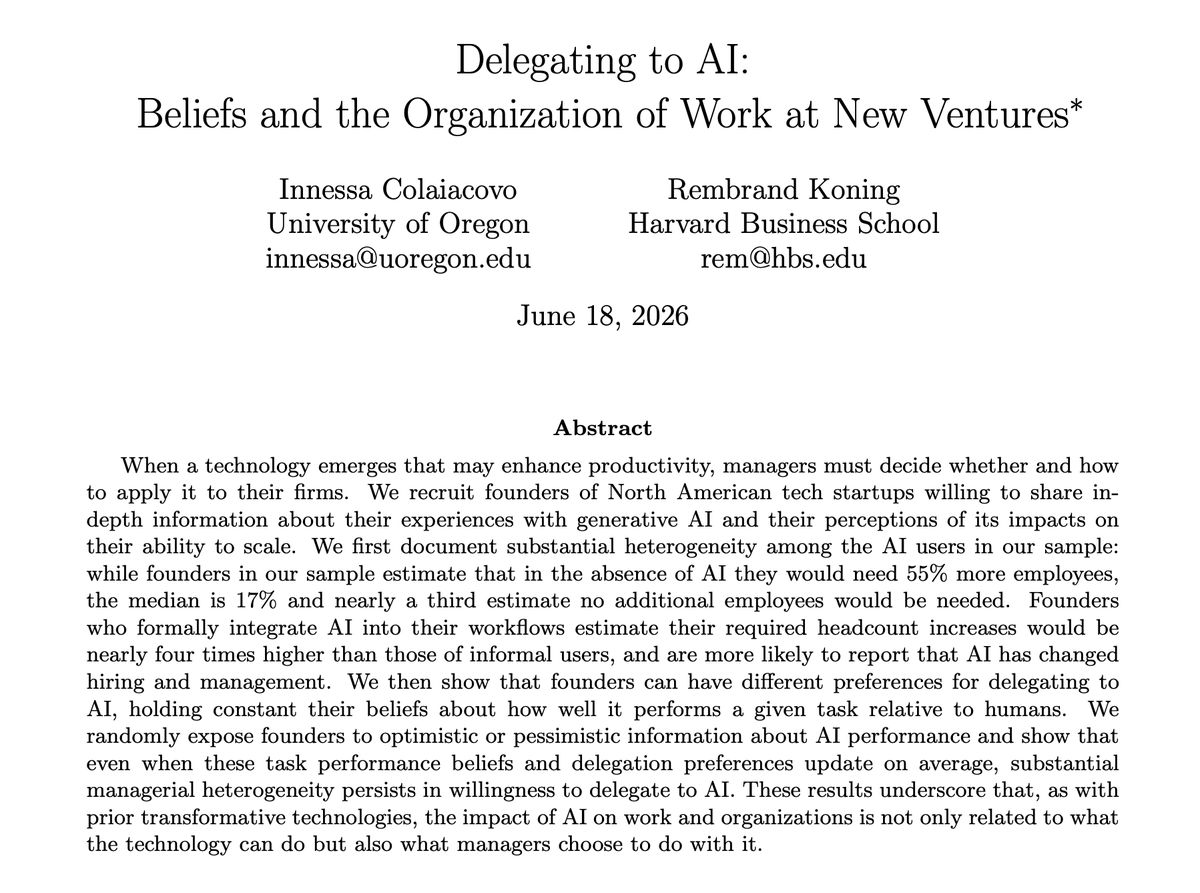
🤖Excited to share a new working paper🤖
Firms aren't built around what AI can do. They're built around what managers choose to delegate to AI.
In a new paper with @InnessaColaiacovo, we ask: how much does that choice matter for startup founders?
Claude Fable 5 will be available again globally tomorrow.
After a series of productive conversations with the US government, we're redeploying the model with a new set of classifiers to target and block more cybersecurity tasks. In the near term, some routine tasks like coding and debugging will fall back to Opus 4.8. We’ll continue to refine these classifiers over the coming weeks to reduce false positives and better distinguish genuine misuse from legitimate requests.
We’ve also begun drafting a consensus framework—with Amazon, Microsoft, Google, and other Glasswing partners—for assessing the severity of AI jailbreaks and how AI developers should respond to them. We invite other industry partners and model providers to join us in this effort.
Finally, we’re scaling up our collaboration with the US government on model testing and safeguards. This will include pre-release access to models and safeguards for evaluation, information sharing on jailbreaks and misuse, and dedicated resources for joint research.
Thank you to our users for your patience, and to our partners across the government, industry, and the research community who worked alongside us to make Fable 5 available again.
Read our full blog: https://t.co/VHyum831ri
Our paper “Difference-in-Differences Designs: A Practitioner’s Guide” is now published in the Journal of Economic Literature. It took us a while but we are happy!
We put together a lot of material to make the paper useful in practice: https://t.co/30TbAgihlz
Hope you like!
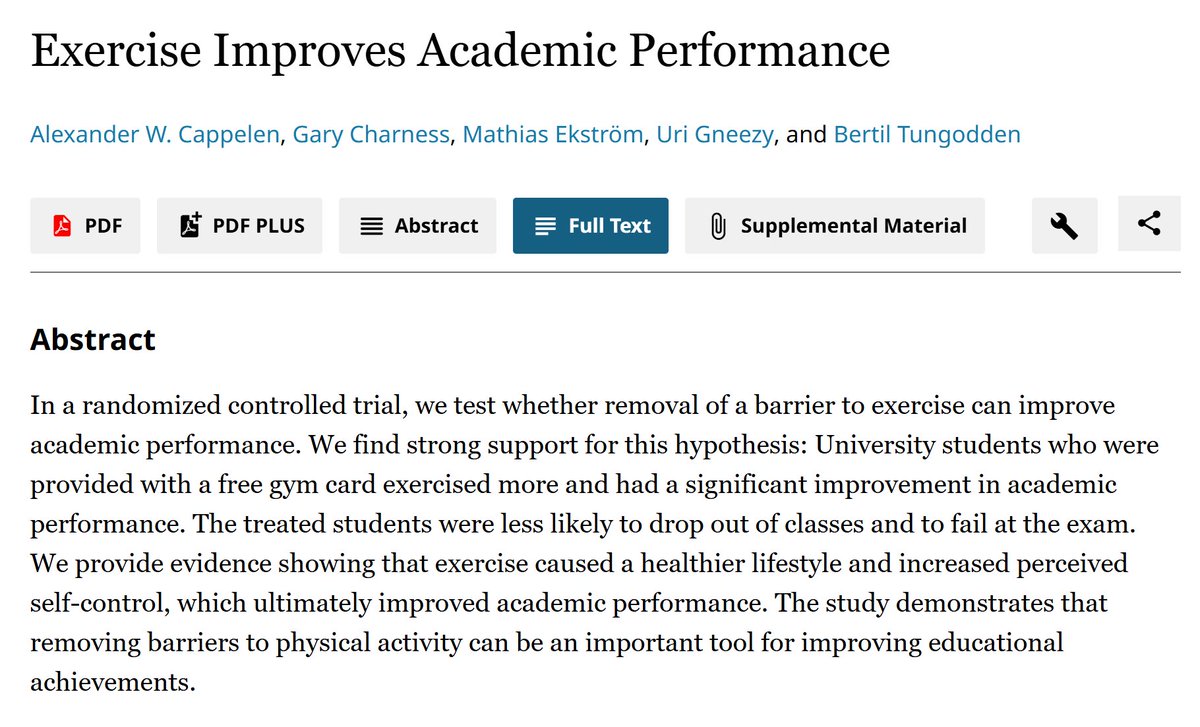
Forthcoming in the AER: "The Effect of Omitted Variables on the Sign of Regression Coefficients" by Matthew A. Masten and Alexandre Poirier. https://t.co/A8RpcJ3xtE
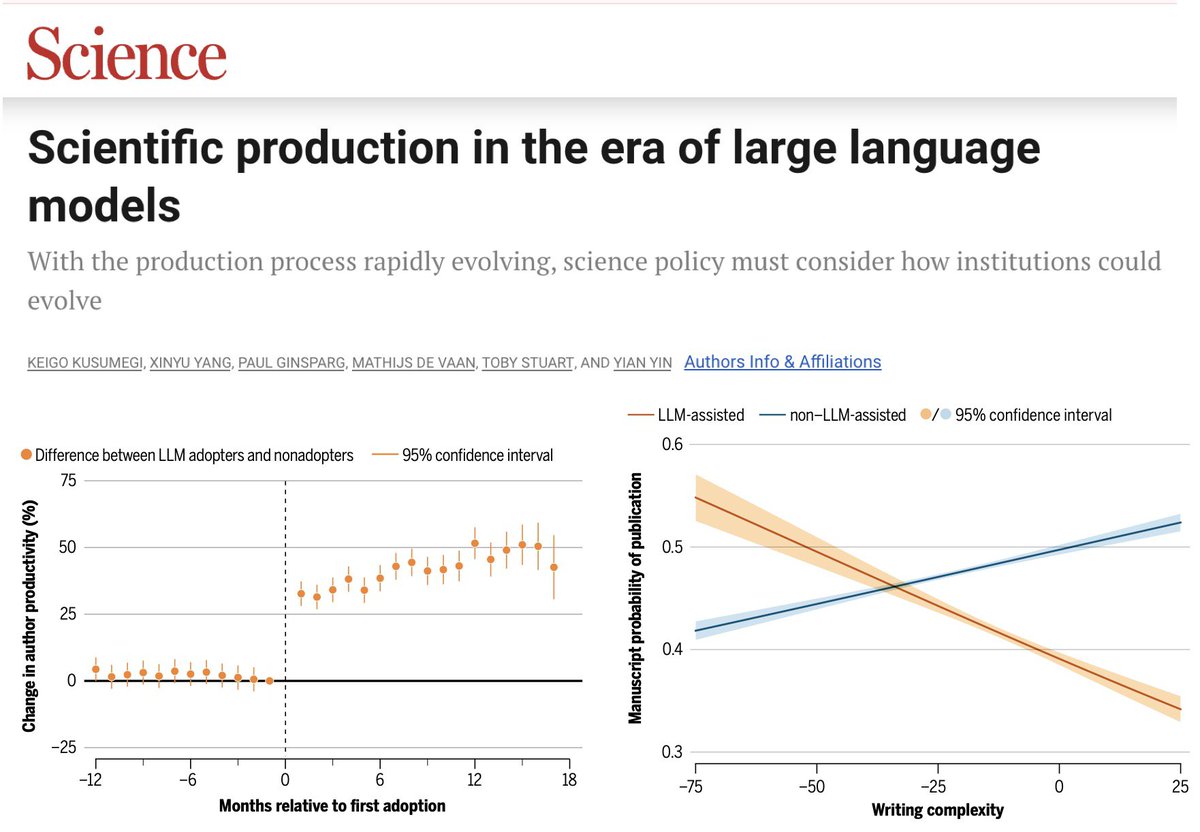
Fantastic analysis from journal submission data. It is also encouraging to see key findings from our recent @ScienceMagazine paper on #AI impact on science — increased productivity, more complex scientific writing, and emerging quality concerns — echoed in this setting.
Holy crap. I fed Claude Design a paper and in like 15 minutes it produced slides for a presentation that are amazing. Much better than NotebookLM. See here: https://t.co/3Q37bxtNpe
Anthropic leaked 512,000 lines of Claude Code source code yesterday.
What happened in the next 12 hours is absolutely wild.
4 AM. Anthropic pushes an update to npm. Inside the package: their entire codebase. A 60 MB debugging file accidentally bundled in.
23 minutes later, researcher Chaofan Shou spots it. Downloads the zip.
Posts it on X. Within 6 hours: 3 million views.
By the time Anthropic’s team woke up, the code was forked 41,000+ times across GitHub. Anthropic started firing DMCA takedowns. Too late.
A Korean developer named Sigrid Jin woke up to his phone exploding. He’s Claude Code’s biggest power user.
WSJ reported he burned through 25 billion tokens last year.
He read the leaked code.
Rewrote the entire thing in Python in 8 hours. His repo hit 30,000 stars faster than any GitHub project in history.
Then he rewrote it again in Rust. That version now has 49,000 stars.
Someone mirrored it to a decentralized platform with one message: “will never be taken down.” The code is permanent. Anthropic cannot get it back.
Here’s the part I can’t stop thinking about: Anthropic built something called “Undercover Mode.” Its only job: prevent Claude from accidentally leaking internal secrets.
They shipped an entire anti-leak system in their own product. Then leaked their own source code in a .map file. Irony is beautiful
🚨‼️ BREAKING: Anthropic has decided to open source their entire codebase and is rebranding their AI to OpenClaude.
Anthropic CEO Dario Amodei said: "Yesterday was no slip-up. If we disappear just like OpenAI is vanishing right now, our code can live on through the community."
Results from my Claude Code audit of six Callaway and Sant'Anna packages (two in python, two in R, two in Stata). Same specification, same dataset, same covariates, same estimator, almost never do they agree.
https://t.co/KpRwlAagbr
We've rolled out a new auto-memory feature.
Claude now remembers what it learns across sessions — your project context, debugging patterns, preferred approaches — and recalls it later without you having to write anything down.
We've reset rate limits for all Claude Code users.
Yesterday we rolled out a bug with prompt caching that caused usage limits to be consumed faster than normal. This is hotfixed in 2.1.62.
Make sure you upgrade to the latest and hope you enjoy using Claude Code this weekend!
Today we’re releasing the International AI Safety Report 2026: the most comprehensive evidence-based assessment of AI capabilities, emerging risks, and safety measures to date. 🧵
(1/17)
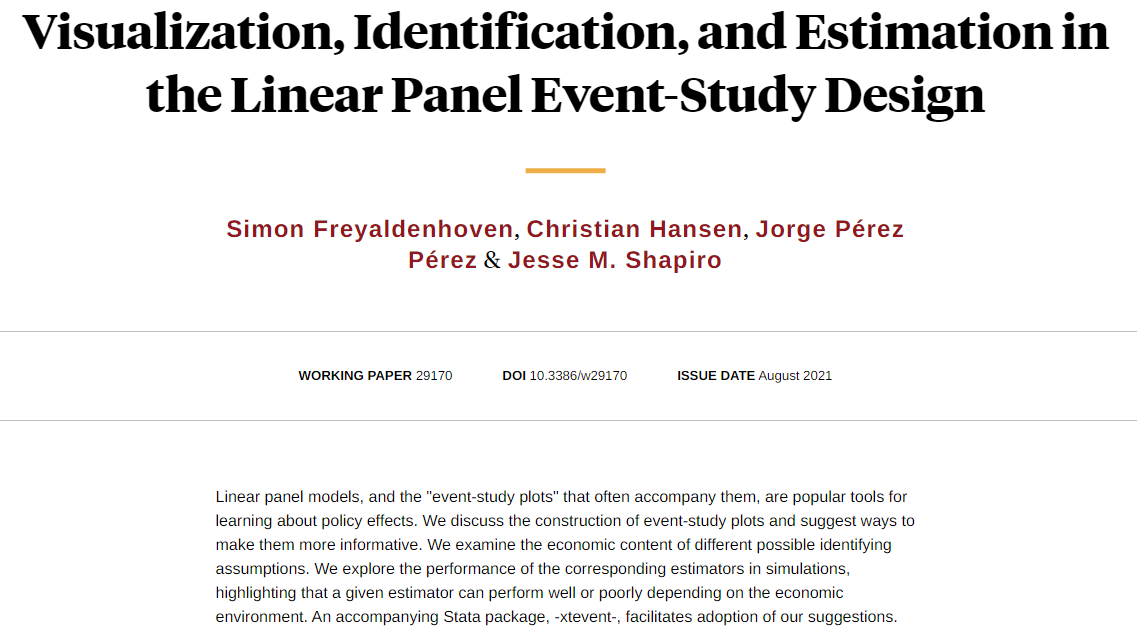
Ways to make event-study plots more informative and an evaluation of different approaches to identification. Also refer to the accompanying Stata package, xtevent, from Simon Freyaldenhoven, Christian Hansen, @jorpppp, and Jesse M. Shapiro https://t.co/kQscRZ7XIz
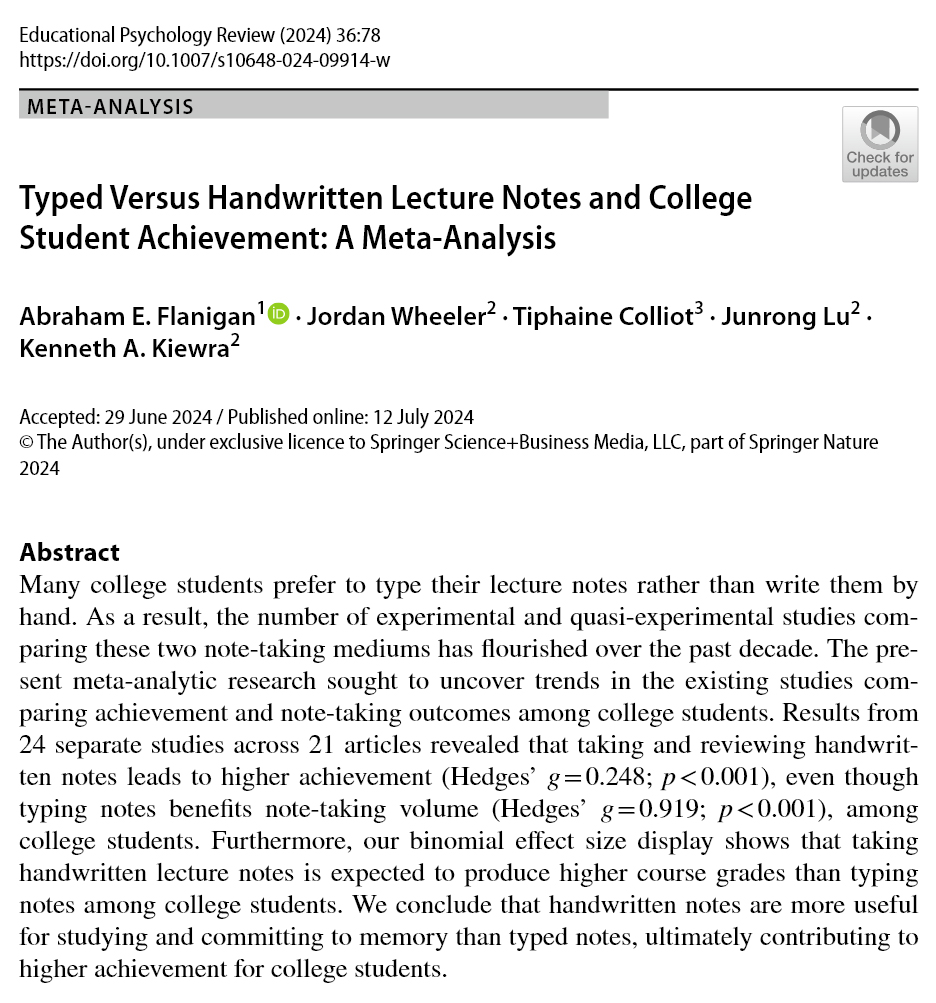
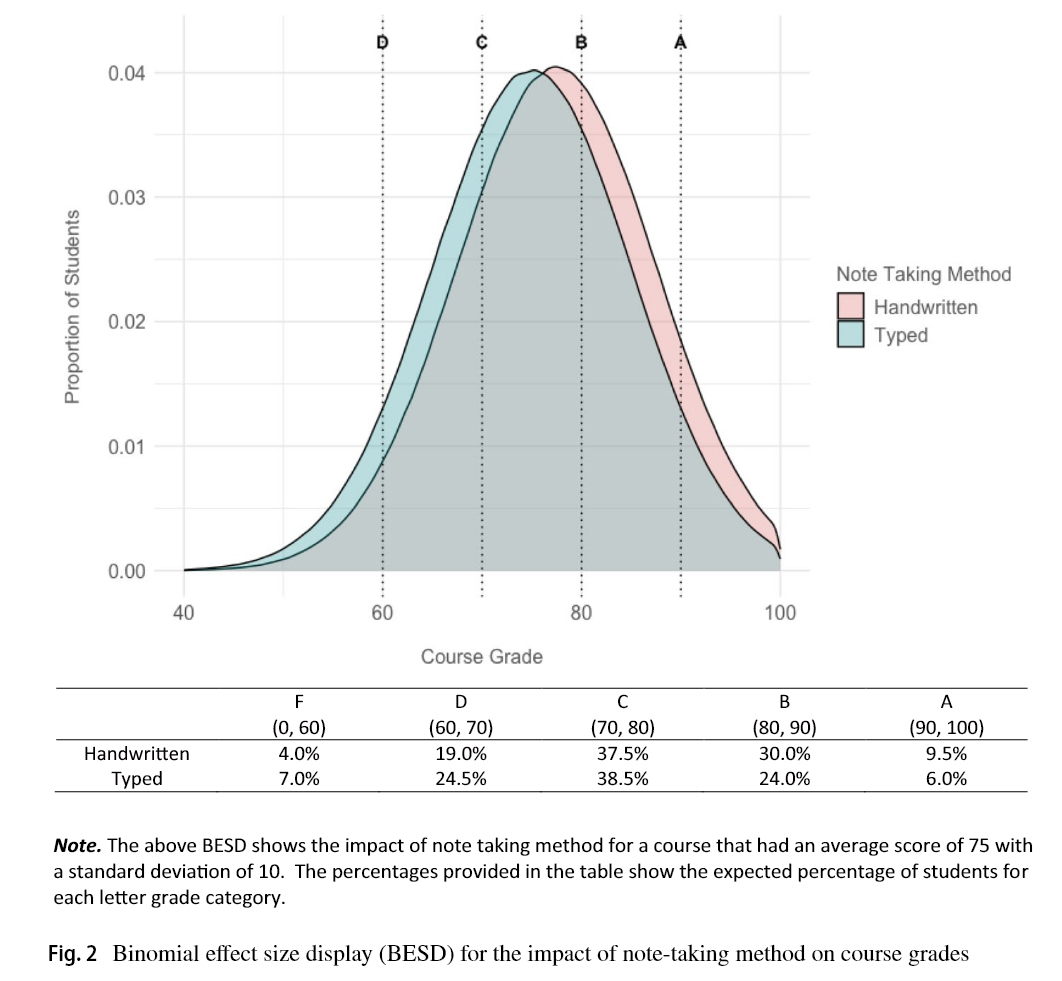
It's time to remove laptops from classrooms.
24 experiments: Students learn more and get better grades after taking notes by hand than typing. It's not just because they're less distracted—writing enables deeper processing and more images.
The pen is mightier than the keyboard.
This is terrifying.
"[AI agents] can... infer a researcher's latent hypotheses and produce data that artificially confirms them."
...
"We can no longer trust that survey responses are coming from real people" -@seanjwestwood
If you have been curious about which topics are increasing in popularity in econ, @paulgp has a new tool for you!
https://t.co/9pzDknEgHh
This lets you search over AER and AEJ's + 30k NBER WP!
Very neat!












![JohnHolbein1's tweet photo. This is terrifying.
"[AI agents] can... infer a researcher's latent hypotheses and produce data that artificially confirms them."
...
"We can no longer trust that survey responses are coming from real people" -@seanjwestwood https://t.co/kG1P6pCHY4](https://pbs.twimg.com/media/G6EOEGIWYAAv_5U.jpg)


