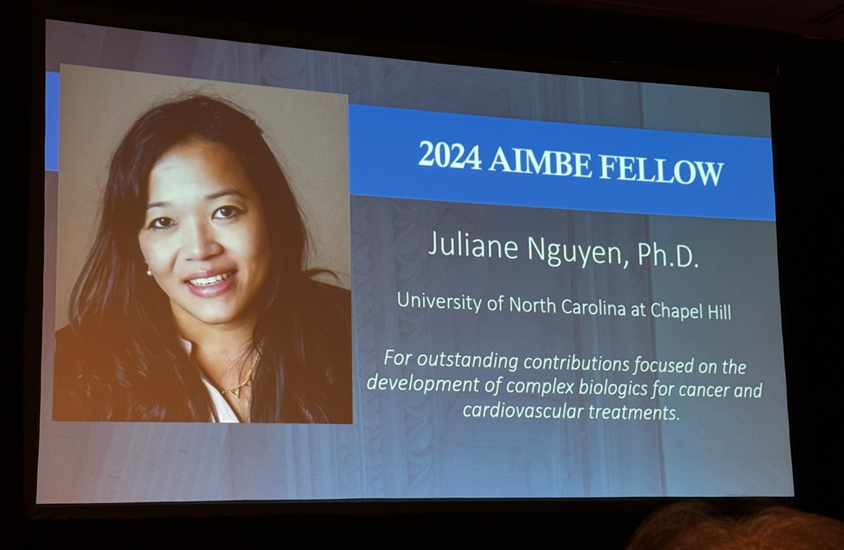
UNC CH PhD Candidate in the J. Nguyen Lab
Clemson c/o 2021 Biochemistry //
Passions include running, being outside, reading, clinically translational research
The most common response to adversity is not chronic stress. It’s resilience.
54 studies of potentially traumatic events:
• 11% of people had extended difficulties
• 21% had acute symptoms that dissipated
• 66% sustained healthy functioning
Humans are less fragile than we realize.
Cardiotoxicity from cancer treatments is a challenge. There is only one drug with limited efficacy and limited indication. We need better therapeutics! Congrats @j_kellner22 on this insightful review, which also provides a clinical perspective! Check it out!
@JulieNguyenLab has a new publication out in @ADDReditors
"Navigating cancer therapy induced cardiotoxicity: From pathophysiology to treatment innovations"
https://t.co/VnaHfhZLUU
Congrats to Jessica Tetterton-Kellner on the new first author paper!
@UNCPharmacy
In this episode — Building a Strong Heart — you’ll learn all about the special anatomical and physiological characteristics that make your heart the most unique MUSCLE in your entire body, and you’ll learn specific steps you can take to improve your cardiovascular health and VO2 Max.
I cover things like why you breathe, how a heart can keep beating even after it loses nerve innervation (e.g., if it gets pulled out of your chest, Temple of Doom style), why it never gets sore, and how heart function and measures like VO2 Max relate to your short and long-term health and performance.
And, like every episode, I’ll discuss multiple ways to gauge your fitness and how best to improve it. I’ll do this by covering the “Three Is” — Investigate (what and how to measure VO2 Max score), Interpret (are your scores good, bad, terrible, best in world history), and Intervene (how to improve!).
So whether your jam is sports, longevity, physical fitness, or just avoiding death for as long as possible, you all have a heart, so this episode is for you.
Remember, in the words of legendary track coach Bill Bowerman, “If you have a body, you’re an athlete.” And nobody ever complained about their heart performing too well.
I really do my best to keep up with the comments, but given this is the very first installment in our 10-episode season, I’m going to work super hard to respond to all of your questions and comments, and there are far worse ways to spend time on a Wednesday, and I love teaching, so go nuts below!
As always, a million thank you’s to my co-workers at this podcast, RAPID, Vitality, Absolute Rest, BioMolecular Athlete, Anthropy, and elsewhere, my students in the lab, and most importantly, all of you.
The podcast — Perform with Dr. Andy Galpin — can be found on Apple Podcasts, Spotify, YouTube, across all other podcast platforms, and at https://t.co/Ai31qsKrkS. Enjoy!
The spotless Marsico Hall lobby reflects the dedication of day porter Khin Su Su Kyi, a 17-year #UNC employee who fled war-torn Myanmar in 2004 and raised three daughters alone. Learn about her hard work and resilience that earned her the 2024 Massey Award https://t.co/dV6nOqF2b7
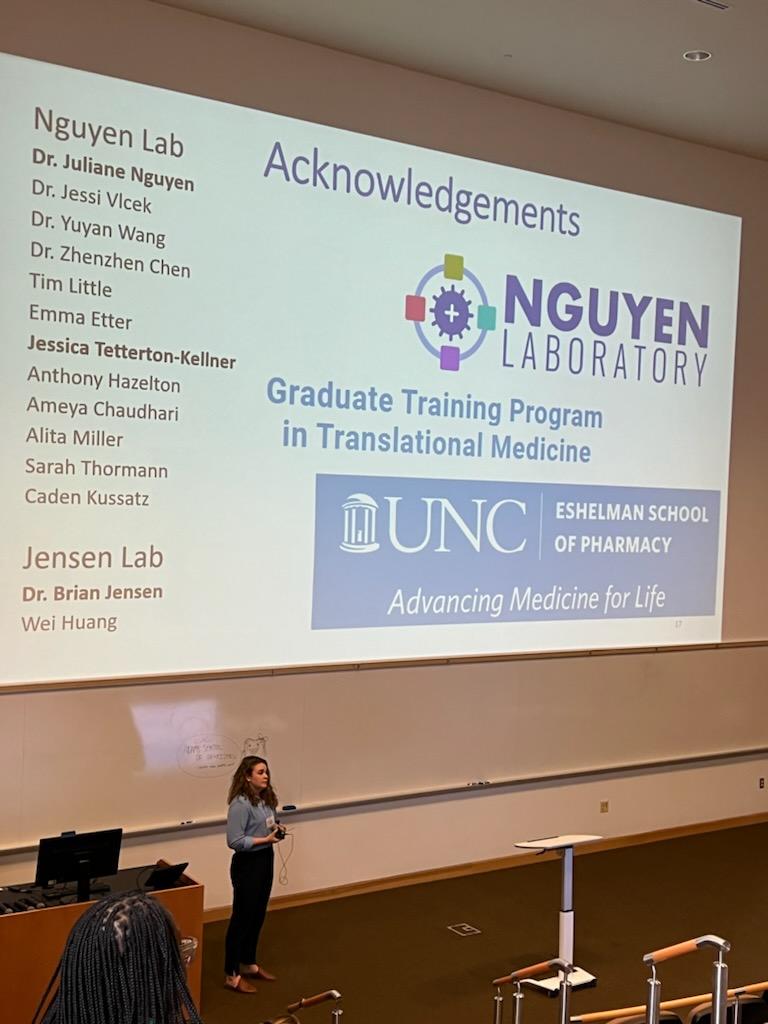
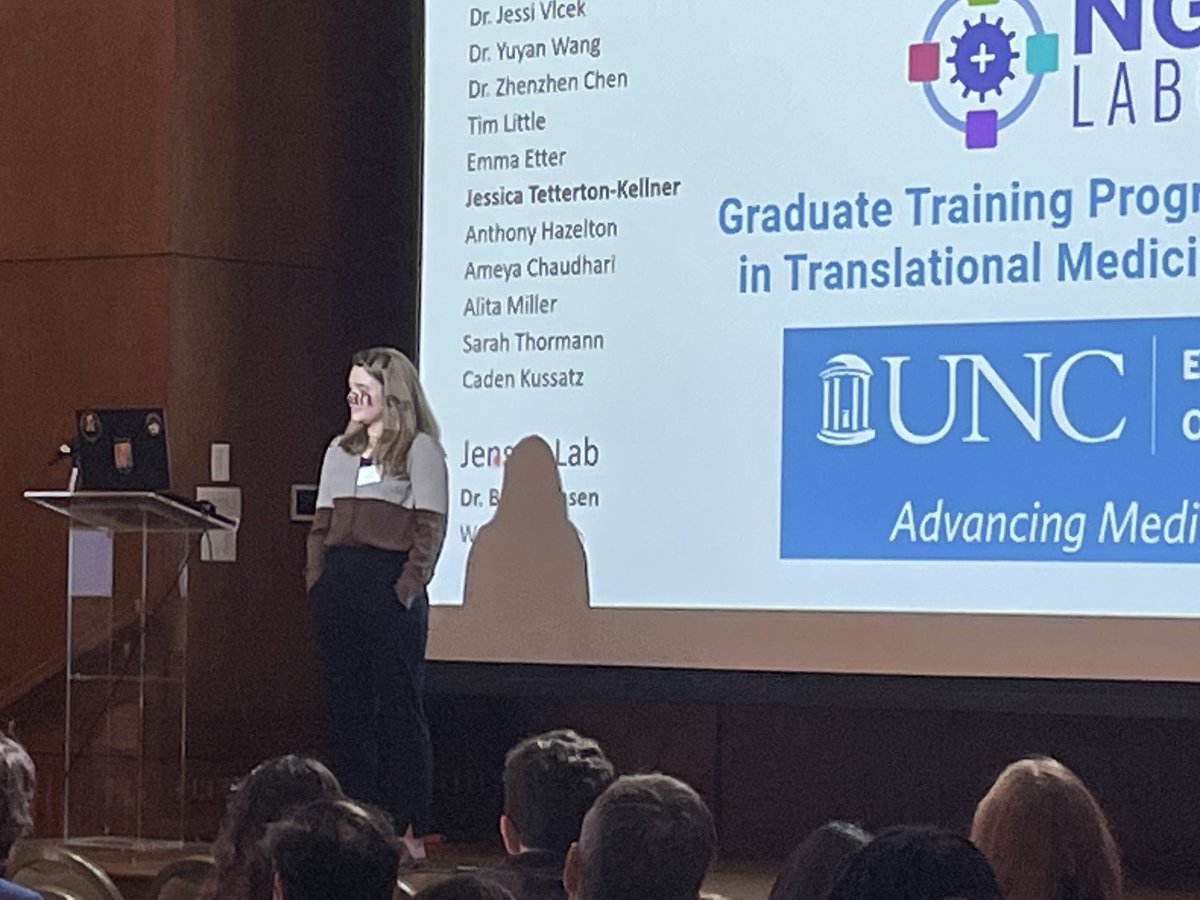
My PhD student @j_kellner22 presenting her work on developing therapeutics to treat chemotherapy-induced cardiotoxicity at the T32 Translational Medicine Symposium! @DPMP_UNC
#UNCPharmacy's Juliane Nguyen and her lab have received a $2.7 million grant from the NIH R01 program to develop a new way to treat heart attacks without surgery! Learn about their new therapeutic, Zippersome, in the story below: https://t.co/cXSQs7nNvU
Thankful to the @nih_nhlbi for supporting our research! With this $2.7 million R01 grant, we're excited to take our Zippersomes to the next level and evaluate their effectiveness in treating heart attacks. We have postdoc positions available (email me @ [email protected])!
I am so incredibly grateful for the opportunity to have spoken yesterday at this year's @UNC_MHI Spring Symposium! It was an excellent event with several great speakers!
ACADEMIC WRITING TIPS
1) Open a Word doc
2) Make a coffee
3) Type a sentence
4) Stare out the window
5) Delete the sentence
6) Wonder if you'd make a better fictional author
How to give feedback without being a jerk:
1. Be a coach, not a critic. Aim to help, not attack.
2. Don't assert opinion as fact. You're sharing your subjective reaction, not the objective truth.
3. Be honest, not brutal. Be direct in what you say, but kind in how you say it.