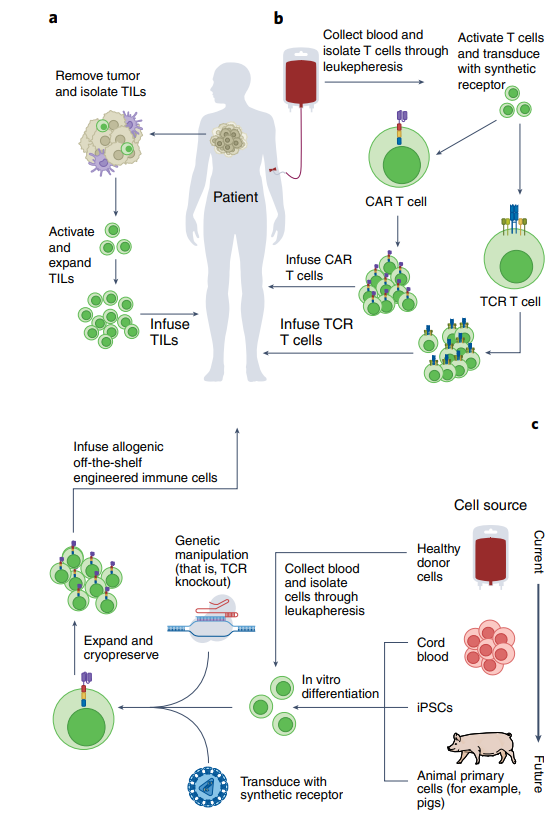
10 years of cancer cellular immunotherapy, key challenges facing the field & strategies that are emerging to overcome these obstacles
https://t.co/HeZucN7QGa
Bad cancer vs #immune mediated?
“#Nivolumab +/- #ipilimumab was NOT associated with an ⬆️ rate of progression vs placebo in pts… suggesting that previous reports of #hyperprogression may reflect the natural disease course… rather than ICI-mediated progression”
#immunotherapy
Gracias @MendiolaMarta y @j_lramon por vuestro enorme esfuerzo, que por fin tiene su recompensa.
Espero que este trabajo pueda contribuir a una mejor clasificación del riesgo de las pacientes con cáncer de endometrio y, por tanto, a un tratamiento complementario más adecuado
Hope you are enjoying our article countdown! The 6th most popular long article published in @NatRevClinOncol in 2021 discusses the role of the MYC oncogene in cancer https://t.co/iSiVXDAZ7o
Acabamos de publicar en una prestigiosa revista uno de los proyectos de investigación de los q más orgulloso me siento, realizado en nuestro la laboratorio de Oncología Traslacional. Gracias @MendiolaMarta por tu tesón y entusiasmo sin los q este proyecto no habría sido posible
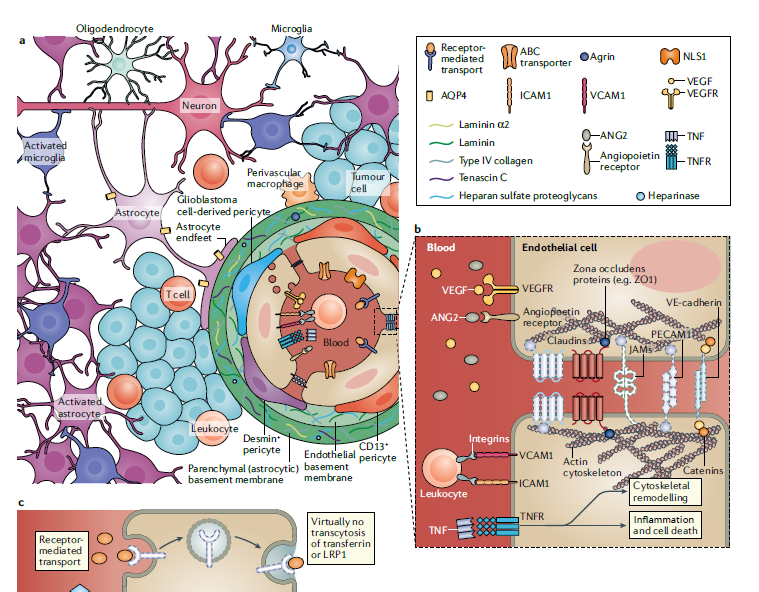
Understanding the blood-tumor barrier is key to develop optimal new therapeutic approaches in #cancer. This review provides current knowledge of BTB structure & function with a focus on how this knowledge can be translated into clinical advances
https://t.co/LjxB3U4Zkr
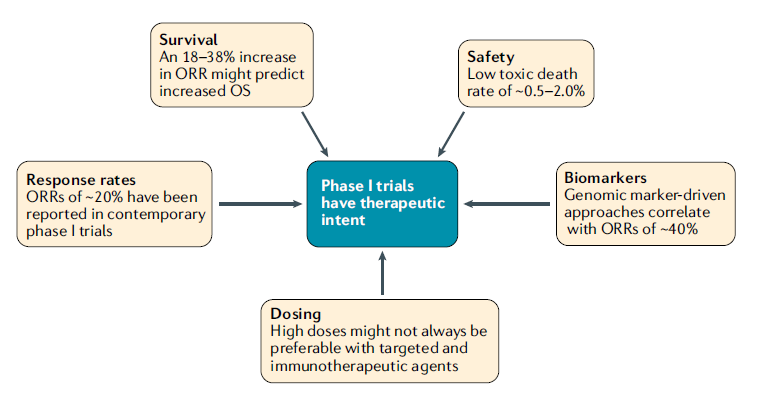
Oncology phase I trials have been referred to as ‘toxicity trials’. The last decade has demonstrated that phase I trials have ORRs of ~20%, (this is within the range of ORRs of several FDA -approved drugs, making them potentially valid therapeutic options
https://t.co/Lt24YRXQWd
A systemic review of TNT approach in rectal cancer https://t.co/gUiebeB9J9 showing improved pCR. The practice has already shifted to TNT approach to better delivery of planned therapy as well as to better understand the biology while data on survival outcomes maturing @OncoAlert
In our recent analysis, we found a rapid adoption of SLNBx in the U.S for patients with high-risk endometrial histologies. No difference in LN+ rate or overall survival between SLNBx and LND groups. https://t.co/Fw0ZFg0O51