Check out my recent publication to understand the relationship between population-level and community-level diversity metrics and how fragmentation affects those relationships for crayfishes? https://t.co/Ne0G9lrt6w
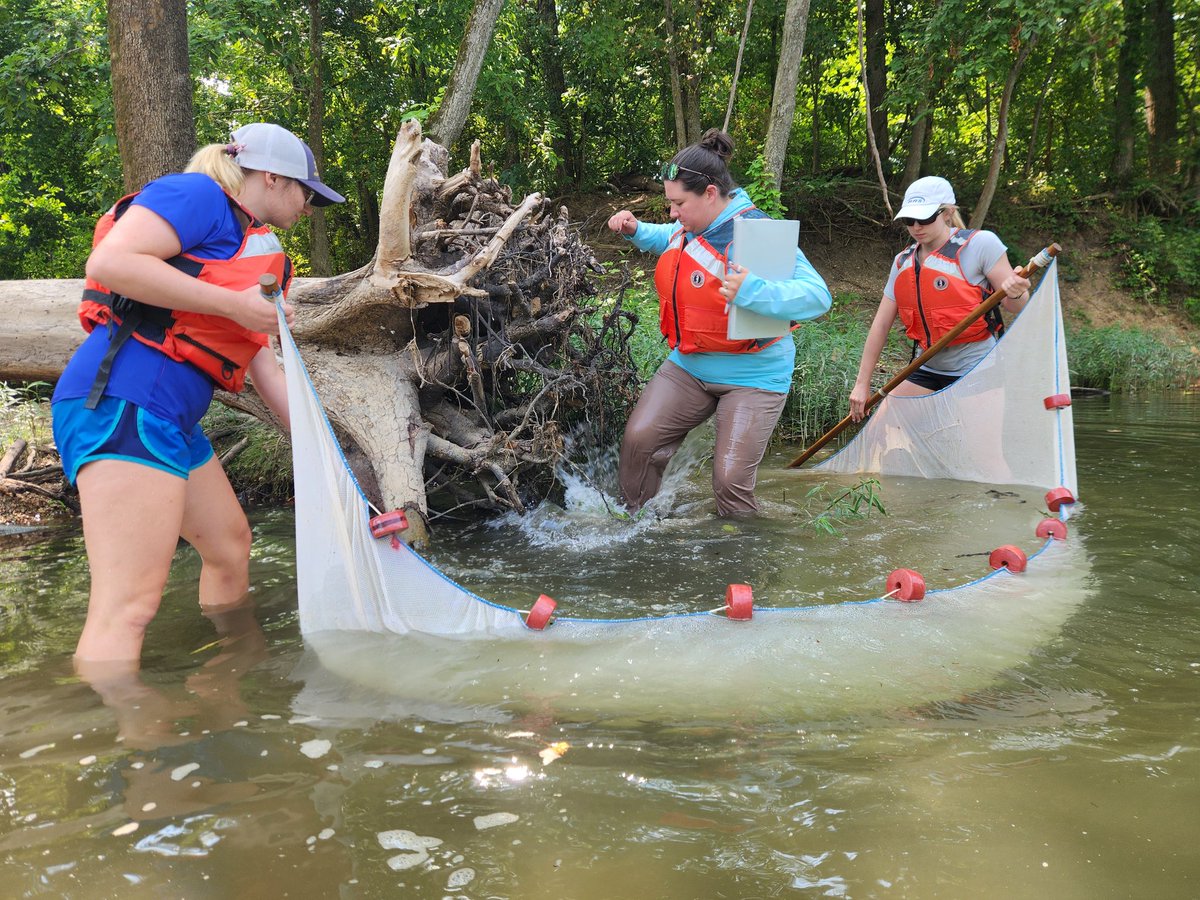
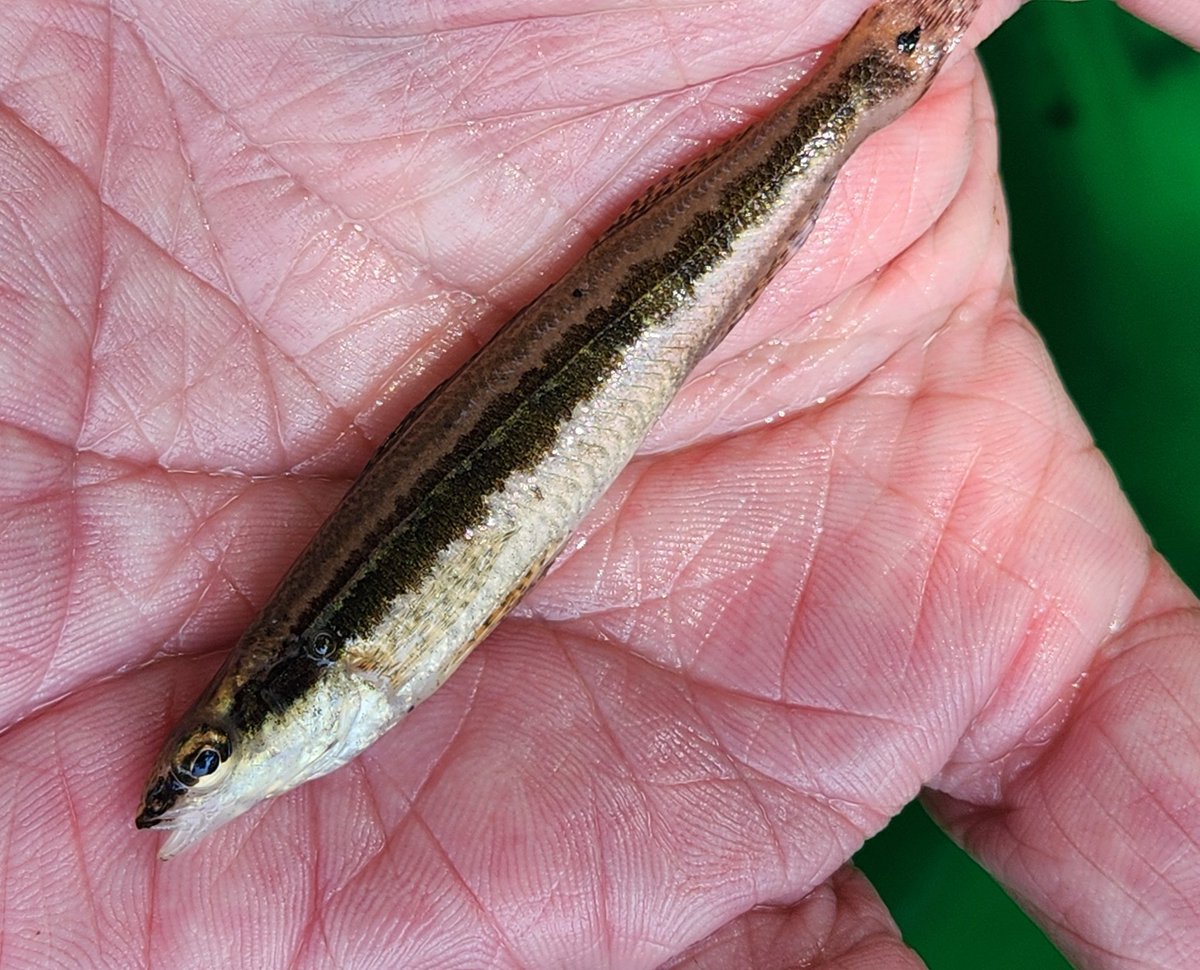
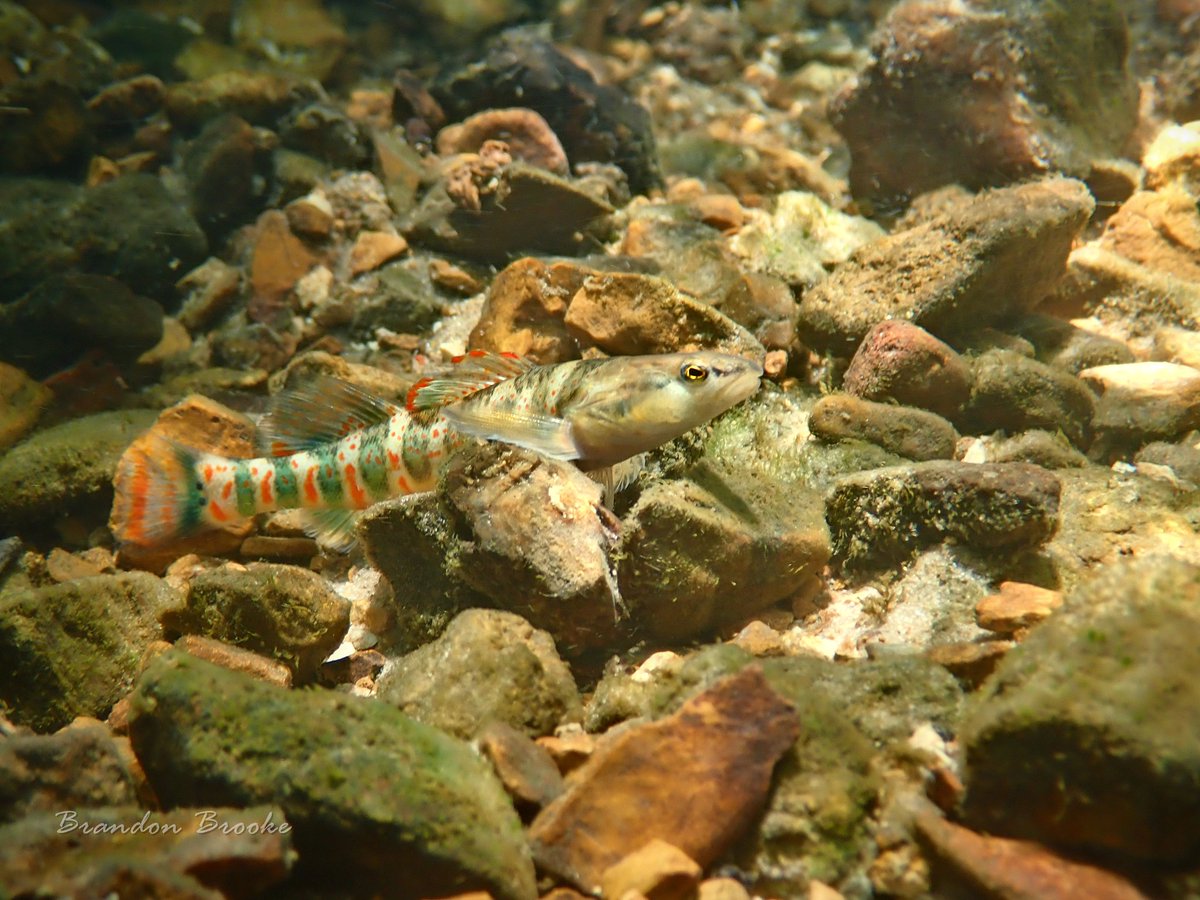
Bluestripe Darters are difficult to come by this summer, but every now and then we get one in the net. This fantastic crew has put in great work this summer and is putting dots on the map and collecting important genetic data.
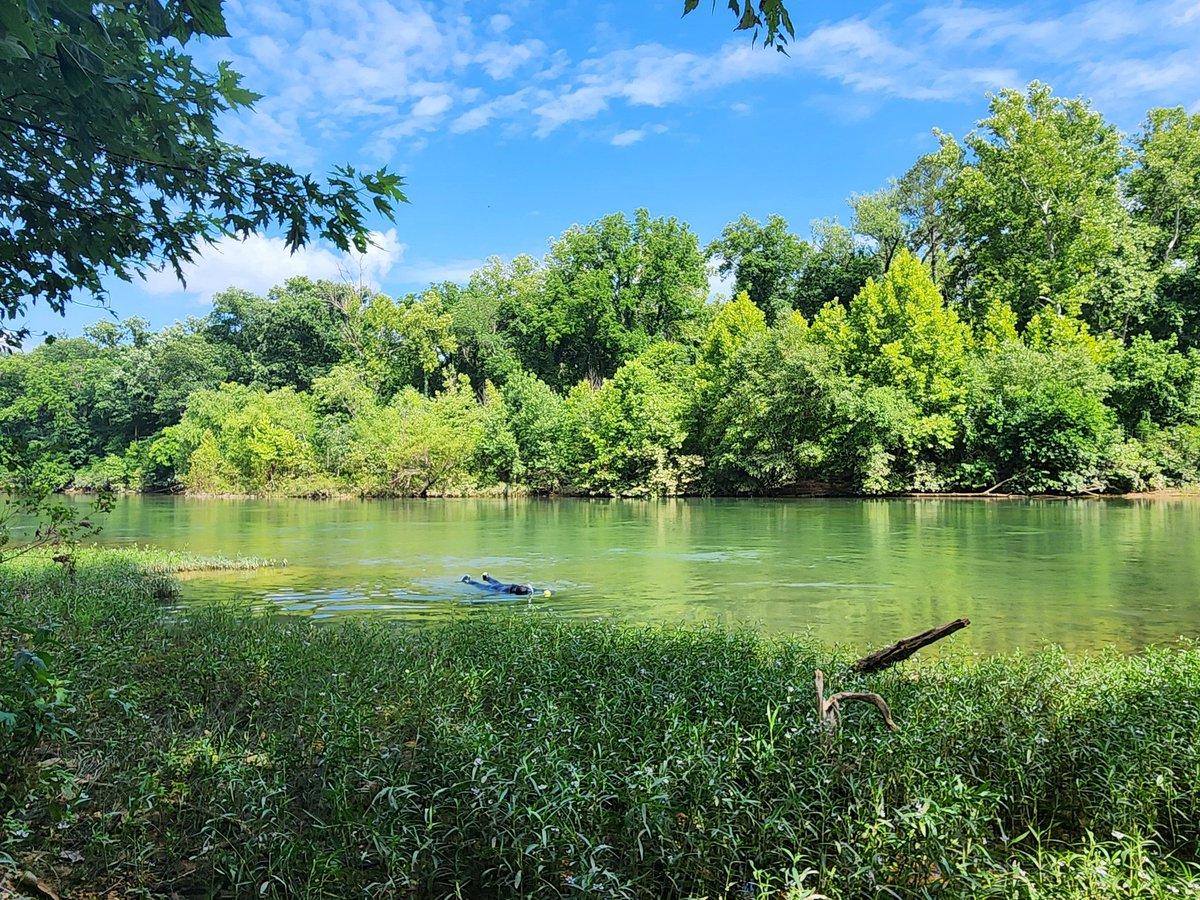
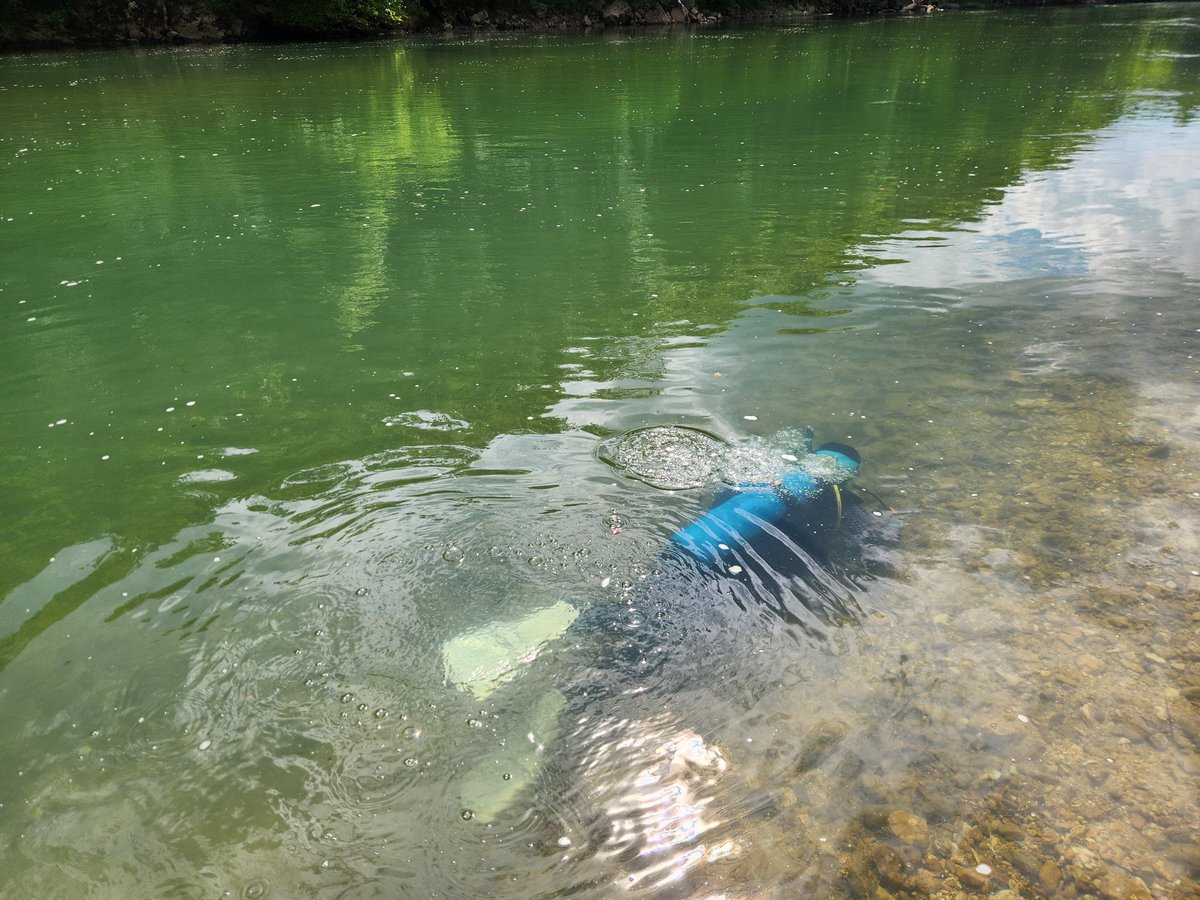
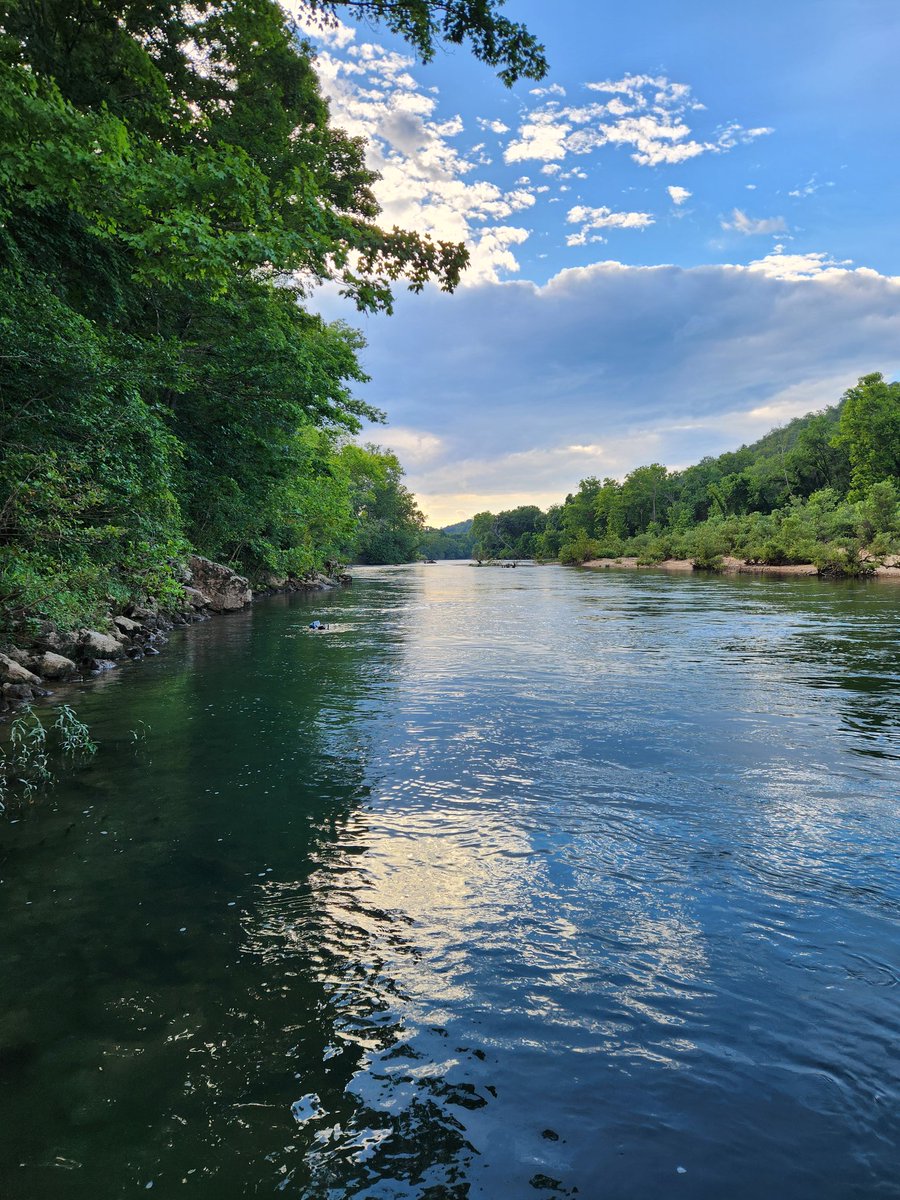
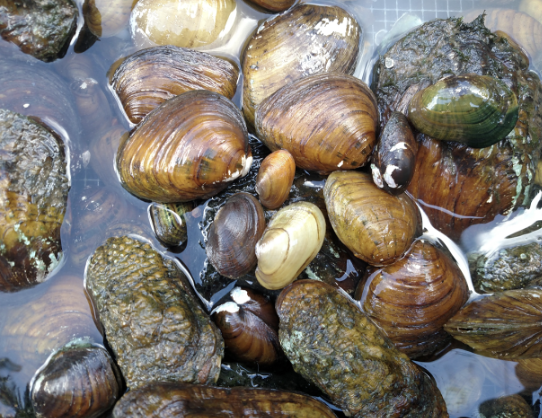
Our mussel surveys on the Current and Jack's Fork are almost wrapped up. Our lab found lots of interesting things despite the overall scarcity of mussels in the system.
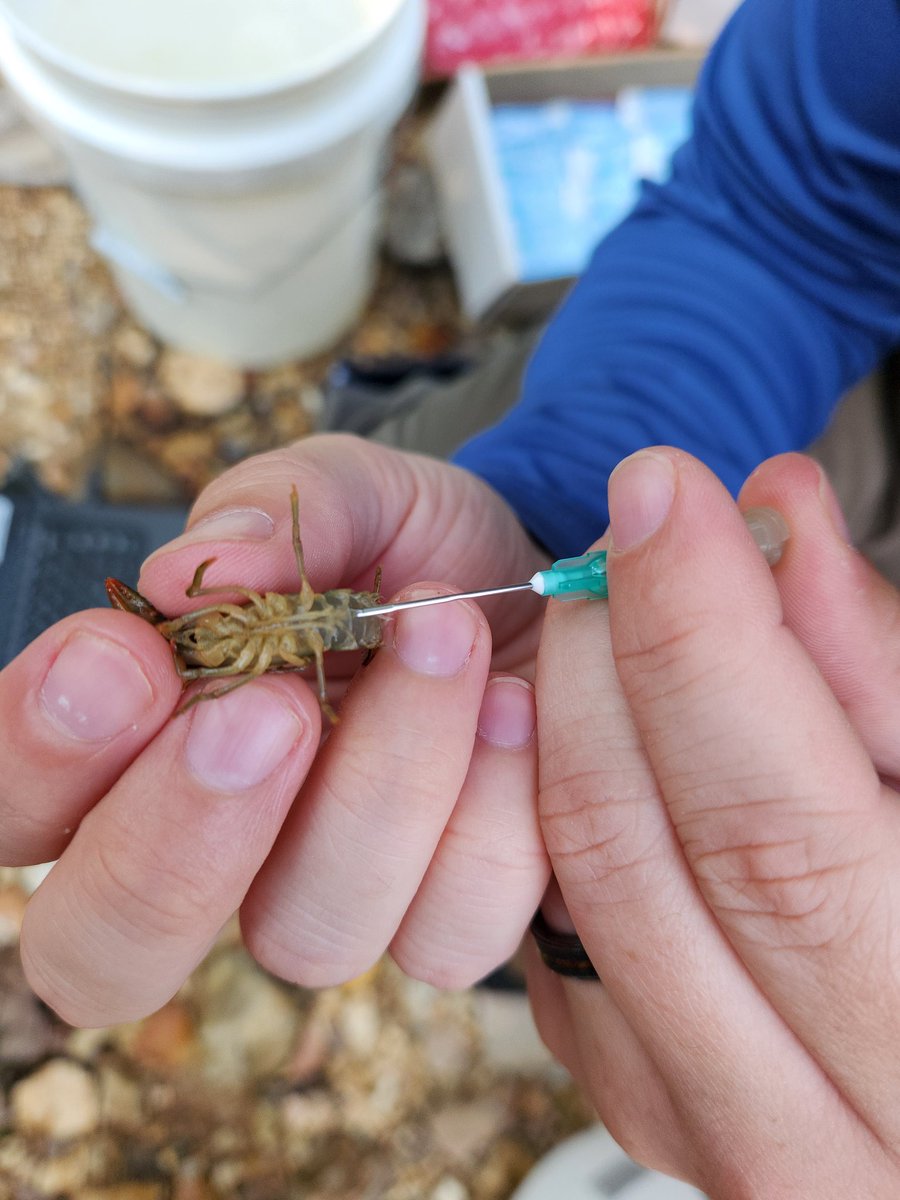
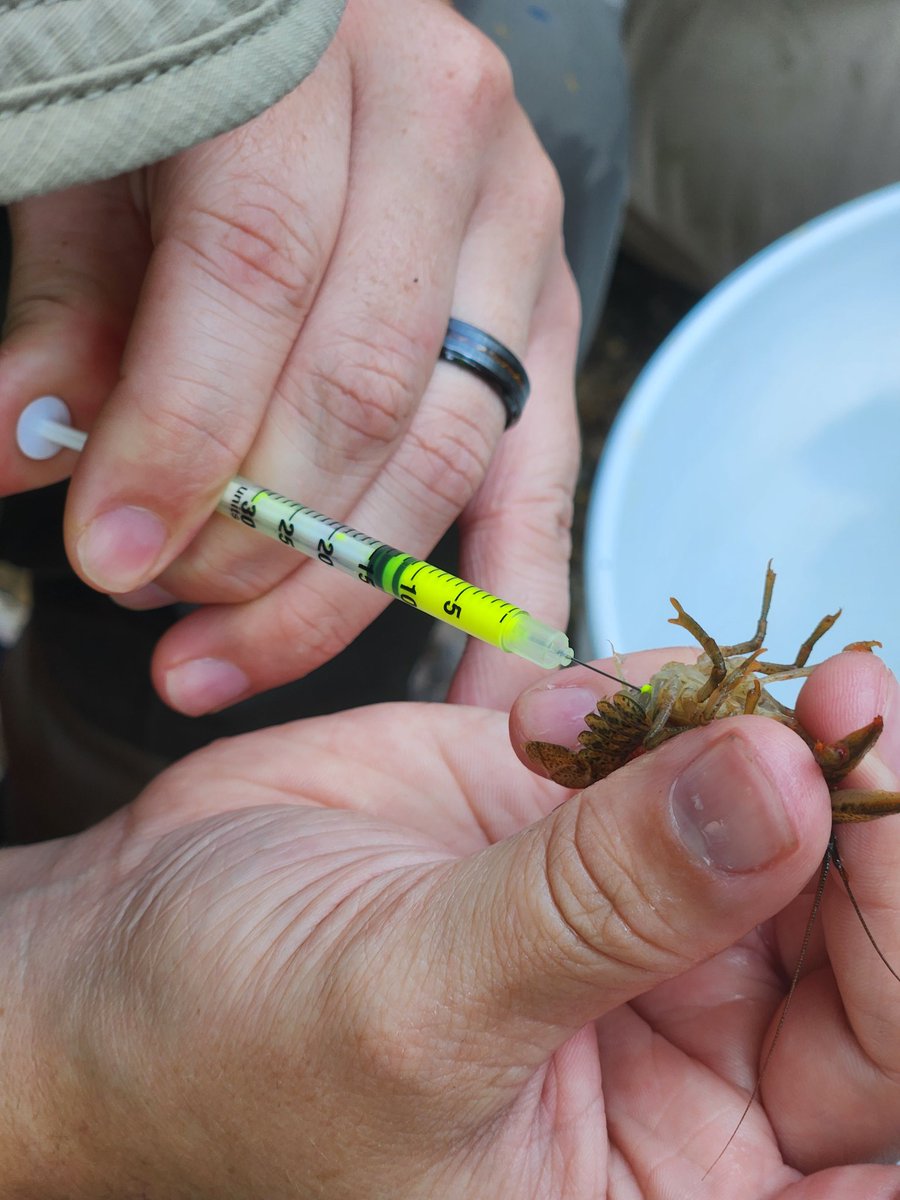
Our lab is tracking crayfish with multiple methods. We have VIE, p-chip, PIT, and radio tags out at multiple sites. The data we obtain from these efforts will shed new light on crayfish movement.
Check out the Summary of our Program's 2023 Year in Review. See our productivity, mission, cross-cutting science, DEIA strategy, and stats! Image: drake mallard by Alena Rinaldi, USGS, with permission.
https://t.co/gcaGGqvpKo
Interested in working in the Ozarks of Missouri this summer surveying rare fishes? @MDC_online is currently accepting applications online at the link below
https://t.co/L1XJQYp5wg
@DanteFenolio Very interesting approach. If you don't mind my asking, which species are you marking and who are you working with? I do some cave crayfish work in the Ozarks and this method is intriguing.
Neat opportunity for a postdoc to study climate change impacts to fish communities in midwestern national park units. Please retweet and message me if you have questions. https://t.co/4nK62E3xzm
Needing to conduct trait analysis on freshwater mussels in the USA? Led by Garrett Hopper, we (@irene1sanchez, @mud_Iark, @thepopenjay, @PhishBiologist, & others) have the resource for you that is fresh off the "press": https://t.co/P6fTtCc2SJ
This Wednesday, October 25th, Dr. Jim Stoeckel and his graduate student Nick Barnes from Auburn University will present results of previous and ongoing studies and discuss strengths and weaknesses of each approach. Learn more and register at the #linkinbio.
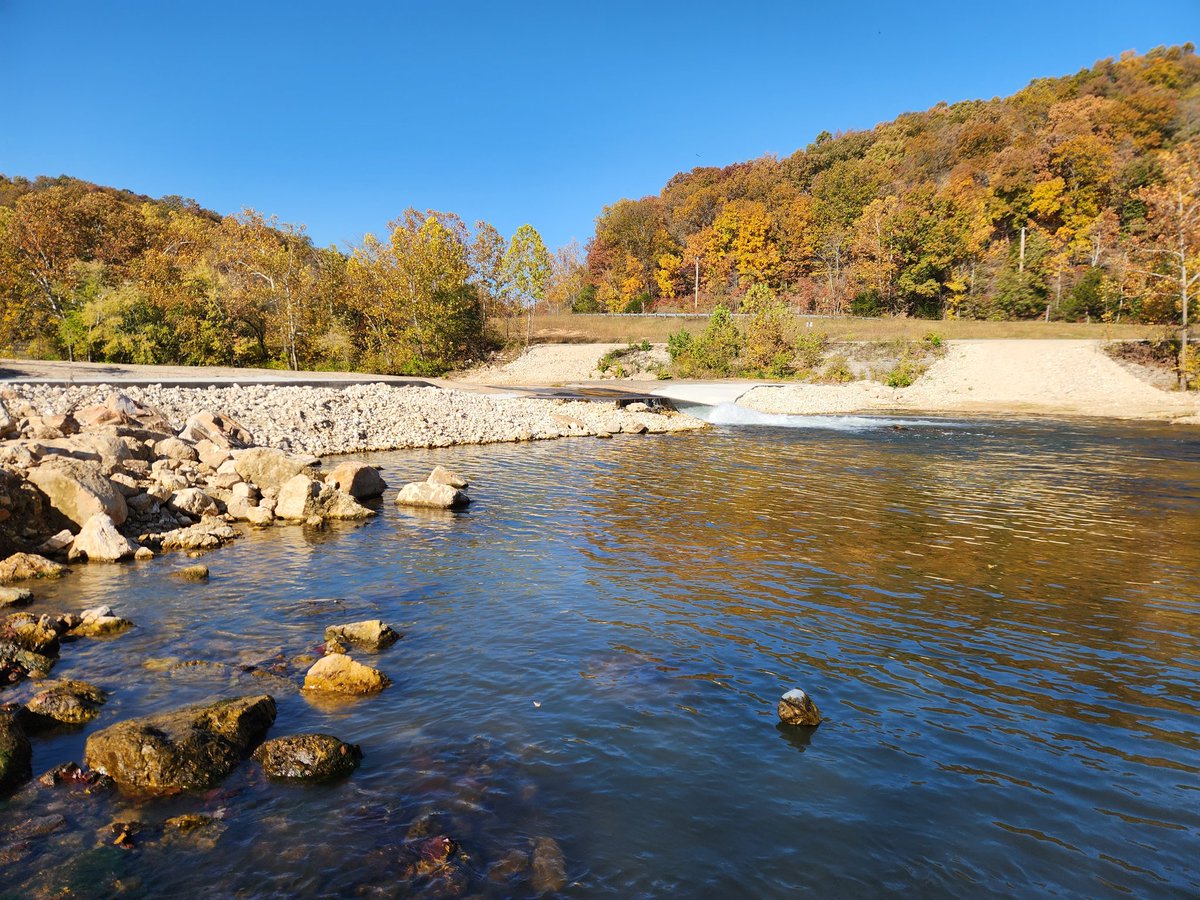
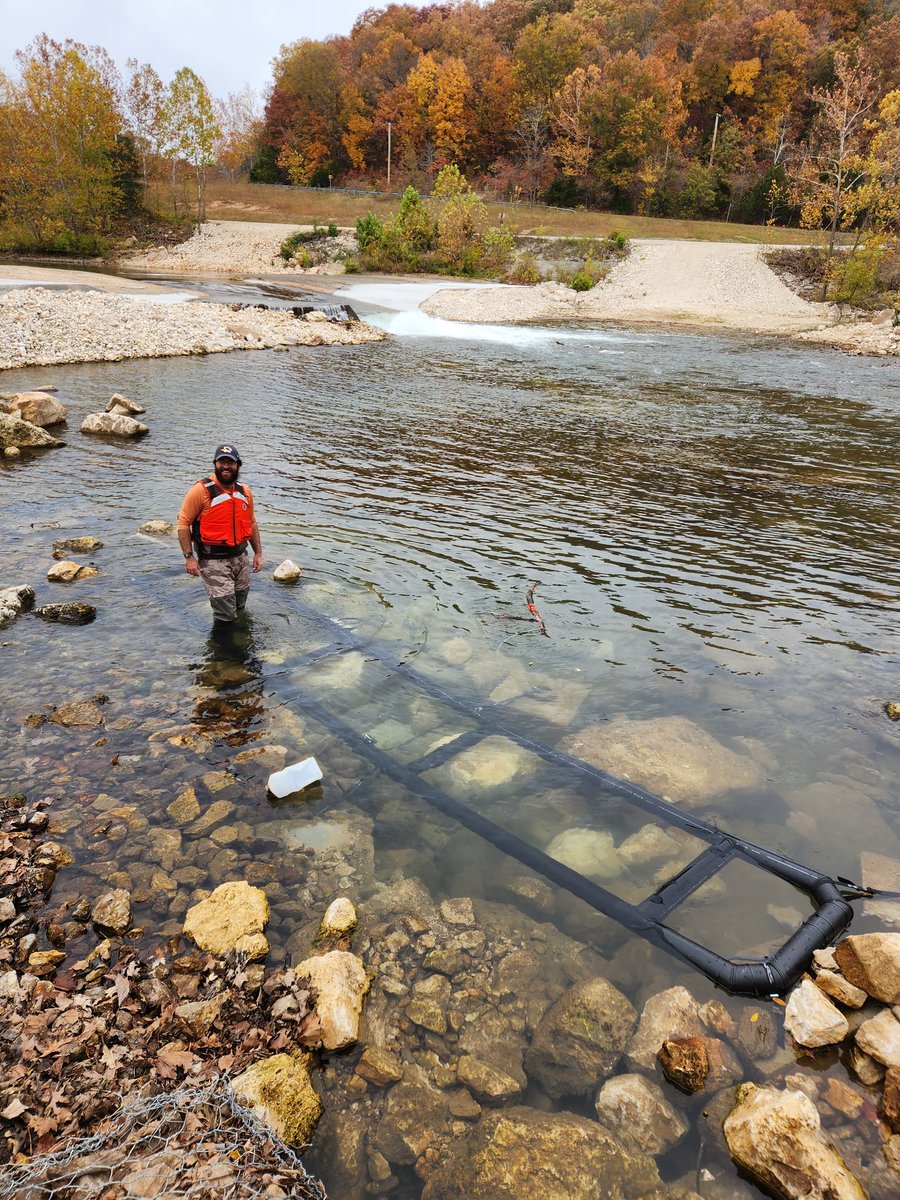
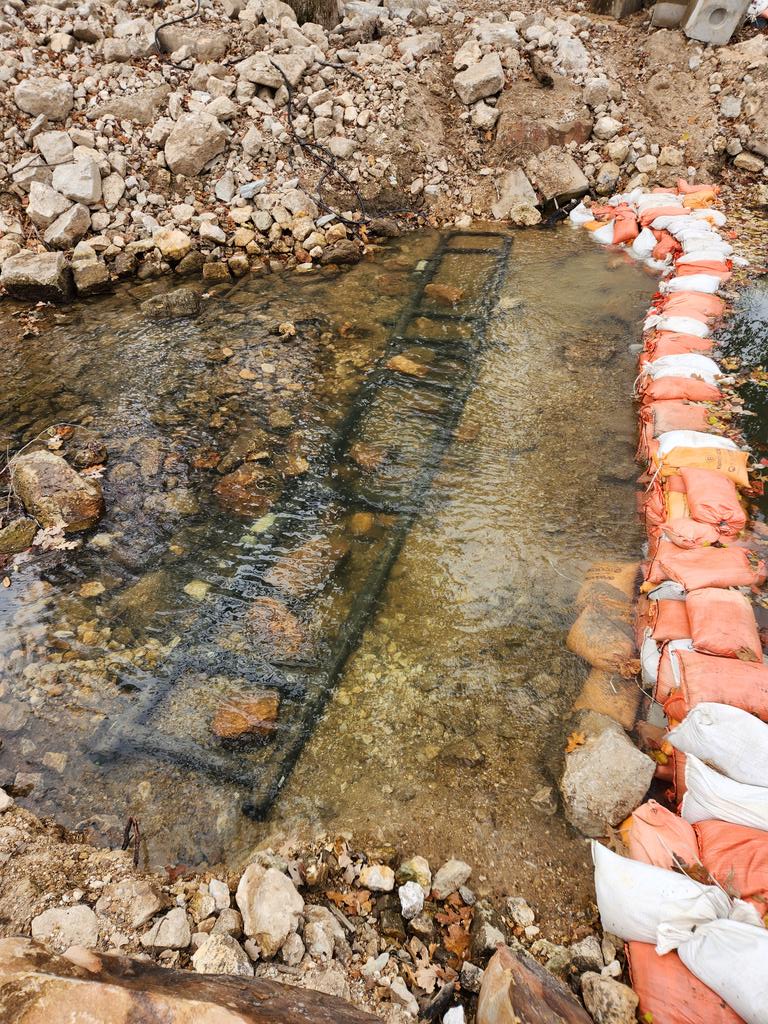
Most days I sit behind a desk and stare at a screen. But sometimes, I get to do the fun parts of science. We installed 3 PIT antennas in the Big Piney River over the last two days and I can't wait for the aquatic organism movement data to start rolling in!
A great, fully-funded MS position to work on patch-nosed salamanders @ Clemson University with Dr. Cathy Jachowski, but also working closely with our lab here at KSU. Share with folks who might be interested! https://t.co/4ZRLv6Lnny