One minute of vigorous physical activity can achieve the same 5–35% reduction in all-cause mortality risk as nearly 1 hour of light-intensity activity.
For other health outcomes, the ratio is even larger: 1 minute of vigorous activity is equivalent to 94 minutes for reducing new diabetes risk, 73–86 minutes for cardiovascular disease and major adverse cardiovascular events, and 156 minutes for cancer risk reduction.
Perhaps most striking is the lack of any apparent dose-response relationship between light physical activity and disease risk reduction, whereas a near-linear relationship is observed for vigorous and moderate activity. More is better... up to at least 90 minutes per day!
All movement is beneficial, but it's clear that moderate and vigorous movement have an outsized impact on health outcomes.
@davidasinclair Weak handgrip = up to 38% higher CVD death risk.
UK Biobank (n=420,727): men with weak vs strong grip had +38% cardiovascular mortality; in low-BMI men, all-cause +29%. Lowest risk: strongest grip (T3). Published 2017.
https://t.co/0audhGUPwj
Water from glass bottles was recently shown to contain up to 3x more microplastics than plastic bottles.
Concerning? Yes. But there's nuance. Size matters.
The plastic particles from glass bottles were larger than those found in plastic bottles (micro- and nanoplastics). Larger particles are less likely to be absorbed by the gut and enter our circulation.
I still think drinking from glass bottles is safer than drinking from plastic, especially because glass doesn't contain other chemicals like BPA and BPS.
Ideally, you should drink filtered water from your own reusable (and BPA-free) bottle.
Sleep plays a critical role in dementia development through the regulation of the glymphatic system, which is responsible for clearing neurotoxic proteins such as amyloid-β and tau from the brain. The glymphatic system is most active during deep non-REM (N3 or slow-wave) sleep.
Disrupted or insufficient slow-wave sleep impairs glymphatic clearance, leading to accumulation of neurotoxic proteins implicated in Alzheimer’s disease and other dementias.
https://t.co/aGpXeHcPMa
Beetroot extract can reduce fatigue and enhance athletic and cognitive performance without relying on stimulants.
It boosts nitric oxide (NO) production, improving oxygen delivery and blood flow to working muscles and the brain. This translates into measurable gains in endurance, recovery, and even cognitive function—benefits comparable to other nootropics like cocoa and blueberry polyphenols.
Athletes supplementing with beetroot juice improved decision-making speed by approximately 4% under rest conditions, likely due to enhanced oxygenation of brain regions involved in motor control and focus.
@DrAndyGalpin regularly uses blood-flow enhancers like beetroot and citrulline with his athletes to support nighttime training and accelerate recovery between sessions. It's especially valuable for athletes training multiple times per day or competing at night, when caffeine could interfere with sleep.
Fewer than 50% of people consume enough nitrate-rich vegetables to sustain optimal NO levels. Supplements like beetroot juice or citrulline can help close that gap, providing both systemic and cerebral benefits through enhanced vascular function.
Tune in to episode 101 of the FoundMyFitness podcast with Dr. Andy Galpin for a deep dive into evidence-based supplements that enhance performance, support recovery, and improve training outcomes.
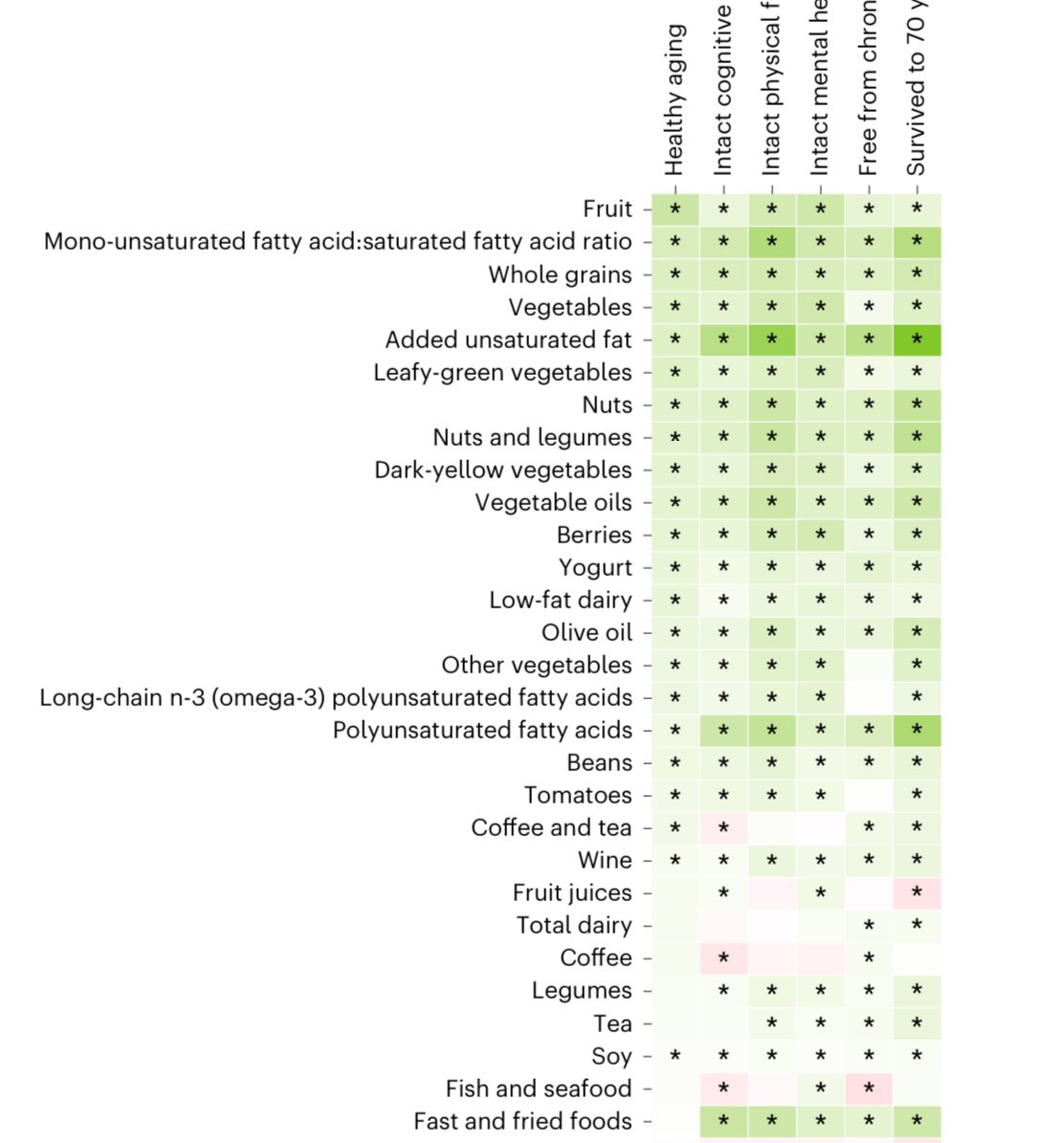
Healthy foods, not surprisingly: vegetables, fruits, unsaturated fats, nuts, legumes, omegas-3s and fish 🥦🍏🥗🥜🐟
Surprising: wine, fast food, fried food for better chances of brain health & longer life?! 🍷🍟
(Note, total alcohol is a negative…)