😘 GOLDMANN SACHS LOVE THEIR $ETH PRODUCTS!👇
Financial giant Goldman Sachs grew its Ether ETF holdings to $1.22 billion in Q3, up from $211.6 million the quarter before.
More and more institutions install crypto products, especially $BTC & Ethereum.
We are still so early in crypto depending on the total adaption in general.
So there is so much room to improve in price.
Especially when the market is in peak conditions, Tom Lee’s $BMNR will go to the moon.
Do you use ETH ETF‘s , treasuries or simple the coin directly?
1/ Another Wall Street giant moves onto Ethereum: Invesco, which manages $2.45 trillion, has launched a tokenized fund to hold stablecoin reserves.
Let me explain it for non-technical people, with examples 🧵
I'm starting to see the beginning of parabolic growth in new addresses for Ethereum L1
After Glamsterdam, Ethereum will have sufficient capacity to handle millions of new users
독일 은행이 이더리움에서 채권을 30분 만에 발행했다. 이게 생각보다 큰 변화다
얼마 전 https://t.co/JoQDyKCDff가 공공 이더리움에서 토큰화된 채권을 발행했다.
놀라운 건 시간이었다.
발행부터 결제까지 30분 만에 끝났다. DZ BANK가 투자자로 들어왔고, 실제 돈은 유럽중앙은행이 만든 Pontes라는 시스템을 통해 중앙은행 화폐로 바로 정산됐다.
예전에는 채권 하나 발행하려면 여러 기관을 거치고 확인 절차를 밟느라 보통 며칠이 걸렸다.
이번엔 스마트 컨트랙트가 발행, 이자 지급, 만기 상환까지 자동으로 처리했다. 채권은 결제가 확인될 때까지 이더리움에 묶여 있다가, 중앙은행 쪽에서 돈이 확실히 들어온 다음에야 구매자에게 넘어갔다.
쉽게 말해 이더리움이 증권의 기록과 보안을 맡고, 실제 현금은 기존 중앙은행 시스템이 처리하는 방식이다.
이게 의미 있는 이유는 단순하다.
속도가 확실히 빨라졌고, 독일 전자증권법(eWpG)을 그대로 따르면서도 중앙은행 화폐로 결제된다는 점이다.
블록체인만의 실험이 아니라, 이미 규제 안에서 움직이는 실제 금융 거래라는 뜻이다.
DZ BANK는 이전에도 비슷한 스마트 본드 컨트랙트를 테스트하면서 전통 방식보다 훨씬 빠르게 처리할 수 있다는 걸 보여줬고, https://t.co/JoQDyKCDff도 이미 블록체인 채권 발행 경험이 있는 은행이다.
둘 다 유럽중앙은행 Pontes의 초기 참여 기관이기도 하다.
결국 큰 은행들이 “언젠가 해볼까”가 아니라, 실제로 업무에 쓰기 시작했다는 신호다.
빠르고, 중간 과정이 줄고, 기록은 투명하게 남는다. 한꺼번에 금융 전체가 바뀌지는 않겠지만, 이런 사례가 쌓이면 채권 발행이나 자금 조달이 예전보다 훨씬 효율적으로 돌아갈 가능성이 크다.
30분이라는 숫자는 그 변화를 가장 직관적으로 보여주는 부분이다.
ethereum:native $BMNR
🚨 NEW: Federal Reserve Governor Christopher Waller just said "a convergence between blockchain technologies and established markets is clearly under way."
Speaking today at The Clearing House Annual Conference, he pointed to stablecoins, tokenized deposits, and tokenized stocks and bonds.
People need to know that when financial systems fail, banks go offline, financial records are compromised, and essential services are disrupted, a credible alternative already exists.
They need to know this before the inevitable calls for a new financial system begin. One that promises greater security and stability, but demands greater centralized control, surveillance, and restrictions on financial freedom in return.
People need to know that we don't have to make that trade-off.
There is already a decentralized, globally accessible financial infrastructure that has operated since 2015 with 100% network uptime. A system built on cryptographic security, independently verifiable records, and open access, without depending on any single government, bank, or institution.
A system already supporting over $130 billion in dollar-denominated stablecoins, alongside billions more in tokenized securities, U.S. Treasuries, commodities, and other financial assets.
That system is Ethereum.
And it has a native asset, ETH, whose issuance is governed by transparent, verifiable protocol rules rather than the discretionary decisions of central banks. An asset fundamental to securing and operating this emerging internet of finance.
This is not some hypothetical technology awaiting development or a theoretical alternative still struggling to prove its viability.
It is an operational global financial infrastructure, and some of the world's largest institutions are already using it:
BlackRock — Tokenized investment funds and U.S. Treasuries.
JPMorgan Chase — Tokenized deposits and institutional financial products.
Fidelity — Tokenized Treasury funds and stablecoins.
Robinhood — Ethereum Layer 2 for tokenized equities and financial services.
Deutsche Bank — Ethereum Layer 2 for institutional asset tokenization.
Sony — Soneium, its own Ethereum Layer 2.
UBS — Tokenized money market funds.
Visa — Stablecoin settlement infrastructure.
PayPal — PYUSD, its dollar-backed stablecoin.
Franklin Templeton — Tokenized investment funds.
These are just ten examples among dozens of major financial institutions and a much broader ecosystem of corporations and developers building on Ethereum.
This is no longer an experiment. It is the foundation of an emerging global financial system.
And its significance extends far beyond cryptocurrency, speculation, or the price of ETH.
This is about financial sovereignty. The integrity and permanence of financial records. The ability to own and transfer assets without depending entirely on centralized intermediaries.
Most importantly, it is about recognizing that greater financial security does not have to come at the expense of financial freedom.
Before the next financial crisis is used to justify surrendering even more control over our financial lives, the world needs to know that an alternative already exists.
That alternative is Ethereum, and its native asset is ETH.
Cyberattacks
Congress needs to act quickly and approve the Clarity Act.
Expedite the tokenization of all financial markets on Ethereum.
Ethereum never goes offline
🚨 $2.45T Asset Manager Invesco Launches Tokenized Treasury Fund on Ethereum
Invesco, which manages approximately $2.45T in assets, has launched its Invesco Stablecoin Reserves Onchain Fund (IROXX) on Ethereum.
Here's why it matters:
1/ What Does the Fund Hold?
IROXX is a government money market fund investing in cash, short-term US Treasury securities (93 days or less), and overnight Treasury-backed repos.
It targets a stable $1 NAV and is designed to support stablecoin reserve management.
2/ Ownership Recorded On-Chain
Unlike traditional funds, IROXX records its official shareholder register on Ethereum.
Fund ownership and share transfers are represented through blockchain-based tokens, with Superstate supporting the recordkeeping process.
3/ Why It Matters
Invesco is another major asset manager bringing traditional financial products onto public blockchains.
JPMorgan previously launched its JLTXX fund on Ethereum in May.
Ethereum is increasingly becoming infrastructure for institutional finance, with tokenized Treasuries and money market funds moving on-chain.
SOUTH KOREA'S 30 MILLION-USER FINANCE APP PICKS ETHEREUM
Toss has confirmed plans to launch a self-custody crypto wallet inside its existing app this week.
🔹 ETH, USDT and USDC supported
🔹 Transfers directly on Ethereum
🔹 Send crypto using phone contacts
No separate wallet app required.
Toss already has 30 million registered users, giving Ethereum access to an established mainstream financial audience.
A $260 BILLION ASSET MANAGER IS USING ETHEREUM AS AN OFFICIAL LEGAL REGISTER
“We've now sort of promoted Ethereum to be an official source of records for ownership of regulated funds in the UK.”
Ian Wallis of Baillie Gifford, founded in 1908, explains the milestone achieved alongside BNY Mellon and UK regulators.
🔹 No separate vehicle
🔹 No off-chain ownership register
🔹 The token itself represents legal ownership
With those on-chain records extending into Hong Kong and Singapore, public Ethereum is becoming core infrastructure for regulated global capital markets.
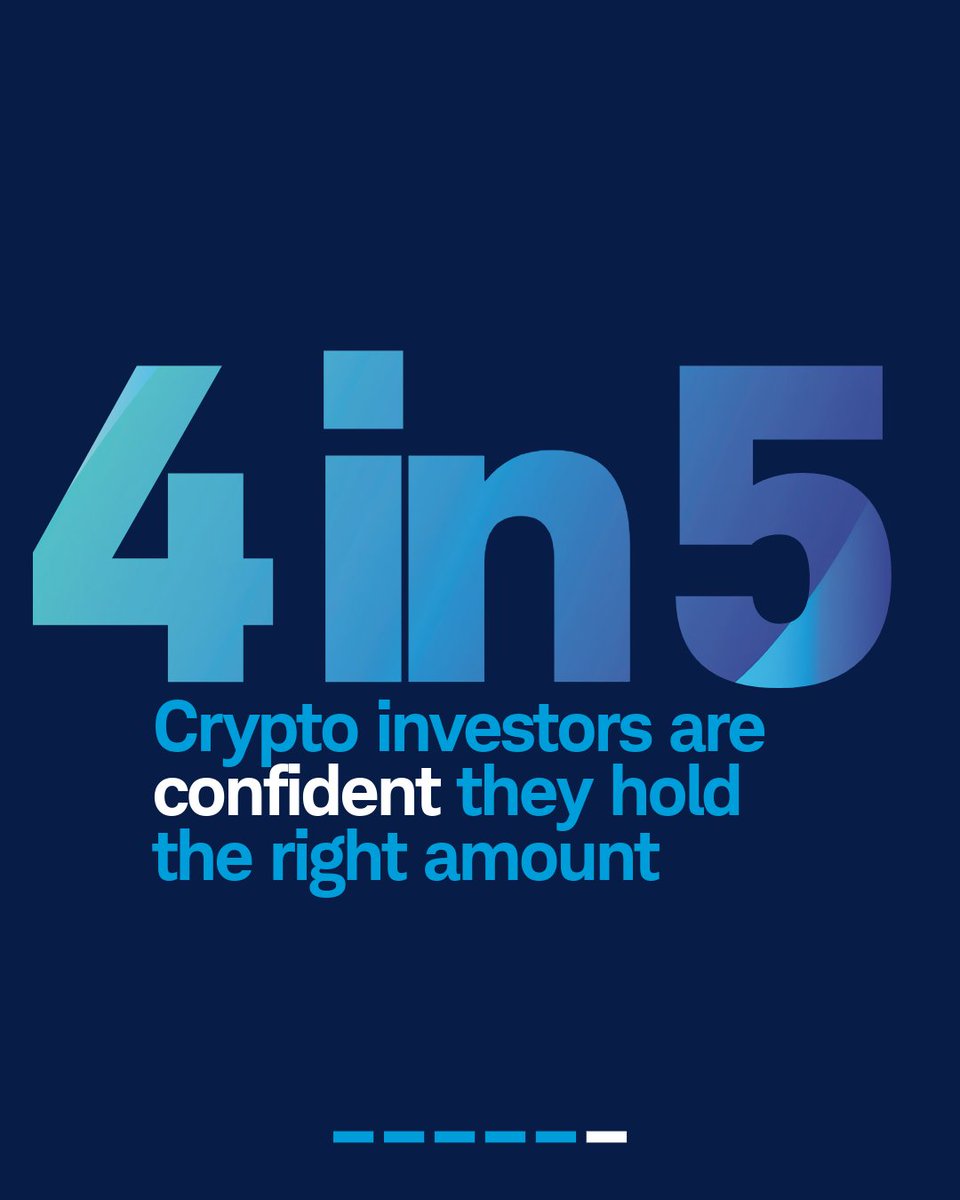
Cryptocurrency is gaining a broader role in many Americans’ investment journey, according to Charles Schwab’s 2026 Modern Wealth Survey.
Click here to learn more key findings about digital assets: https://t.co/ctISoVxpsy
Are the Democrats about to become pro-crypto??
BREAKING: House Democrats reportedly want to revive the CLARITY Act and progress a crypto market structure bill next Congress, per journalist @EleanorTerrett.