Scorpio. .Health Student. Studied at St Henry’s College Kitovu, St.Andrea Kahwa’s College Hoima. Health facts and discoveries .Man U all the way! News-savvy
👋Hello , This is Armstrong a Medic student passionate about health. This space will share simple facts,tips and discoveries on diseases that affect Uganda most. From Malaria to hypertension ,let’s learn and stay healthy together.🩺👨🏾⚕️🇺🇬#UgHealth
💙 Men, you don't have to carry everything alone.
Financial pressure, family responsibilities and everyday stress can take a toll on your mental health.
This International Men's Day, we're reminded that asking for help is a sign of strength.
You are seen. You matter. You are not alone. 💙
#MengoCares #InternationalMensDay #MensMentalHealth #Movember
Pneumonia was the leading cause of death in Uganda during the 2025/2026 financial year, claiming 3,215 lives, ahead of malaria, hypertension and road traffic injuries, according to a new Ministry of Health report.
#VisionUpdates
https://t.co/6ZOZALX08r
🚨🗣️ Garry Neville: “If I was Mauricio Pochettino now, I would be literally PROTECTING myself up to the high heaven.
“He'll do that with a pay-off. So do that in your contract. But secondly, he needs TWO defenders in January. So he's got to insist that he gets two defenders in January.
“He's got to insist that he gets a minimum BUDGET next summer for the transfer we're not to be able to turn this around. He's got to insist that he gets a budget that follows.
“They have to give it to him or else he shouldn't take the job. I mean look the back four that he [Carrick] finished with on Sunday was Dalot left back, Mazraoui right back, Leny Yoro and Ayden Heaven.
“That is probably the worst back four in the Premier League. I don't know a back four that is worse than that in the Premier League right now if I watch it.
“That is I can't believe Manchester United have ended up with that back four.” #MUFC [@WeAreTheOverlap, @MailSport]
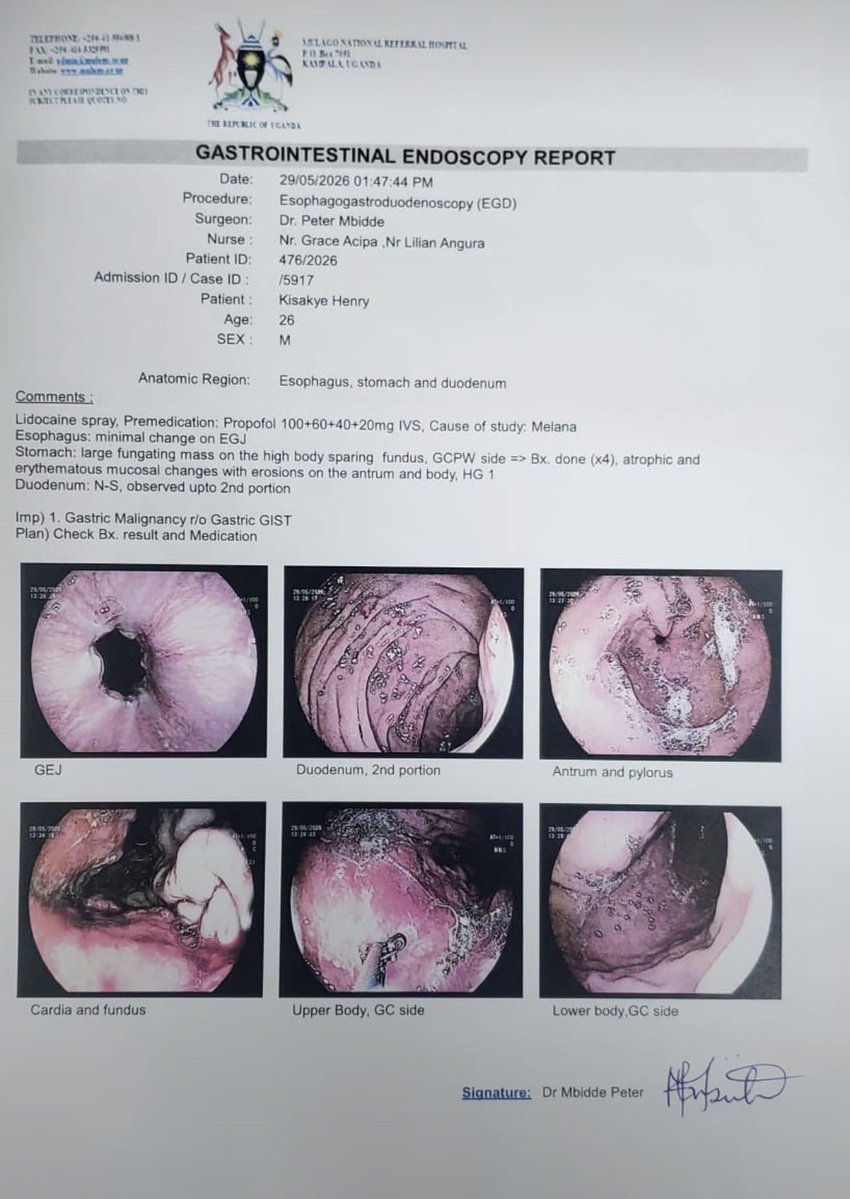
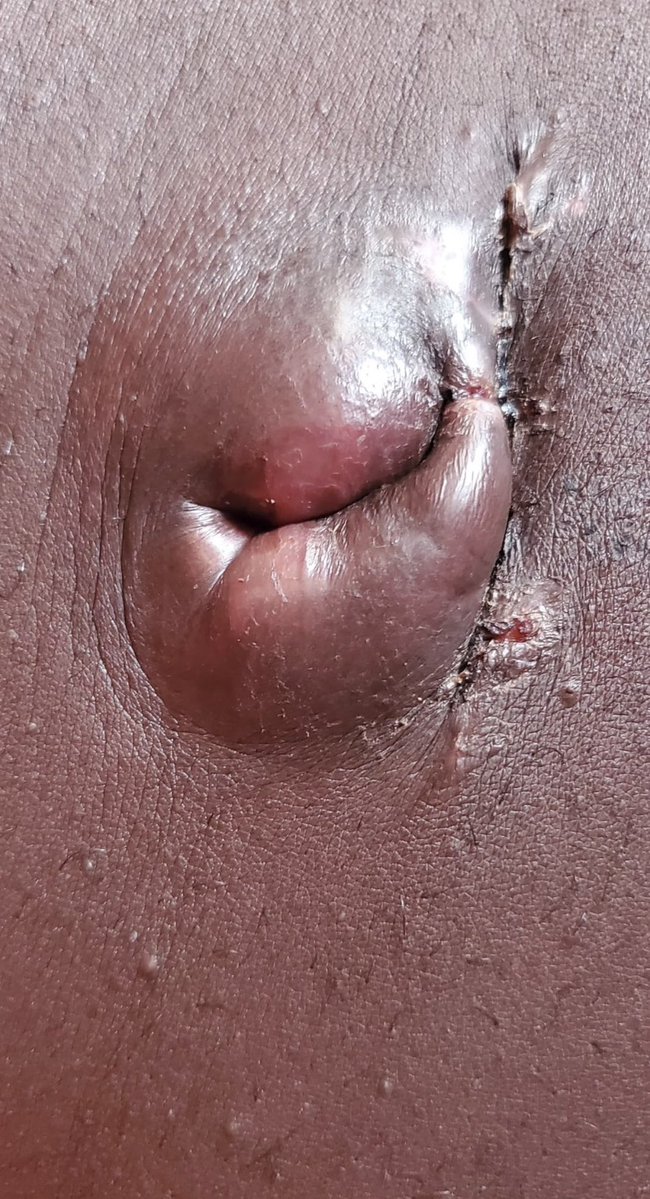
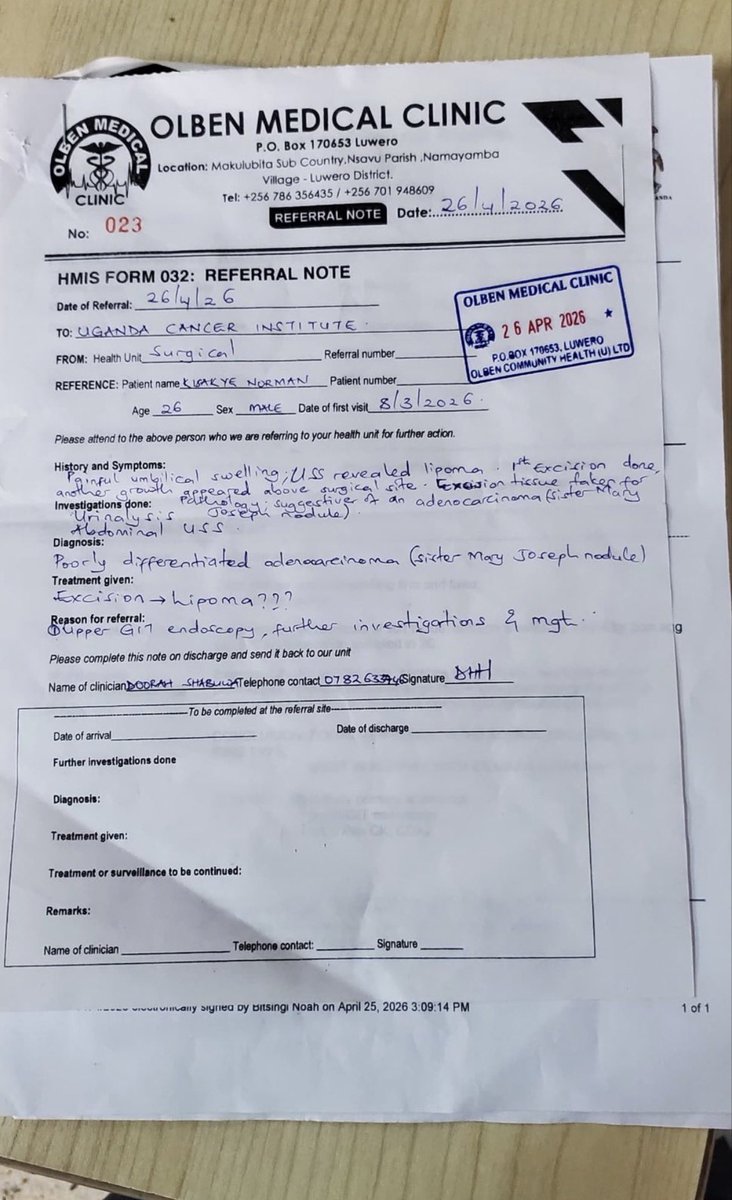
At just 26 years old, Henry is fighting for his life instead of living the future he worked so hard for.
A Medical Clinical Officer and the eldest of six children, Henry dreamed of supporting his family. But stomach cancer has taken away his ability to work and put his life on hold.
His family has sacrificed so much, even selling land to raise UGX 7 million. Yet UGX 8.5 million is still needed for his urgent surgery.
We are asking you to help save Henry’s life. 🙏
PUBLIC FOOD SAFETY ALERT: Experts Warn of Dangerous Pesticide Residues on Tomatoes and Fresh Produce
MAAIF, in partnership with CABI and KCCA, has today launched the second phase of a nationwide campaign to raise awareness about the dangers of pesticide residues on tomatoes and other fresh produce.
The campaign, launched at Hotel Africana, Kampala, is being implemented under the theme “Wash Well, Eat Well, Stay Healthy.”
The Permanent Secretary of MAAIF, Maj. Gen. David Kasura-Kyomukama, represented by Mr. John Mwanja, Assistant Commissioner for Agro-Chemicals, urged farmers, traders, and consumers to adopt safe pesticide-use practices to protect public health.
“Farmers should always read and follow pesticide label instructions before application and avoid contaminating harvested produce and also adhere to stipulated pre-harvest intervals of the pesticides in use. Some pesticides are highly hazardous and can pose serious health risks to consumers,” he emphasized.
The PS further reiterated that MAAIF has established guidelines to regulate pesticide use and warned against the unsafe application of chemicals on fresh fruits and vegetables, noting that those who violate these regulations risk legal action.
Running from November 2025 to February 2026, the campaign will build on the successes of the first phase, which featured the ‘Spray Smart, Eat Safe’ interactive radio programme on Radio Simba and Buddu. The initiative engaged communities through radio talk shows and audience polls focused on pesticide safety, food handling, and consumer awareness.
The campaign seeks to improve knowledge and adoption of safe pesticide-use practices among farmers, agro-input dealers, traders, and consumers, promoting safer food systems and healthier communities across Uganda through a Social and Behavioural Change approach.
10 risk factors you can modify to lower your cancer risk.
1. Obesity
2. Smoking
3. Not exercising
4. Excess Alcohol
5. Sugar & Soda
6. Charred meat
7. Deep fried foods
8. Scalding hot drinks
9. Processed meat like sausages
10. Working too late or for too long at night