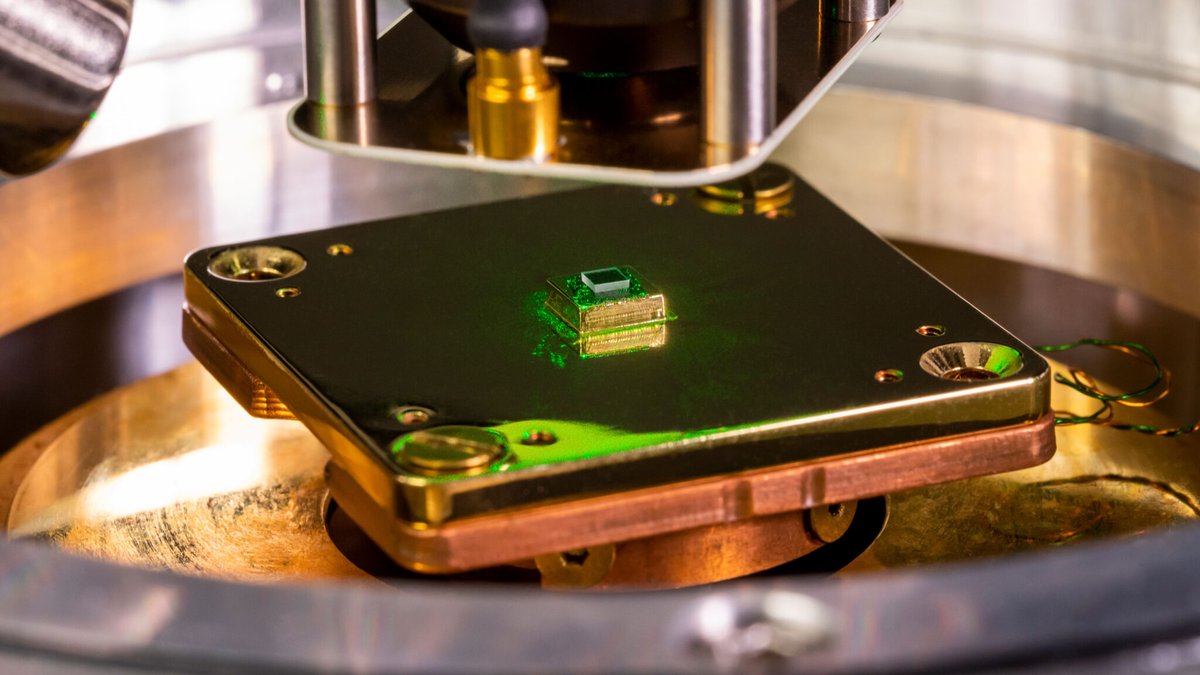
"Noise" may be more than a nuisance, if you know how to listen to it. @Princeton & @UWMadison researchers have found a better way to measure electromagnetic noise in a material, which could help them study materials with bizarre quantum behaviors: https://t.co/p6a5rXvrW7
Live from @JHUAPL: Follow the real-time journey of the #DARTMission spacecraft towards its planned impact with a non-hazardous asteroid Dimorphos in the world’s first planetary defense test. https://t.co/315O4ltodl
Human eyes only see the world through the very narrow 'visible spectrum' of electromagnetic radiation. But not all creatures see the world in the same light. Quite literally.
Bees for example can see shorter wavelengths and for them flowers look even more spectacular 🧵1/12
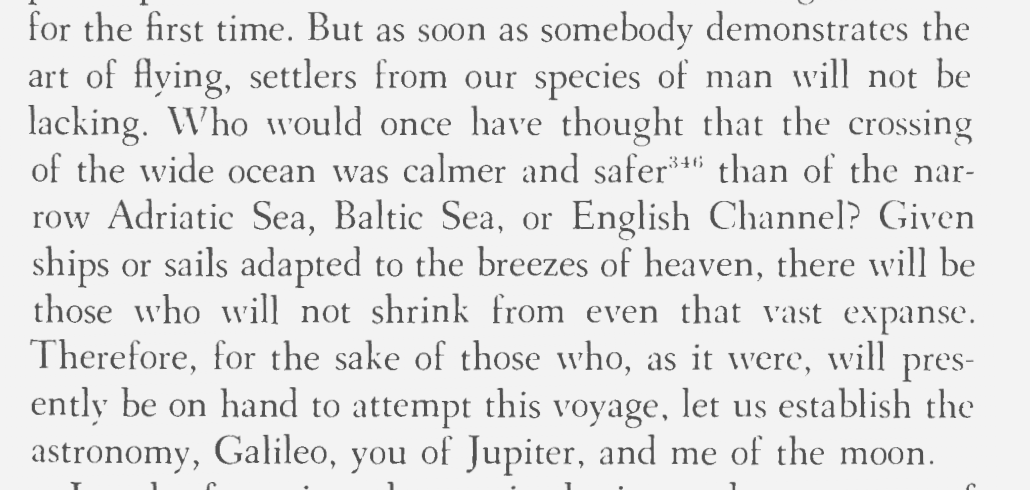
This is Johannes Kepler in a letter he wrote in 1610 telling Galileo that they need to do more telescopic observations of the Moon and Jupiter before spacecraft missions start visiting those planets. Yep, this conversation actually happened...in 1610 🤯
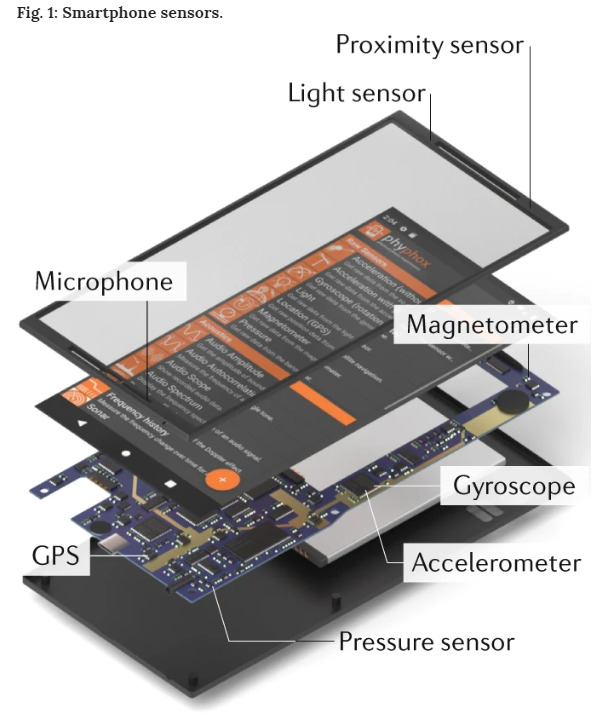
With the right app, smartphones are a powerful tool for teaching physics: read the In The Classroom article by Christoph Stampfer, Heidrun Heinke & Sebastian Staacks about #phyphox, and discover new ways of learning and teaching physics! https://t.co/nObnXY95fx @rwth_phyphox
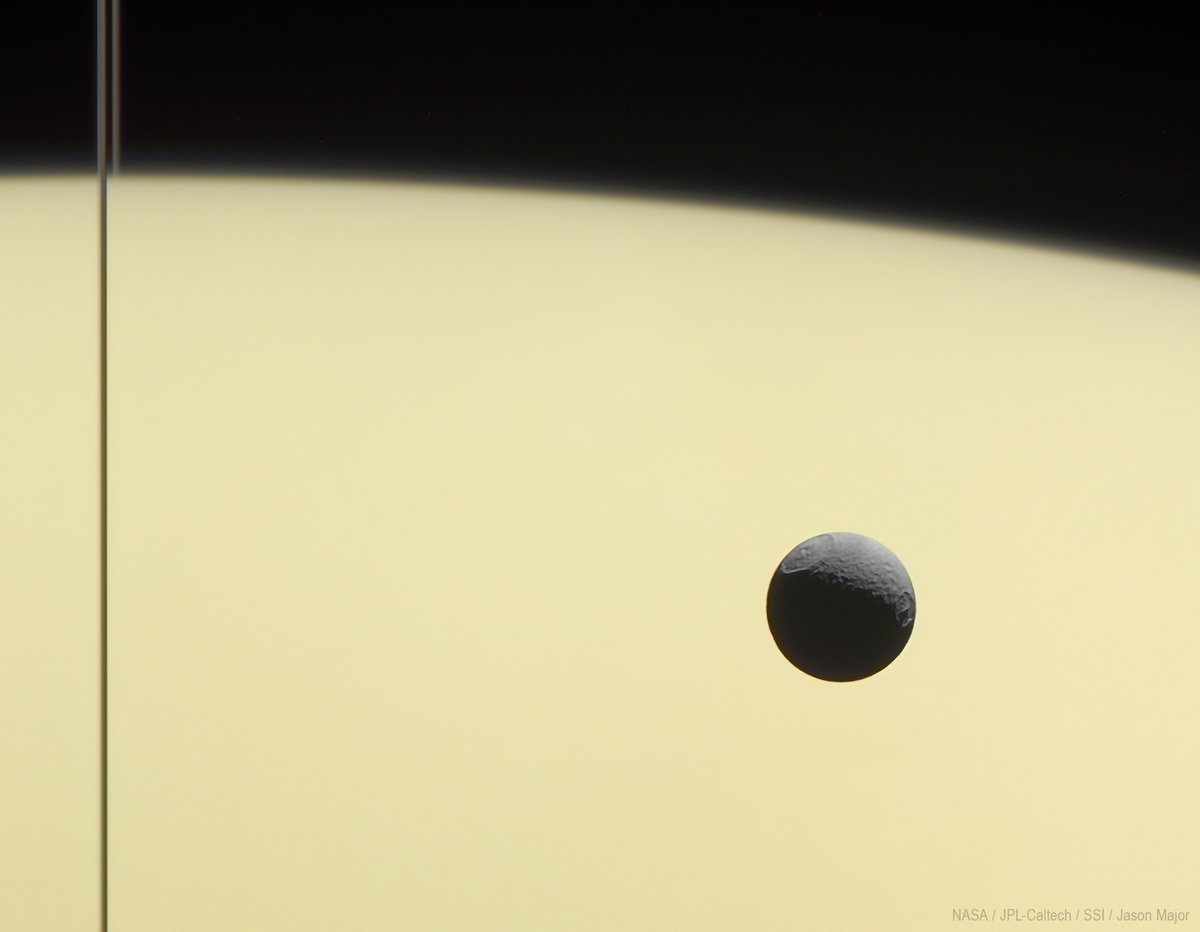
Saturn's moon Tethys (1,076 km wide) imaged by #Cassini in front of Saturn on December 3, 2005. North is to the left in this view, the rings are seen on edge along the side.
Researchers from LLNL, @LosAlamosNatLab and @NASAGoddard have found that massive asteroids can be deflected using a nuclear device. Contrary to pop culture, the key is to not hit the asteroid but instead vaporize a thin surface layer.
Learn more → https://t.co/eVbhMPsRWW
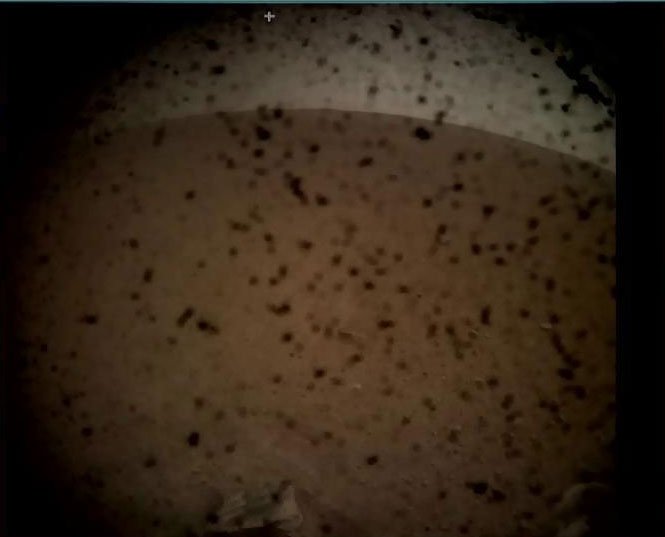
📸 Wish you were here! @NASAInSight sent home its first photo after #MarsLanding:
InSight’s view is a flat, smooth expanse called Elysium Planitia, but its workspace is below the surface, where it will study Mars’ deep interior.
Get outside tonight! #Mars hasn't been this close since 2003, and won't be again for the next 269 years 🌔
MARS FACT: LLNL #simulations help us see how Mars' moon Phobos got its mega-crater (making it look like the #DeathStar) ➡️
https://t.co/YJ7s7TyhpO #MarsCloseApproach
But I've heard very, very little about field finding. And I believe field finders are (a) incredibly valuable for science; and (b) dramatically undervalued by existing institutions.
How about a bit more #quantum#awesomeness to brighten your #Friday? Here's an image of a rotating crystal of #trappedions where we strobe the camera in such a way as to watch the crystal rotate. Yes, each fuzzy blue dot is one atom. #BOOM @ARC_EQUS @Sydney_Science
Explanation for puzzling quantum oscillations found: so-called quantum many-body scars allow quantum systems to stay out of equilibrium much longer | Study published in @NaturePhysics at https://t.co/lEMPHR1O0M
Two new time crystals in…
ordered spatial crystal https://t.co/qPvlvBYLMD https://t.co/Vx9m8uzuHQ
star-shaped molecules https://t.co/JwzvF5zCXD
Synopsis https://t.co/bofbV3RY9l