Growing up in Silicon Valley, I believed tech was meant to democratize opportunity and accelerate human progress. The early ethos of the Valley wasn’t just about building profitable products, but about shifting the trajectory of lives and societies. There was idealism, for sure, but also a serious belief that technical breakthroughs should serve human success.
But somewhere along the way, parts of the industry traded vision for vanity. As capital flooded into tech, incentives shifted. Virality began to outpace value. The goalposts moved from solving hard, important problems to maximizing engagement, retention, and monetization.
Today some of the brightest minds are pulled towards optimizing ad clicks and frictionless dopamine loops. Why? (Insert disclaimer: The issue isn’t the people).
Innovation isn’t dead. (Insert disclaimer again: Many technologists are building remarkable human-centered tools.) It’s worth asking again and again: What is worth building? And who is it truly for?
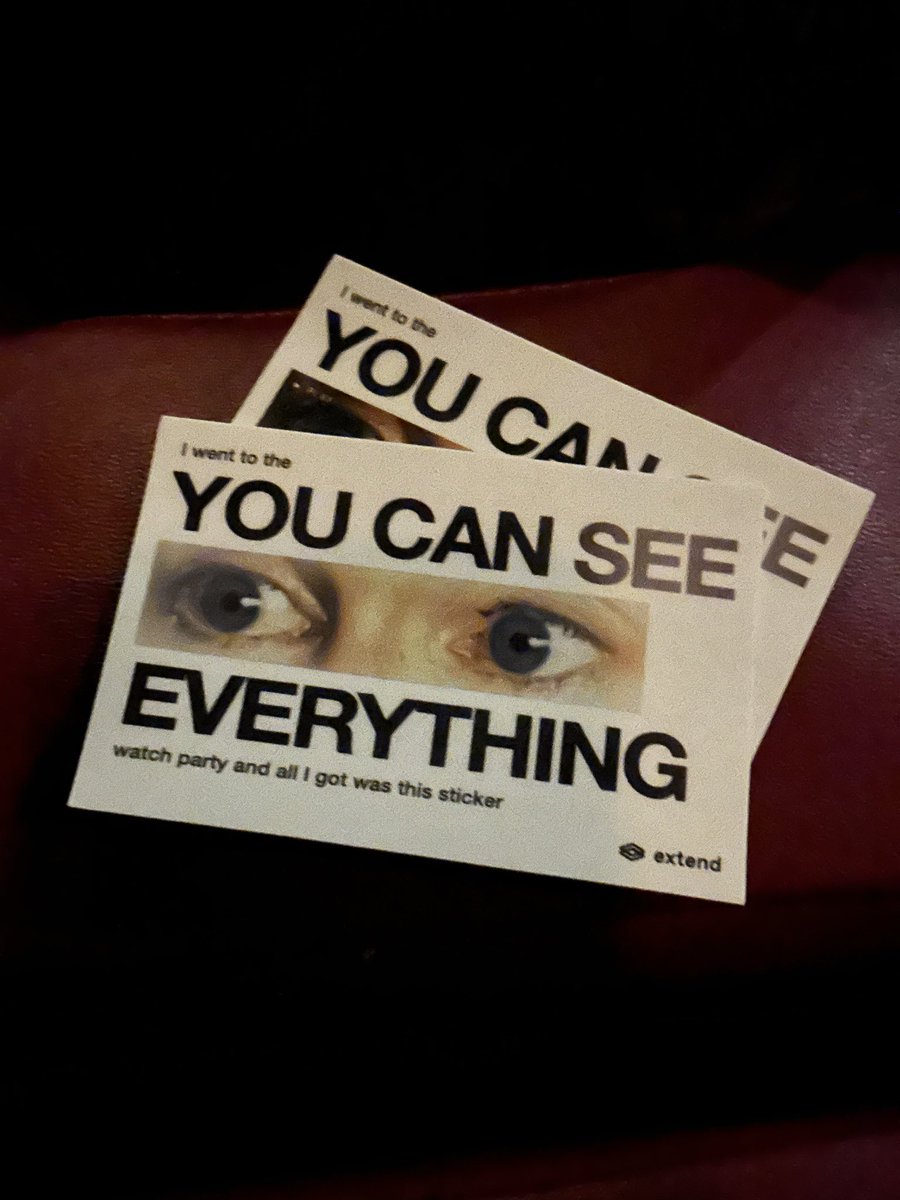
In San Francisco, you can't just watch a new movie.
You’re invited to a VC funded screening.
You wait to see if you get off the waitlist.
You text your friends to see if they're going to the same one and no, not that other one that everyone else went to.
You thank the startup (ty @ExtendHQ!) for hosting.
You post online that You Saw Everything to humble brag that you went a watch party.
This is exactly what the book The Inner Game of Tennis talks about
The mind that’s trying to not lose is a different mind than the one that has nothing to lose
It’s what makes Alysa Liu and Erling Haaland so fun to watch - they compete like they have nothing to prove, so nothing gets in the way
hm idk if i was a pathological liar and master manipulator and i knew the most common tell for liars is avoiding eye contact id probably practice not blinking to the point where i accidentally overcorrect