This post is about why well-trained milers still fall apart late in races, and what actually fixes it. Not more grit. Not more mileage. Better permission. https://t.co/jMOyC3vFVZ
@KidRock Credibility. You built your brand on “real,” then delivered a pre-packaged performance and blamed cameras when we noticed. Milli Vanilli vibes: track first, excuses second. That’s accountability. County fair headliner energy, not Super Bowl halftime. Quit trying so hard. Go away.
My first Substack is live.
Why well-trained milers still fall apart late in races, and what actually fixes it.
Not more grit. Not more mileage. Better permission.
https://t.co/YtnLyViaNj
@nntaleb This paper classifies accelerometer-based activity intensity in older adults. It does not define physiological training zones. Steve pointed out that mismatch. You answered with insults. That’s not antifragile thinking, that’s avoiding a correction. @stevemagness
Taleb is making a big mistake interpreting this paper.
This paper doesn’t test zone 1-2 vs. 3-5 or easy vs. intense exercise.
It defines vigorous exercise as equivalent to jogging at 15 minute mile pace…
For the uninitiated, you can walk at that pace…
The actual findings of the paper: any type of exercise, be it easy or hard is more efficient than a slow walk, at providing health benefits.
Great. No brainer. But it says nothing about whether a slow jog is better or worse than some hard intervals. It doesn’t test this. Even though folks are quick to try to say it does.
All it says is: what nearly everyone would define as exercising is better than causal movement.
I’ve seen several other folks get this wrong.
It’s why definitions are so important here. Because the non-expert sees “vigorous” and assumes it’s hard exercise. When in this study it is literally a walk in the park…
It’s a fine study. But it backs up zero of the claims that are being attached to it on social media.
@nntaleb@stevemagness Those bins are relative movement categories, not physiological training zones tied to VO2 max, LT, or ventilatory thresholds. Mapping that to Z1–Z3 training language is an interpretation the paper does not make.
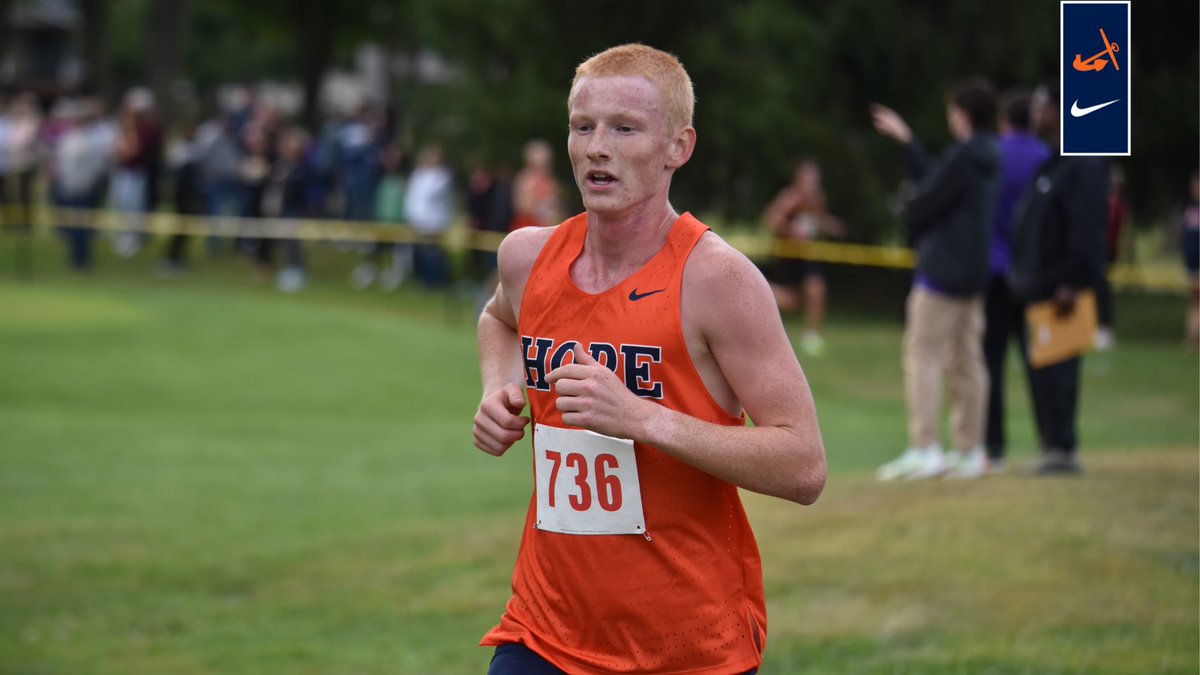
Two states, two strong runs for the nationally ranked Hope College men's and women's cross country teams on Friday. The Flying Dutchmen posted the highest NCAA Division III finish at the 12-team Eye Opener X-C Meet hosted at the Roger Milliken Center in Spartanburg, S.C., site of this season's NCAA Division III Championships. Hope, No. 23 in the USTFCCCA preseason poll, also topped the five-team field at the Comet Open hosted by The University of Olivet. Read the recap on the Hope Athletics website. #d3xc
One of the clearest breakdowns of the new NIL Executive Order I’ve seen. Must-read for coaches, athletes, and parents. Props to Andrew Simmons for cutting through the noise.
https://t.co/6qK0qa2JBR
Vigil was a legend. And willing to help anyone.
When I was struggling in college, I went to a clinic he spoke at.
I briefly introduced myself before the talk. He told me to find him after.
He took me to eat and spent 2 hours telling me how to adjust training, the mental game and that he believed in me.
I’d never met him before that. A wonderful man. And one of the coaches who revolutionized training. He combined the art and science brilliantly.
Raw splits don’t capture race dynamics. Scoring tables like Mercier account for fatigue curves, aerobic demand, and the reality that running 13:58 solo with no pacers is a different physiological challenge than 3x 4:04. Hanson’s spot-on… this performance was elite.”
I’m not trying to create any beef but Mercier Scoring tables says that 13:58 for 5000 is equivalent to 4:04 in the Mile. That was run with legal shoes. It was run on gun time. It was without male pacers running her all the way to the finish line. Just saying. That was special.
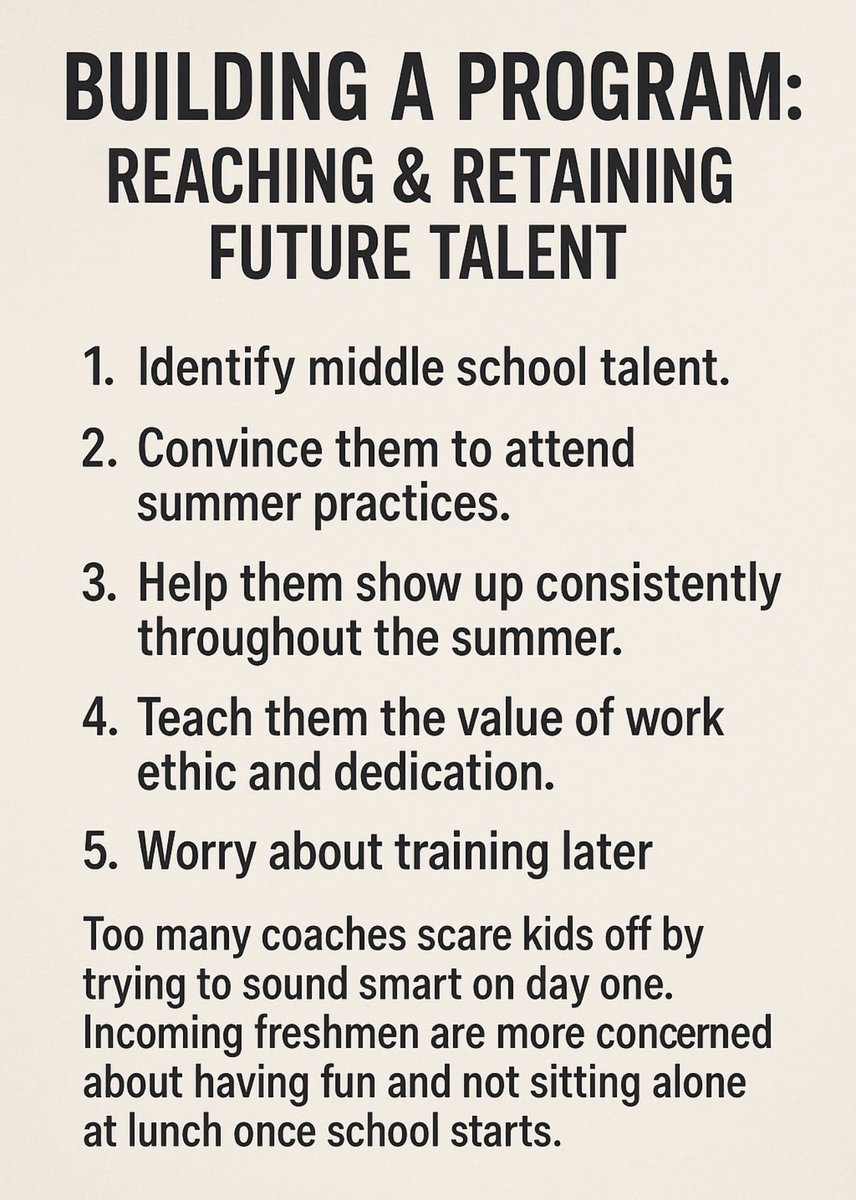
Coaches
This is a tough one.
A talented in coming freshman with no background in the sport, should train with the same volume as every other beginner. Paces should be different but not mileage.
Just because they can doesn’t mean they should.
Development is always the goal.
@hansonsrun Learned this firsthand. Raw talent is tempting, especially when they make it look easy early on. But if they’re new to the sport, the aerobic and structural foundation just isn’t there yet.
I always remind myself: paces can stretch, volume needs to build. Protect the long-term.
The lesson: You don’t get faster by cramming in more. You get faster by doing the right work, recovering like a pro, and listening to your body, to your coach, and to the signs.
https://t.co/JjUn71mJGn
Faith Kipyegon had the audacity to dream of doing the impossible.
The fastest woman to ever run the mile just ran it faster at #Breaking4, pushing the world closer to the 4-minute barrier.
It’s not a matter of if a woman will break 4, it’s when.