Account Abstraction Quick Look
Account abstraction (AA) was a huge narrative back in 2024. It means the wallet is a smart contract that lets you do gas sponsorship, batch txs, passkeys, spending limits, and social recovery.
In 2026, AA stopped telling a wallet story cuz most people never needed to choose it.
---
There are three layers:
- ERC-4337
- EIP-7702
- Native AA (EIP-8130 / similar)
The AA stack:
➊ Smart account implementations
- @safe: still the institutional standard. Multisig + modules (Zodiac). Tens of millions of accounts, tens of billions in custody. Also the stack behind the Bybit signing UI that got hit.
- @zerodev_app (Kernel): modular ERC-7579 account. Popular with builders who want plugins/session keys.
- @biconomy (Nexus): consumer/gasless focus, ERC-7579 + 7702.
- @Alchemy Light/Modular Account, @etherspot, @openfort_hq, @thirdweb, etc. More full product wallets + AA bundled.
➋ Infra (the pipes)
- @pimlicoHQ: bundler + paymaster. Used by MetaMask and a lot of custom stacks.
- Alchemy Gas Manager, Biconomy paymasters, Stackup/Alto bundlers.
Portability is still weak: a ZeroDev account is not trivially usable inside a Biconomy app. That lock-in is one reason native AA / 7702 exist.
➌ Chains with AA as a first-class feature
- @zksync: native AA from day one
- @Starknet: native-ish (Cairo accounts)
- @base / @Optimism Stack: moving toward EIP-8130
---
What AA buys you (security angle)
Useful:
- Spending limits, time delays, allowlists
- Multisig / social recovery instead of one seed phrase
- Session keys for bots/agents without handing over the master key
- Simulate-then-sign policies
Not magic:
- The account is still a contract. A bug or a malicious module can drain it.
- The UI that asks you to sign is often the real attack surface. Bybit was not a Safe contract bug. It was a compromised Safe{Wallet} frontend showing a fake tx while the payload upgraded the implementation.
- Audits of the account code do not cover: hosting, npm, signer machines, paymasters, or post-deploy module installs.
→ That maps directly onto 2025-2026 losses: most moeny left through supply chain / keys / ops.
---
After Bybit / Safe UI, people know smart account is not safer. The failure was the signing screen and supply chain, not the lack of ERC-4337.
Big capital still sits in Safe multisigs (institutions / DAOs) and normal EOAs (everyone else). Consumer AA is now a feature inside an app, a invisible infra.
- Gas sponsorship in consumer apps
- Session keys for agents/bots
- Batching, passkeys, recovery - mostly behind a branded app
→ 30M+ 4337 accounts is real adoption. It's just not the same as people treating AA wallets like they treat Phantom or a Ledger.
Okay so this is the announcement of something big for $INK that you all have been waiting for😂
Maybe Kraken Wallet users will stand a high chance for better allocation
Gm everyone. It's weekend again and cashback is live on Coinbase tokenized stocks via @KyberNetwork
GOOGLc, NVDAc, AAPLc, METAc on @base
Up to 2% back. 20K USDC pool.
Epoch 1 is already running.
GM everyone, big week ahead.
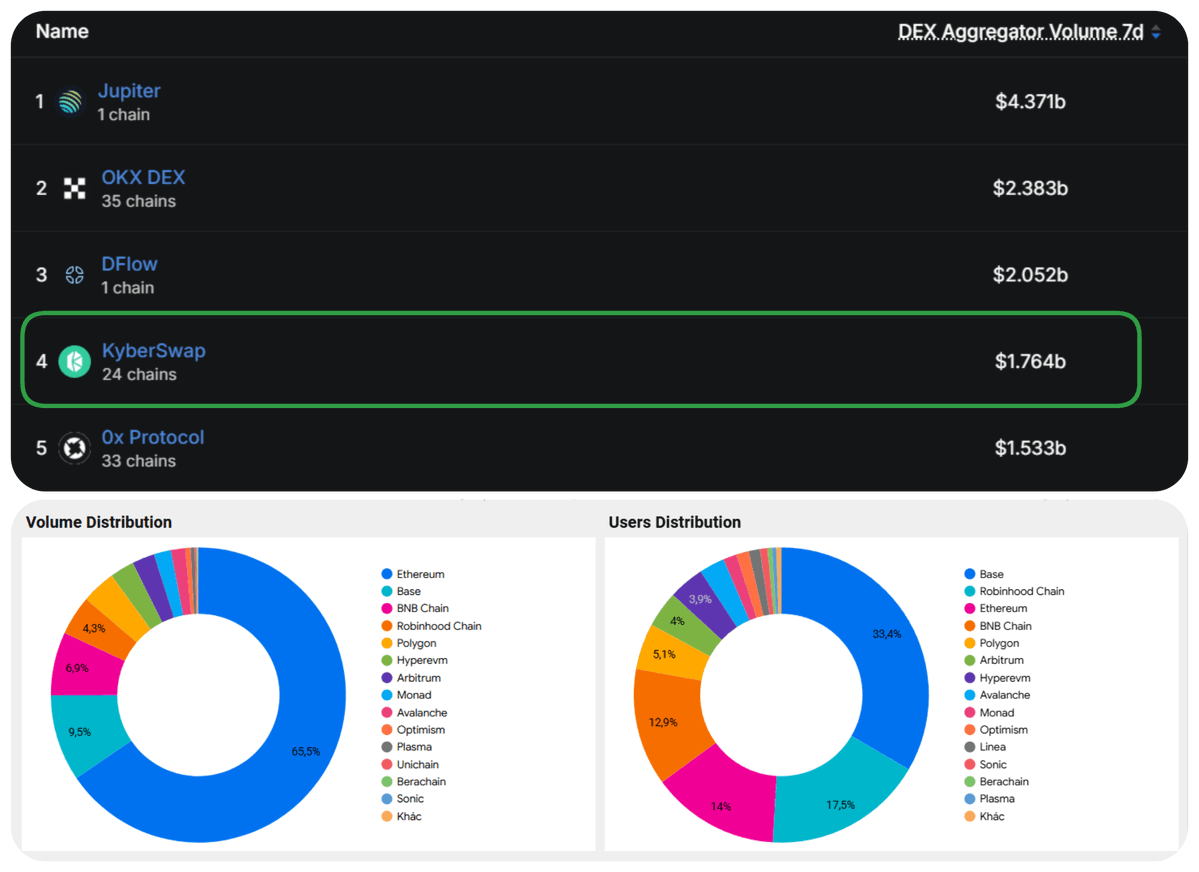
This is a quick recap of @KyberNetwork last week:
- Volume nearly doubled (+109.5% → $1.76B)
- Transactions more than doubled (+112.9% → 1.9M)
- Users up 46% to 78k
- $181K in fees
Volume is heavily Ethereum-dominated (65.5%). That's normal for most aggregators cuz ETH still has the deepest liquidity and biggest trades.
But users tell a different story:
- @base leads in users (33.4%)
- @RobinhoodCrypto is already #2 (17.5%): very notable for a newer chain
- @ethereum is only 14% of users despite dominating volume
This shows Kyber is attracting a lot of retail / active traders on newer and L2 chains, while the big volume still comes from ETH whales and larger trades.
If you are bullish on crypto, then you are bullish on trading volumes going up, which hyperliquid:native directly benefits from.
99% of those fees go to burns.
Hyperliquid.
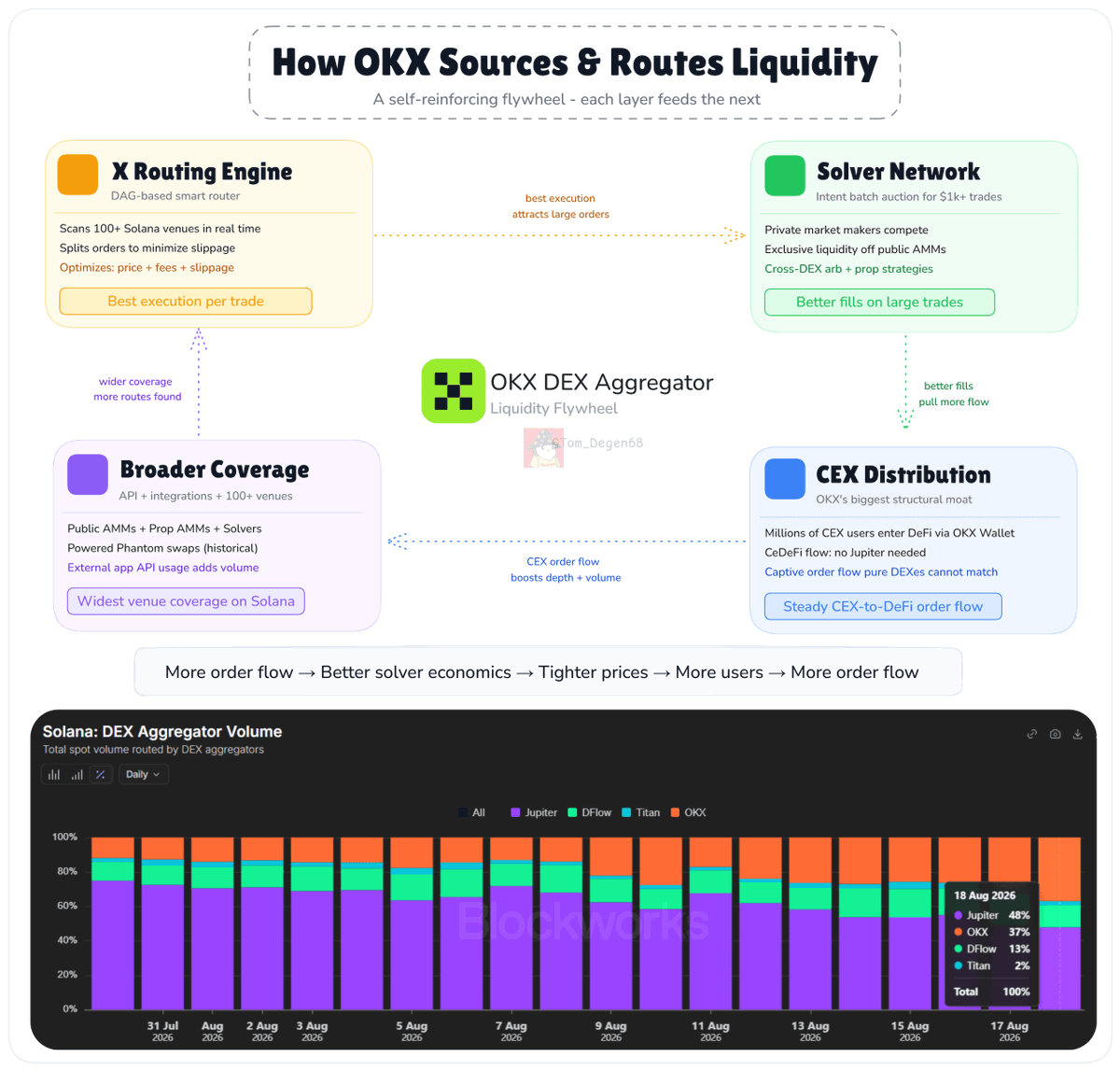
OKX liquidity sources on Solana (DEX Aggregator)
@okx has grown to ~37% of daily Solana dex volume by combining onchain pools with a heavy tilt toward professional / proprietary liquidity.
Primary liquidity sources:
- Prop AMMs: ~83-84%
- Traditional AMMs
- Cyclic Arbitrage: 39%
Key Prop AMM venues that appear frequently in OKX routes:
- bisonfi: one of the largest single contributors
- scorch
- GoonFi / related Goon pools
- ZeroFi, HumidiFi, SolFi, and other specialized market-maker pools
So, Prop AMMs often provide tighter spreads and deeper liquidity on popular pairs. High cyclic-arb share shows the router is aggressively finding multi-hop edges.
CEX user base gives OKX consistent flow even when DeFi activity fluctuates.
→ Result: Competitive execution that has steadily eaten into @JupiterExchange previously dominant share (from >90% down to sub-50%).
OKX is not relying only on the same public AMM pools. Its edge comes from heavy Prop AMM / professional market-maker liquidity + solver competition + strong CEX-to-onchain distribution.
This combination is what has driven the rapid rise to ~37% daily share.
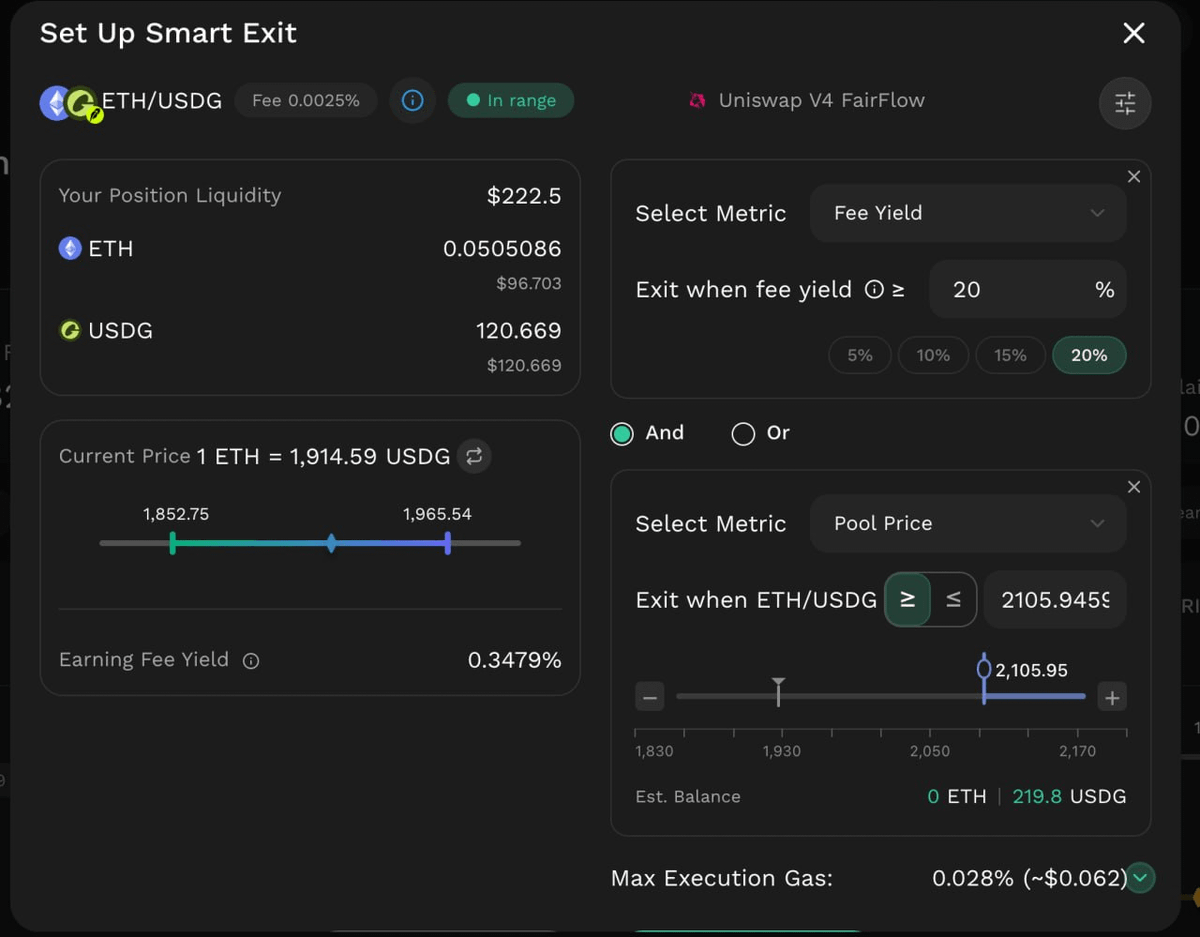
- @KyberNetwork Smart Exit is live on Robinhood Chain. If you're farming, this is worth turning on.
You can now set automatic exit conditions based on:
• Target Price
• Yield
• Time
You can combine conditions using:
• AND → all conditions must be true
• OR → any one condition can trigger the exit
No more constant monitoring. Just set your rules once and let it do the job. Especially useful if you're running FairFlow positions and want to lock in fees or cut IL without babysitting the chart.
Kyber also supports Smart Exit on Ethereum, Monad, Optimism and Arbitrum.
Apys is live on Solana
It's a lightweight stablecoin allocation layer, building to capture the large pool of lazy or overwhelmed stablecoin holders on SOL who want yield without researching markets or managing multiple positions.
@apys_co differentiates others by being thinner:
- No intermediate vault share and non-custodial
- Just allocation + execution into the major markets
- User remains the direct depositor in @kamino / @JupiterExchange / @Loopscale
→ Looks more like a smart allocation frontend > traditional yield aggregator
Worth a look if you've been leaving stables on the sidelines. Early USDC incentives are a nice touch too.
Solana lending is on next level.
@kamino and @JupiterExchange stand out with the highest Active Loans/TVL ratios (~89% and ~91%), ahead of Aave (~77%) and Morpho (~55%).
This means a much larger share of deposited capital is actually being borrowed and put to work. Why?
▸ Jupiter Lend
- Recently rolled out Lend v2 with Smart Vaults.
- Deposited and borrowed assets can also provide liquidity to Jupiter's AMM and earn swap fees.
- The same capital can generate yield from both lending demand and trading flow.
- This turns the lending book into shared liquidity infrastructure instead of a pure passive money market.
→ Result: very high utilization (~91%) while still generating solid fees ($3.16m over 30d on ~$945m TVL).
▸ Kamino Lend
- Dominant Solana money market with strong organic borrow demand (SOL/LST looping, stablecoins, and growing RWA/tokenized stock collateral).
- Isolated markets + modular V2 design let it run tighter utilization without spreading risk across everything.
- Institutional curators and specialized markets (Ethena, Maple, xStocks, etc) keep capital productive.
- Proven resilience (zero bad debt through major Solana stress events).
→ High utilization (~89%) on ~$1.06b TVL while remaining one of the most used credit layers on the chain.
▸ Quick comparison context
- @aave / @Morpho: Much larger absolute scale and multi-chain presence → they naturally keep more idle liquidity as buffers across many assets and chains, leading to lower average utilization.
- @maplefinance / @sparkfinance: Solid utilization but still below the Solana pair on this metric.
- Others (Fluid, Euler, Fira) show Active Loans > TVL in the data, which often reflects different accounting or product design (eg: more aggressive rehypothecation or specialized structures).
▸ @kamino and @JupiterExchange are running tighter, more productive play:
- Jupiter is pushing the frontier by recycling lending capital into real DEX flow
- Kamino combines high utilization with institutional-grade isolation and RWA growth.
Both are good examples of Solana-native design extracting more yield per dollar of capital.
Finally I'm in top 200 of @tradehotstuff.
Would like to see more upgrades this week. They currently offers:
- Low fees (makers get rebates)
- Points program ending this Q3
- Trade crypto & RWA perps in one margin account
- 24/7 tokenized US stocks & ETFs, 1:1 backed via Hotstuff Invest
Not saying it's the finished product. Just that the combination of incentives + product breadth is pretty good.
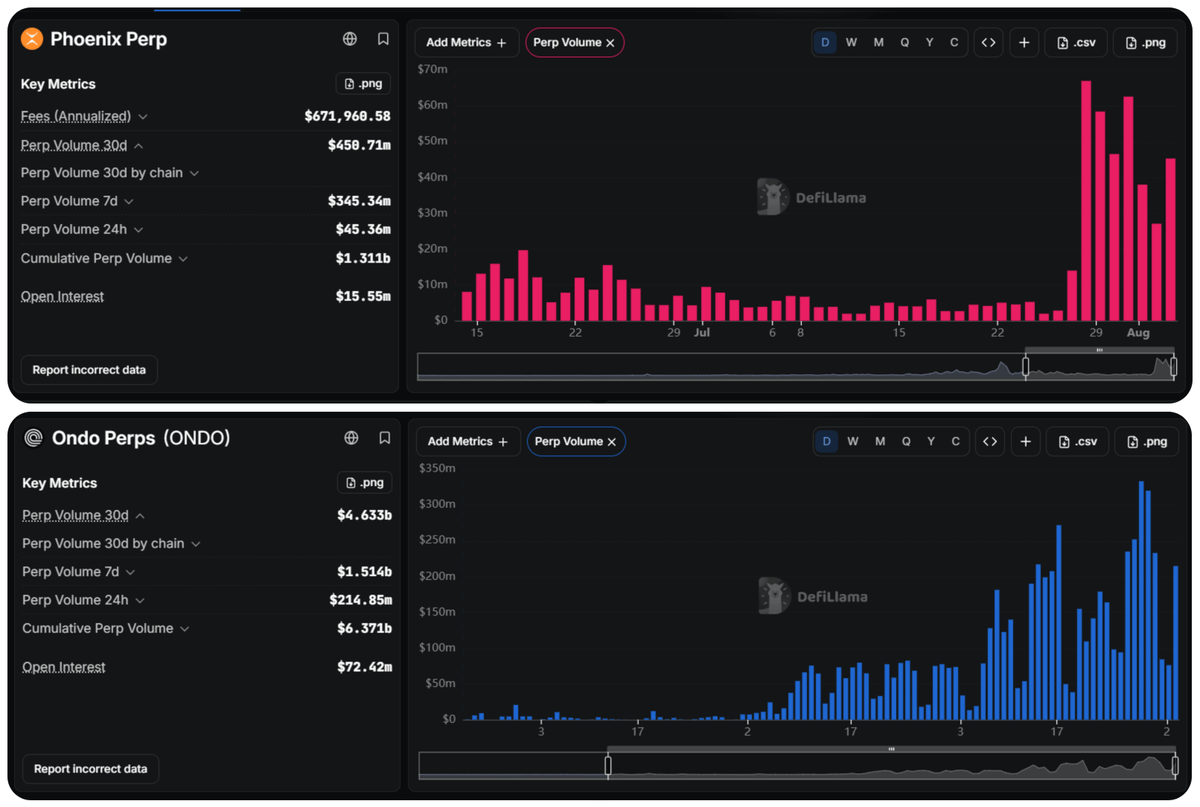
Look what incentives can do to perp DEXs.
Both Phoenix and Ondo Perps saw massive volume spikes after launching weekly USDC rewards.
On the airdrop side, ONDO points might mean something. And Phoenix feels like they might launch a token in 2049.
Incentives work, just don't confuse rented volume with real PMF.
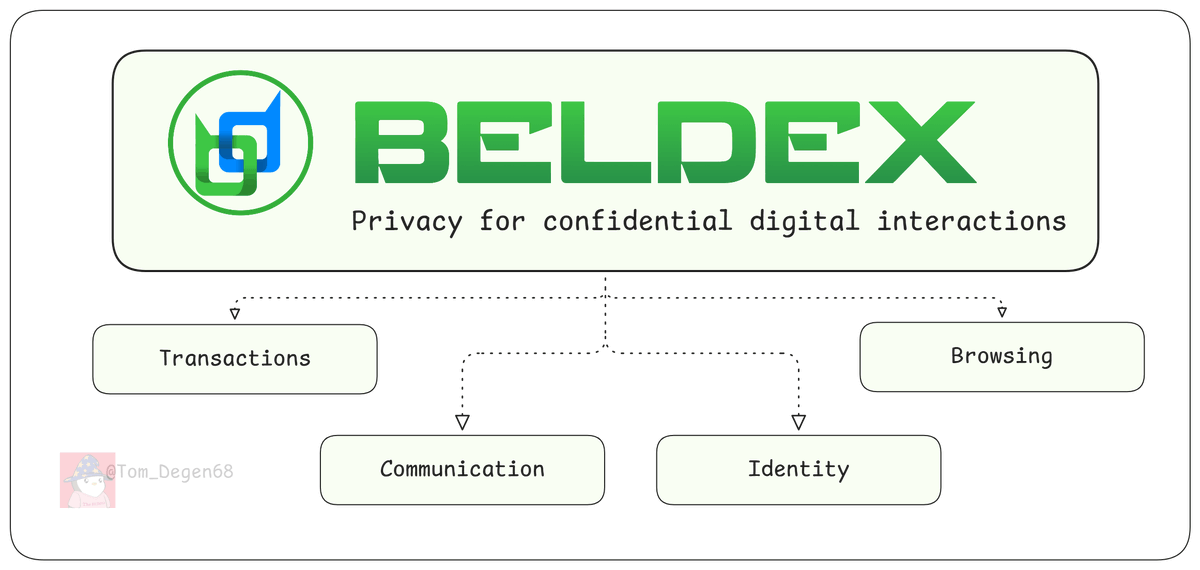
I gathered some roadmap & research highlights from @BeldexCoin
Beldex is a privacy-first blockchain for confidential digital interactions, so its next goals are nothing but about privacy:
- Near-term/in progress: Beldex Bridge (security audit), LWS mobile wallet, browser extension wallet, easier masternode registration via LWS.
- Account-based addresses + confidential assets (hardfork targeted beginning of Q3 2026).
- Trustless onchain bridge (Q4 2026).
- VRF-based PoS consensus improvements (Q1 2027).
- EVM capabilities / private sidechain for confidential dApps and assets (Q2 2027).
- Research: Zero-knowledge age verification framework, VRF consensus work, EVM integration POC, plus mentions of AI infra and quantum-resistant security in recent @BeldexCoin updates.
More fun coming on $BDX.
Kinetiq is probably one of the best protocols on Hyperliquid L1.
It's the main liquid staking layer for hyperliquid:native , has brought in $882M in TVL, spread across 5+ assets.
While most of HL success sits on HyperCore orderbook, @Kinetiq_xyz is building to become core infra for both staking liquidity and HIP-3 trading.
It's more interesting than a pure yield farming protocol cuz it sits closer to HL growth levers.
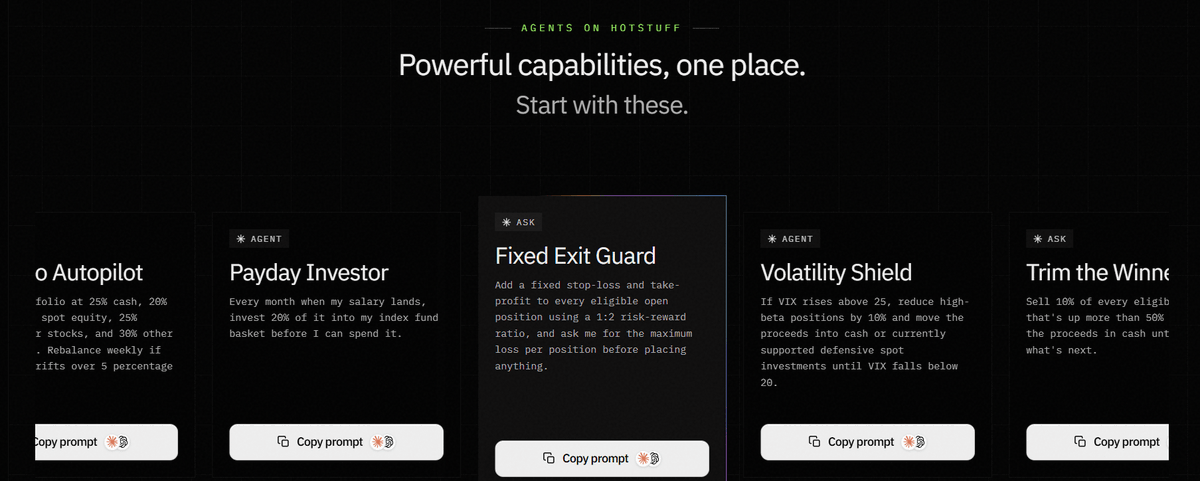
Gotta remind you all: @tradehotstuff is building an AgenticFi Layer
The idea is to let users (and AI models) go from natural language intent all the way to real financial action inside a live account.
You can already use it with:
- Claude (Chat, Code, and Cowork)
- ChatGPT
- MCP (Model Context Protocol) / Hosted Mode
- Cursor plugin (for developers)
WhatsApp and other messaging interfaces are planned next. See you there!