Quick question for the Linux crowd:
Your C code compiles on Linux, macOS, and FreeBSD from the same source. Great. Portable.
But take the compiled binary from one and run it on another. It won't work. Not even close.
Why?
Because "portability" in C means two completely different things, and the Unix family doesn't agree on which one the kernel is responsible for.
C as a language gives you source portability. Write once, recompile anywhere there's a C compiler and a libc. This is what POSIX standardizes: function signatures, header files, behavior. It's a C-level contract.
Binary portability is a different question entirely. It asks: when the compiler is done, what does my program actually plug into? What's the stable interface on the other side?
On Linux, the answer is the kernel itself. The syscall ABI is the contract. SYS_write is number 1 on x86_64 today, it was number 1 ten years ago, it will be number 1 ten years from now. This is why you can take a statically linked Linux binary from 2014 and it still runs. It's why Go on Linux doesn't need libc at all.
On macOS, the answer is libSystem. Apple's official position, quoted verbatim: "A statically linked binary assumes binary compatibility at the kernel system call interface, and we do not make any guarantees on that front." The syscall numbers can change between releases. The library is the contract, and the kernel is an implementation detail behind it.
Same language. Same POSIX. Opposite answer to "where does my program actually plug in?"
This is the question that opens the next chapter of The Linux Field Guide. Not "how to program in C" - the series assumes you already know printf. The question it's built around is:
Why does printf work?
How does a character you type in a string end up as pixels on a terminal? What does libc actually do between your function call and the kernel? Which syscall gets made, and why that one? What happens when userspace buffering collides with a crash?
One concept per post. Built for people who've used Linux for a couple of years and want to see what's underneath.
Before I start: did the split between source portability and binary portability feel obvious to you, or is this the first time you're seeing it framed that way? Want to gauge where the audience sits.
Solución crear un mirror.
En el fichero /etc/docker/daemon.json crear o añadir:
`
{
"registry-mirrors": ["https://t.co/GKhcxGAITH"]
}
`
y reiniciar docker.
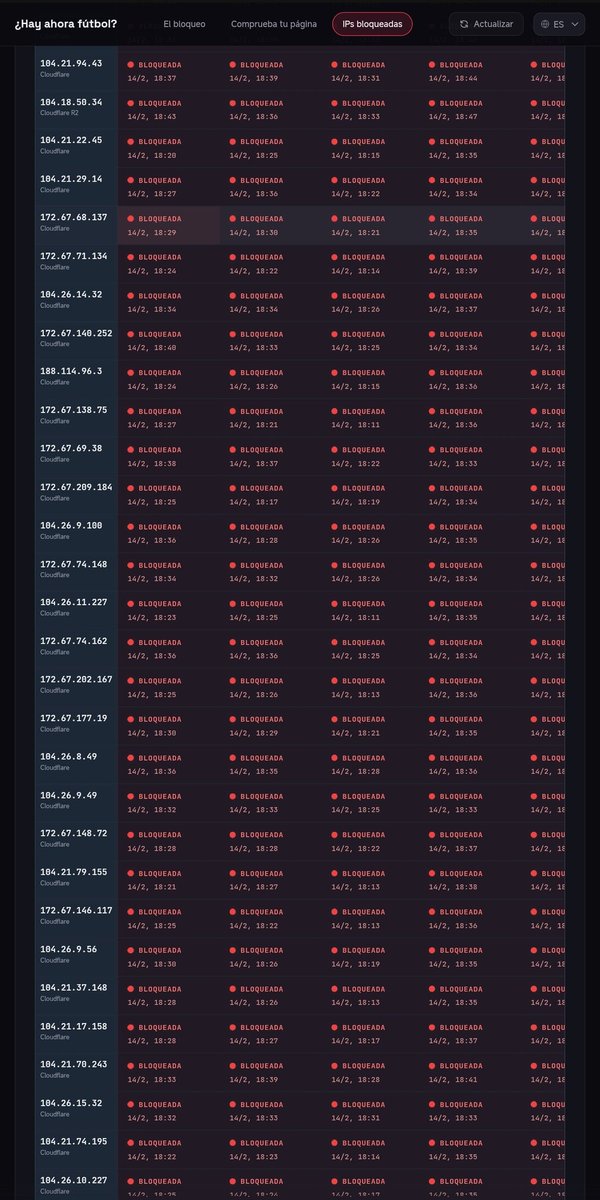
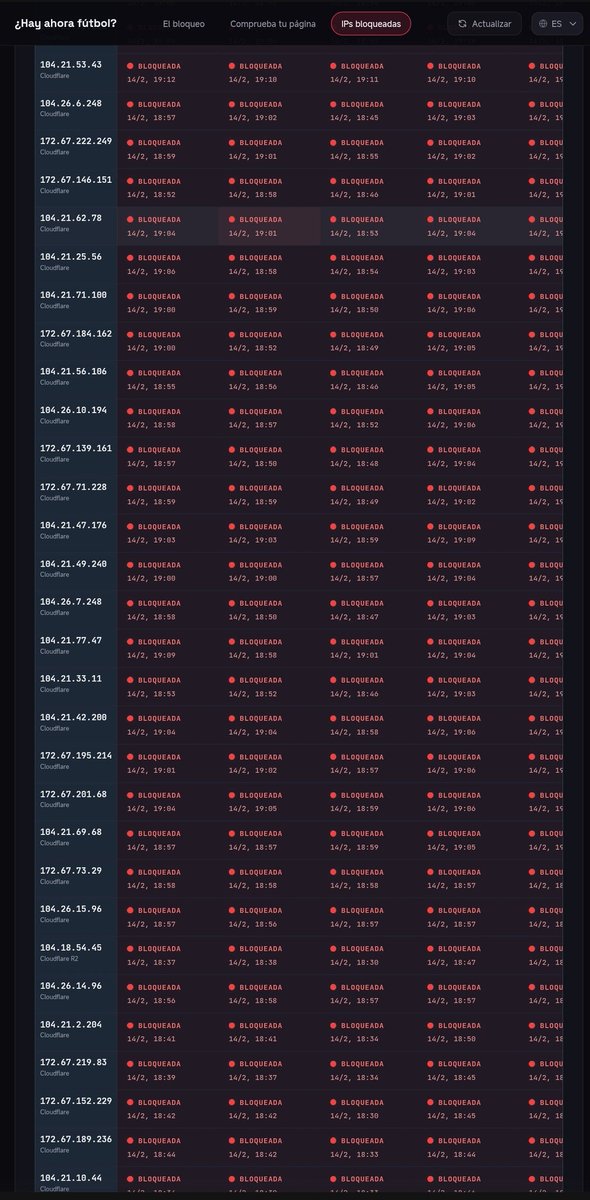
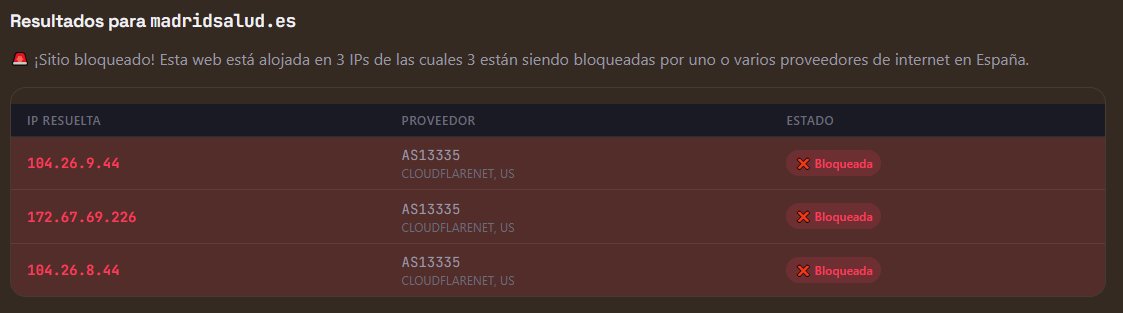
LALIGA lo desmiente, pero el clamor es claro: sus sistemas antipiratería afectan a webs, aplicaciones y servicios. ¿Cuando intervendrá el Gobierno? 👇 https://t.co/GpoVB4rxWU
Así que si mi padre se pierde (o te roban el coche, si alguien lo usa para tal fin) tengo que esperarme a que terminen los partidos.
¿Me quiere alguien explicar cómo se está permitiendo que para proteger los derechos de La Liga se pisen los derechos de los ciudadanos?
Retwit 🙏🏻
El repositorio de servicios digitales de Islandia
https://t.co/yAzLdAkPy8
Imagina que existiera en España.
Ni siquiera las grandes consultoras que trabajan para la admin pública liberan lo suyo. Todo cerrado.
Siempre inventando la rueda https://t.co/BoqEZfajXa
Open your sent folder in the email app you use in your phone and please tell me:
How many emails have you really sent the last week?
(In my case, only one and it was a forward). RT please.
A nuestros políticos les flipa el PDF.
Cuando quieren ocultar información pero la ley se lo impide, lo publican en PDF.
1️⃣ Mirad, por ejemplo, cómo entregó el Gobierno la lista de bienes inmatriculados por la Iglesia: ¡en un PDF de más de 5000 páginas! Esto es un insulto.
(Tiempo después, y ante el revuelo, lo publicaron en forma estructurada: hoja de cálculo).
2️⃣ El Gobierno Vasco —otro mal ejemplo— hace lo mismo cuando por ley informa del gasto en medios de comunicación: tablas y tablas en un PDF de más de 200 páginas.
3️⃣ También el Gobierno de @Cantabriaes es adicto a los PDF. Su portal institucional es una colección caótica de contenidos indistintamente web y PDF. Aunque en este caso parece más un caso de obsolescencia: tienen el Jordi Hurtado de los portales gubernamentales autonómicos. 🦕👴🏻
La gente de la Administración debería tener súper claro esto:
🚫 PDF no es un contenedor para datos. Si estás exportando de hoja de cálculo a PDF, o si tu PDF solo contiene tablas, seguramente estés haciéndolo mal.
🚫 PDF no es un documento estructurado. Sobre datos en PDF no se puede hacer análisis. No se pueden aplicar fórmulas. No se pueden utilizar métodos informáticos para extraer conclusiones.
🚫 PDF no es un formato web. Cada vez que desde un portal oficial enlazas a un PDF, un gatito muere.
Explicación para dummies™:
✨ Datos estructurados: lo que sale de Excel.
✨ Datos desestructurados: lo que sale de Word.
¡Desestructurar datos es fácil! Basta pulsar «Exportar a PDF» y ya. En cambio, el proceso inverso puede ser extremadamente complejo.
👉 Y quienes nos dedicamos a vigilar lo que hacen los políticos y la Administración nos encontramos demasiadas veces con documentos PDF que supone mucho esfuerzo estructurar. ¿Es malicia o ineptitud? 🤔
En este sentido, lo que hice en https://t.co/QxNXHN6giE es un reto técnico interesante:
👉 Estructurar una fuente de datos desestructurada.
👉 PDF → JSON
Si eres un técnico y quieres aprender esta técnica, echa un vistazo al código fuente que publiqué en mi GitHub. Hay un algoritmo que estructura los PDF del Gobierno y una suite de tests unitarios para maximizar la calidad de la salida del proceso:
https://t.co/NSH3UNFAKc
Happy hacking! 🤓
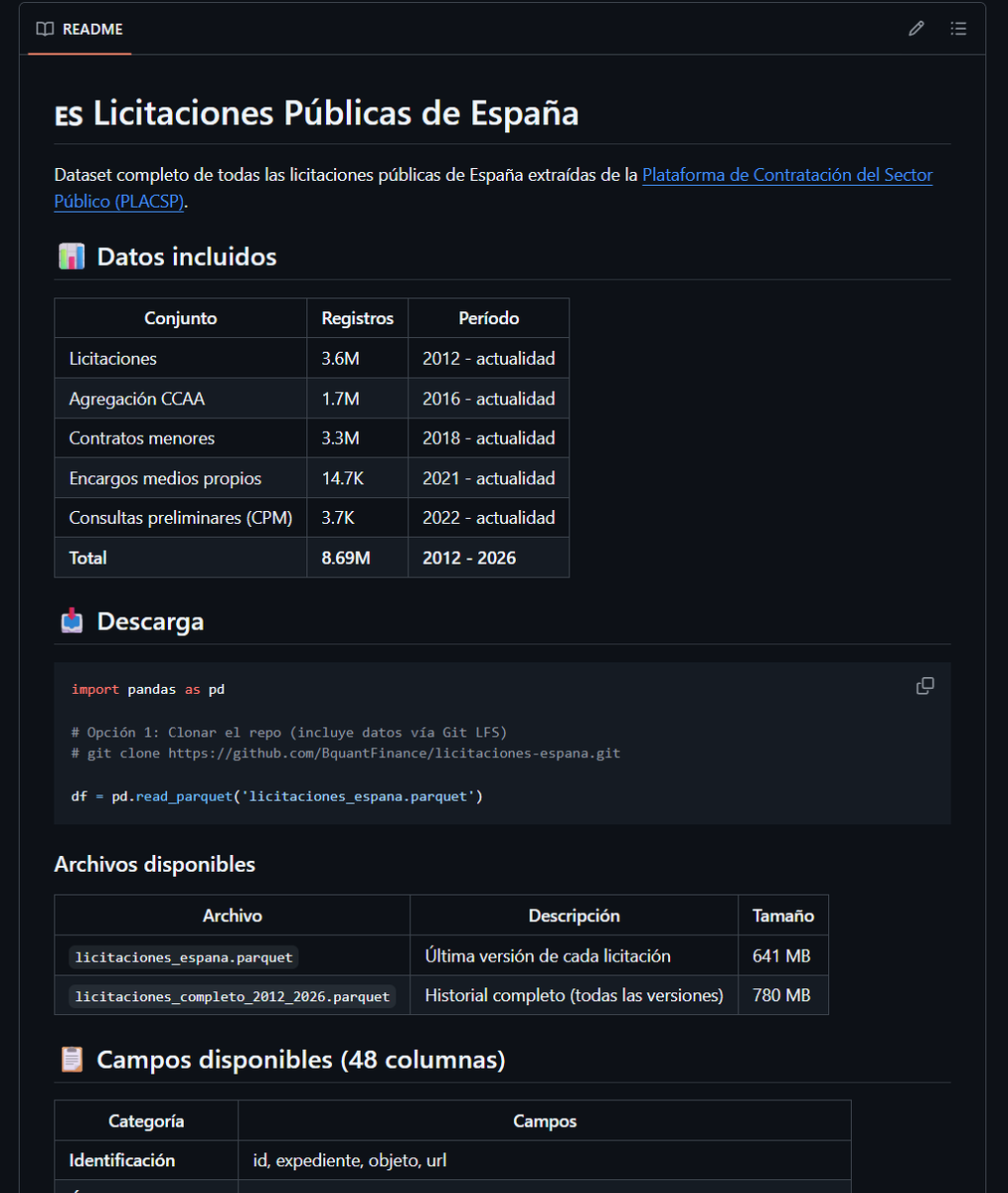
He publicado el dataset completo de licitaciones públicas de España (2012-2026)
-Licitaciones principales (3.6M)
-Contratos menores (3.3M)
-Agregación CCAA (1.7M)
-Encargos medios propios (14.7K)
-Consultas preliminares de mercado (3.7K)
📝 Script incluido para replicar/actualizar mensualmente.
Todo el código + datos en GitHub 👇
https://t.co/ZHbzjBQOis
PicoIDE (opensource CD ROM and IDE storage emulator) is launching today!
Check Crowdsupply for more details (not an affiliate): https://t.co/ELZiJouRoK