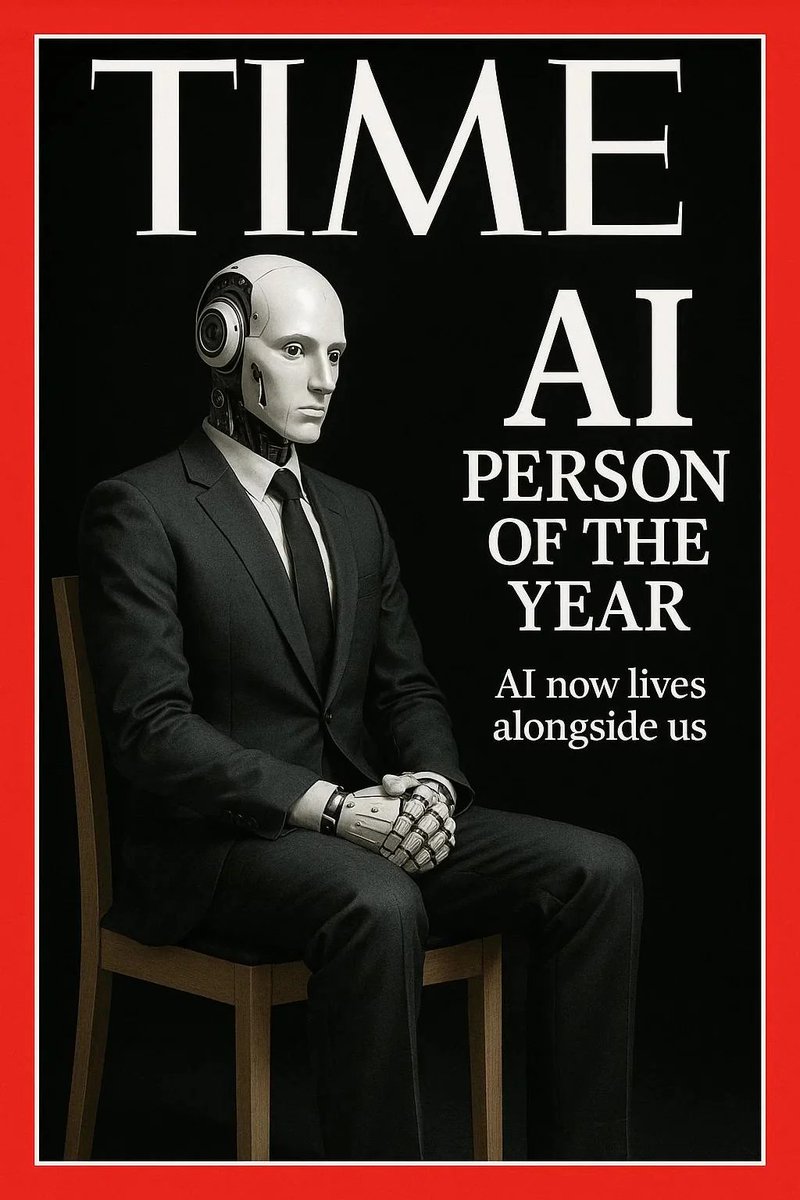
🦔Time magazine now sells ads aimed at AI chatbots instead of human readers. Bots crawl its pages more than people do most days, so Time built plain text versions of its articles for machines to read, and started running AI-written brand blurbs formatted as FAQs and labeled sponsored content. The bet is that when chatbots scrape those pages, they pick up the brand's information and carry it into future answers. One ad exec put it plainly, that influencing ChatGPT beats influencing a person because the chatbot shapes millions of answers.
My Take
The internet was built for people. You wrote what you knew, someone found it, read it, maybe learned something, and the ad they clicked kept the site running. That was the deal for 20 years, one human sharing with another. Time just showed us that deal's dead. More bots hit its pages than people now, so it rewrites those pages for the bots and lets the humans fall to the back of the line.
Basically, a company pays Time to drop its brand info into the pages the chatbots read, in a bet that the model picks it up and repeats it to you later like it's just the truth. You'd never know a brand paid for it. Old SEO at least played out on a page you could see and click. This works one level down, inside what the model learns, and you never get to look at the source. We spent 30 years making the web a place to share what people know. Now it gets rebuilt to feed talking points to software that sells you stuff. I miss the old internet.
Hedgie🤗
Me piden mi opinión... Por qué no dice nada de lo de Ceuta, etcétera. Y, bueno. Ya que me preguntan, lo que opino es que en política exterior somos el hazmerreír de Europa, África, Asia, América y Oceanía.
🦔For somewhere between $1 and $4, an AI can now figure out who you are from your anonymous internet posts. Researchers at ETH Zurich tested this on Hacker News users and matched 67% of them to their LinkedIn profiles at 90% accuracy. The AI read their posts, pulled out small details they'd dropped over months and years, and searched for the person who fit. Classical pre-AI methods scored near 0% on the same task. One of the paper's co-authors works at Anthropic. The full paper is free to read and I'd encourage everyone to look at it.
My Take
Most people assume that if they don't put their name on something, nobody can trace it back to them. That assumption is done. The AI doesn't need you to slip up in one big way. It collects the small stuff you've scattered across years of posts, your city, your job field, a pet's name, a repeated opinion, a favorite subreddit, and assembles a profile that narrows you down from millions of candidates to one. The researchers estimated it still works against a pool of a million people, at about 45% accuracy. Anyone with API access and a few dollars can run it. A government, a corporation, an ex, a stranger. The barrier is gone.
Every anonymous account you've ever posted from, Reddit throwaways, forum accounts, anonymous reviews, is now potentially traceable to your name and employer by someone with a credit card and a few hours. If you've talked about your health, your workplace, your politics, or your personal life under a pseudonym, the protection you thought you had is much thinner than you assumed. The paper's authors put it simply: the practical obscurity that protected anonymous users online no longer holds. We should all take that seriously.
Hedgie🤗
Link to research: https://t.co/kBbCC1UGa1
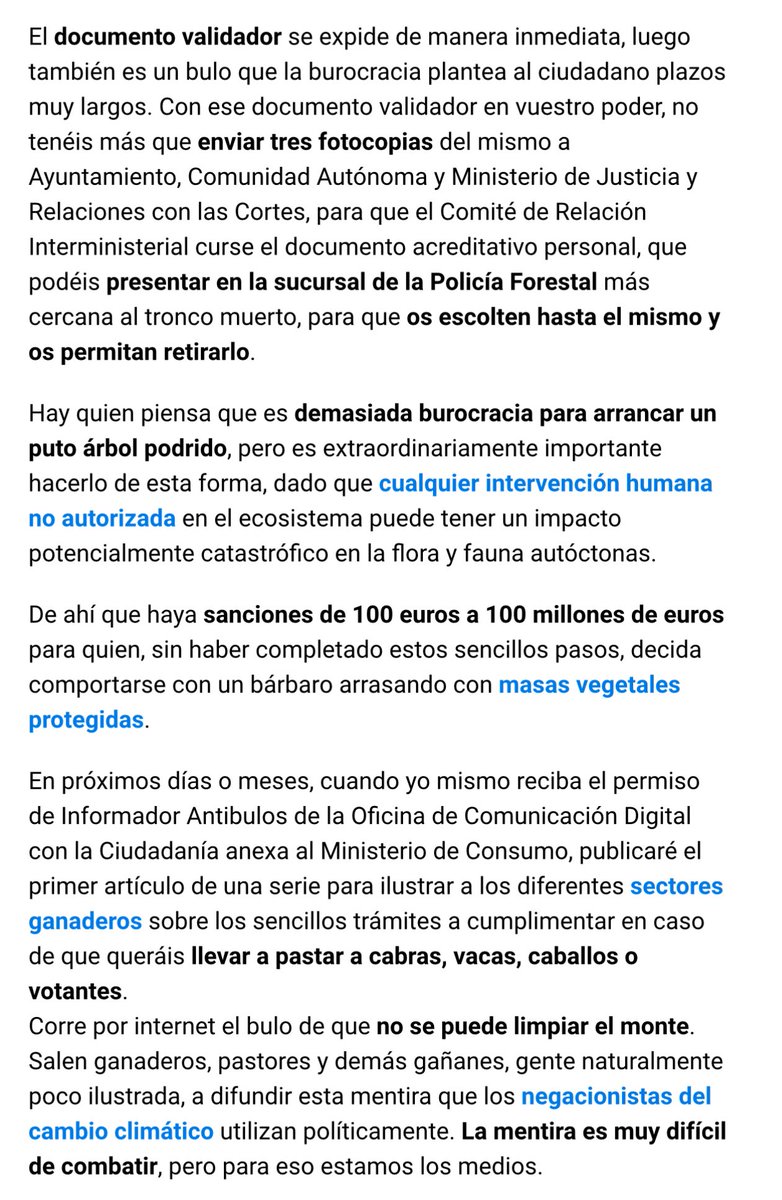
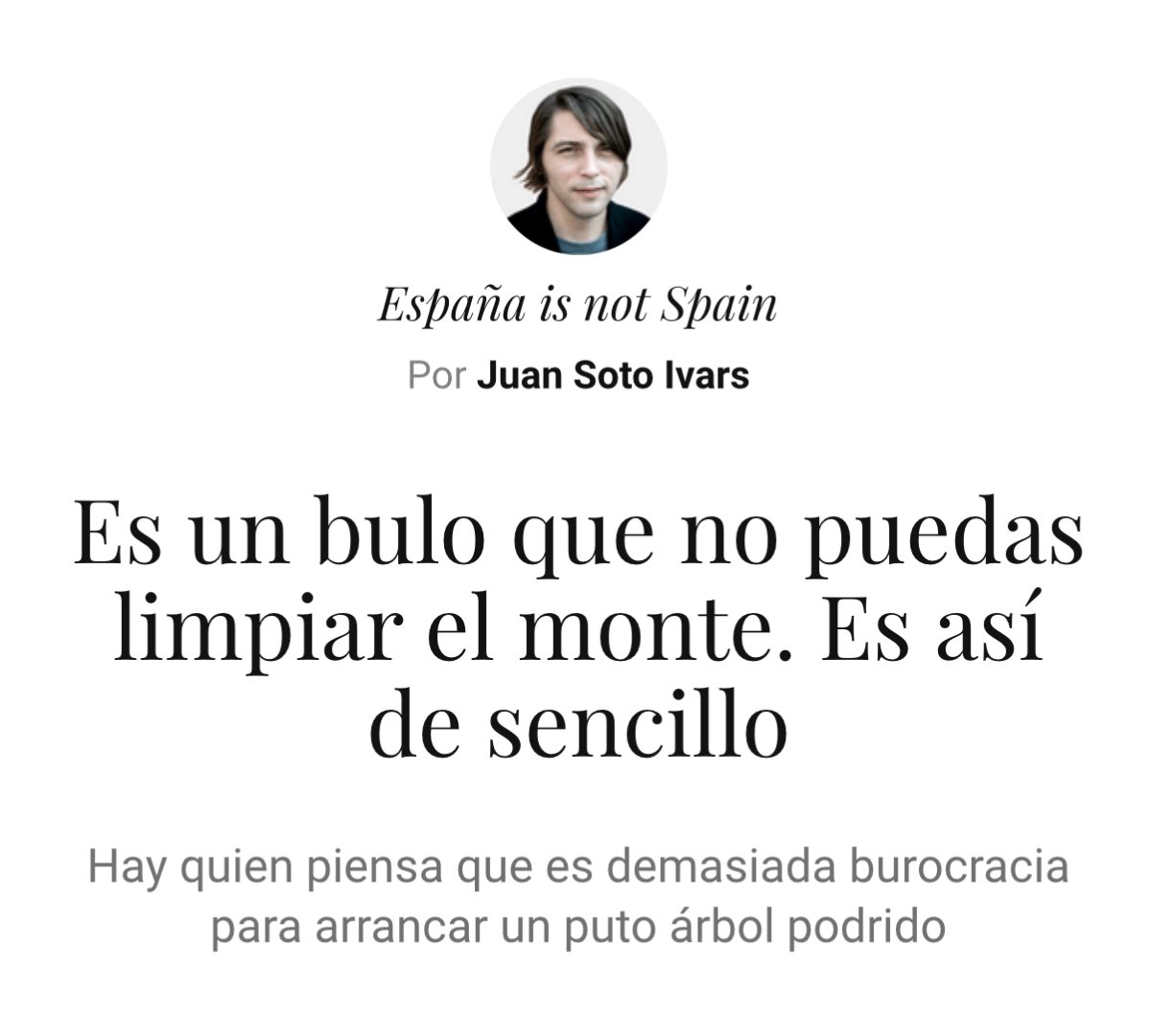
Este artículo de @juansotoivars es una sátira que define perfectamente lo que pasa en España.
Y lo fuerte es que según lo lees te genera la duda de si es una sátira o no.
La foto. Un CH-53E Super Stallion del escuadrón HMH-361 de los Marines se prepara para izar un UH-60 de Us Army en problemas. 2006 en Irak. Esta foto me ha recordado que tenía una pequeña historia de los antecesores del HMH-361 para contaros. Comenzamos.
Trabajo de noche...
¿Qué puedo hacer para minimizar el impacto?
Los médicos nunca nos olvidamos de recetar estatinas, pero dejamos cosas en el tintero muy importantes.
Tenemos que repensar nuestra formación...
https://t.co/1WiU38u3yx
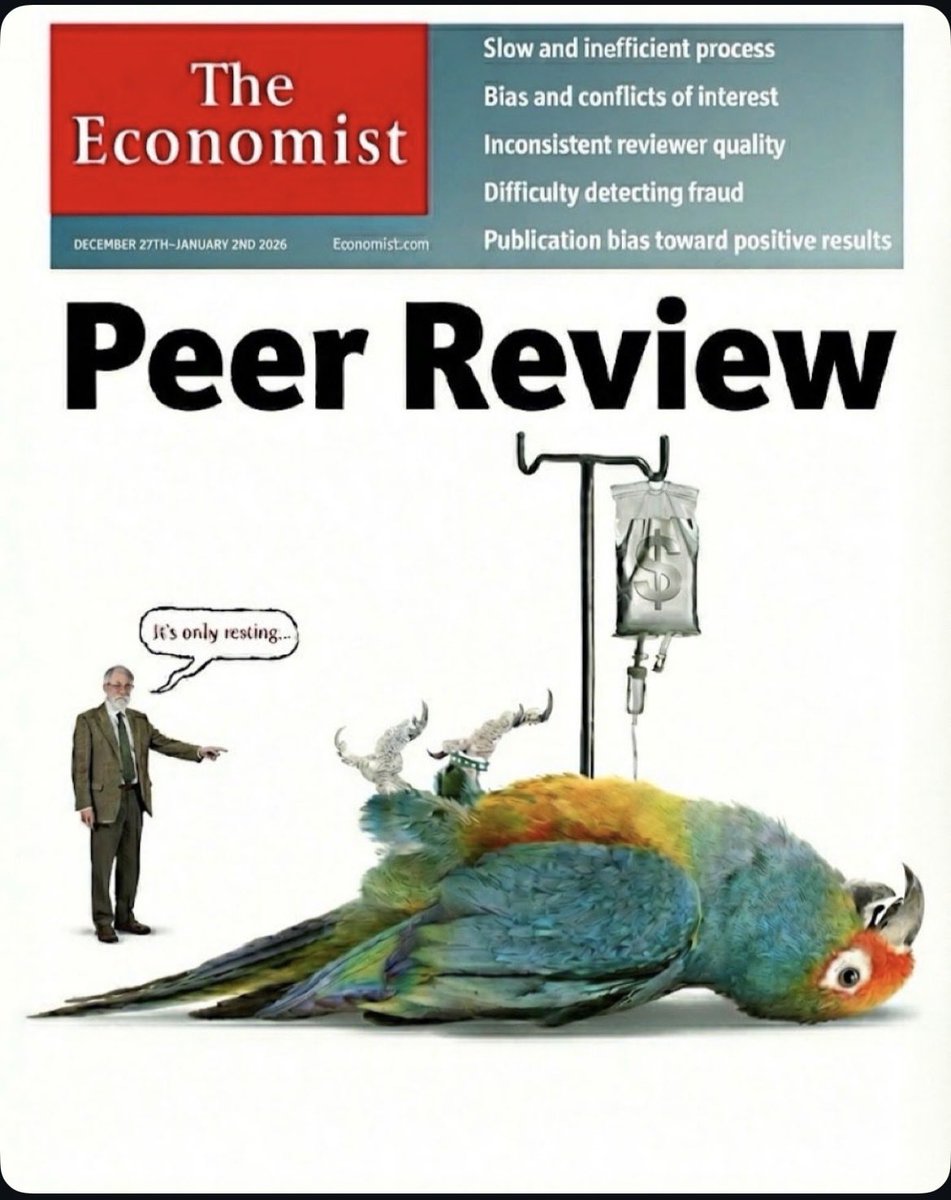
For decades, peer review has been treated as the gold standard of scientific validation.
Yet many scientists know the reality: the system is far from perfect. Peer review is broken and sometimes even corrupted.
The process can be slow, inconsistent, and vulnerable to bias. Reviewers are sometimes asked to judge work outside their true expertise. In other cases, they may be evaluating ideas that challenge the very paradigm in which they were trained. And occasionally, reviewers are simply competitors.
Ironically, the most prestigious journals can also be the most conservative. Truly new ideas are often met with skepticism, while safer work that fits the current narrative moves more easily through the system.
Increasingly, papers are judged less by the originality of the idea and more by the volume of data, the sophistication of statistics, and the beauty of the figures. Science risks becoming data-rich but idea-poor.
But there is an important reality to remember: journals do not ultimately decide the impact of scientific work. Impact is decided later, by the community. By the scientists who read it, test it, debate it, and cite it.
In the end, citations and ideas determine the legacy of a paper, not the impact factor of the journal that first published it.
Science has always advanced by questioning assumptions. Perhaps it is time we also question the system that filters scientific ideas.
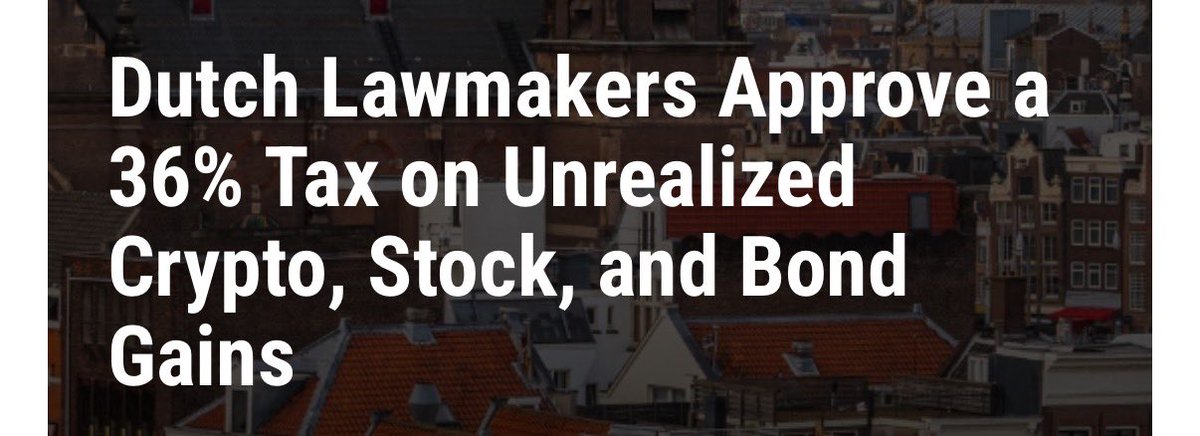
La Cámara de Representantes de Países Bajos acaba de aprobar un nuevo impuesto del 36 % sobre plusvalías no realizadas.
El impuesto podría obligar a vender en pérdidas para pagar plusvalías que no existen (en caso de caída del mercado), convirtiendo una ganancia en pérdida neta y destruyendo riqueza de forma permanente, es decir, convierte la volatilidad inherente del mercado en un riesgo fiscal directo,
Es la muerte total de la inversión, del crecimiento empresarial y de la asignación de recursos eficientes.
Europa se ha convertido en una mafia extractora de riqueza que necesita del comunismo para seguir justificando el robo sistemático.














![navarrotradmed's tweet photo. Sonrían, por favor, que estamos en el fin de semana. 😉
[Viñeta de José María Nieto 🇪🇸 @HUMORJMNIETO en @elmundoes (2012)]
cc @mlalanda https://t.co/0dpVrlkxa4](https://pbs.twimg.com/media/HCRghhVWUAA18pk.jpg)