@dailybritainonx Of course they should be decriminalised, but any party wanting to should also immediately repeal the godawful Tobacco & Vapes Bill.
Tres comunistas entran en un bar: uno pide un cóctel mixto de $15, otro un Martini de $10, y el tercero un cerveza de $6. Cuando llega la cuenta, basados en su mantra, se ven obligados a dividirla equitativamente.
La semana siguiente, los tres regresan al bar una vez más, pero esta vez piden cuentas separadas, por lo que el barman les pregunta por qué no están dividiendo la cuenta equitativamente, ya que en el comunismo, todos pagan la misma parte justa. Los tres comunistas acceden de mala gana, y una vez más dividen la cuenta en tres partes iguales.
La semana siguiente, los tres comunistas regresan, pero con una turba de devotos seguidores, y protestan contra el barman para que cambie los precios de todas sus bebidas al precio de la bebida más barata del menú.
Por miedo a que su negocio sea vandalizado o quemado, el barman accede. Así que la semana siguiente, todos los comunistas entran y disfrutan de sus bebidas a $6 con precios igualados, y celebran los éxitos del comunismo.
Los comunistas continúan con esto durante varias semanas más, hasta que un viernes regresan al bar y lo encuentran cerrado, con un cartel afuera que dice que el bar ha cerrado por quiebra.
Y eso, camaradas, es como funciona el comunismo.
When adverts for cigarettes were banned, some people said that it would lead to cranks banning adverts for anything they dislike. Fortunately that “slippery slope” theory has been shown to be utterly fallacious. 👍
The role of the private car in Communist societies would make the subject of a lovely thesis. In brief: only Hoxha’s Albania managed to ban them completely, in a move judged too restrictive by Pyongyang and Beijing.
In the ‘freer’ states in Eastern Europe, choice wasn’t great, but the car was seen, and advertised, as a symbol of liberty and the good life. And, even under the bleakest years of Stalinism, communist newspaper Pravda (or Izvestia) would recount how Ivan or Vladimir, having worthily toiled away in farm or factory, was now the proud possessor of his own Moskvich.
Had Pravda, back then, predicted that in a matter of decades, the abolition of the private car would be a genuine point of debate in the United Kingdom, readers might have thought the journalist was overdoing it.
‘Very satirical’, a Muscovite might mutter on reading reports of vigilante cyclists, cameras strapped on heads, dobbing in drivers who failed to keep a 1.5 metre distance while overtaking.
Nonetheless, this is the stuff of 2026 Britain, where increasingly fractious tribes, two wheels versus four, wage online war against each other.
✍️ Adrian Pascu-Tulbure
Article | https://t.co/JkxR1bDoYZ
Campaigners vow to “fight on” after Tobacco and Vapes Bill receives Royal Assent
“We will fight on because this is a bad law that undermines individual freedom and will have serious consequences for retailers.”
https://t.co/yaHys0V5mH
@lukejcr You post ‘most start before the legal age’ and then also say ‘raising the legal age will reduce use and stop people starting’ - these cannot both be true.
This will lead to the tobacco gang warfare seen in Australia, and when that happens the blood spilt will be on your hands.
The federal government created organized crime in America by banning alcohol in 1920, then spent thirteen years wondering why violence exploded across every major city.
Before Prohibition, alcohol production operated like any normal industry. Brewers competed on quality and price, resolved disputes in courts, and advertised their products openly. The Anheuser-Busch family built legitimate business empires serving willing customers. Then politicians decided adults couldn't make their own consumption choices.
Obviously, prohibition didn't eliminate demand for alcohol (basic economics, which apparently escapes lawmakers). Instead, it drove the entire industry underground where violent criminals held competitive advantages over peaceful businessmen. Al Capone never succeeded because he brewed better beer than Budweiser. He succeeded because he excelled at bribing cops, intimidating competitors, and machine-gunning rivals in the street. Legal businesses can't compete against enterprises willing to murder their competition.
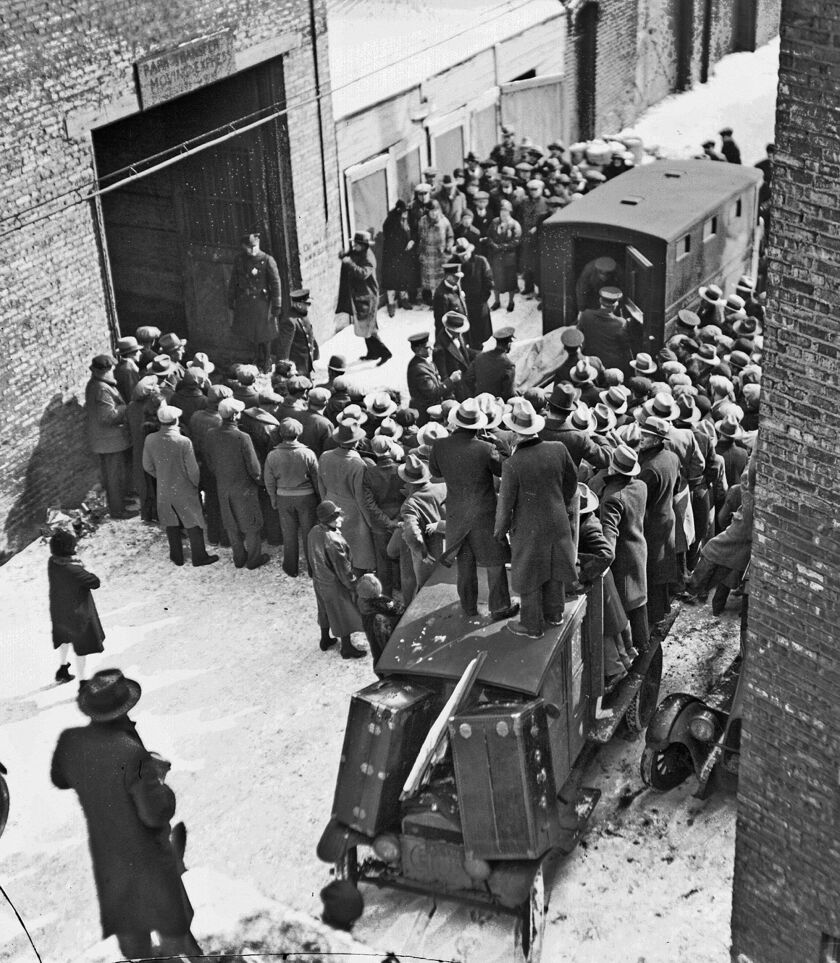
Violence became the primary tool for market competition once government removed legal enforcement mechanisms. When you can't sue competitors for contract violations or trademark infringement, you settle disputes with bullets. The famous Valentine's Day Massacre of 1929 was just business competition by other means.
By 1933, even prohibitionists admitted defeat. Alcohol returned to legal markets, and legitimate businesses immediately reclaimed the industry from gangsters. Organized crime syndicates didn't disappear, but they lost their most profitable revenue stream and the institutional infrastructure that alcohol smuggling had provided.
Every drug prohibition since 1933 repeats this exact same pattern, yet politicians still act surprised when black markets produce violence instead of temperance.
‘No one disputes that smoking is unhealthy, but people have a right to choose whether they want to light up. The erosion of free choice starts with tinkering. It never ends there.’ https://t.co/kF0PIQSjp3
The impact of tobacco regulation on organised crime is a reminder that steep price increases in a regulated market for desired goods can mimic the effects or prohibition.