Disciple of Jesus Christ , passionate about wellbeing of people affected by leprosy ,heading Research , Training , M and E at
The Leprosy Mission Trust India.
Meeting for Strengthening AMR, Introduction of Pharmacovigilance & Review Meeting of High Endemic States @ICMR_NJILOMD (29–31 Oct, 25) in collaboration with CLD. DDG- Leprosy, ADG- Leprosy, CLD; Directors, CLTRI & RLTRI; SLOs of 15 states; WHO; AMR Labs; Scientists participated
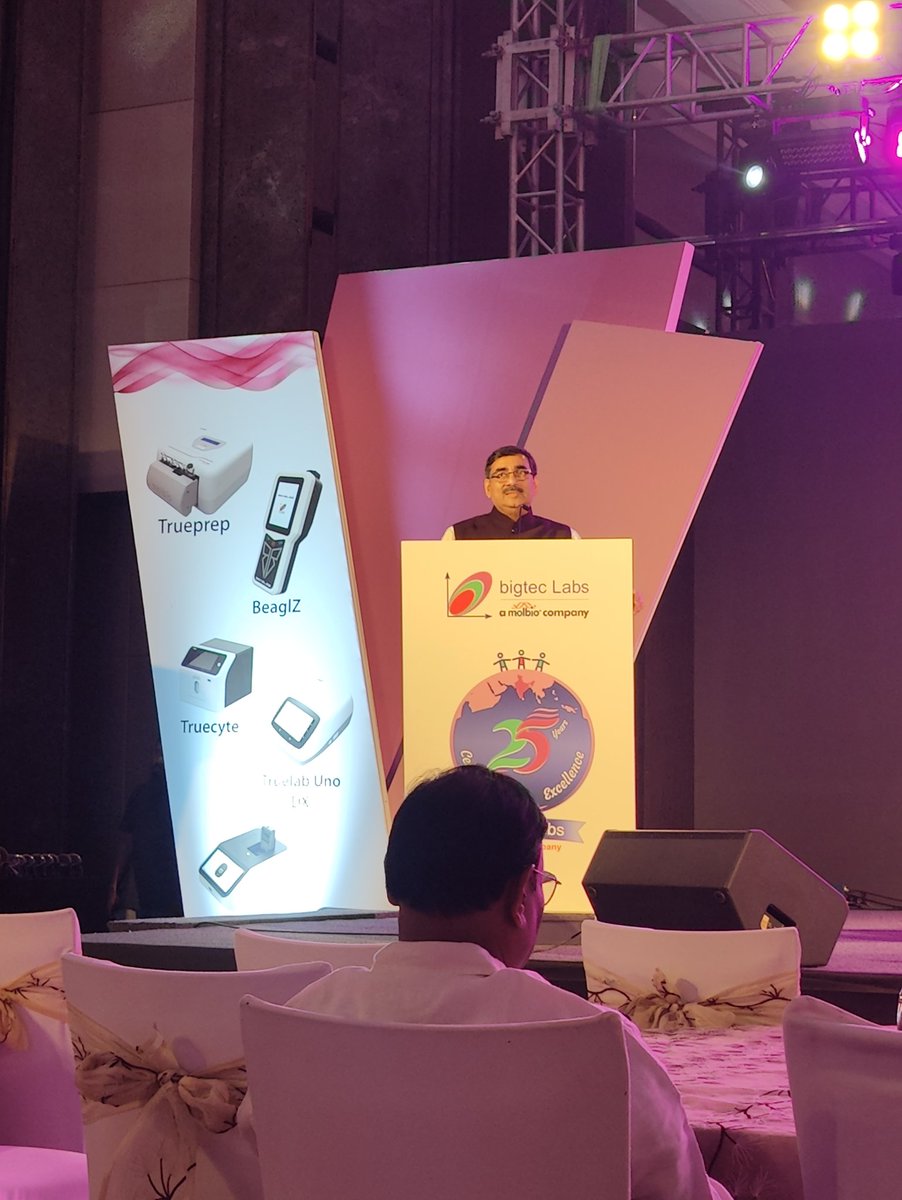
Really Inspired at the 25 years of celebrating excellence at ....#Bigtechlabs and #molbiocompany
They are the pioneers of diagnostics for the primary health care in India.
Another DNB thesis lands in my inbox—joining its MD cousins.
My task is to evaluate it. A formality, really. The postgraduate has written it, the professor has supervised it—or so the paperwork claims.
I enter the username, type the password, and open the file—without hope.
An immaculate PDF appears. Crisp formatting. Polished grammar. Elegant English. Tables aligned with military precision. P-values refusing to cross the 𝘓𝘢𝘹𝘮𝘢𝘯 𝘳𝘦𝘬𝘩𝘢- the 0.05 threshold. It looks like research, but it isn’t science.
There is no question, no curiosity, no wonder. Only data, arranged to pass. Methods are borrowed. Results, brazenly copied. Plagiarism software outwitted. This isn’t scholarship. It’s certification.
What happened?
There was a time when the thesis was a rite of passage—typed line by line, slowly, painfully. Pages corrected, retyped, carried with care and pride. Imperfect, yes, but sincere. Today, a ghostwriter assembles your thesis while you sleep. For a fee, you purchase data and lease your integrity.
Each thesis I read tells the same silent tale: borrowed questions, recycled methods, conclusions without meaning. The student doesn't understand it. The guide doesn’t care. The institution demands compliance, not curiosity.
How did we get here?
First came the software. Then the internet. Medical colleges mushroomed. Degrees multiplied. But the time to teach research disappeared. So did the desire to learn it. The rot spread—quietly, completely, from the top down.
Truth, today, is casualty.
We’ve made deception routine. We've taught our students that science is not a way of thinking, but a passport to the MD exams. That it is easier to fake findings than to ask questions. That looking like a scientist matters more than thinking like one.
This is not just bad science. This is anti-science.
And no one pauses. Not the student. Not the guide. The department head does not care. The Dean looks the other way. The examiner does not blow the whistle.
Not even the journal editor who may one day publish this charade. With in-house journals and institutions chasing publication metrics, every thesis stands a near-certain chance of getting published.
And ignored.
We are not training scientists. We are producing impostors.
We must stop. Scrap the thesis, if we must. Yes, stop them. At the very least, don’t compel students to partake in this parody. Let them learn honesty before technique. Let them fail truthfully, rather than succeed through fraud.
Sir Doug Altman, the British statistician, warned us in the 𝗕𝗠𝗝 in 1994: “𝘞𝘦 𝘯𝘦𝘦𝘥 𝘭𝘦𝘴𝘴 𝘳𝘦𝘴𝘦𝘢𝘳𝘤𝘩, 𝘣𝘦𝘵𝘵𝘦𝘳 𝘳𝘦𝘴𝘦𝘢𝘳𝘤𝘩, 𝘢𝘯𝘥 𝘳𝘦𝘴𝘦𝘢𝘳𝘤𝘩 𝘥𝘰𝘯𝘦 𝘧𝘰𝘳 𝘵𝘩𝘦 𝘳𝘪𝘨𝘩𝘵 𝘳𝘦𝘢𝘴𝘰𝘯𝘴.”
He was right then. He is right now.
The publish-or-perish culture lives on. But the tragedy is this: we are publishing—and still perishing.
#research #thesiswriting
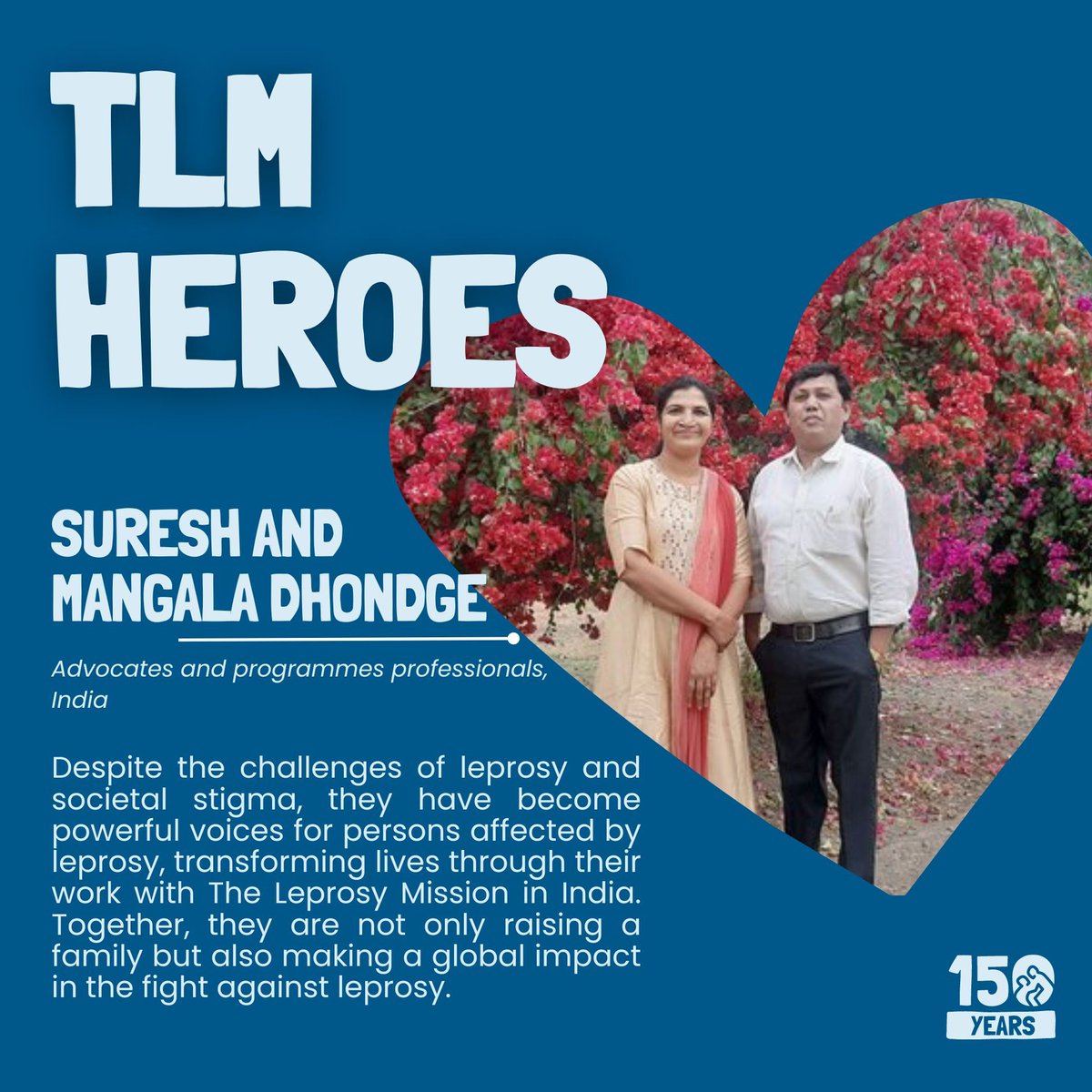
Suresh and Mangala's remarkable journey from facing challenges to becoming advocates is truly inspiring. Today, we are celebrating this couple on #HeroesThursday. Discover more about their incredible story here: https://t.co/HwIPlRHJWd
Extraordinary courage, commitment & a never-give-up spirit are not linked to medals…
#SheetalDevi, you are a beacon of inspiration for the country—and the entire world.
Almost a year ago, as a salute to your indomitable spirit, I had requested you to accept any car from our range and we would customise it to enable your navigation.
You rightly said you would take up the offer when you turned 18, which you will next year.
I look forward to fulfilling that promise to you…
And, of course, no one else could be my #MondayMotivation
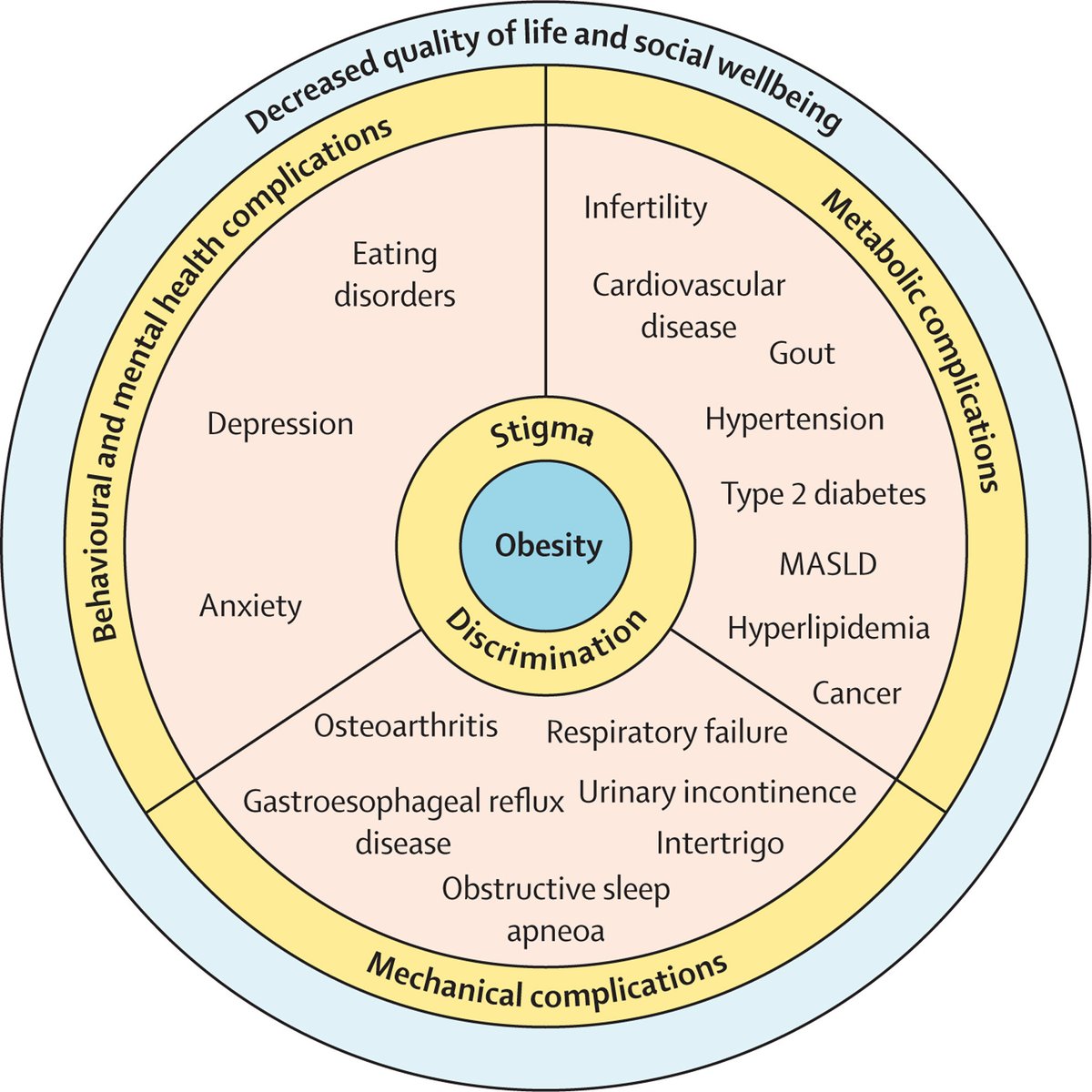
Obesity is a growing global epidemic with major health consequences.
Bariatric surgery is the most effective treatment, with progress in the development of pharmacological agents. However, all obesity treatments have been underutilised.
Find out more:
https://t.co/A50Bsd6ydb
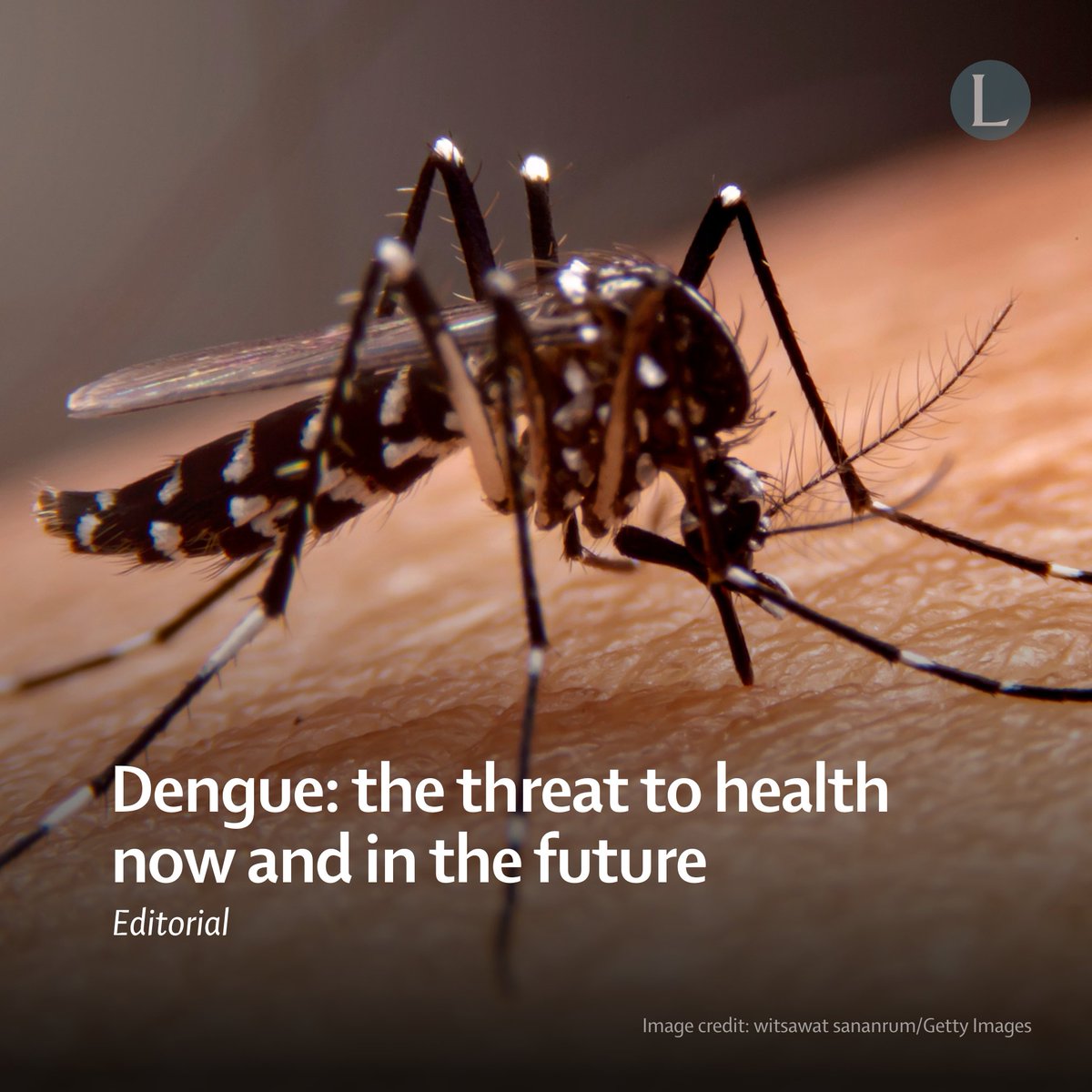
2024 is the worst year for dengue cases on record, with over 10 million cases already reported globally.
A Lancet Editorial highlights the need for a multipronged and multidisciplinary approach to halt the spread of dengue virus: https://t.co/xnSsOu3H4r
It’s #WorldMosquitoDay
Why is #dengue fever spreading to places it did not exist before? What are the symptoms and treatments? What about vaccines? Dr Raman Velayudhan explains in Science in 5.
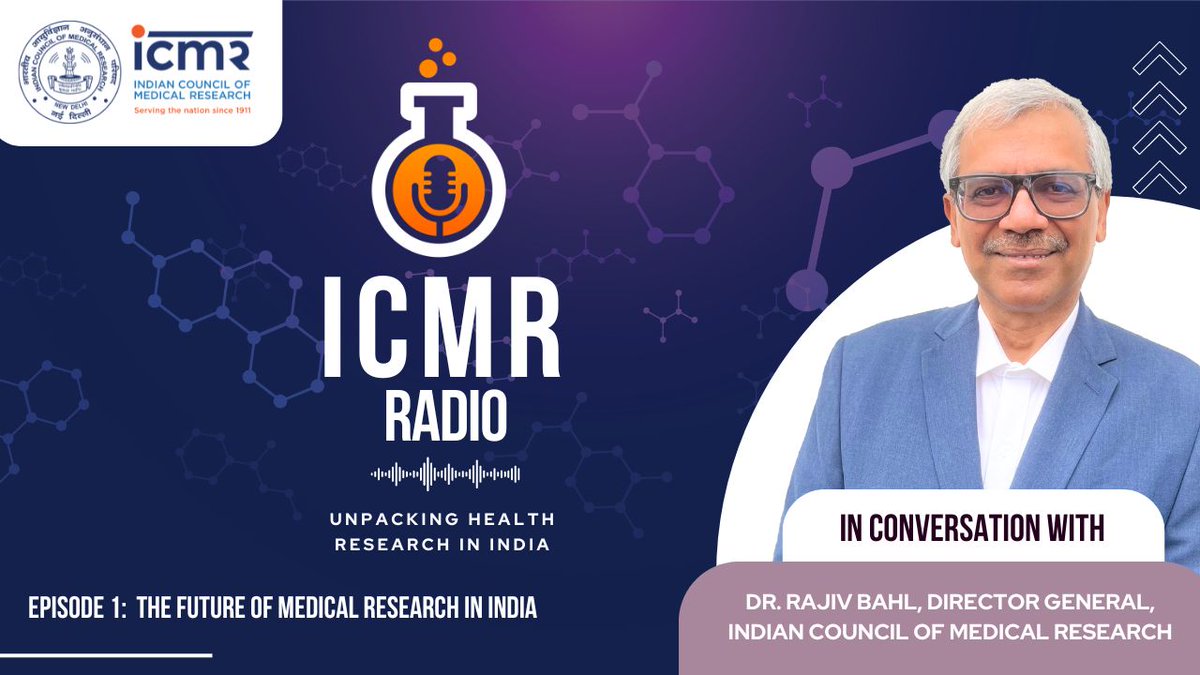
Don't miss ICMR Radio, our brand-new podcast series, which launches this #IndependenceDay! In episode 1, Dr. Rajiv Bahl, DG ICMR, sheds light on how India will meet the health challenges of the future. Subscribe & don't miss an episode: https://t.co/VkIpamQlE9
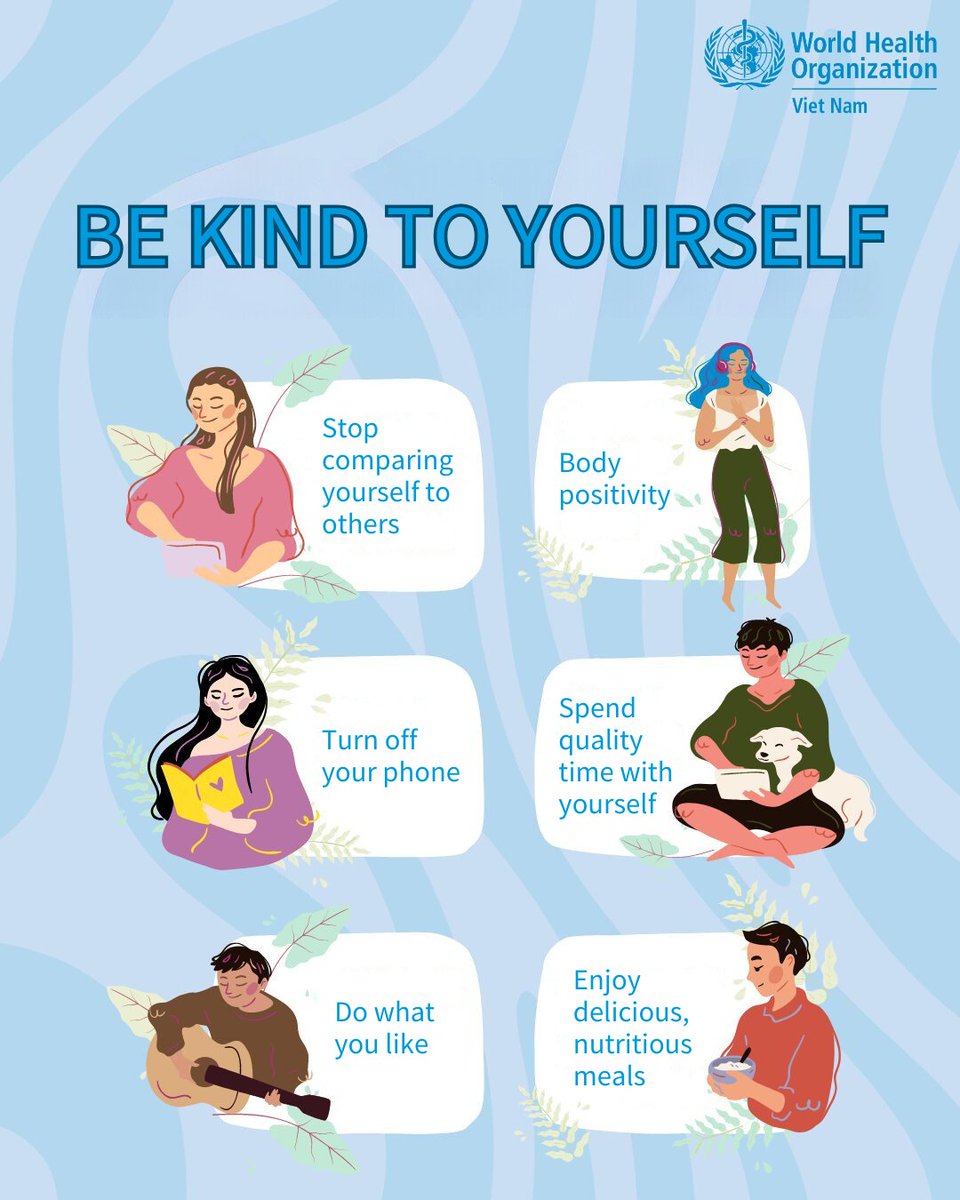
To be able to show love and care to those around you, you need to be loving, compassionate and kind to yourself as well.
Follow these tips to give your #MentalHealth a boost and help turn a not-so-great day into one you can enjoy!
#MentalHealthMatters
Subclinical infection in leprosy is also a challenge. Like TB we need trunat tests in #leprosy . At @TLMIndia , we have developed a screening test by multiplexing 3 genes to detect M.Leprae. Thanks to several grants from @ICMR.
TRACE TEST TREAT is our motto.
A big challenge for #TB elimination is this fact that a lot of people have subclinical TB. We need much greater use of X-rays and molecular tests (NAATs) at primary health level to diagnose everyone with TB in the community- India needs to scale up both. @ICMRDELHI@MoHFW_INDIA
Drug-resistant infections are a global problem.
They’re a threat to our health, livelihoods, healthcare systems and national economies.
However, the weight of this burden is not felt equally.
Not even close. ⤵️🌍 [1/3]
📢 Big news!
Indian Patent Office has rejected J & J's application for paediatric formulation of lifesaving TB drug, #bedaquiline, thanks to efforts by The Delhi Network of Positive People (DNP+), Mumbai-based TB survivor/TB-HIV activist, Ganesh Acharya, and support by @MSF.
🔗 https://t.co/Tl76wptRdF


![wellcometrust's tweet photo. Drug-resistant infections are a global problem.
They’re a threat to our health, livelihoods, healthcare systems and national economies.
However, the weight of this burden is not felt equally.
Not even close. ⤵️🌍 [1/3] https://t.co/FAtHZ0yRVe](https://pbs.twimg.com/media/GSsGYs0WYAAFrot.jpg)


