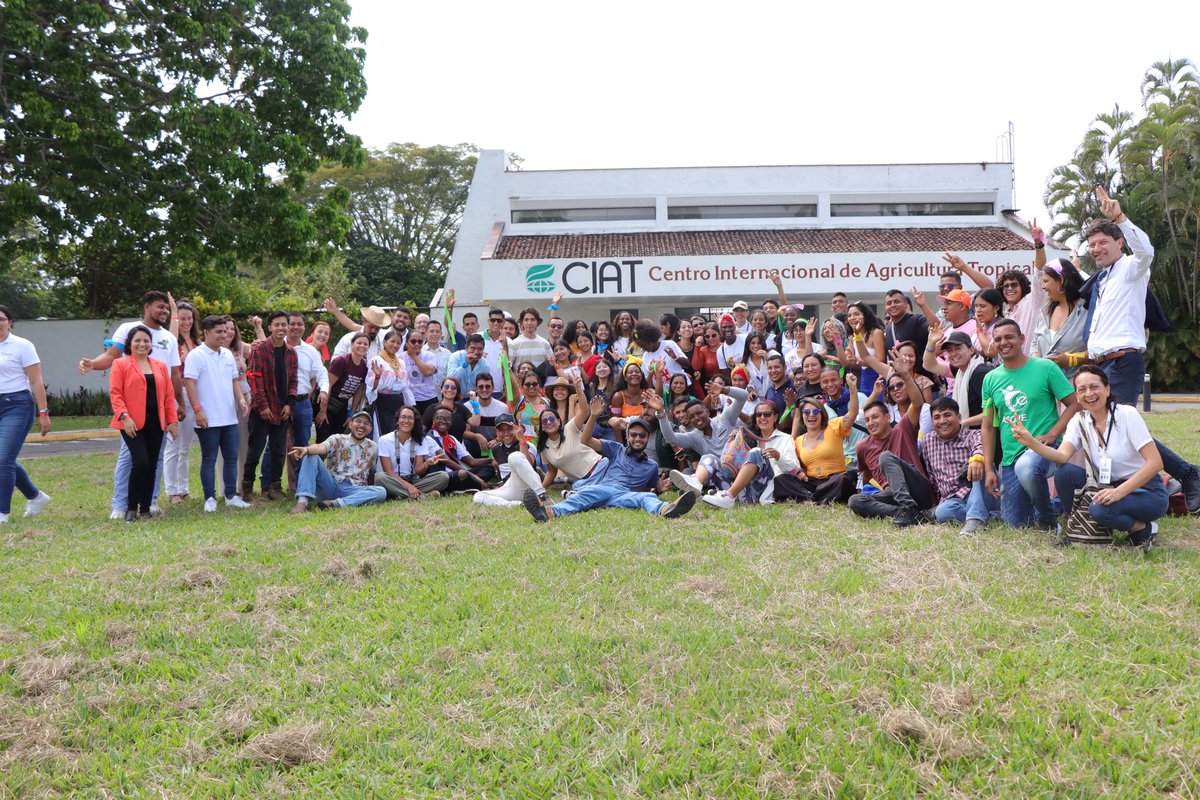
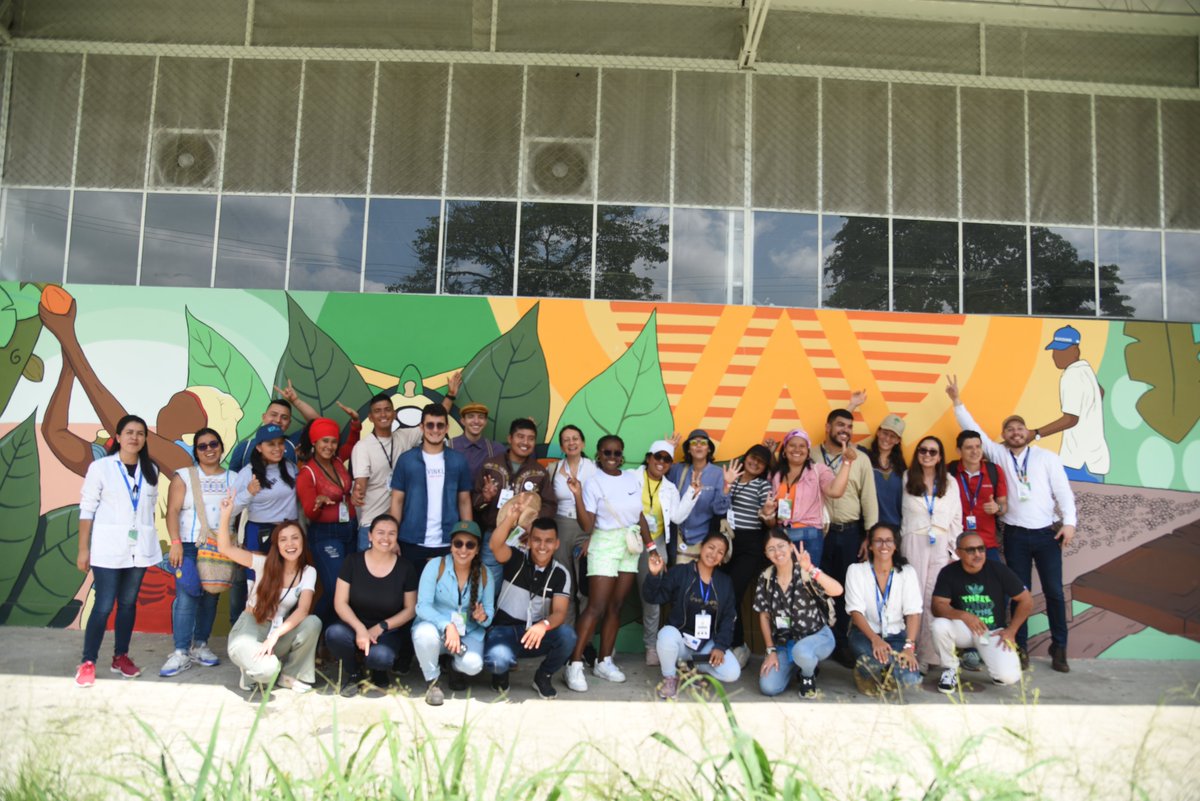
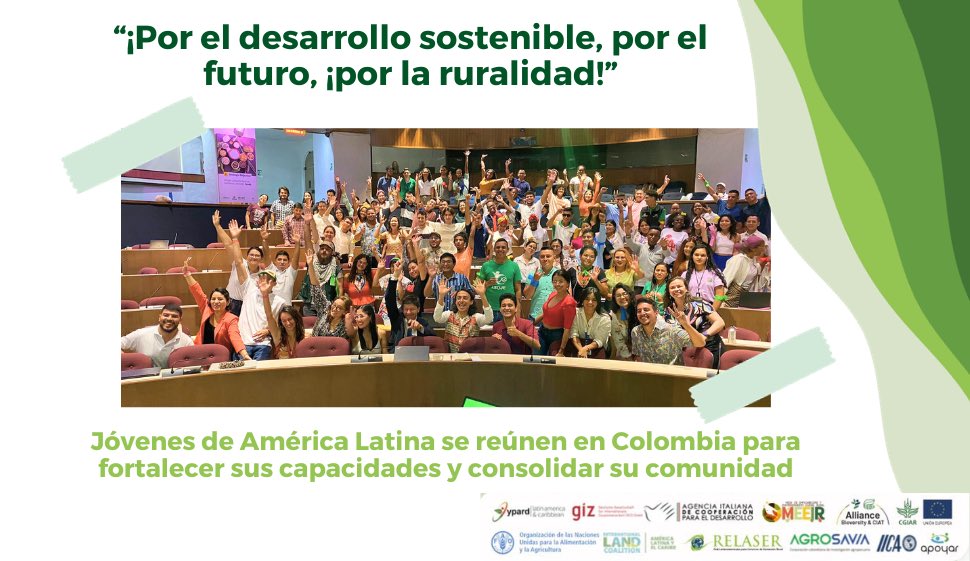
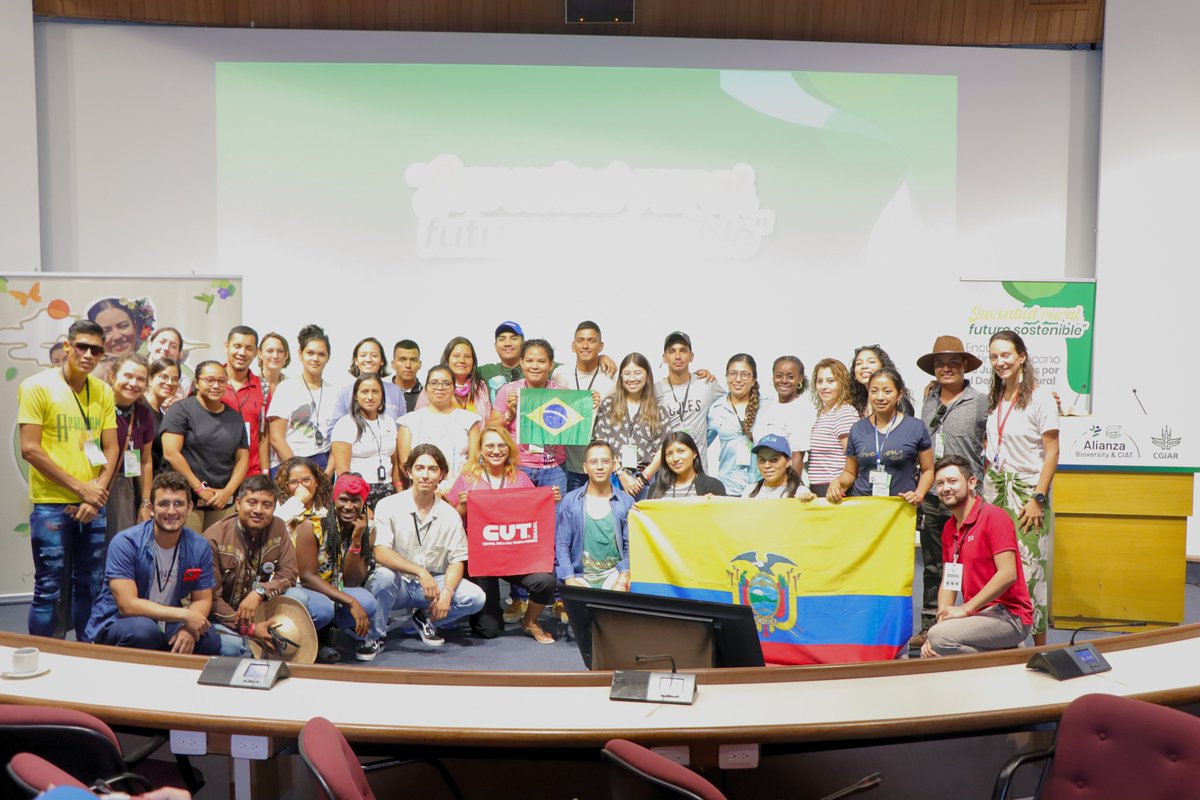
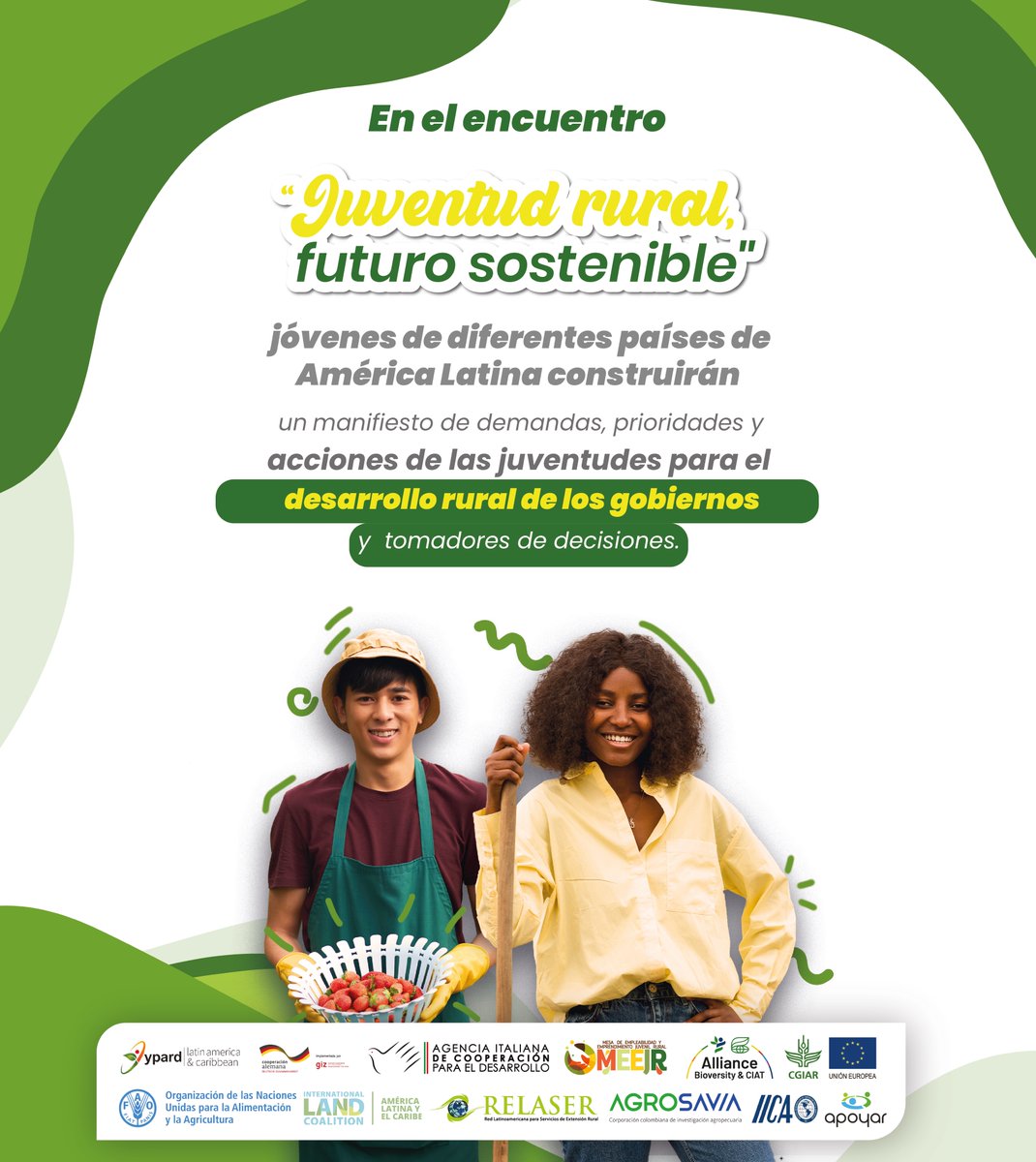
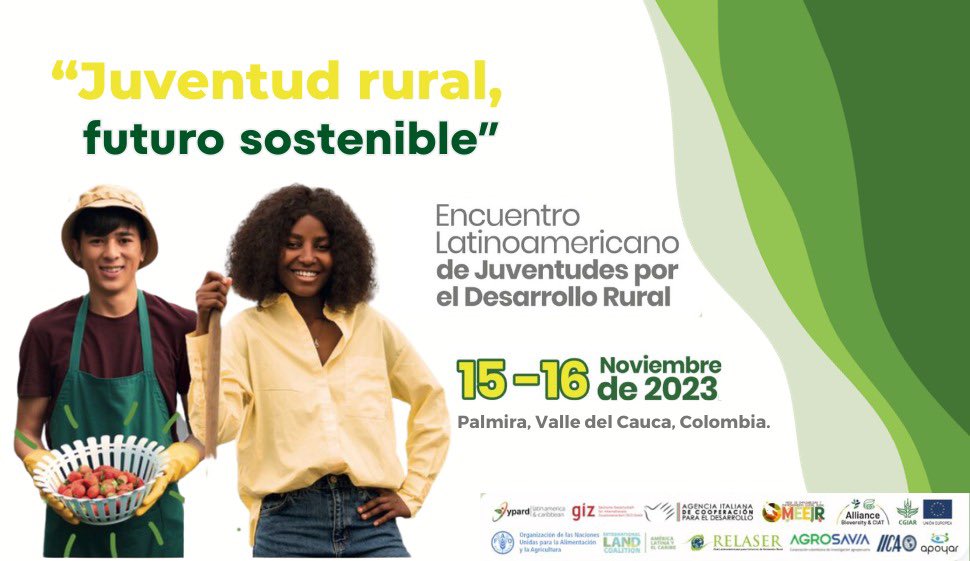
Más de 80 jóvenes de distintos países de América Latina se reunieron en 🇨🇴 para el encuentro Juventud Rural Futuro Sostenible. Compartieron conocimientos, fortalecieron capacidades y consolidaron una comunidad de jóvenes por un desarrollo rural inclusivo👉🏻 https://t.co/O3kxZQQFjV
🧵Desde "Juventudes: el Campo en Movimiento", celebramos el éxito del Encuentro Latinoamericano de Juventudes por el Desarrollo Rural. Más de 100 jóvenes Latinoamérica se reunieron en Palmira y unieron fuerzas para impulsar un desarrollo rural sostenible de la región🫱🏽🫲🏾🌎
La próxima semana jóvenes de diferentes países de América Latina nos reuniremos en Palmira, Colombia, para el Encuentro Latinoamericano “Juventud rural, futuro sostenible”.
Conoce más sobre lo que se espera de esta importante experiencia para la juventud de la región.
Jóvenes de América Latina y el Caribe se reúnen este 15 y 16 de noviembre en Palmira 🇨🇴 para el evento "Juventud Rural, Futuro Sostenible", que apoyamos desde #RELASER para contribuir a fortalecer sus capacidades, rol e incidencia en el desarrollo rural 👉🏼 https://t.co/Si8B66GnT7
Excelentes reflexiones de Xurde Gayol, Agente del Medio Natural jubilado en Asturias.
Por la conservación del lobo y de toda la fauna salvaje, se puede decir más alto, pero no más claro.
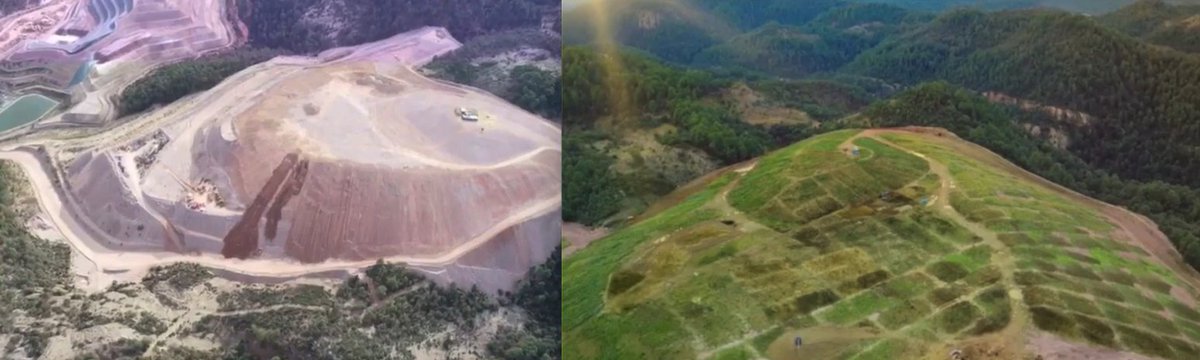
This abandoned mine site went from a barren wasteland to a verdant ecosystem teeming with soil and plant life within a year.
How? The intelligent use of cattle.
Mine tailings are the rocky waste materials left over from processing metal ores. Without elaborate and expensive reclamation efforts, mine tailings can remain bare and lifeless for decades. The typical reclamation process is expensive, requires heavy machinery, grueling manual labor, and often results in lackluster revegetation.
Enrique Guerrero, a cattle rancher from Chihuahua, MX, decided to take a different approach in hopes of restoring the lifeless mine tailings to a functional ecosystem.
After some terracing and seeding, Enrique began ultra-high density grazing on the mine site. He eventually reached a density of 2,500 cattle per hectare, rotating them through the site in quick intervals.
In less than a year, the entire site was carpeted with perennial grasses and forbs, with a total of 44 species. The forage attracted deer, wild turkeys, mountain lions, numerous birds, and dung beetles.
Standard reclamation efforts cost at least $10,000 per hectare and require trucking in massive amounts of compost, fertilizers and amendments. Despite these efforts, the results are frequently underwhelming, with a mere 40% survival rate for seeded plants considered a success.
Enrique's approach cost $6,000 per hectare, and required only cattle, seed, corn stalks, hay, and supplementary feed. The result was rapid regeneration of the site's topsoil and complete revegetation of what would otherwise be a defunct moonscape.
While using cattle for land regeneration is not universally applicable, it opens the door for innovative solutions in managing the nearly 40,000 abandoned mine sites in the US alone.
Interesting marketing stunt from @oatly in @TheEconomist. Interestingly, they express their #CarbonFootprint per kg of oat juice, without any reference to nutritional content - the main point of consuming a drink.
Dairy provides far more nutritional bang for the carbon buck! 🐄
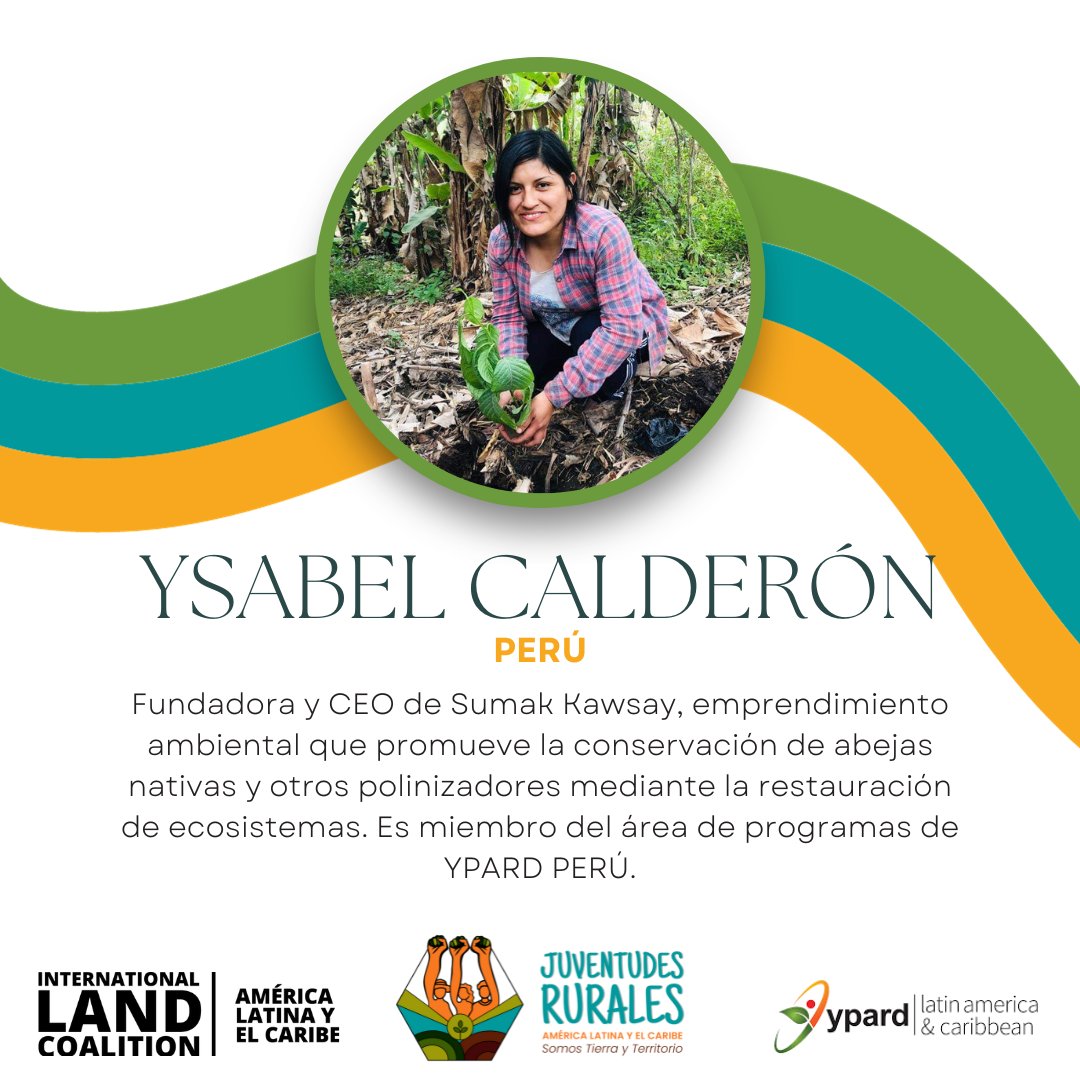
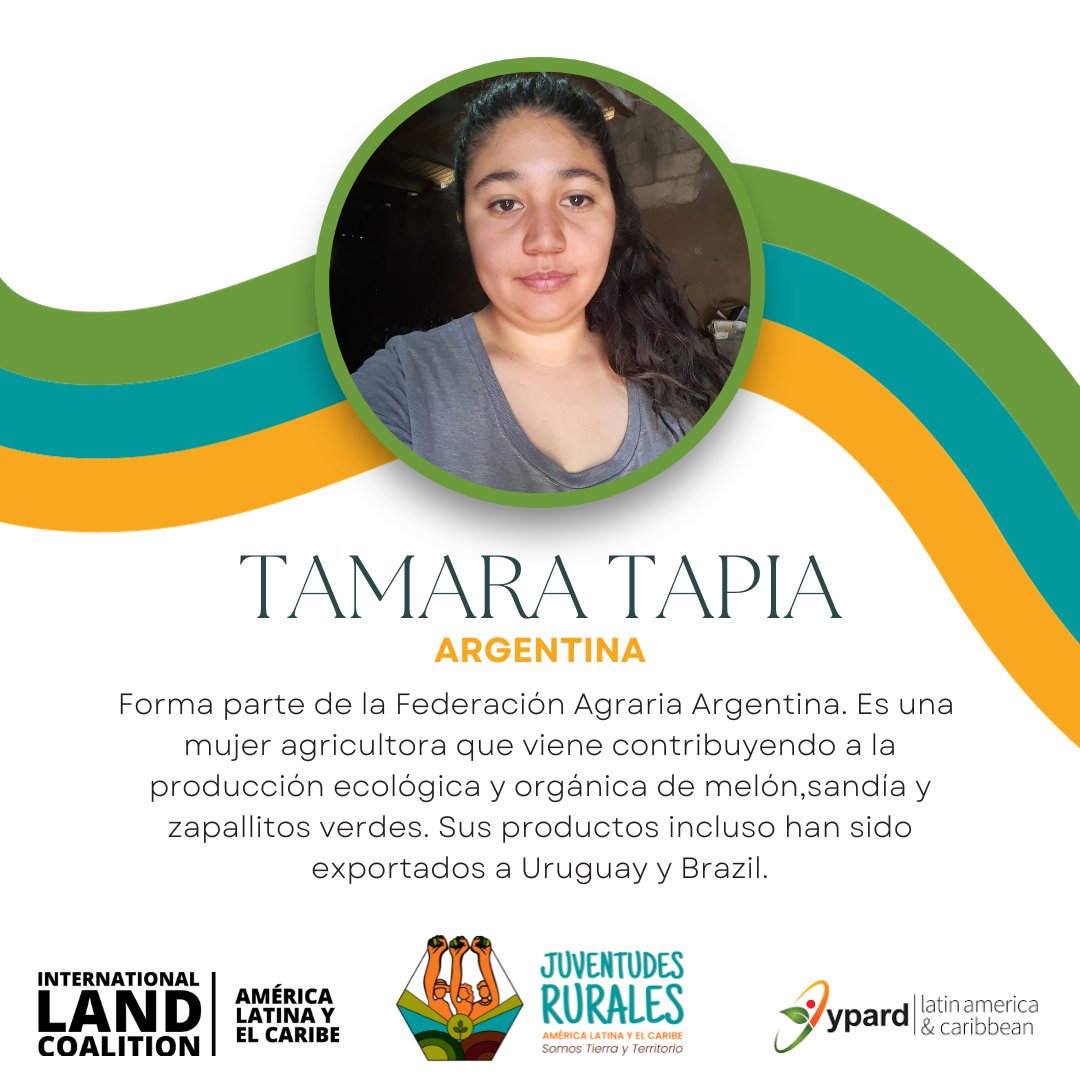
Conoce a las speakers de lujo de nuestro evento, "El rol de la mujer en la transformación de los sistemas alimentarios frente al cambio climático".
📍 @World_FoodForum
🗓️19 de agosto
🕑 8:30 - 10:00 a.m. Per/Col
¡Agrega el evento a tu calendario desde la plataforma oficial!🙌
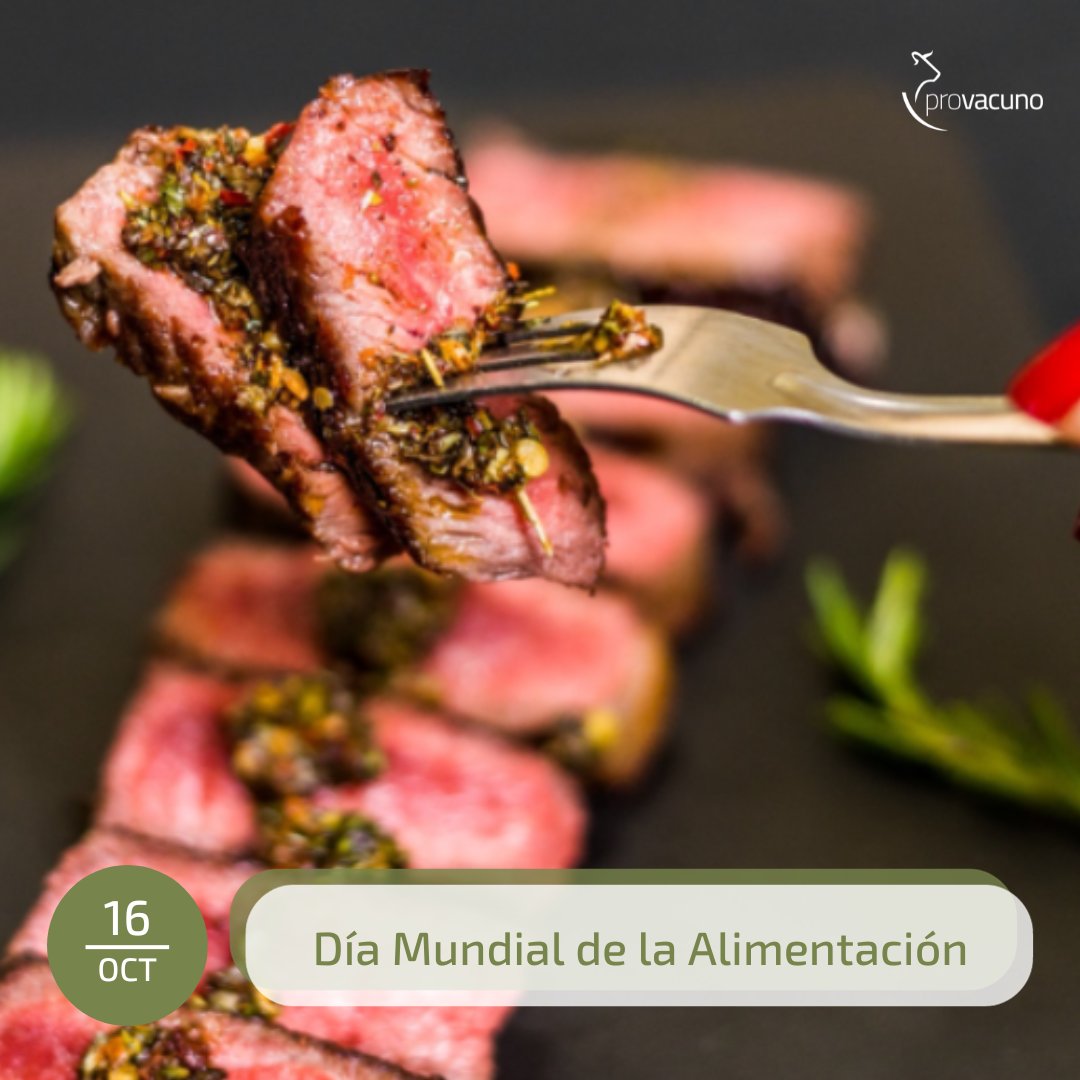
🥩 En el Día Mundial de la Alimentación os recordamos que la carne de vacuno:
✅ Contiene hierro, zinc y magnesio
✅ Es rica en vitamina B12
✅ Es rica en proteína biodispensable
✅ Es rica en potasio
✅ Ayuda al desarrollo de la masa muscular
🫶 ¡Somos #FansDelVacuno! ¿Y tú?
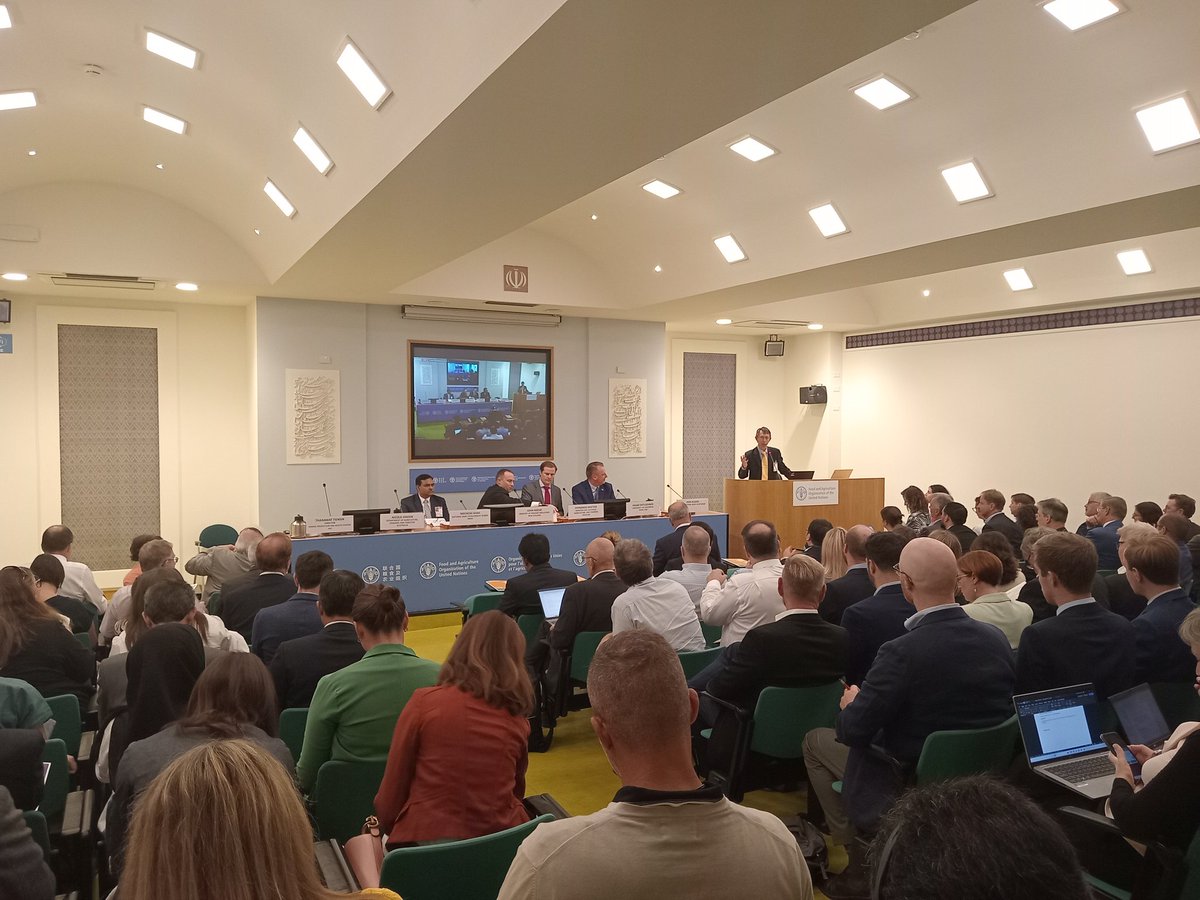
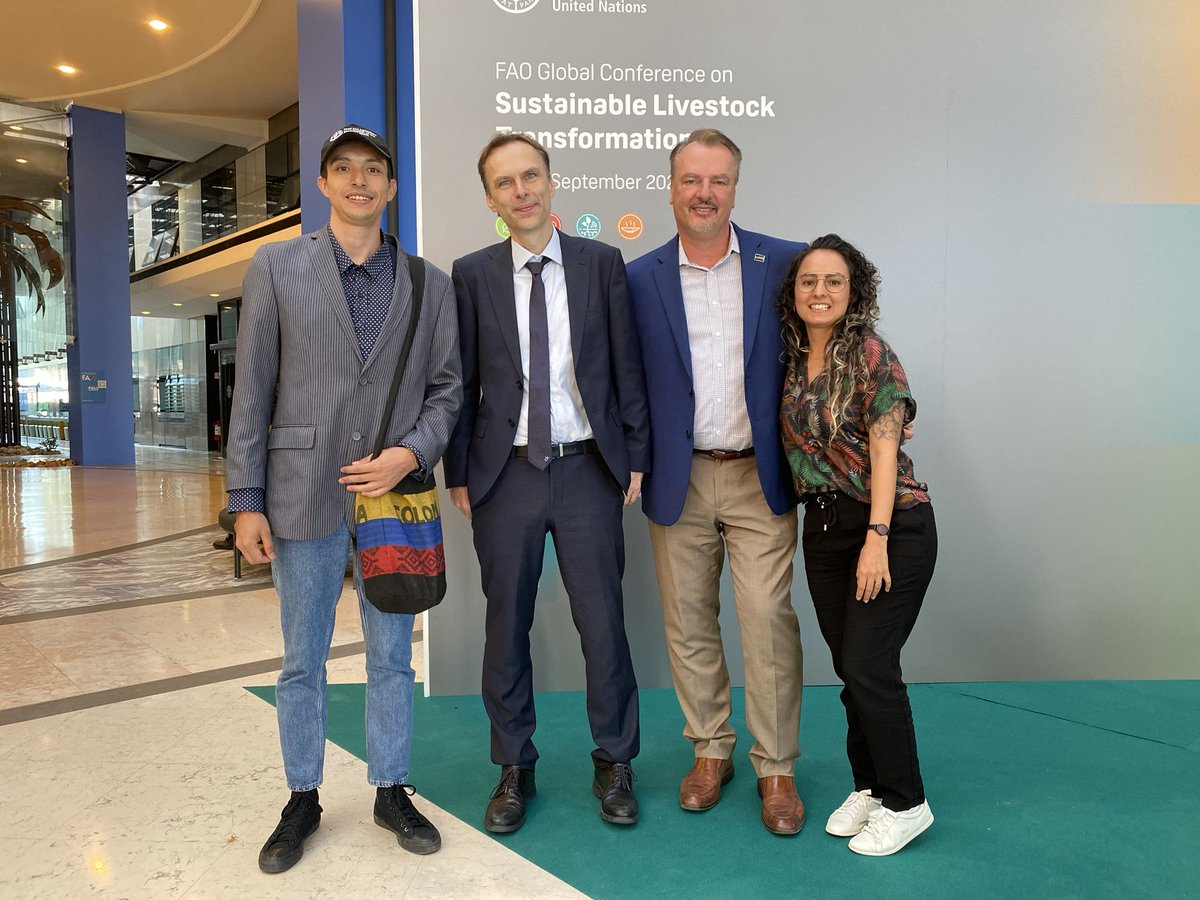
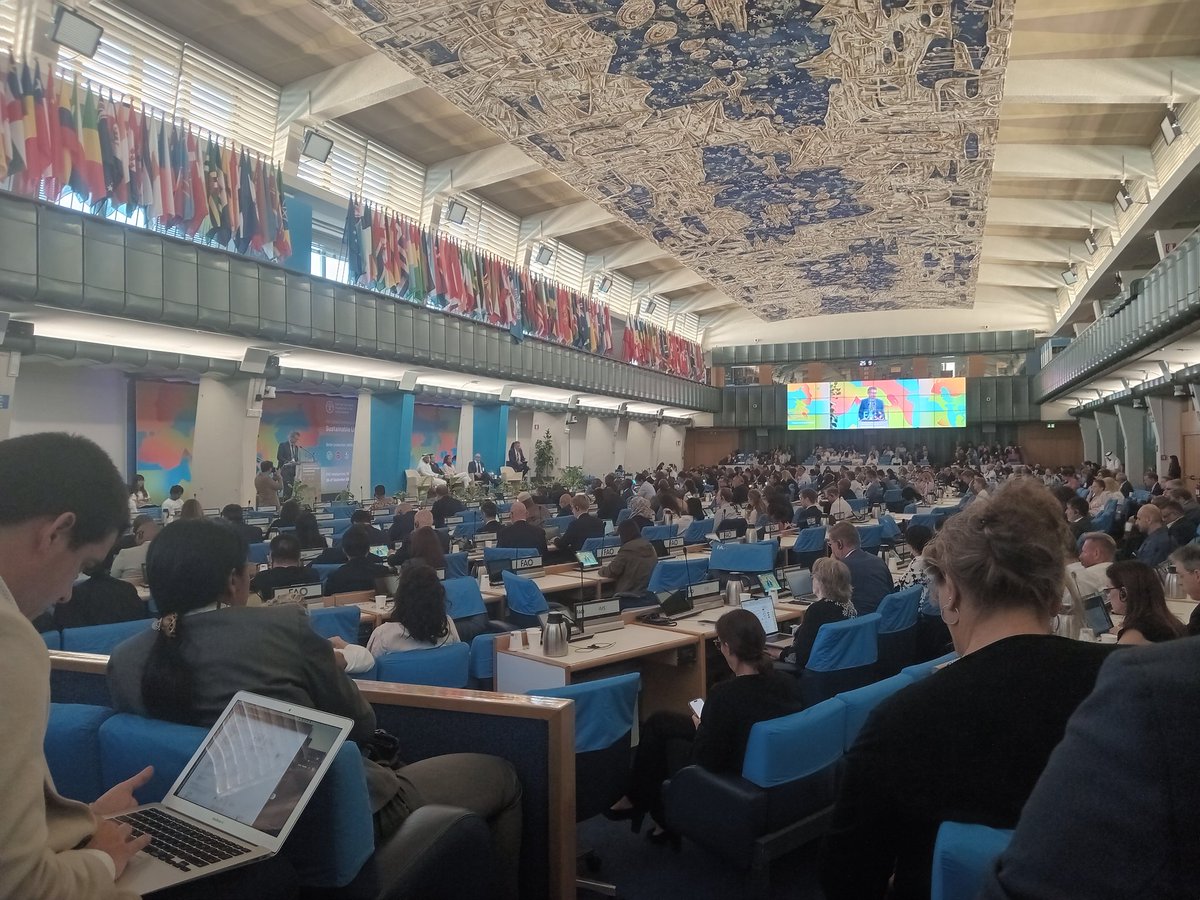
At the FAO #SustainableLivestock conference, I meet old friends like @fleroy1974 and new ones, like these two students from Colombia. Great networking opportunity—- thanks FAO for convening this important livestock conference!
Participado del Global Youth Dialogue on Sustainable Livestock Transformation, escuchando al maestro @GHGGuru sobre el reporte de Metano de la FAO y co-creando soluciones con colegas del sector. Gracias @ILCLatinAmerica@World_FoodForum#SustainableLivestock
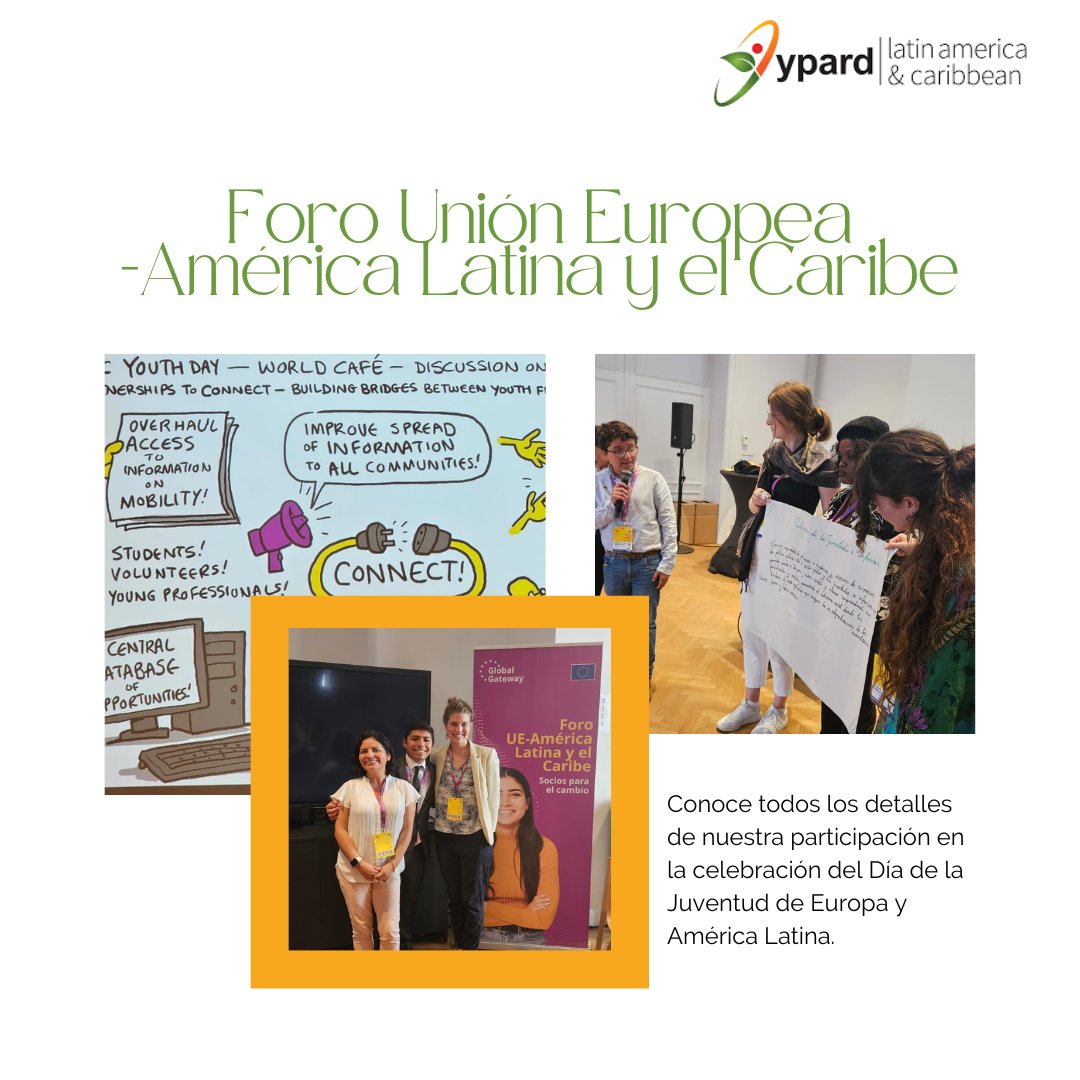
El pasado 13 y 14 de julio estuvimos junto a 60 jóvenes construyendo recomendaciones para los mandatarios en el marco de la cumbre UE-CELAC.
Te contamos todos los detalles ⬇️
🔗https://t.co/PqPN37rbms
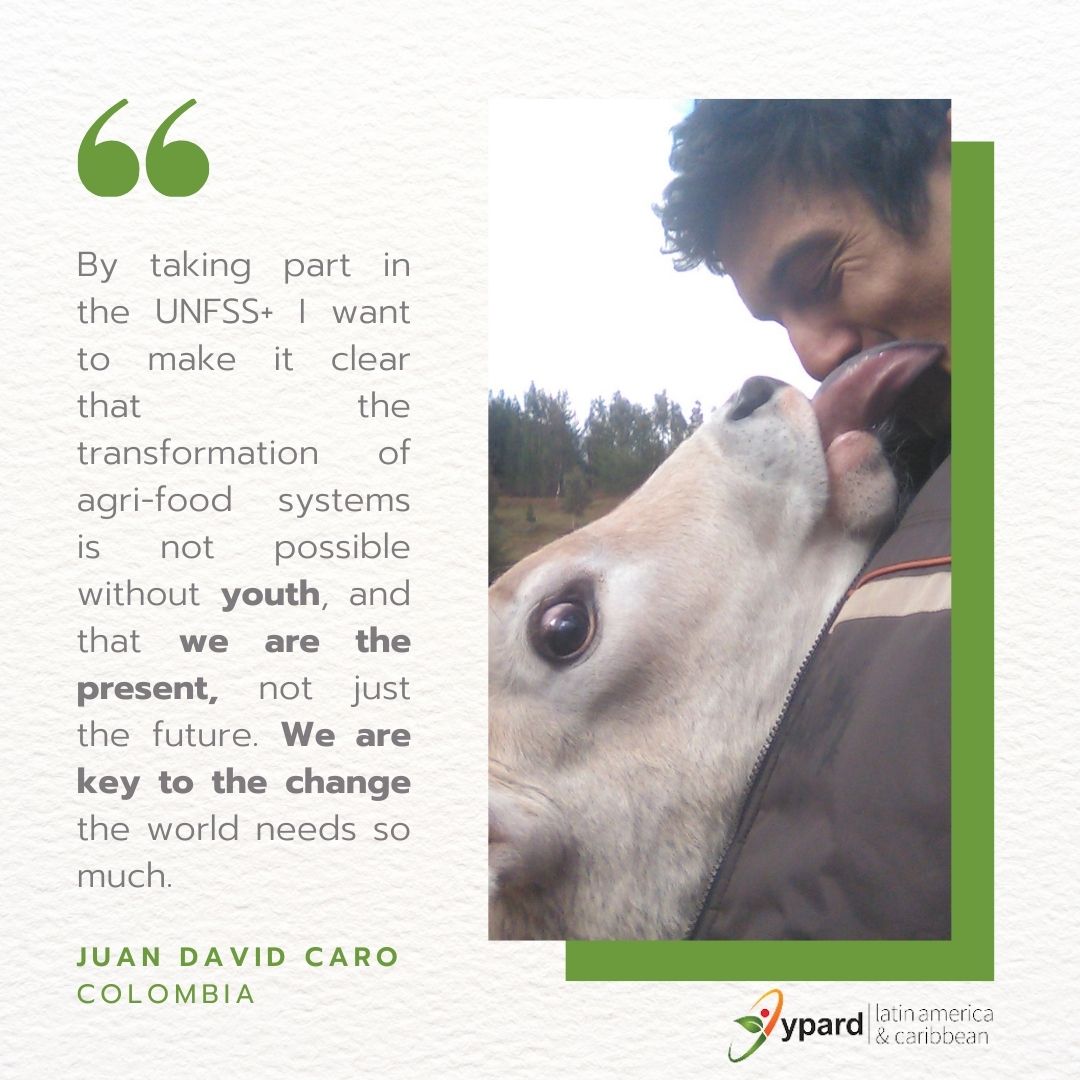
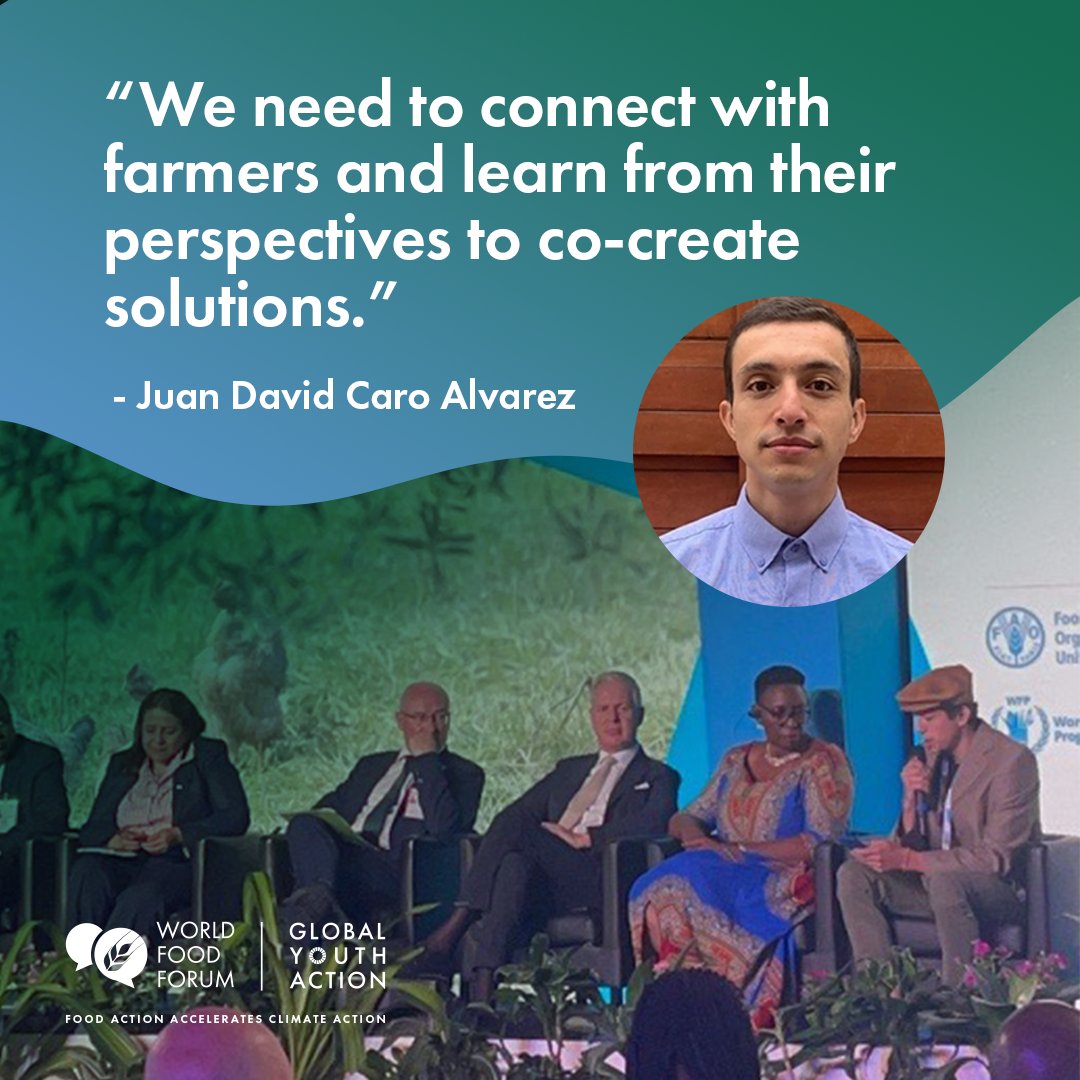
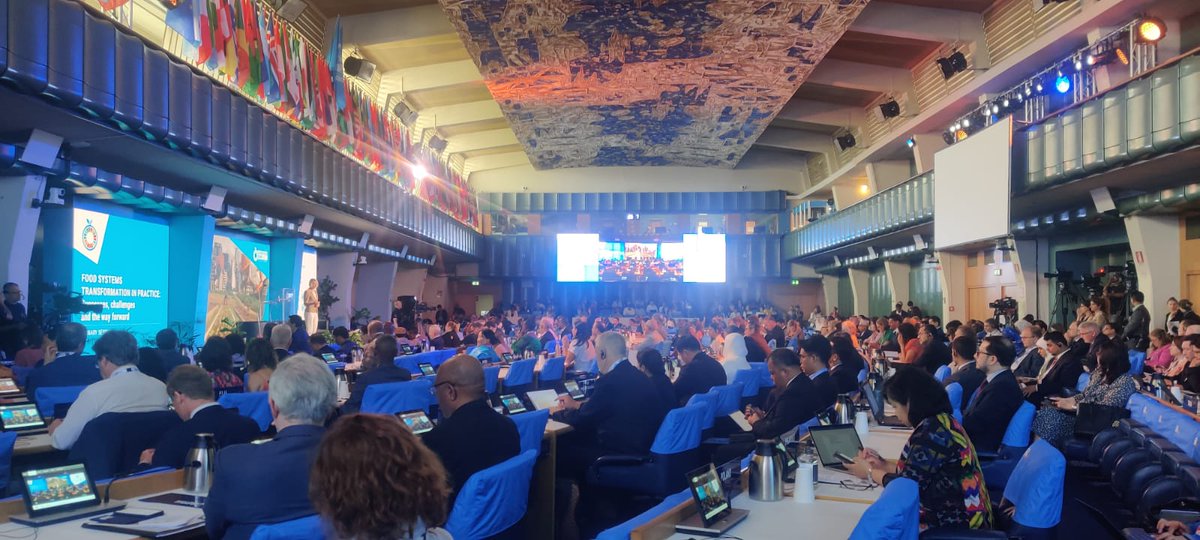
#WFF Youth Policy Board Member @jdkaroa shared his insights on youth and peer-to-peer learning in agriculture at the UNFSS +2 Plenary session on "Food Systems Transformation in Practice: Successes, Challenges and the Way Forward."
#UNFSS2023#FoodAction#ClimateAction
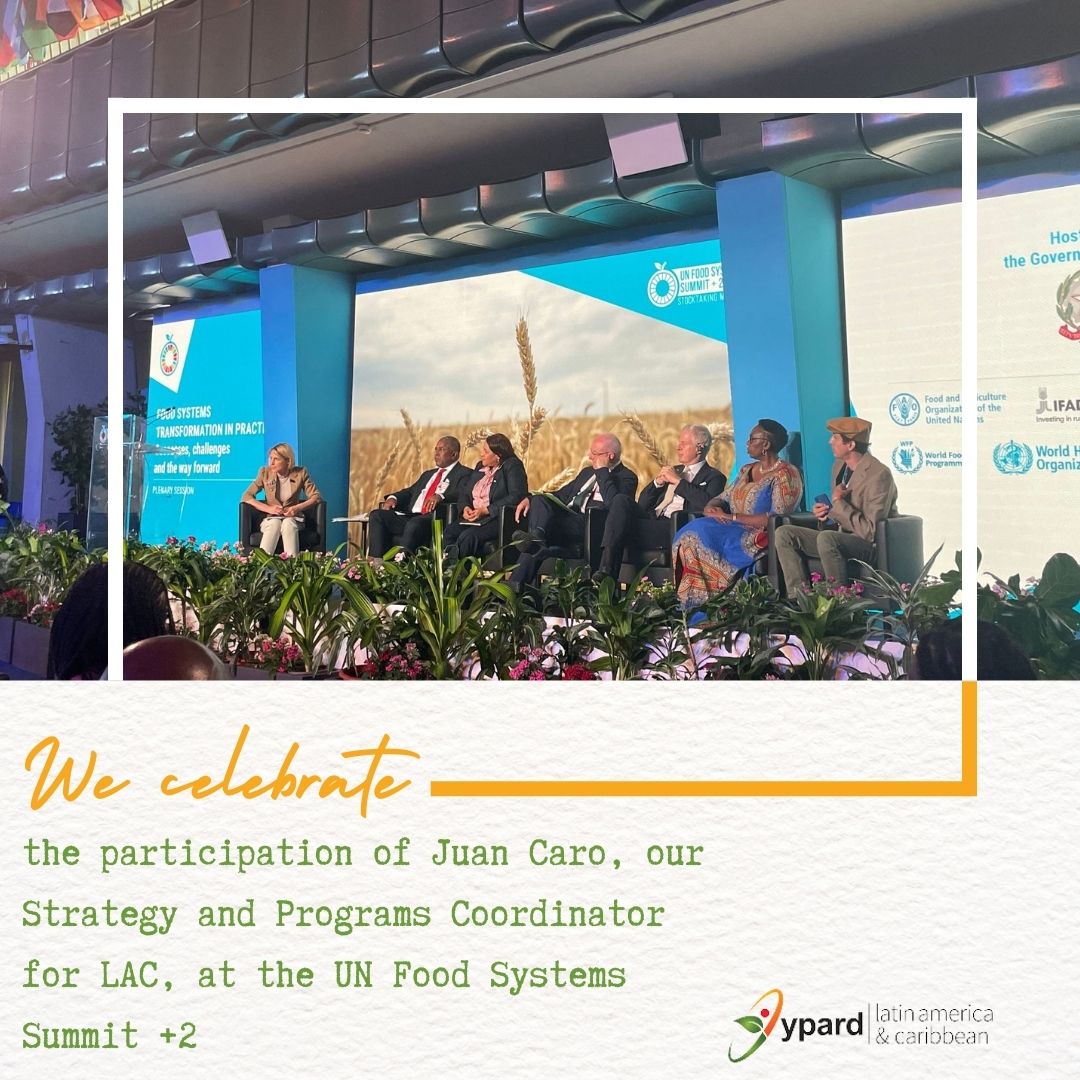
2nd Day | @UN@FoodSystems Summit+2 STM at @FAO HQ
Plenary session: Food Systems Transformation in Practice - Successes, Challenges and the Way Forward, with the participation of Juan Caro @jdkaroa@World_FoodForum YBP Co-Chair
Follow all sessions ➡️ https://t.co/Jz8OFujUa0
"Antes
Durante
Después
Un gran pisoteo de la materia orgánica. Así es como hemos agregado masas de carbono al suelo y transformado parte de nuestra tierra.
Las ovejas apretadas son, con mucha diferencia, las mejores pisoteadoras para el pastoreo regenerativo."
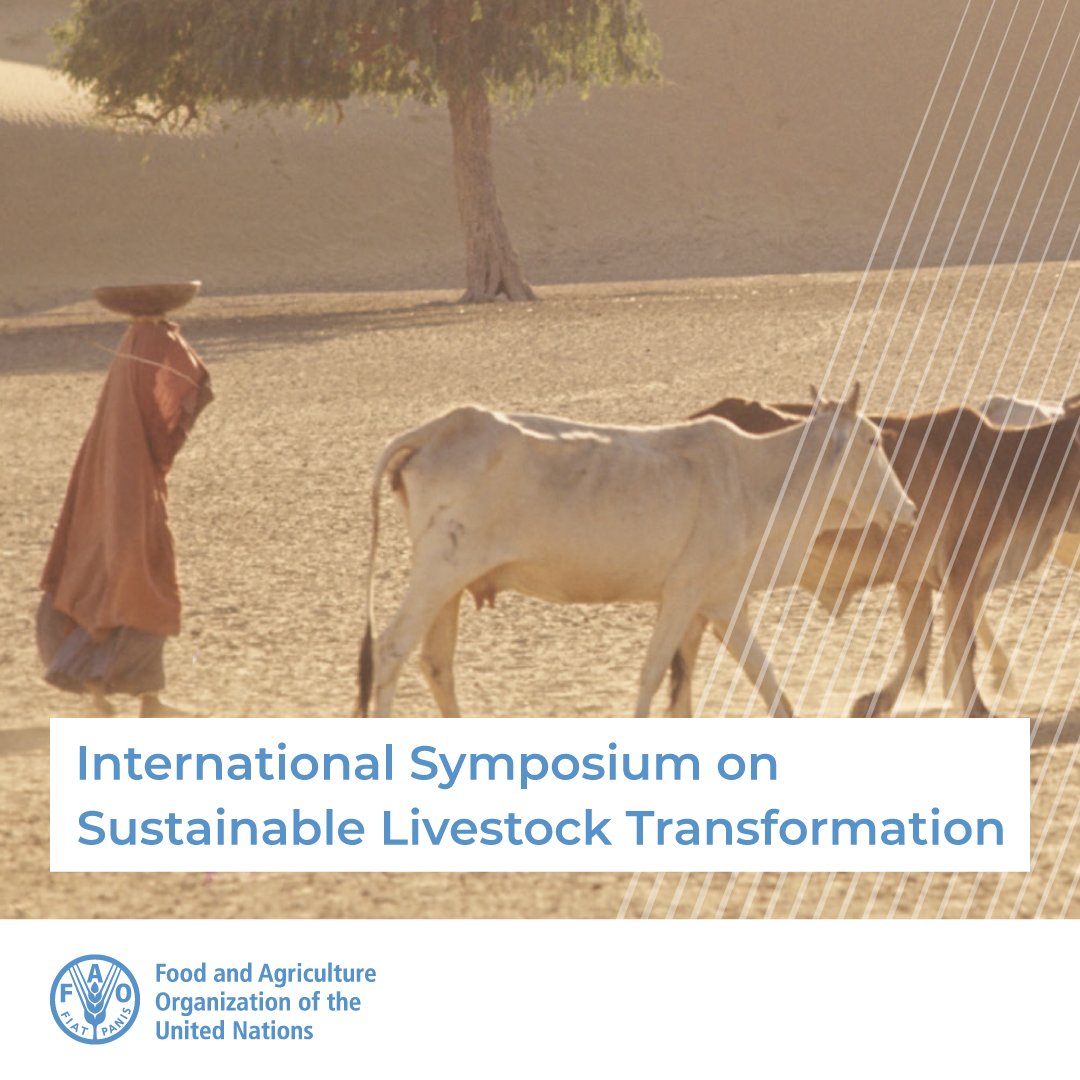
Livestock is an integral part of the global food systems due to its contribution in poverty reduction, food security & socio-economic development
📅International Symposium on Sustainable Livestock Transformation
🕐18-19 July 2023
📌Anand, Gujarat, India
➡️https://t.co/CHGBggTHEd
¿Cómo saberlo? Las densidades por km² indican patrones. Pero los herbívoros tienden a migrar. Por eso, el pastoreo móvil https://t.co/sc4goZEz9b, que no necesita grandes insumos e imita el comportamiento natural de los herbívoros silvestres, parece una buena idea.
(10/11)