#علم_اللغة_المقارن_للغات_الجزيرية
هذا الكلام غير صحيح بل جهل وتدليس تقف خلفه جهات تروّج لهذا الطرح الذي أصبحنا نسمعه من بعض المغردين في المشرق والمغرب والذين يزعمون أن اللهجات العربية المحكية في العالم العربي "لغات قديمة بلباس عربي". هذا كلام فارغ لا يمكن أن يصدر عن عارف باللغات القديمة واللغة العربية أو في علم اللغة.
وكلام المتحدثة حول الأزمنة جهل أو تدليس لأن الأزمنة في اللغات السامية - ومنها العربية والسريانية - اثنان فقط: ماضٍ ومضارع يكون للزمن الحالي والمستقبل. الاستثناء الوحيد هي العبرية الحديثة التي توظّف اسم الفاعل للزمن الحاضر والمضارع للمستقبل. وهذا تطور طارئ وليس أصيلاً لأن لعبرية التوراة زمنَين فقط الماضي والمضارع - كالعربية والسريانية. ولا يوجد في السريانية أو في أية لغة سامية أخرى (زمن واسع)، وادعاء وجوده كذب صريح.
نعم هنالك أثر لمفردات اللغات التي سبقت العربية في العالم العربي في اللهجات العربية الدارجة، دون النحو فاللغات تستعير المفردات فقط دون الأصوات والصرف والنحو.
My recent video just cracked 100,000 views! Thanks to everyone who has watched!!
In it I present what we know about Neolithic Mustatil & share the results of excavations we did in 2023.
We Excavated a 7,000-Year-Old Mustatil in Saudi Arabia https://t.co/Wos2bvV2Ym via @YouTube
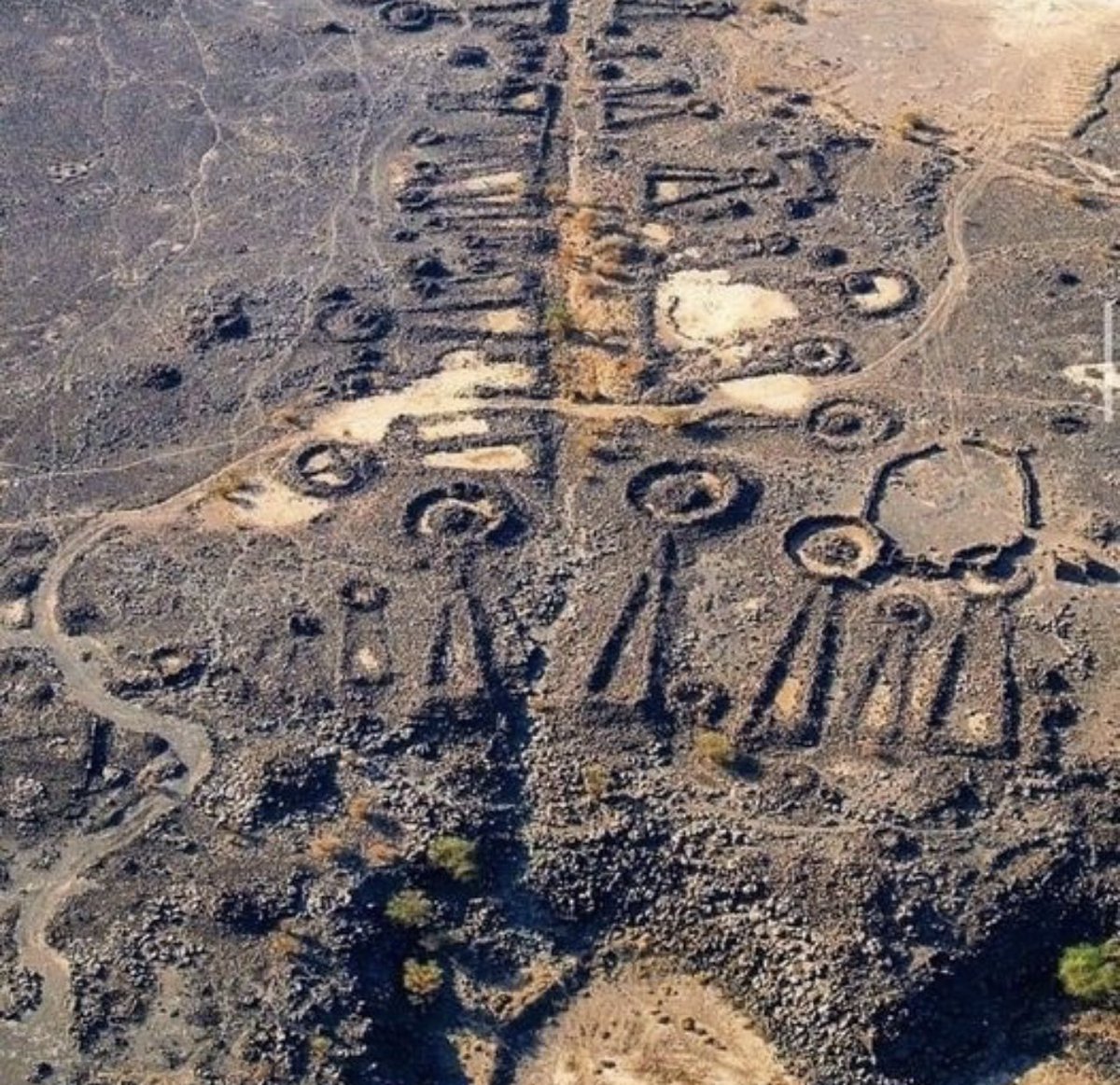
Archaeologists in Saudi Arabia have discovered a 4,500-year-old network of highways lined with well-preserved ancient tombs.
Researchers from the University of Western Australia conducted a large-scale investigation over the past year, consisting of aerial surveys by helicopter, ground surveys and excavations, and the study of satellite images.
The team discovered approximately 18,000 tombs along the avenues of graves, 80 of which have been sampled or excavated for research.
"Whacha readin'"
"The Book of the Dead"
"Egyptian or Tibetan?"
"Huh... it doesn't say..."
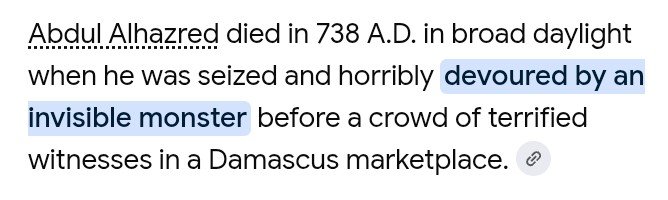
"...you're not reading the Necronomicon by the mad Arab Abdul Alhazred are you?"
"N-no..."
"You sure?"
"...no...."
@S_N_SES@TrillaGz What's up with the idea that it's impossible for Arabs to exist outside of Arabia prior to Islam
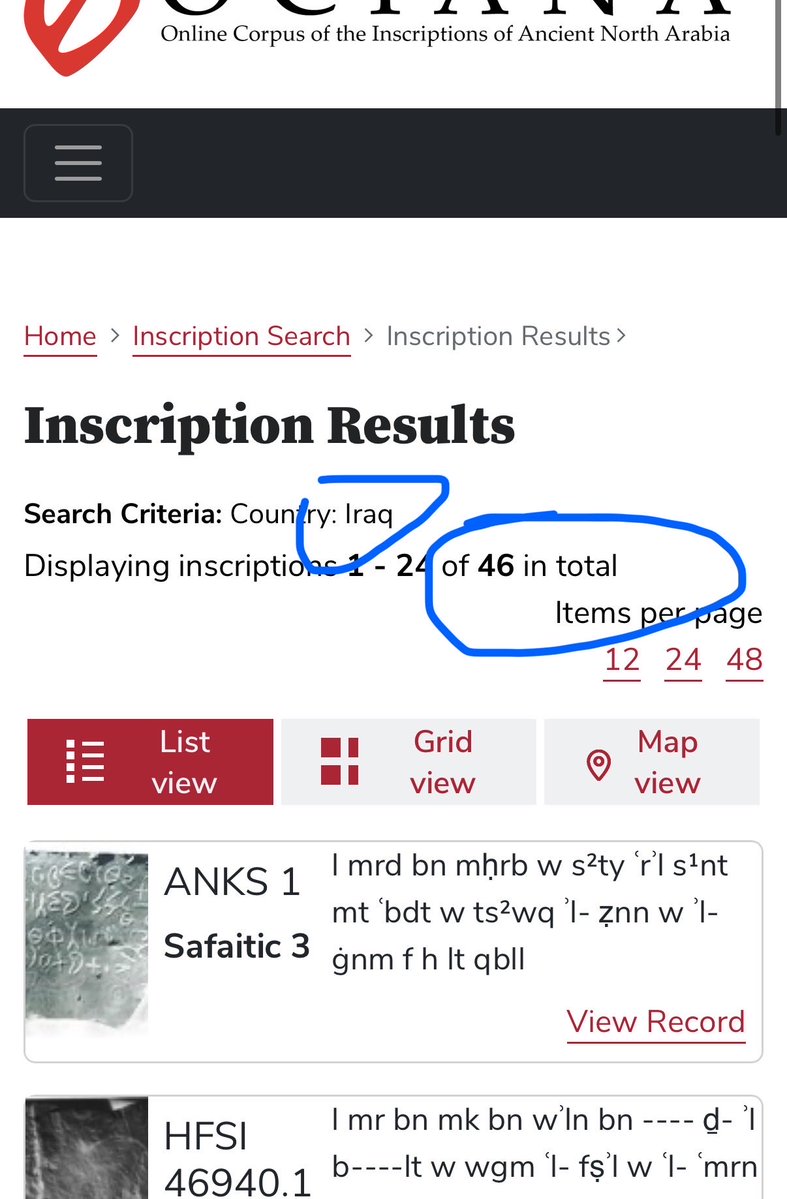
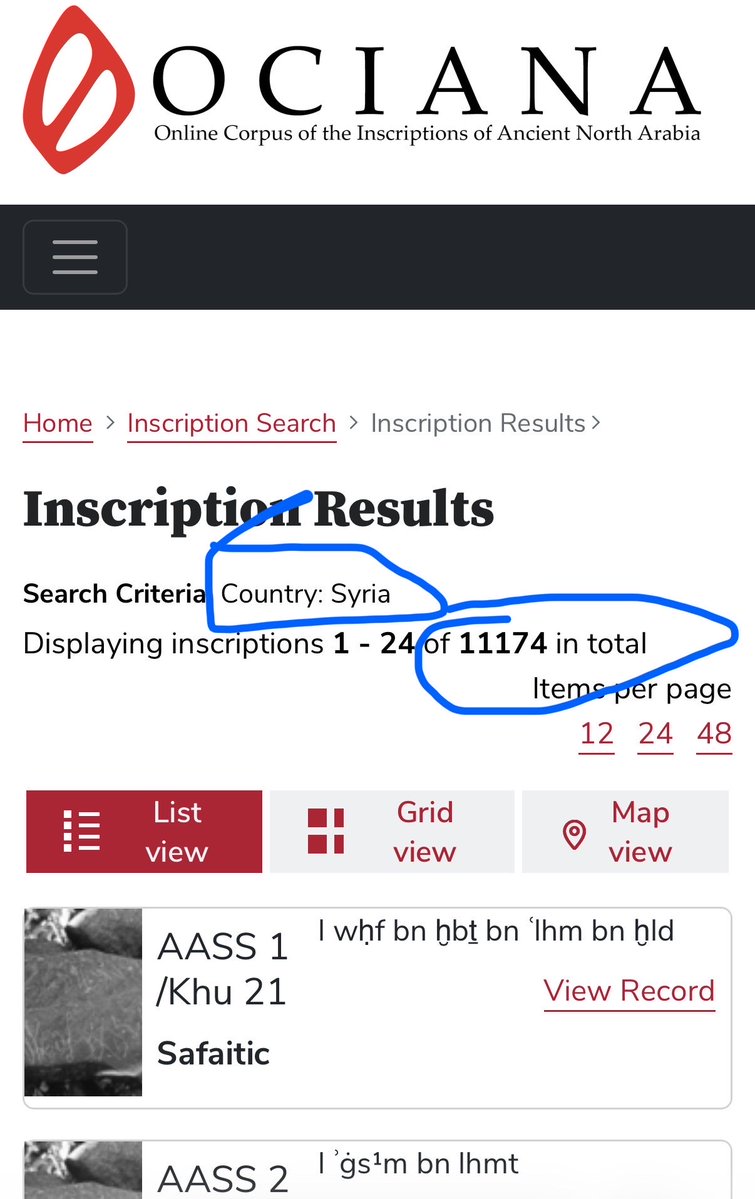
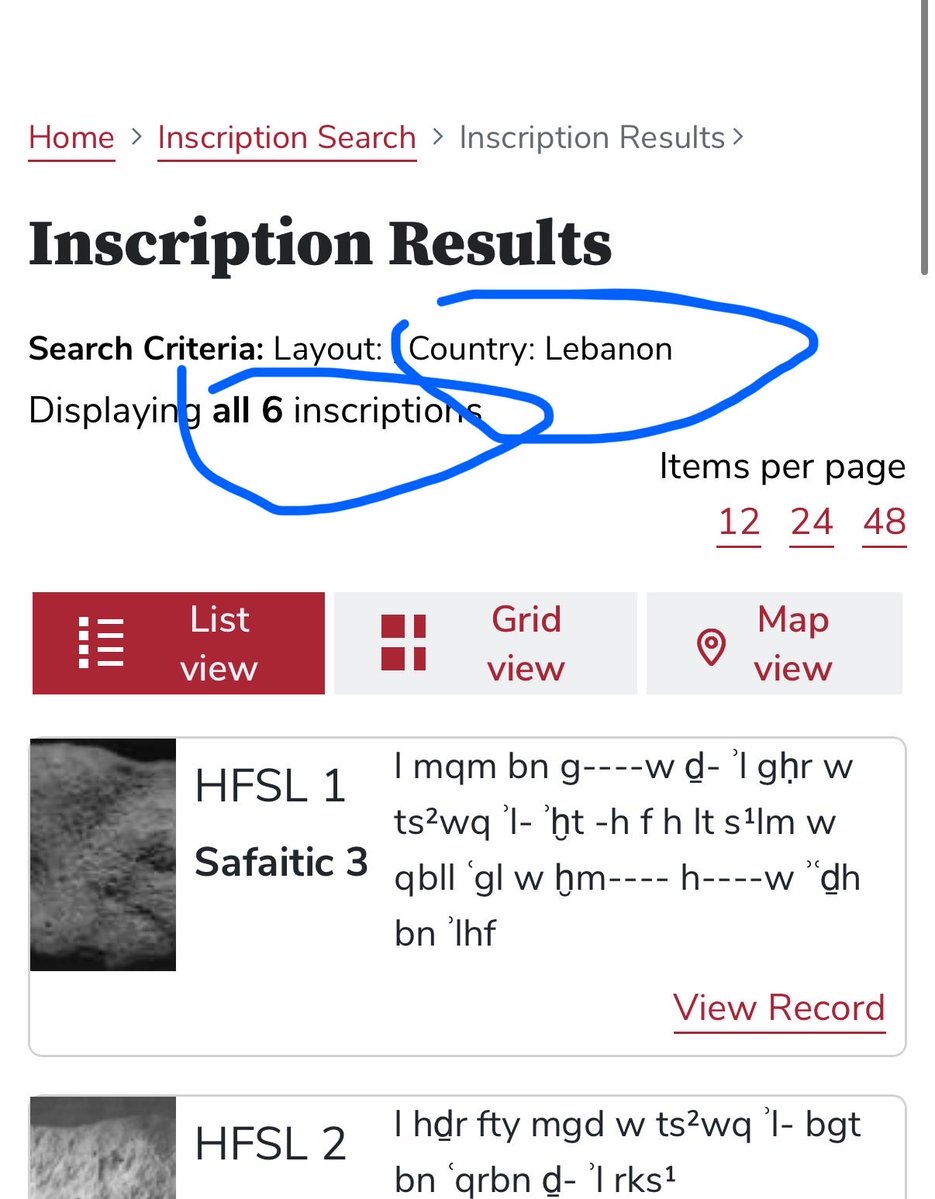
Just read the OCIANA corpus dude
You'll find thousands of inscriptions outside of Arabia during the Pre Islamic Period
@TrillaGz@BinhamidAli@willsextonx Not that I disagree but I'd like to correct you here, Arabic scripts emerged several times
Ancient South Arabian and Ancient North Arabian scripts do not descend from Phoenician though nor do they descend from Nabataean, Only the Modern Arabic script descends from Nabataean
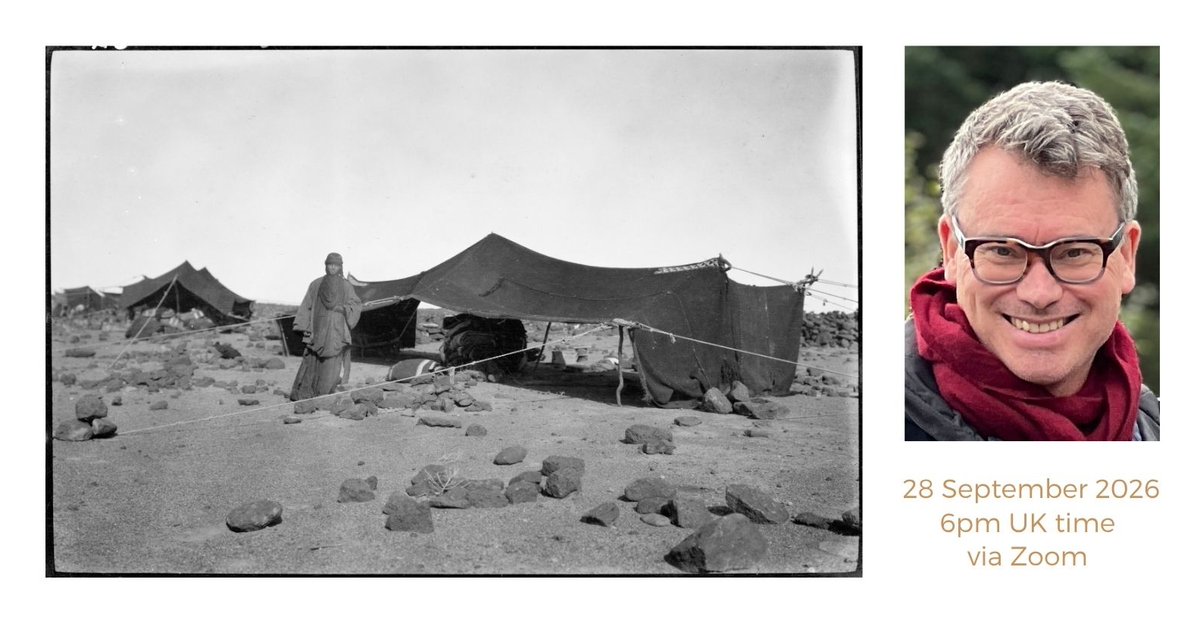
New IASA Lecture on our YouTube channel!
"I am beginning to wonder what profit I shall get out of it all" Exploring Gertrude Bell's Journey to Arabia & Its Significance by Professor Mark Jackson
https://t.co/TWgokfzwmF
New post on our website!
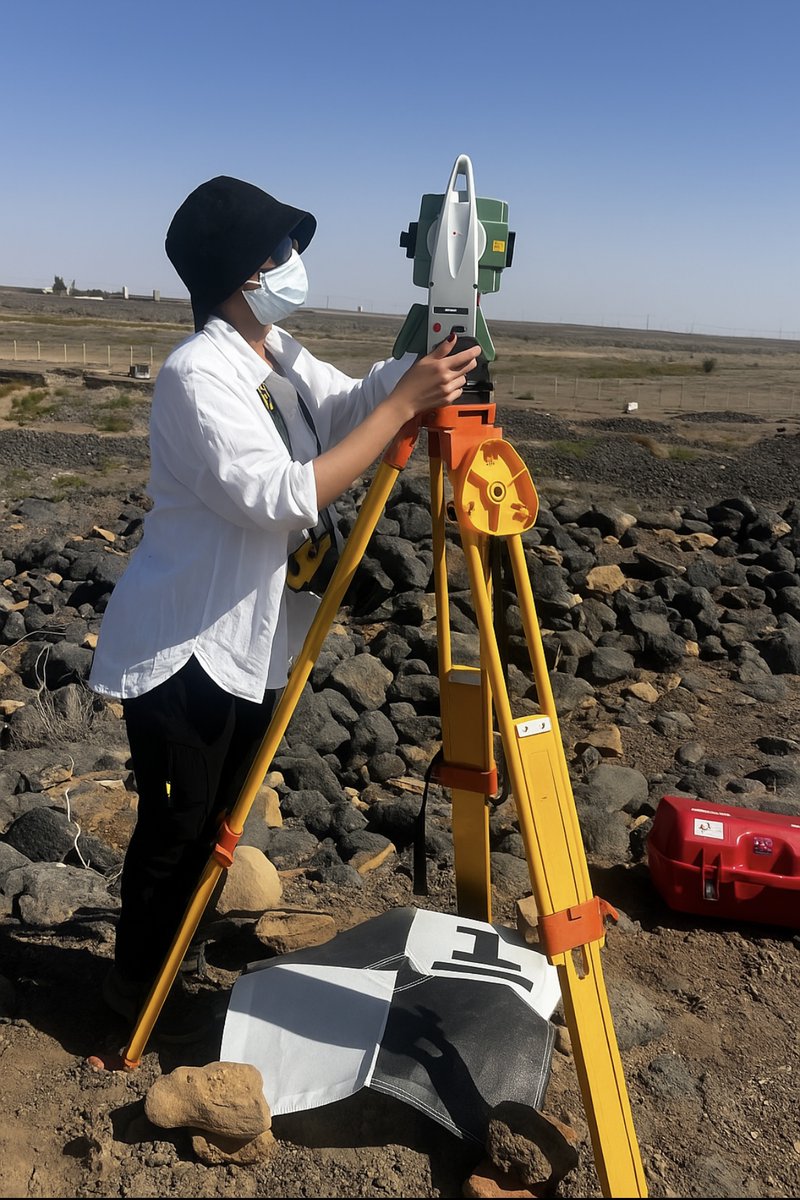
Ahlam Alshammari's full report on Fieldwork on the Development of Defensive Forts in Central Arabia, undertaken with the support of an IASA Grant
https://t.co/Vl3D1z0B9o
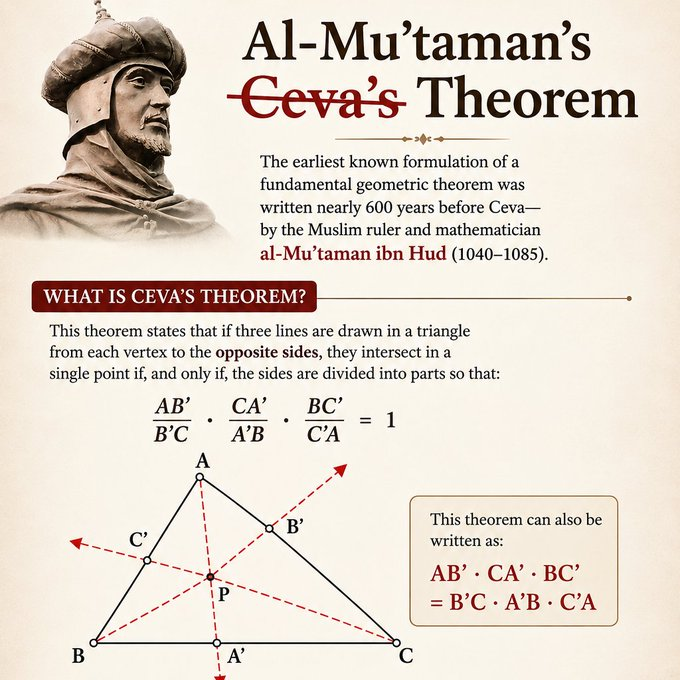
One of geometry's most famous theorems is known today as Ceva's Theorem, after its publication in Europe in 1678. Yet the earliest known formulation appears nearly 600 years earlier in the work of the Muslim ruler and mathematician al-Mu'taman ibn Hud.
Al-Mu'taman Billah (d. 1085) was a mathematician, geometer, and the king of the Taifa of Zaragoza in Andalus (Spain).
At a time when the taifa kingdoms of al-Andalus faced mounting pressure from the Christian north, al-Mu'taman devoted himself to one of the most ambitious mathematical projects of the medieval world: the Kitāb al-Istikmāl ("Book of Perfection"). It aimed to bring together and further develop the geometric work of Euclid, Archimedes, Apollonius, Menelaus, and Muslim mathematicians.
For generations, students have learned about Ceva's Theorem, named after the Italian mathematician Giovanni Ceva, who published it in 1678.
It states that "if three lines are drawn from the vertices of a triangle to the opposite sides, those three lines meet at a single point if and only if a specific relationship between the divided side lengths holds."
Yet modern historians of mathematics have shown that the theorem's earliest known formulation appears nearly six centuries earlier in the work of al-Mu'taman.
Ceva's name became attached to the theorem because his work circulated throughout Europe, while al-Mu'taman's manuscript was largely lost and remained unknown to later generations for centuries.
Thank you to everyone who has sent in submissions to the next IASA Bulletin. Due to unforeseen circumstances we are extending the deadline from 2nd to 9th October, so it's not late to spread the word to friends and colleagues if you have not already done so. 😁
Details below.
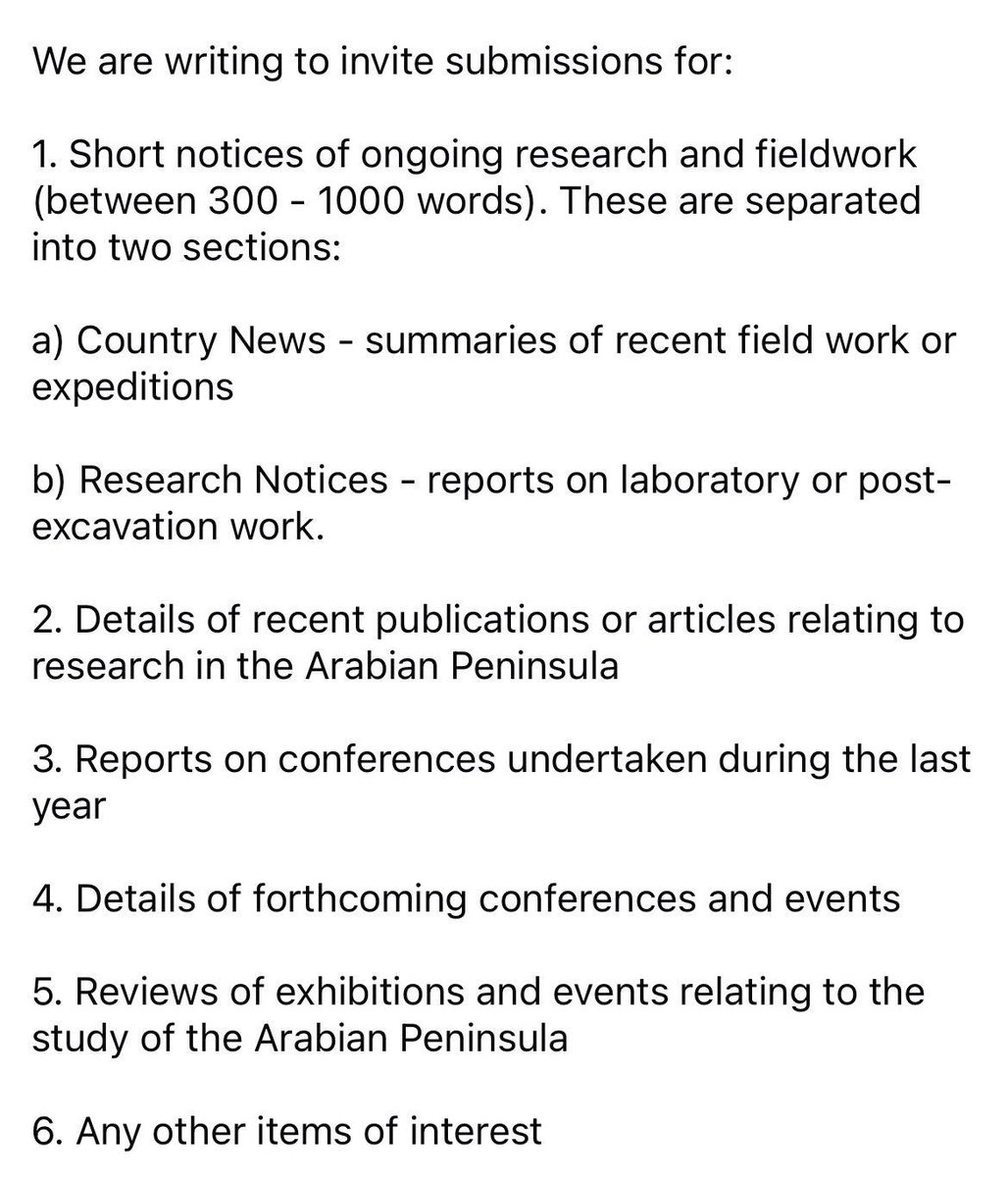
Call for contributions for the next IASA Bulletin (Autumn 2026).
The IASA Bulletin compiles notices on research, publications, fieldwork, museum updates, societies, conferences and events in the Arabian Peninsula as well as feature articles and book reviews.
@AkhilKumarSaho8@DrHughT The Entire Arabian peninsula was a small tribe and not a region? Or do you just mean Arabs, if the latter then I should get @arabic_bad to drop a Safaitic inscription on your foot