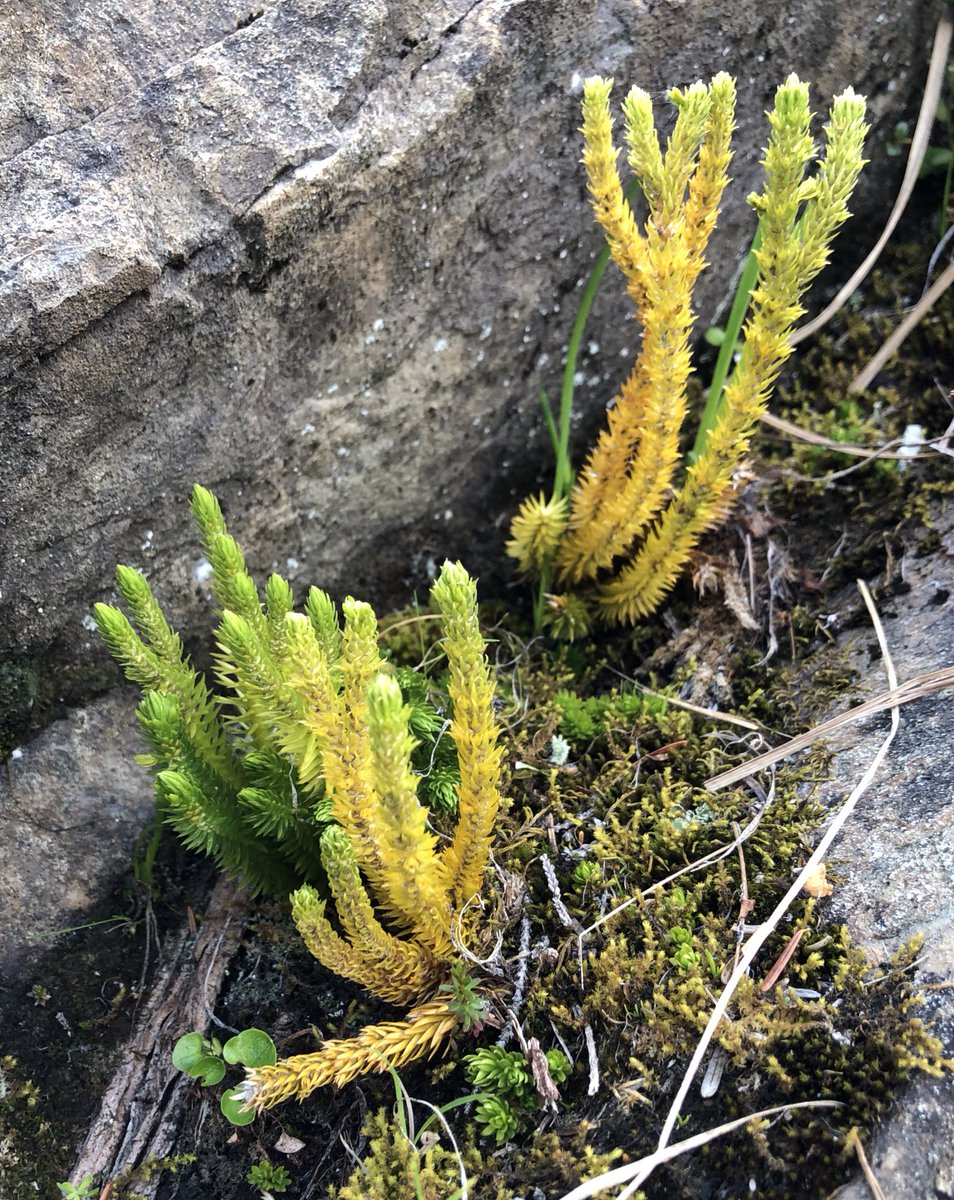
Like glowing beacons in the heath, yellow to orange alpine firmoss, Huperzia continentalis clonally spread down seepage slopes in the North Cascades. These plants are probably over 10 years old, even at 4” (10cm) tall based on annual gemmiphore whorls.
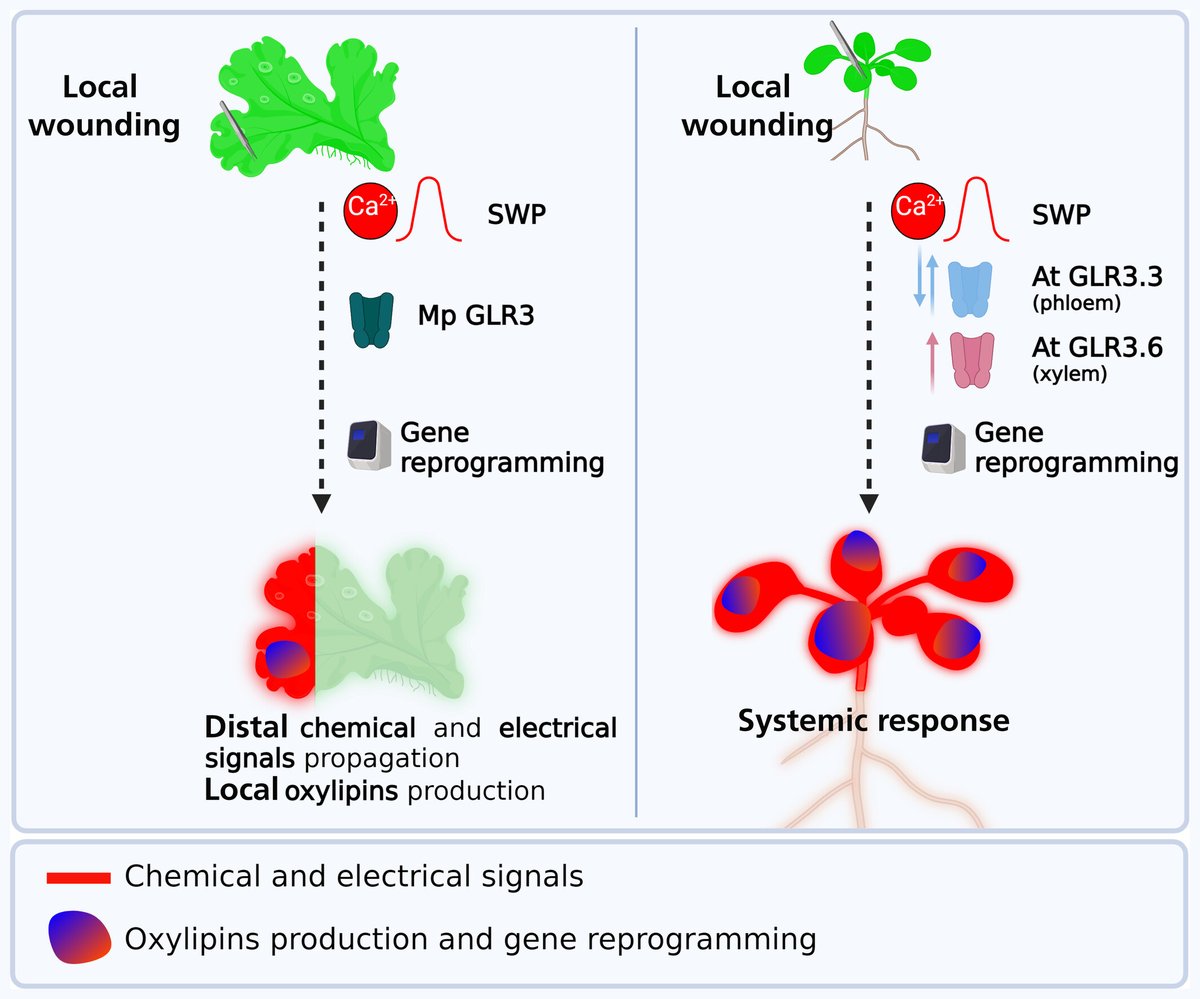
How a liverwort reacts to wounding: tracing the evolution of defence responses in the nonvascular plant Marchantia polymorpha
📖 https://t.co/XRJmiPxNXo
#Commentary by @cla_beraldo and @ale_alboresi highlighting the recent work by Sanmartín et al.
📖 https://t.co/aCh3I9VFBh
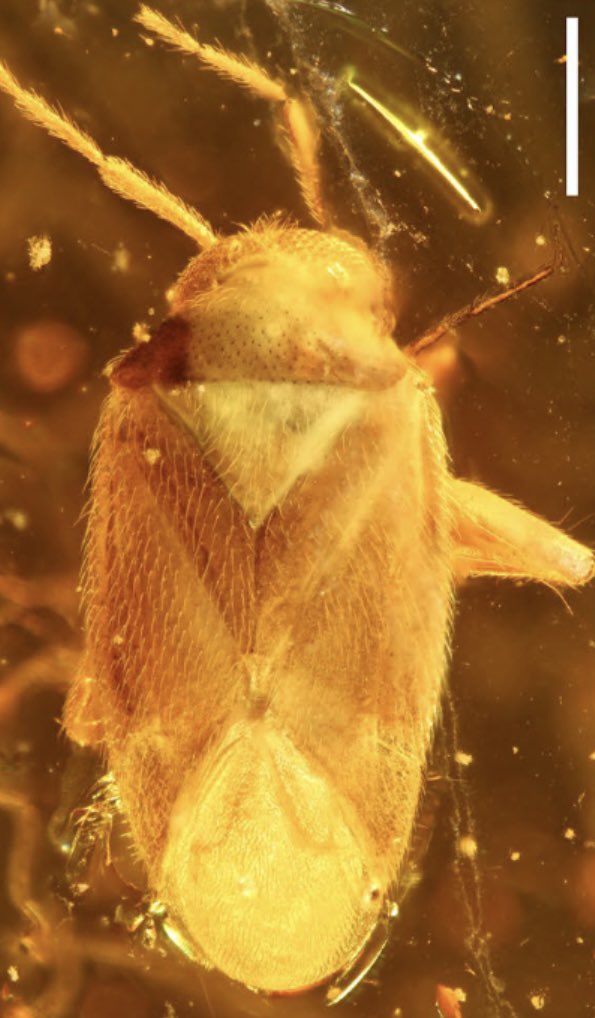
Roridula gorgonias, the flycatcher bush of South Africa. These plants depend on predatory bugs to digest insects ensnared on their resinous leaves. Also found in Russia back in the Eocene!
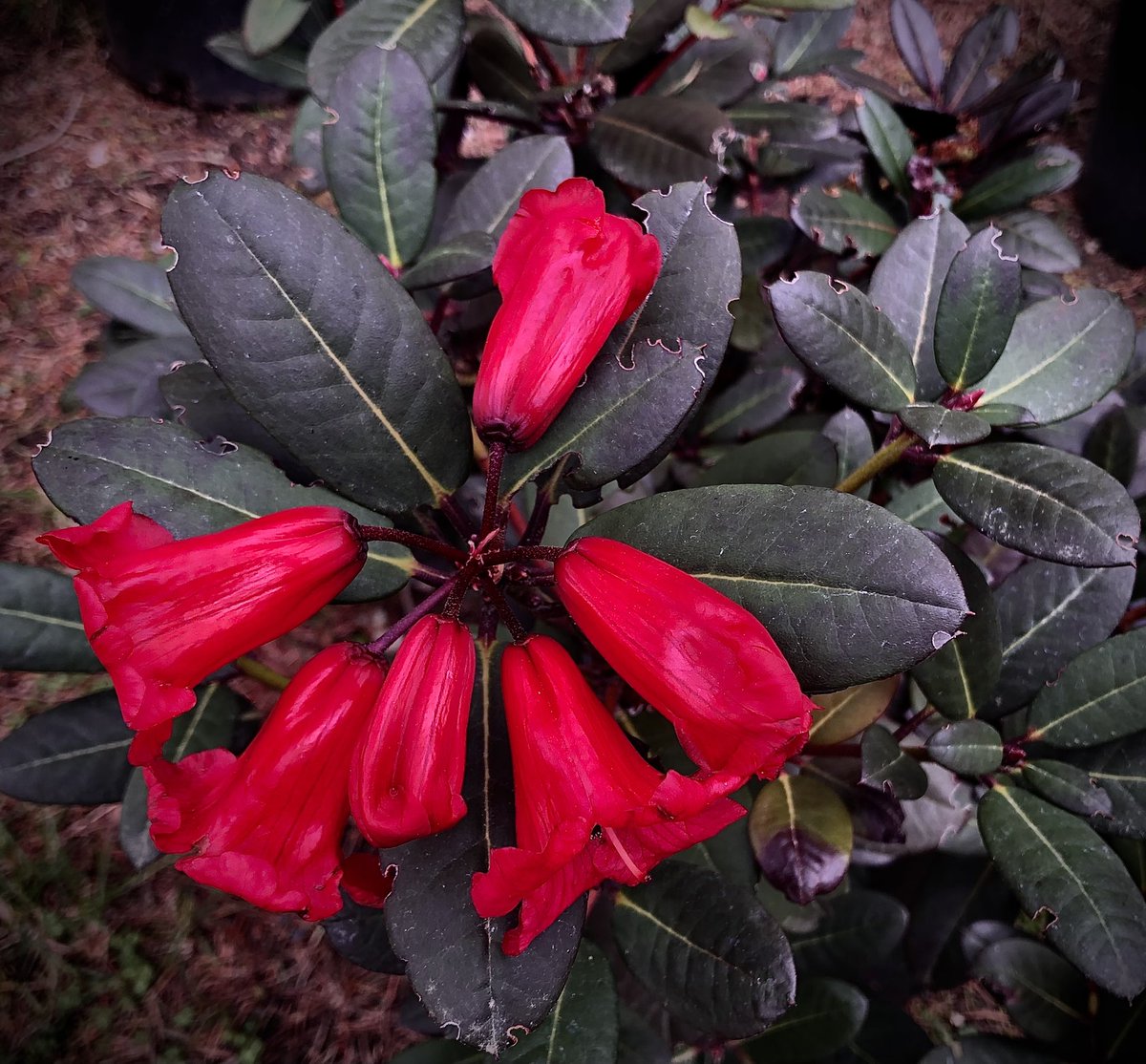
Botanical circuitboards on the New Zealand alpine endemic mountain heath, Acrothamnus colensoi. These plants have indigo blue alpine Podocarpus-like foliage that starts out pink to ivory colored with the circuit board-like stomatal bands.
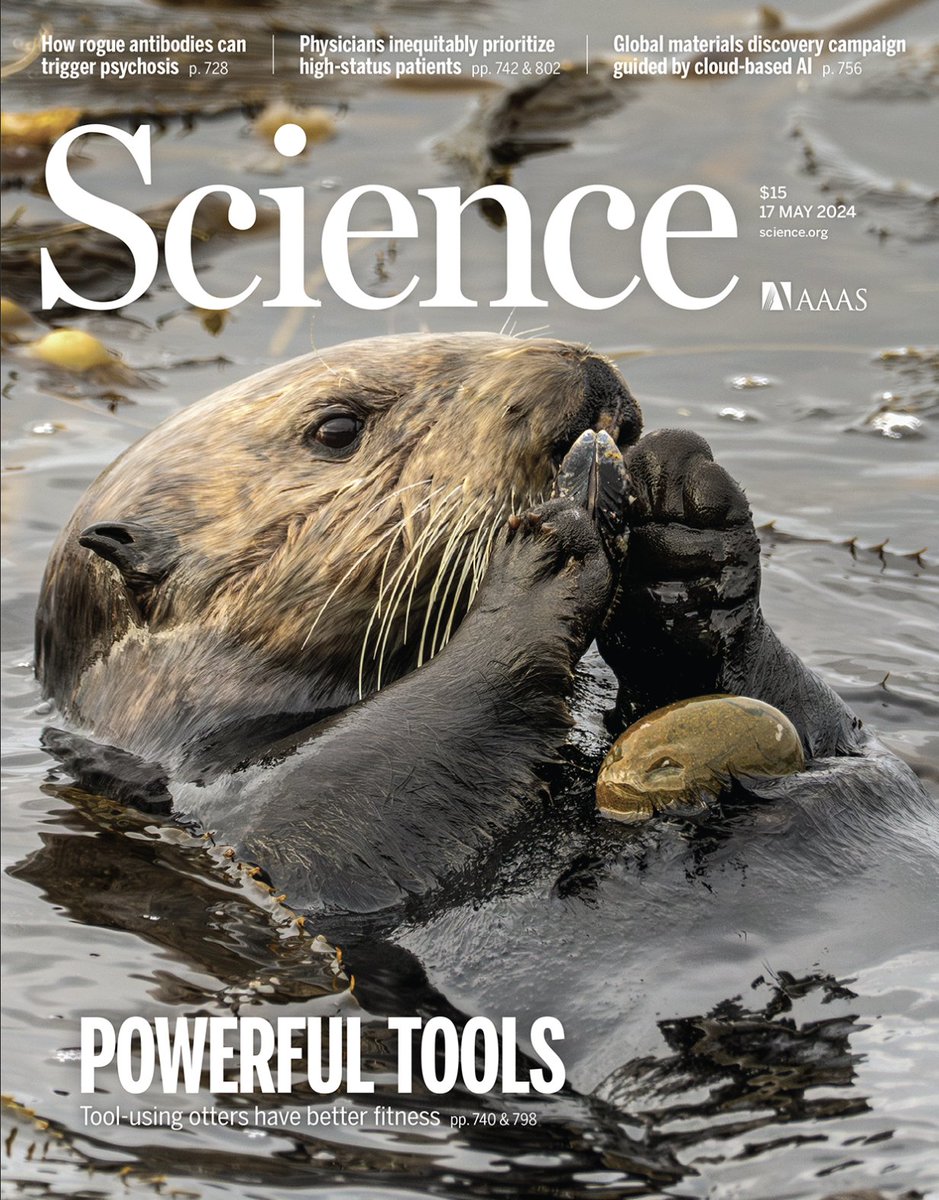
10 years in the making - my last PhD chapter is finally published! Check out our work investigating the biomechanical and energetic benefits of tool use in sea otters out in @ScienceMagazine!
https://t.co/mOah9BMv6l
Our paper in @ScienceMagazine demonstrates that microevolutionary evolvability can predict evolutionary divergence across timescales spanning thousands to millions of years, linking evolution across these vast time intervals. Work led by @AgnesHolstad https://t.co/lHVt2h1kcu
A plant found in the mummified stomach of a woolly mammoth.
Ledge stonecrop, Rhodiola integrifolia, continues to grow along cliff sides and open, gravely to rocky habitats of the arctic down into the mountains of the PNW.
Prepare to meet one of the most beautiful fossils ever. A spectacular crinoid colony.
This Jurassic giant measures over 100 square metres & took 18 years to prepare! On display at the excellent Hauff Museum.
This was one of the 50 fossils featured in, LOCKED IN TIME.
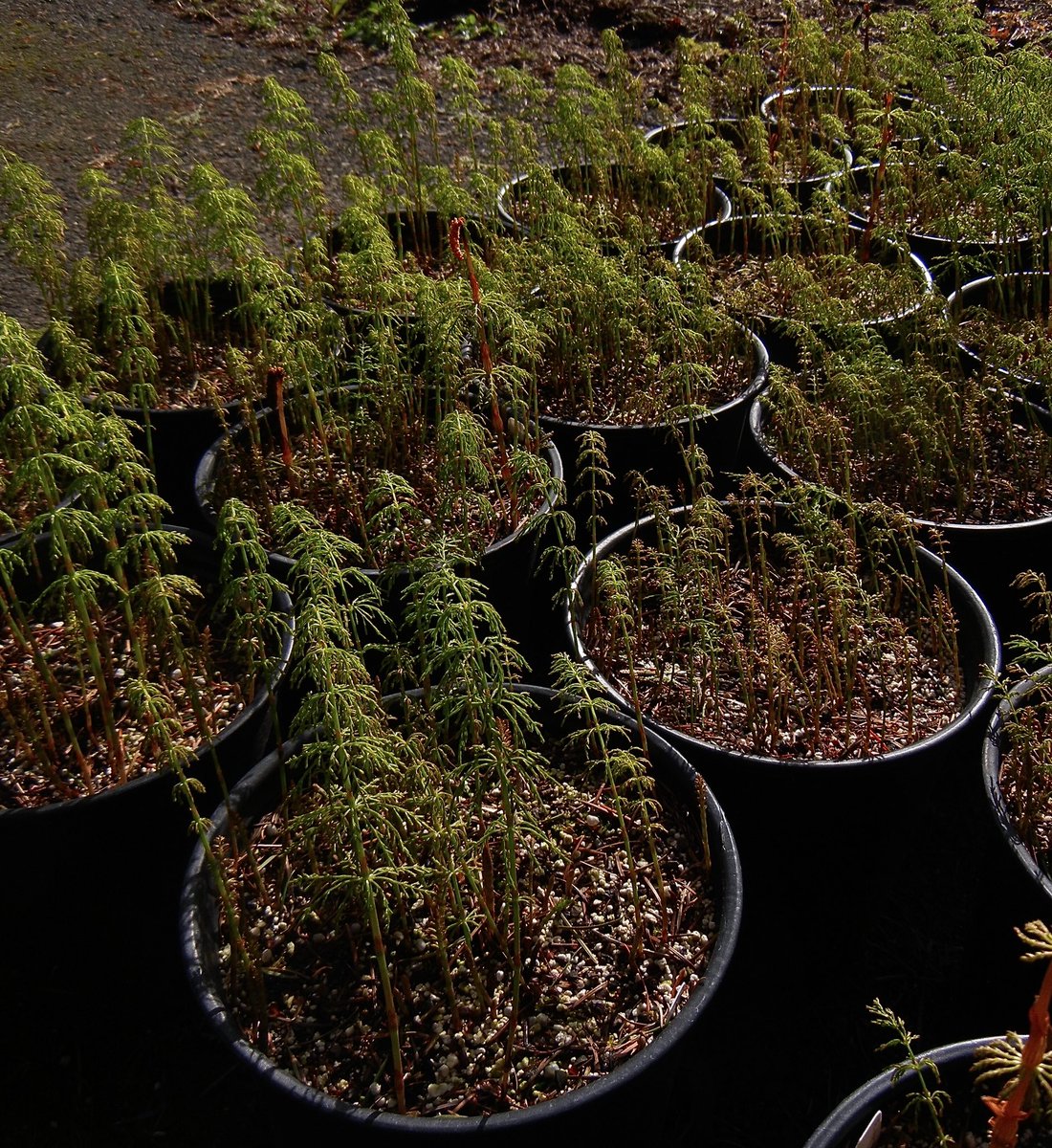
March of the horsetails. Probably not too different from a helicopter view of a floodplain in the Carboniferous. Equisetum sylvaticum cultures awaking from their winter dormancy and tracking the sun via phototropism.
Coral fairy garden. A delightful population of western firmoss, Huperzia occidentalis happily expanding clonal colonies down a steep seepage slope in blankets of stairstep moss, Hylocomium splendens in the Cascades not far from where I live.
1/13 🚨🚨 I am so excited to present our new paper, six years in the making. Here, we provide the first strong evidence that there is a molecular mechanism behind the origins of living fossil lineages! #biology#science#paleontology https://t.co/8wW3DVXD1P