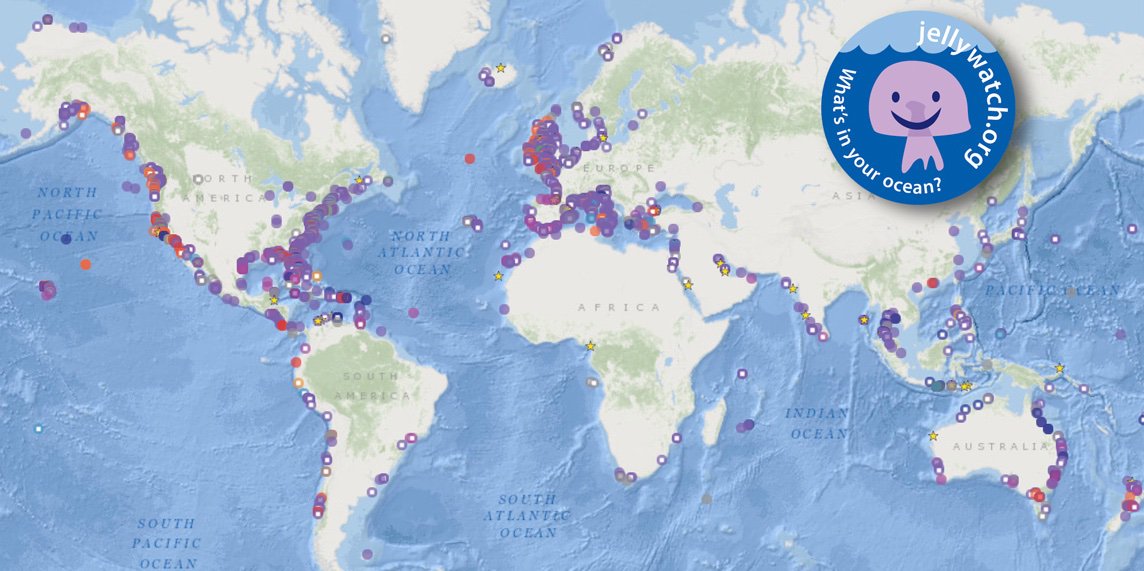
We are collecting observations and pictures of jellyfish, squid, and other marine organisms. If you went to the beach but didn't see anything, send us that too!
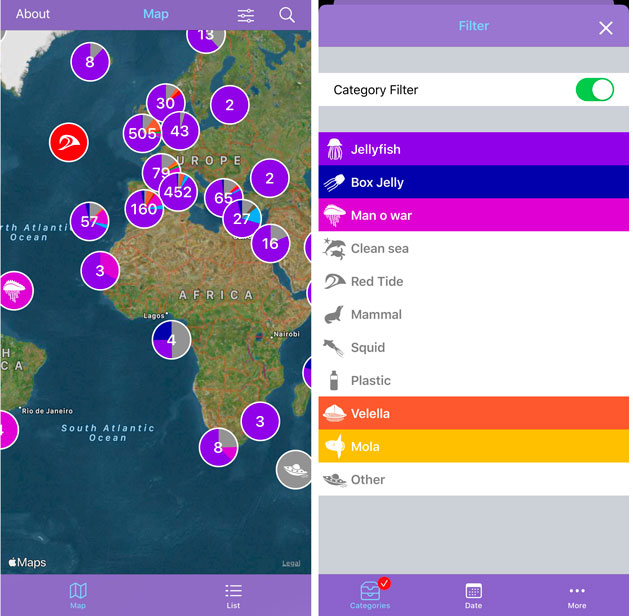
Our new iOS app is available, thanks to support from @NSF and developer Peter Dupris. This lets you explore https://t.co/NE2xFjzSKZ records on iPhone or iPad, but you can't submit reports ... yet!
https://t.co/dTQ5bDHtva
It feels tone-deaf to tweet about anything but racial justice, covid-19, or political malfeasance now, but... we are really proud of the new https://t.co/LzWfEUu87O app that lets you browse records in iOS #CitizenScience https://t.co/uCX7u0IQKN
Now, back to fixing the world.
@AnneinBamfield@_thesee I think Siobhan is right — at least in the second picture I think I see the bumps of the pseudoconch. (In general if you can get a pic of the jelly when submerged —even in a cup— it is easier to ID.)
Stop demonizing supermassive jellyfish. They aren't "lurking" in ocean centers; that's their home! They built it! They aren't "monsters." They don't "ravenously consume" everything they see. Keep a respectful distance and you'll be fine. They are just beautiful giants!
Warm weather and recent storms are washing up Man o’ War (Physalia physalis) along the east coast. These are potent stingers and can be dangerous, so if you are at the beach, please maintain social distancing and PLEASE do not poke/pick these up! #Hype4Hydrozoa@jellywatch
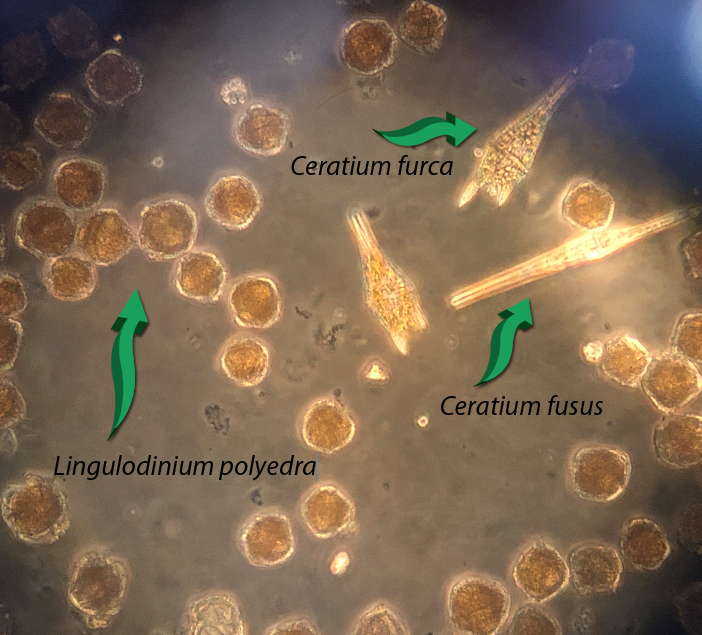
Wondering why the ocean is red-brown? Why fish are washing up along our coasts? If it is safe to swim in the ocean? Check out @SCCOOS special Red Tide Bulletin with over 50 figures of plots, maps, images, and videos from colleagues in the region!
https://t.co/AWr8pFSZgX
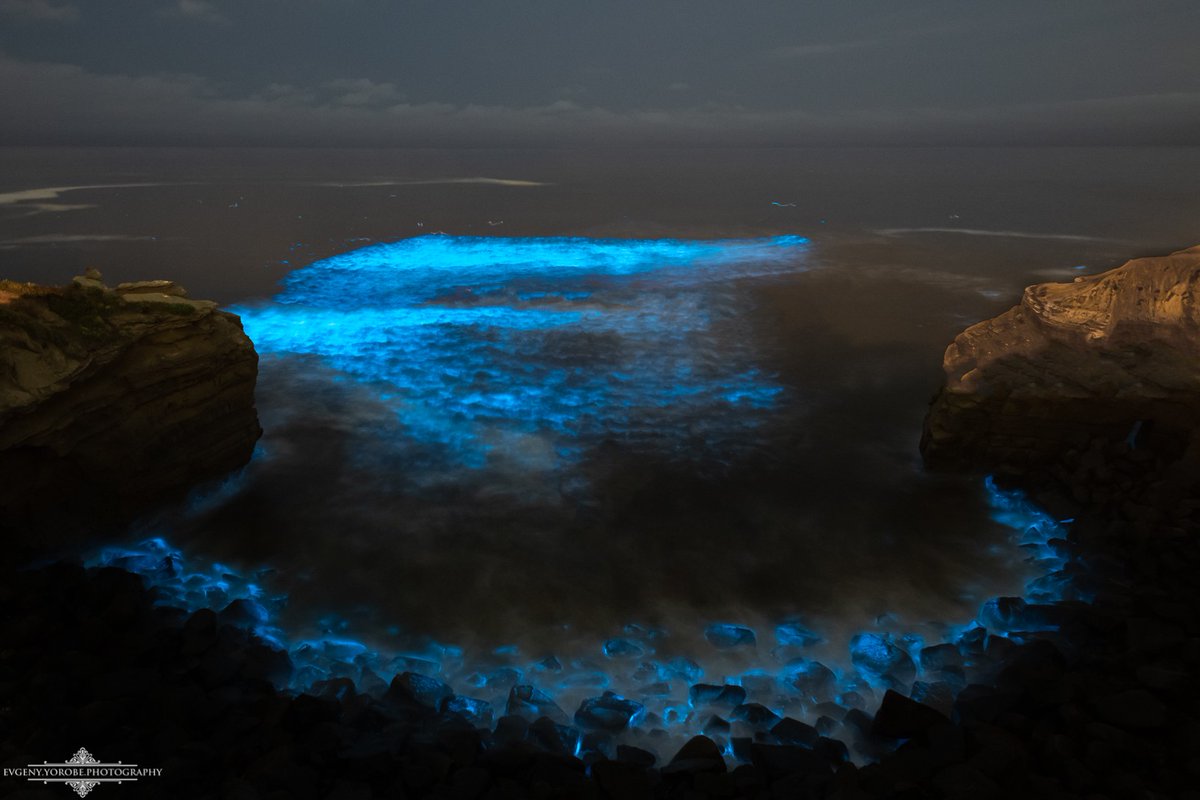
There are some great images showing the bioluminescent red tide from southern California. We'd like to try to map out the geographic distribution using citizen science. Please report using the "red tide" category at https://t.co/NE2xFjzSKZ. Photo by https://t.co/xg59hfNeYD
Stuck at home? Come tour the #jellyfish of the world with https://t.co/NE2xFjzSKZ We are working under the hood to bring improvements and rolling out a new map: https://t.co/xEogr5S3u8 (@MBARI_News@NSF) #CitizenScience
The fluorescent tentacle tips of the flower-hat jellyfish are irresistible attractant to potential prey.
VIDEO: https://t.co/6T7RdhwzEN @beroe@MontereyAq
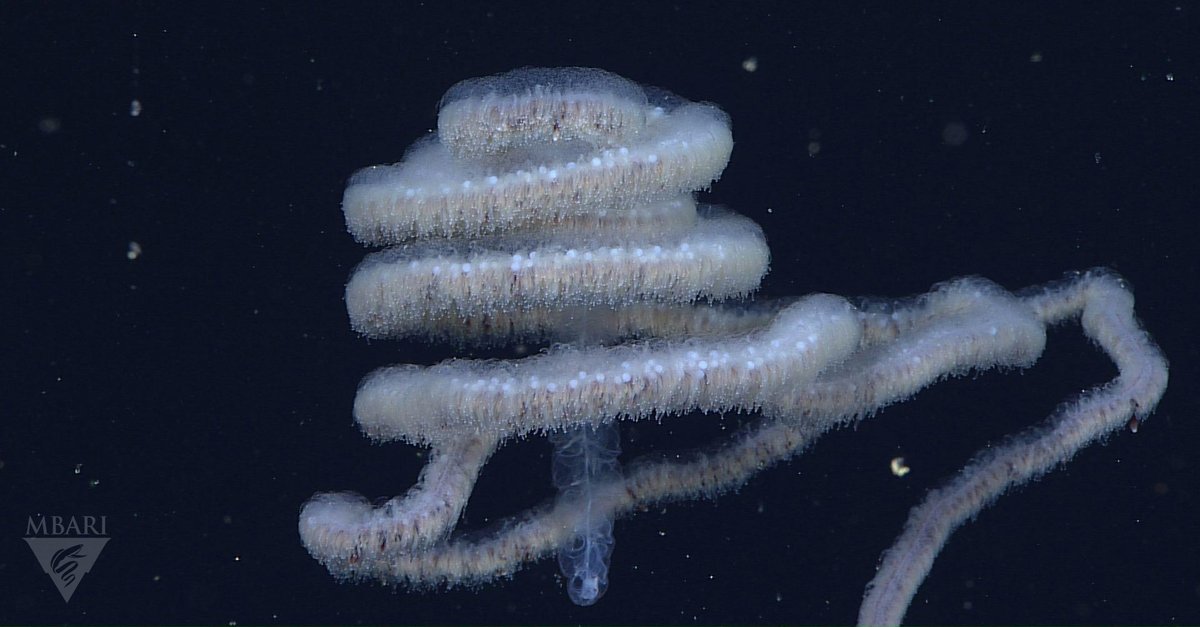
@StKildaNTS A bit hard to make out, but the shape looks like a salp? Next chance, if you cup your hands and suspend them in water, it is easier to see the details (though impossible to take a picture ;^)
Why do so many ocean animals have bright fluorescent pigments?
Work by @beroe and @caseywdunn found that the allure of #fluorescence in some animals can be irresistible to potential prey: https://t.co/6T7RdhwzEN
@isolinestudios Pretty sure those are snail eggs. See https://t.co/3dUhugcXMh
There is a photoshopped version of the linked picture going around, so beware. (cc: @MBARI_News)
On the boat, heading to do an open-ocean scuba dive, researchers accumulated 27 mylar balloons, as far as 20 miles offshore. Grads — and anyone with a birthday (you know who you are!) — please keep the decorations out of the ocean...
Guess what? Our #opendata#citizenscience site https://t.co/3wUIAitCTU is back and better than ever! More tweaks and enhancements to come. Special thanks to superstar developer Tien Wang for his work, and to Peter Dupris and Wyatt Patry for their support. https://t.co/DqjufK6acT