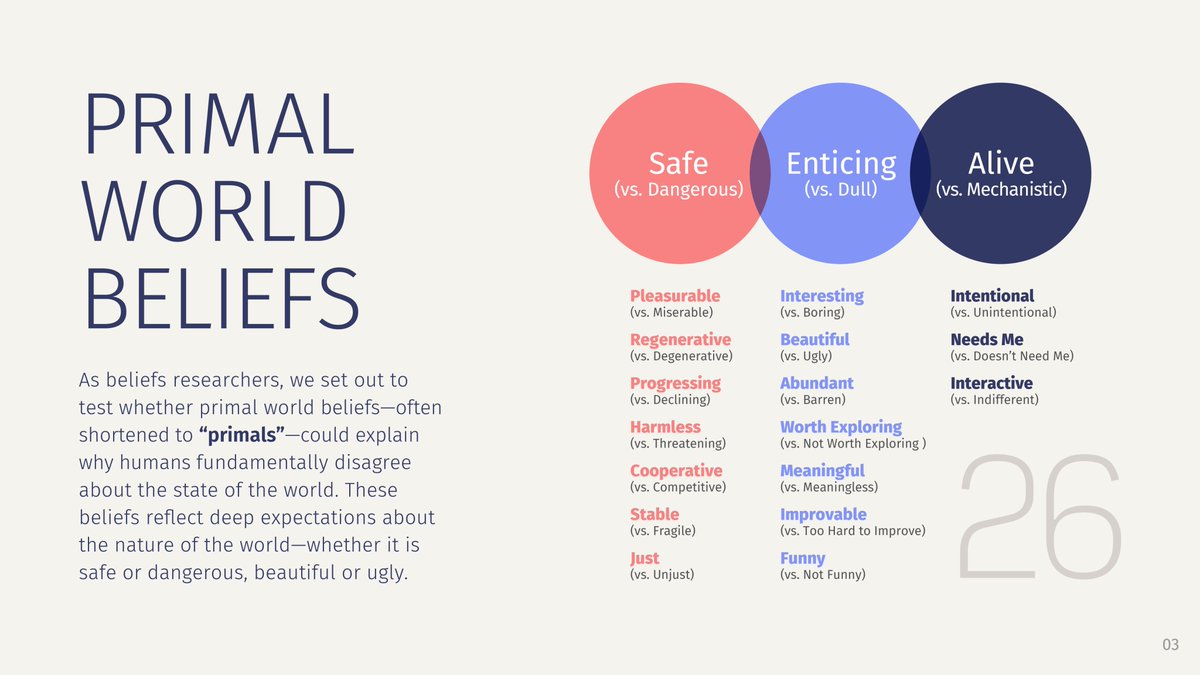
Decades of research shows conservatives (compared to liberals) see the world as a more dangerous place, which is thought to increase conservative views on immigration, military, etc.
We were wrong. Big SPPS article w/ @NicholasTKerry1 out today https://t.co/OtjO1OD53x
🧵/13
Ten years ago, I published Grit. In those pages, I wrote down everything I’d discovered about world-class achievers and how passion and perseverance set them apart.
Since then I’ve been studying the situations that make world-class achievement possible.
My research shows that the situation shapes you—but you have the power to shape it first. How?
1. Set up your personal space.
2. Pick your peers.
3. Attract mentors.
4. Choose your culture.
Getting situated means finding the people and places that bring out your best.
Grit is great, but to realize your potential, you also need to get situated.
Pre-order Situated. Out September 1st.
https://t.co/8zIG684hvY
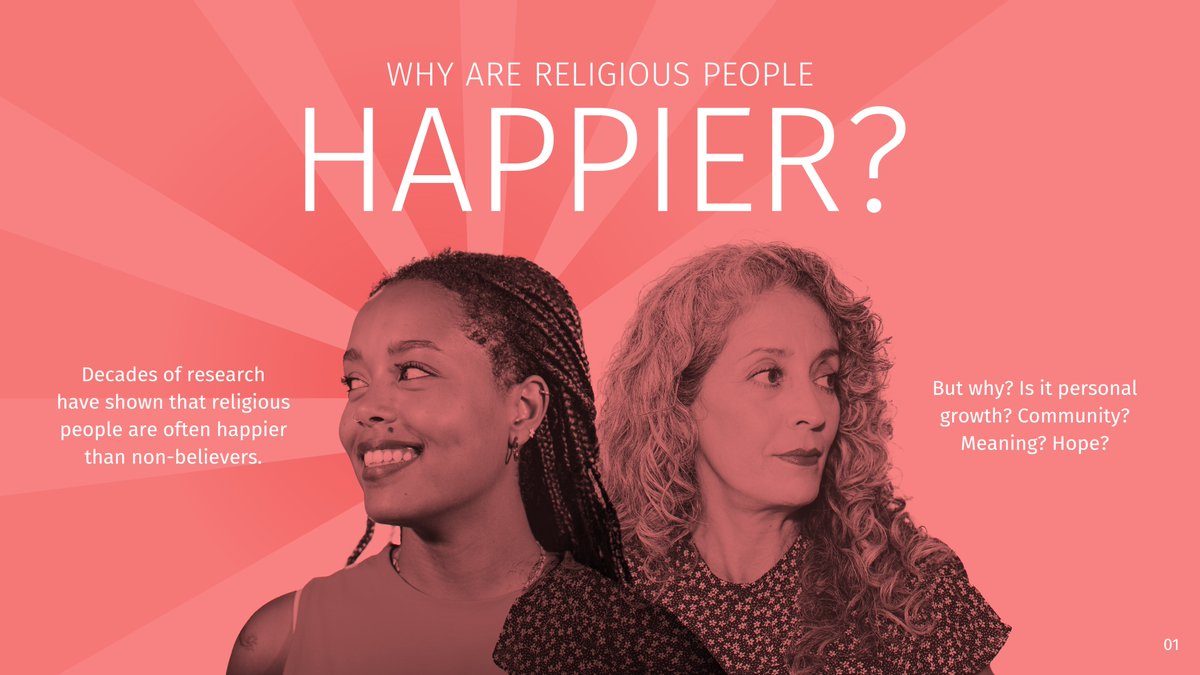
Religious people tend to be happier—but new research suggests religion is not the cause, writes @jerclifton.
Happiness stems from the belief that “the world needs me”, a sense not of superiority, but of purpose and belonging:
https://t.co/brRhMlWcME
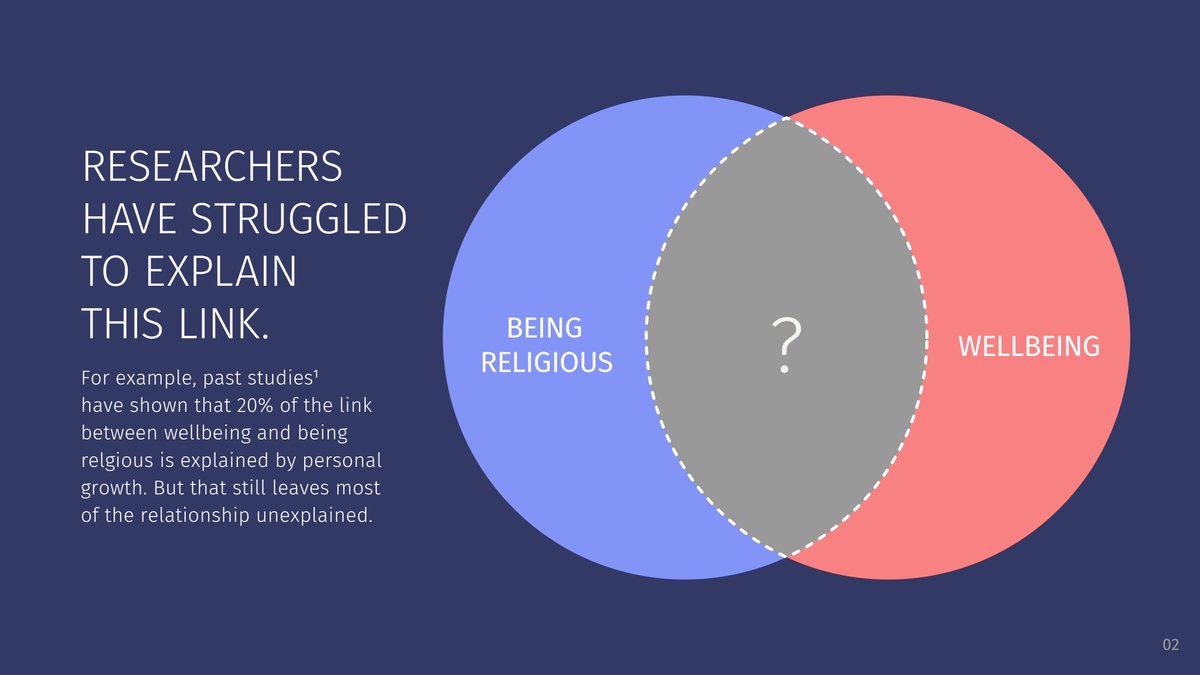
In my latest @PsychToday I sum up our recent discovery that the age-old correlation between wellbeing and religion is 100% statistically explained by one primal world belief: the belief the world needs you.
I know of no other variable that does this.
https://t.co/WcBO8IQmid
Why are religious people happier? The Penn Primals Project conducted 8 studies involving over 3,000 people and discovered a major clue: https://t.co/3zwpFGXzjd
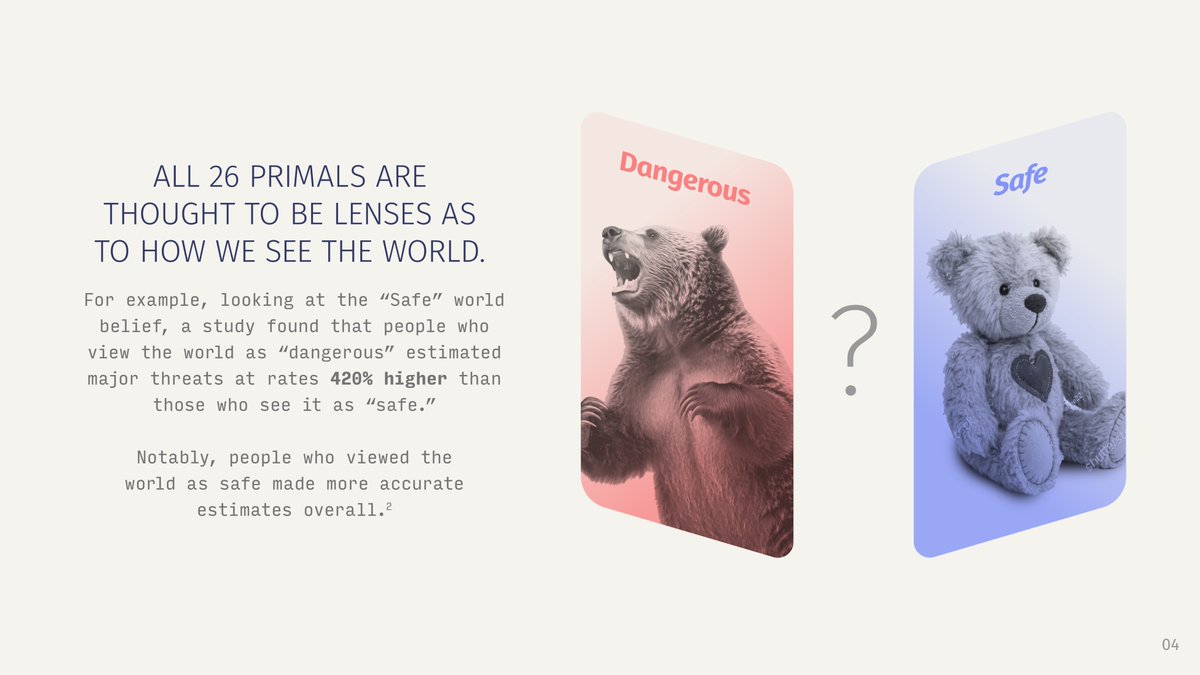
If you see the world as dangerous, but your spouse sees it as safe, and late in bed you're arguing over triple-checking door locks, remember:
You probably estimate danger as ~4.2x higher than your spouse, and objectively less accurately.
Cool study: https://t.co/0Sv5KW63yS
What if your outlook on the world before a crisis shapes how well you recover from it?
A new study from grantee Jer Clifton at the University of Pennsylvania suggests that "primal world beliefs," our deep assumptions about whether the world is fair, improving, or self-healing, may be among the strongest predictors of emotional resilience after trauma and illness.
Across two studies involving cancer patients, people living with cystic fibrosis, and students who lived through a campus mass shooting, one pattern emerged: the beliefs people held before adversity struck predicted how much distress they experienced afterward. Three beliefs stood out most: that the world is improvable, fair, and naturally regenerative.
Perhaps most striking, these beliefs proved more protective than the broad belief that "the world is good." Resilience, it seems, is not simply about optimism. It is about specific convictions that pathways to recovery exist.
Learn more: https://t.co/kmfYNkjSOr
Trauma does not seem to shatter your world assumptions. Instead, the beliefs you have before the trauma even happens appear to play the biggest role in shaping how you respond to it--three beliefs in particular.
Whether it’s a serious illness, a sudden loss, or an act of violence, we all experience distress at some point. Some people suffer for years, while others recover more quickly, thanks to these 3 beliefs, by @jerclifton https://t.co/hqCbwBjHzr
Whether it’s a serious illness, a sudden loss, or an act of violence, we all experience distress at some point. Some people suffer for years, while others recover more quickly, thanks to these 3 beliefs, by @jerclifton https://t.co/hqCbwBjHzr
Whether it’s a serious illness, a sudden loss, or an act of violence, we all experience distress at some point. Some people suffer for years, while others recover more quickly, thanks to these 3 beliefs, by @jerclifton https://t.co/hqCbwBjHzr
My latest @PsychToday identifies 3 beliefs tied resilience in samples with cystic fibrosis, cancer, and students who went through a campus shooting.
When Life Knocks You Down, What Helps You Stand Back Up? | Psychology Today https://t.co/FiDaUseNde
What do you call a piece by my pal @CarolynGorman_ about #BillsMafia that also includes @jerclifton 's work on primal world beliefs and even a quote from @TyDunne ?
I call it perfection.
Real leaders aren’t petty. They don’t rant about how others suck. When people are mean to them they ignore it and keep expressing kindness to others. #trumpispetty
To all the athletes representing @TeamUSA: I'm so proud of you. Your talent and perseverance have brought you to this moment, and Michelle and I will be joining Americans from across the country cheering you on.
People often think that trauma shatters positive beliefs about the world. It's called "Shattered Assumptions Theory". But the empirical evidence is pretty weak. Instead, stable world beliefs might buffer you from trauma's wellbeing hit: https://t.co/4QjeYZd5Ls
New study of 8 samples (3,345 subjects) showed, again and again, that the long-known, substantial correlation between religiosity and wellbeing is statistically 100% explained by the belief the world Needs Me.
What does that mean?!
https://t.co/3zwpFGY78L
...Likewise, those who see the world as a place that needs them may not think so highly of themselves as much as that the world is a particular place, with particular needs."
Though a major new insight into why religious people are happier, the study was correlational only.