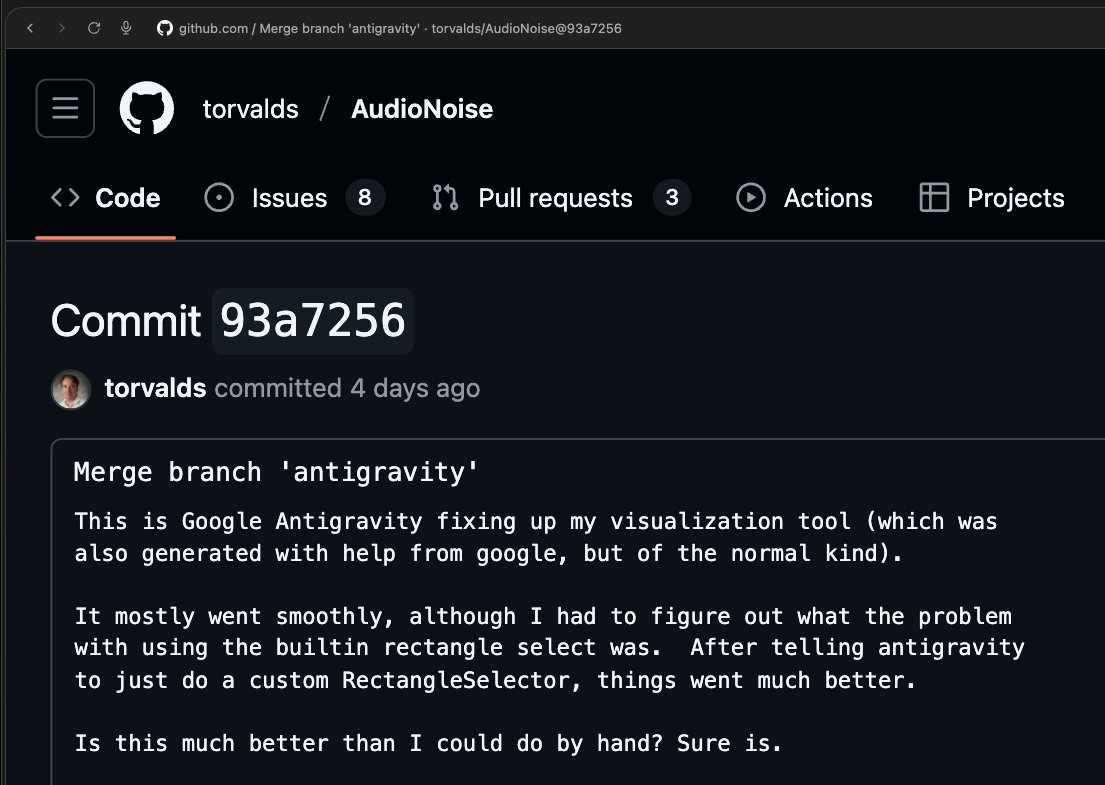
Last month I burned around 2000 USD tokens, both in software projects and academic research projects. It is clear Anthropic alone is not a sustainable way for me to go more aggressive. Time to start explore other alternatives, some of them already look quite promising.
My dear front-end developers (and anyone who’s interested in the future of interfaces):
I have crawled through depths of hell to bring you, for the foreseeable years, one of the more important foundational pieces of UI engineering (if not in implementation then certainly at least in concept):
Fast, accurate and comprehensive userland text measurement algorithm in pure TypeScript, usable for laying out entire web pages without CSS, bypassing DOM measurements and reflow
Qwen3.5-27B went 15/15 on our tool-calling benchmark.
But which quant should you actually run?
Tested Unsloth's Q2_K_XL all the way to Q8_K_XL
TL;DR:
Q8 — 15/15 ✅
Q6 — 15/15 ✅
Q5 — 14/15
Q4 — 14/15
Q3 — 14/15
Q2 — 13/15
Q6 is the sweet spot. Same perfect score as Q8, smaller footprint.
Also, the results scale almost linearly, seems like ToolCall-15 is actually measuring something real.
you're right that there's no free lunch. here's what I've found after 1 day of implementation:
the compression is real (4.6x, verified with perplexity within 1.3% of baseline). the speed trade-off is context-dependent. at short context (< 2K tokens) the smaller cache actually makes it faster than q8_0. at long context the rotation overhead dominates and you lose 2-7% per context doubling.
the paper overstates by testing at short/medium context. the community (including external testers on M1 Ultra with 397B models) found the scaling regression within hours of real-world testing.
the honest value proposition: if your bottleneck is memory (can't fit long context, hitting cache eviction), 4.6x compression at ~1% quality loss is a real trade-off worth making. if your bottleneck is speed and you're already within memory budget, it's overhead you don't need.
not a free lunch. a different menu.
Actually, this is a hidden truth. You can replace Claude with any model you like, even with open source SOTA ones under 10B parameters and very limited context window.
New on the Anthropic Engineering Blog:
How we use a multi-agent harness to push Claude further in frontend design and long-running autonomous software engineering.
Read more: https://t.co/HWvmXk1ykn
One way to explain it is that, the latter has far less open documents and less active user forums. The only way I find effective to continue my research is adding screenshots in my conversations with Ai.
One way to explain it is that, the latter has far less open documents and less active user forums. The only way I find effective to continue my research is adding screenshots in my conversations with Ai.
From the extensive usage of all top models from the past months, in optical related simulation, I got this feeling: Ai can work really well with MATLAB, but not so well with most Optical Simulation Suites.
From the extensive usage of all top models from the past months, in optical related simulation, I got this feeling: Ai can work really well with MATLAB, but not so well with most Optical Simulation Suites.
Today's chapter of Agentic Engineering Patterns is some good general career advice which happens to also help when working with coding agents: Hoard things you know how to do https://t.co/sIql4OV2QR
Gemini 3 preview is already surprisingly good with Matlab coding tasks in the past few weeks, much better than Sonnet 4.5, and faster. Finally I got another workhorse model.
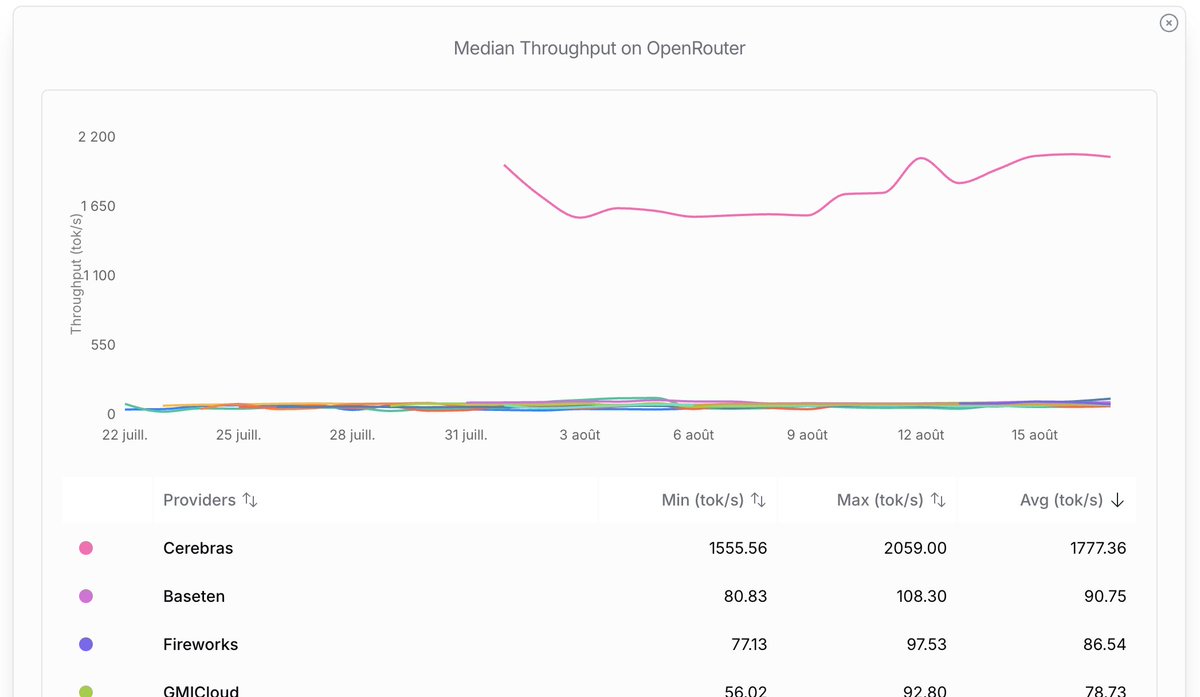
@Manny2billi@cerebras@Fidelity Yes, I don’t think they’re genuinely interested in the hosting business, it feels more like a bold showcase of capability to boost valuation.
GPT-5 is already in the top 10 after just a few days. Now, let’s see if Claude can get cheaper, and presumably, faster. Got interrupted by its API throttling problem several times, really frustrating.