I recently launched a new Substack focused on competition across the technology supply chain.
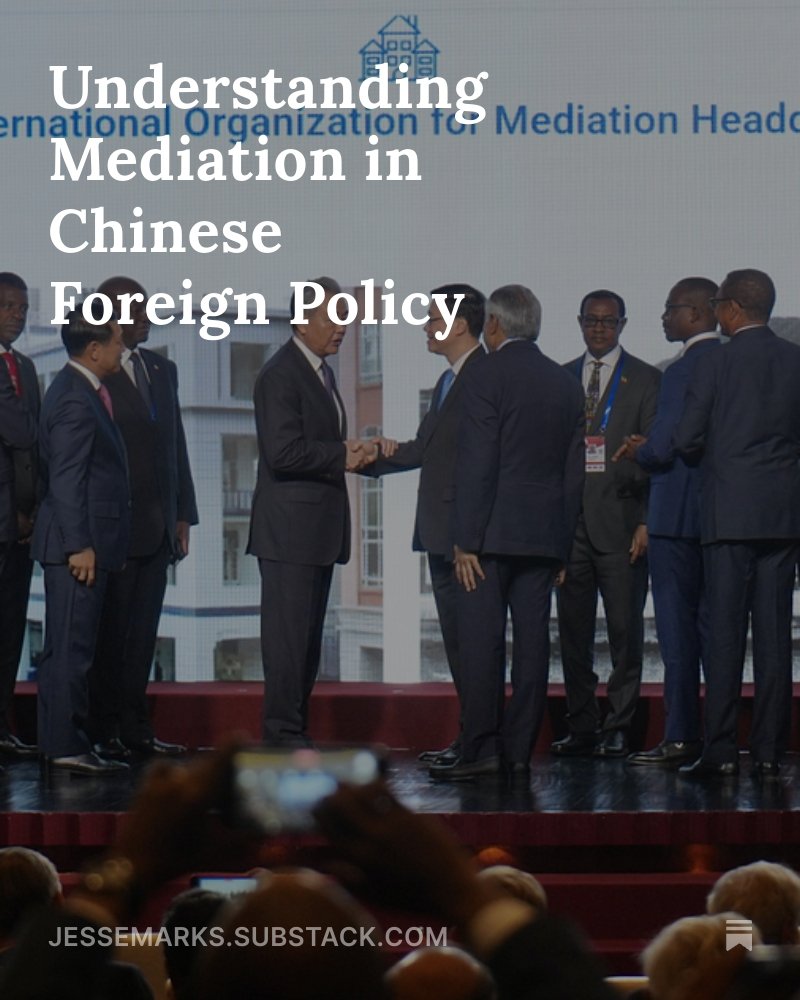
This piece looks at debates in #China over technology autarky vs global integration.
Welcome to Rocks 🪨 Rockets 🚀and Robots🤖
Subscribe 👇
https://t.co/2igpBW1t0L
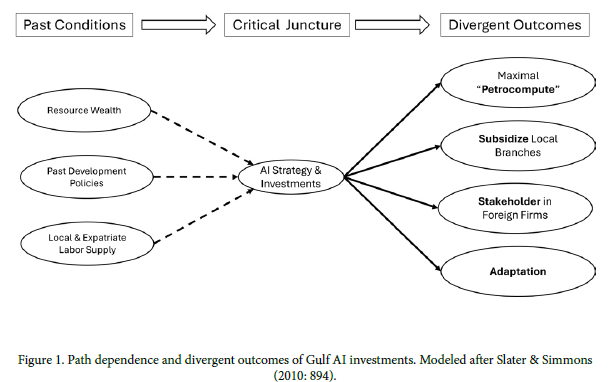
I wrote for the latest @APSAMENA newsletter on path dependence and Gulf-state AI strategies - read on for how the Gulf monarchies map on to this chart (or did as of February):
“Jordan’s path to becoming a regional connectivity hub begins in Riyadh,” writes @JesCMarks.
The Saudi capital is “the necessary first mover that can unlock Jordan’s potential as a node for a new corridor.”
https://t.co/biUhza6i4P
Sullivan’s inability to respond to such basic nonsense about US policy is painful to watch.
John Stewart did not 'correct him'; he told a silly story about being in a hotel in Jordan with Emiratis and Americans allegedly “funding Nusra.” Stewart may not know the difference between Nusra and the Southern Front (the rebel fighters supported by the US), but anyone who followed the war knows this claim is laughable.
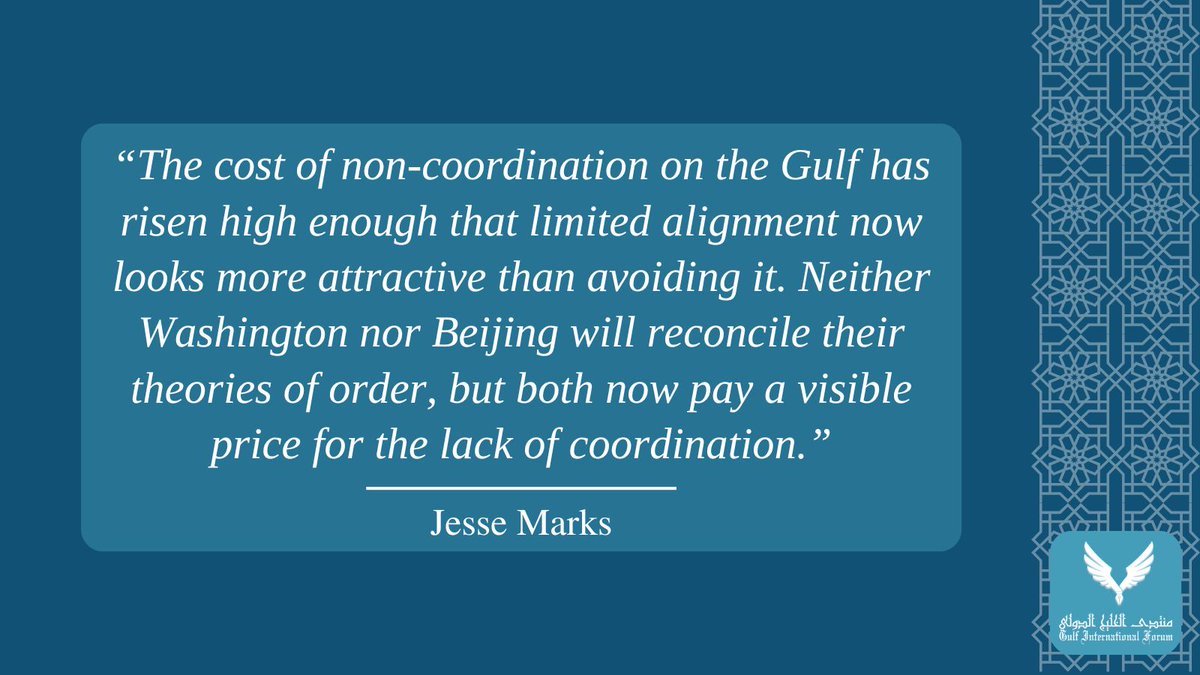
"U.S.–China Aligned on Ends, Divided on Means in the Iran War"
In his new article, @JesCMarks examines the #US-#China posture toward #Iran amid the war.
Full analysis: https://t.co/LKpCP8VdwQ
I’m back online after a long hiatus and working on normal Middle East topics but also China, AI, tech competition, and geopolitics!
Make sure to follow along here:
https://t.co/k7kgL3WMZD
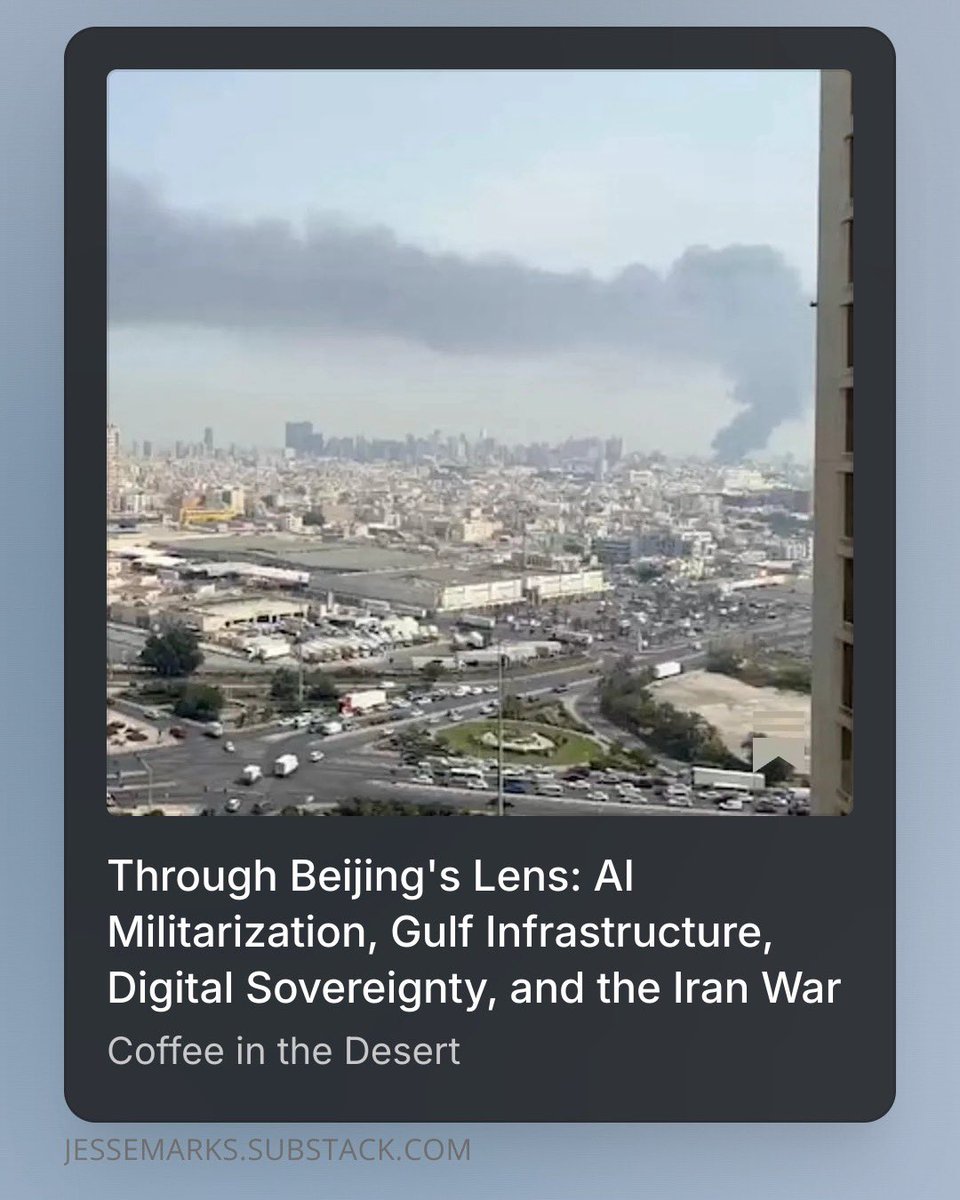
Some #Chinese commentators argue that Iran’s attacks on #GCC#AI infrastructure creates commercial opporunity for Chinese hyperscalrs.
I discuss this & more in my recent piece with Coffee in the Desert
https://t.co/lhwGY5ybfn
🇨🇳🇻🇪🇺🇸 How is China reacting to Venezuela?
@MyersMargaret (@SAISHopkins) and @zhaot2005 (@CarnegieEndow) join @JesCMarks (Rihla Research & Advisory LLC) to discuss how recent U.S. military actions in Venezuela are shifting the strategic landscape between Washington and Beijing.
▶️ Watch: https://t.co/7FHUrjVefz
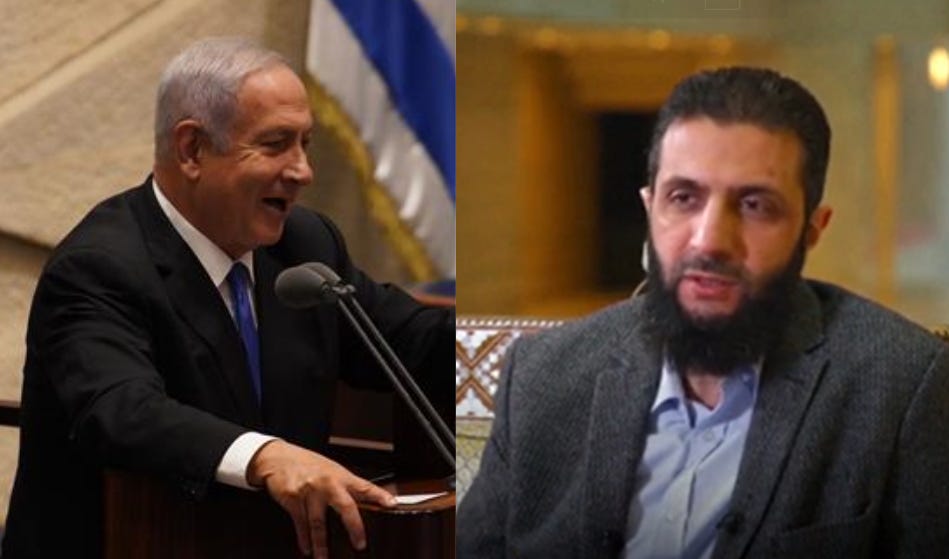
Exclusive: America's Proposal for an Israel-Syria Economic Peace
A new plan for economic cooperation is being discussed with Syria. What does it involve? It appears to be a sprawling joint economic zone along the current demilitarized strip—complete with energy projects, pharmaceutical plants, and, most Trumpian of all, a ski resort.
Let’s just say this comes as a surprise. One would think that after Israel conducted thousands of strikes, and currently sitting on Syrian territory, security would remain the only topic worth negotiating. But it seems the Trump administration and the Syrian government are after something more intimate.
According to the American-Syrian proposal, the zone would host a wind power plant, a crude oil pipeline, data centers, and pharmaceutical facilities—and best of all, the area would remain demilitarized.
The plan offers quite a bit for Syria: roughly $4 billion in GDP growth—a 20 percent increase on its current output—along with an 800-megawatt boost in power capacity, 15,000 new jobs, and a 40 percent reduction in pharmaceutical dependency. Israel, for its part, gains the chance to transform an arid buffer zone into a “dynamic economic corridor,” while enjoying “reduced military spending” to protect its northern border.
Lets just say the imbalance isn’t unusual for Israel’s peace arrangements. Back in 1979, Egypt regained the entire Sinai Peninsula, billions in U.S. aid, and a guarantee that Israel would stop embarrassing it militarily—in exchange for tolerance of its existence.
But what would this new zone actually look like?
Apparently, something akin to the ski region of Zermatt, Switzerland on the Italian border. Not a one-to-one comparison—Israel and Syria are hardly European in structure or sentiment—but the model gives an idea: independent tax rules, relaxed visa requirements, arbitration mechanisms for financial disputes, maybe even a shared currency framework.
Here a question arises: will this whole deal really go through without Syria joining a certain Abrahamic accords?
Unfortunately, yes. From what I’ve seen, none of the draft documents make peace a formal condition of the plan. It may make peace more likely, but by no means guaranteed.
Now, peace in the Middle East aside—it’s a good deal. Economic prosperity is always welcome, and a demilitarized zone with fewer barbed wires and more ski lifts sounds, frankly, delightful. After all, when Israel first expanded its presence into the DMZ following the Assad regime’s collapse, plenty of Israelis joked—half seriously—about the new skiing opportunities.
Still, it needs to be said: however tempting this vision is, Israel should be very careful before it starts trading soldiers for skis.
Exclusive: America's Proposal for an Israel-Syria Economic Peace
A new plan for economic cooperation is being discussed with Syria. What does it involve? It appears to be a sprawling joint economic zone along the current demilitarized strip—complete with energy projects, pharmaceutical plants, and, most Trumpian of all, a ski resort.
Let’s just say this comes as a surprise. One would think that after Israel conducted thousands of strikes, and currently sitting on Syrian territory, security would remain the only topic worth negotiating. But it seems the Trump administration and the Syrian government are after something more intimate.
According to the American-Syrian proposal, the zone would host a wind power plant, a crude oil pipeline, data centers, and pharmaceutical facilities—and best of all, the area would remain demilitarized.
The plan offers quite a bit for Syria: roughly $4 billion in GDP growth—a 20 percent increase on its current output—along with an 800-megawatt boost in power capacity, 15,000 new jobs, and a 40 percent reduction in pharmaceutical dependency. Israel, for its part, gains the chance to transform an arid buffer zone into a “dynamic economic corridor,” while enjoying “reduced military spending” to protect its northern border.
Lets just say the imbalance isn’t unusual for Israel’s peace arrangements. Back in 1979, Egypt regained the entire Sinai Peninsula, billions in U.S. aid, and a guarantee that Israel would stop embarrassing it militarily—in exchange for tolerance of its existence.
But what would this new zone actually look like?
Apparently, something akin to the ski region of Zermatt, Switzerland on the Italian border. Not a one-to-one comparison—Israel and Syria are hardly European in structure or sentiment—but the model gives an idea: independent tax rules, relaxed visa requirements, arbitration mechanisms for financial disputes, maybe even a shared currency framework.
Here a question arises: will this whole deal really go through without Syria joining a certain Abrahamic accords?
Unfortunately, yes. From what I’ve seen, none of the draft documents make peace a formal condition of the plan. It may make peace more likely, but by no means guaranteed.
Now, peace in the Middle East aside—it’s a good deal. Economic prosperity is always welcome, and a demilitarized zone with fewer barbed wires and more ski lifts sounds, frankly, delightful. After all, when Israel first expanded its presence into the DMZ following the Assad regime’s collapse, plenty of Israelis joked—half seriously—about the new skiing opportunities.
Still, it needs to be said: however tempting this vision is, Israel should be very careful before it starts trading soldiers for skis.
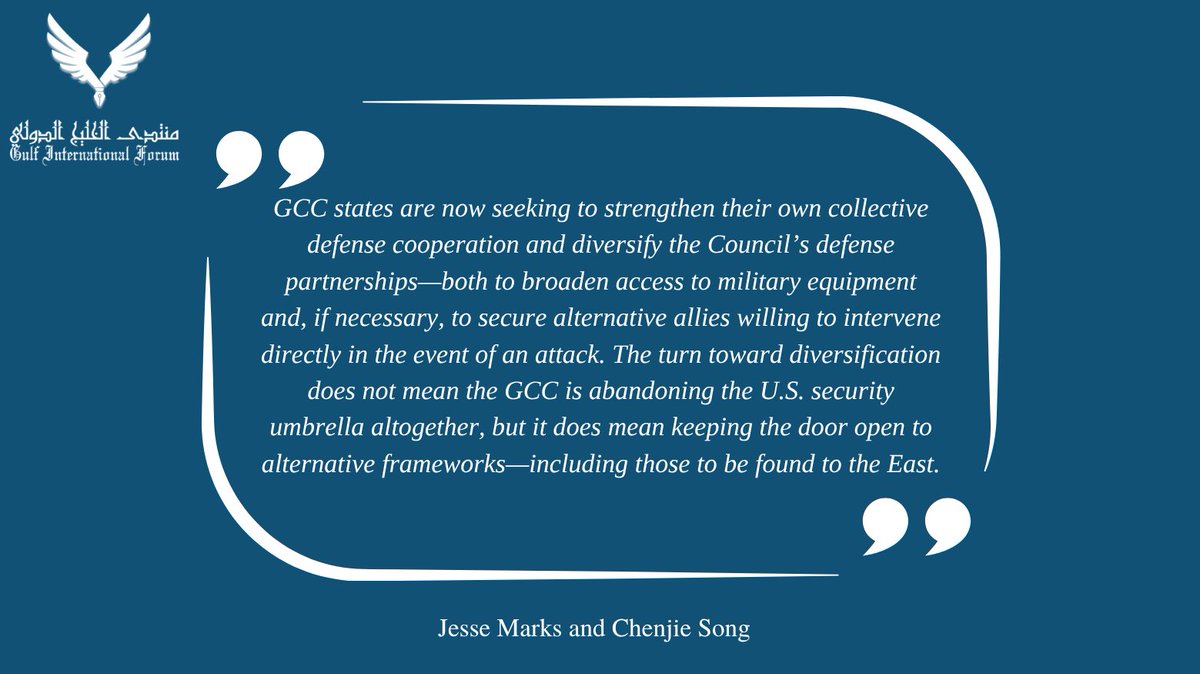
"Parallel, Not Replacement: Why China Can’t Supplant U.S. Security in the Gulf"
In their new article, @JesCMarks and Chenjie Song explore the future of security relations in the #Gulf and what it means for #US and #China engagement in the region.
Read the full article here: https://t.co/GcvhyExTA2
It was my honor to meet with 🇸🇾President Ahmed al-Sharaa as part of a bipartisan delegation with @USAMBTurkiye and Ranking Member Shaheen of @SFRCdems to discuss a bright, unified, and stable future for Syria. This trip was particularly meaningful for me, and I am grateful for the warm reception. The time for FULL Caesar repeal is NOW. As a priority of President Trump’s administration, I remain committed to this critical and bipartisan goal. #MakeSyriaGreatAgain
"#China appears to be applying what Foreign Minister Wang Yi has described as the “two-meter alley” approach—maintaining respectful distance while protecting one’s own interests," writes @JesCMarks
https://t.co/nQEOGmqepG
'China is moving quickly to shore up its long-term energy ties with Gulf Cooperation Council states through fixed purchasing agreements with Gulf suppliers,' writes @JesCMarks. https://t.co/XW217W6ss1
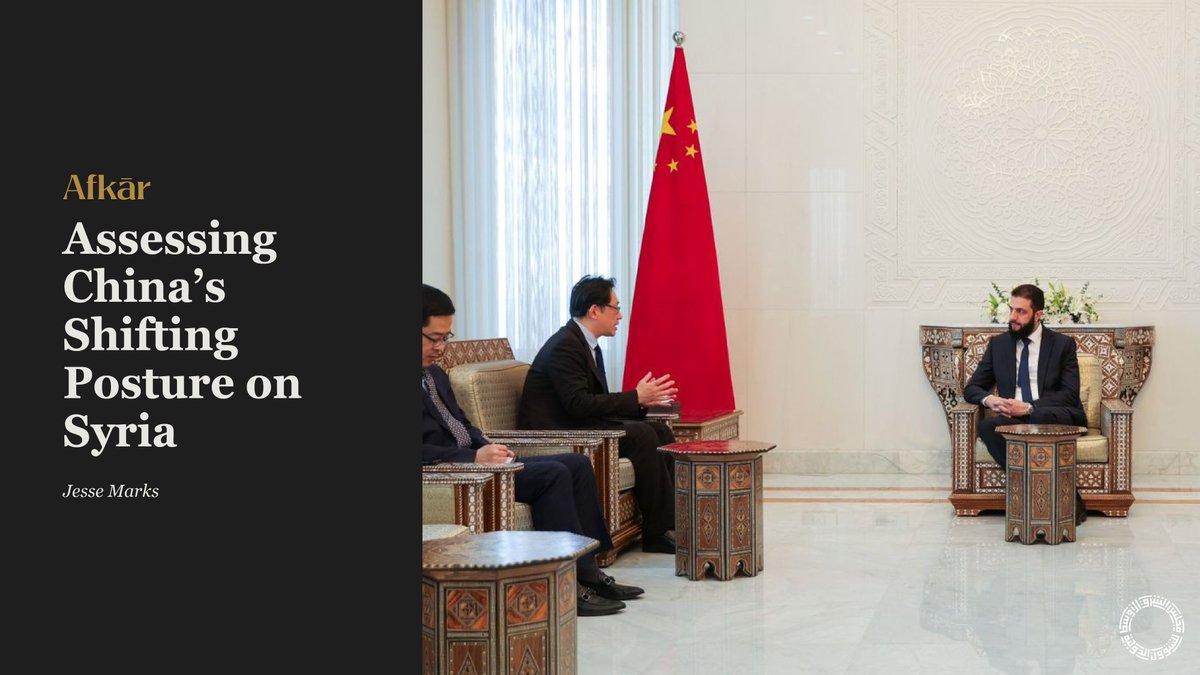
While maintaining diplomatic ties with #Damascus, #Beijing is keeping the new government at arm’s length, conditioning deeper ties and support for UN sanctions relief on the removal of foreign fighters from Syria. @JesCMarks writes on #Afkar
🔗 https://t.co/nQEOGmqepG
Finally reemerging from a break from X and excited to begin talking all things #China, #MiddleEast, and everything in between!
Most recent discussion piece:
https://t.co/WkwI6vYMYt
In 7 months, #Israel has done the following in #Syria:
- 987 air & artillery strikes
- 421 ground incursions
- Occupied ~180sqkm of land
In response, #Syria's govt has done:
- 0 attacks
- Filed x2 UNSC complaints
- Seized 49 #Hezbollah weapons shipments headed to #Lebanon
"I'm proud to introduce a repeal of the Caesar Act and will work to repeal other sanctions on Syria. We have other tools to hold the Syrians accountable, as shown by @USAMBTurkiye. We must support their hopes for democracy and security." -@SenatorShaheen ⬇️https://t.co/EHC98ycYu4