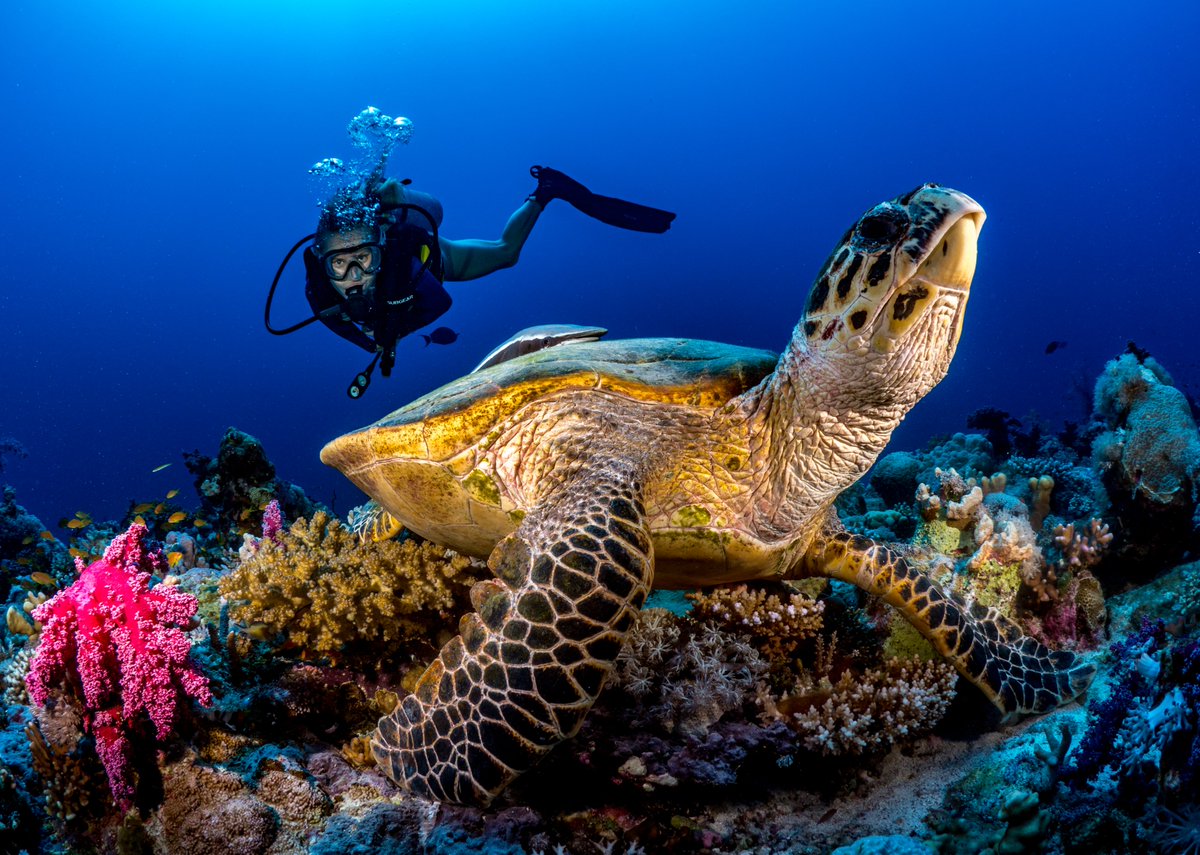
During “Meeting the coral restoration challenge under climate change” at #MENAClimateWeek, @CORDAP_ and #KAUST’s Reefscape Restoration Initiative discussed the resilience of Red Sea #coralreefs, despite increased marine heat wave threats, and explored strategies to mitigate risks and investments in combating #climatechange.
#UNClimateChange #KAUST_RRI
Excited to share our latest paper on the cryopreservation through vitrification and laser nanowarming of single polyp coral microfragments - in Advanced Sustainable Systems https://t.co/sNHxzjxgBQ
What does the paper mean for the wider audience? "caution must be exercised when comparing results among studies that claim to be working on the same Acropora species, particularly if they come from different parts of the world"
https://t.co/w6tK6r1MAN
New paper alert! 🪸Coral sperm motility is activated by similar signaling pathways as humans🧍and sea urchins, and is pH-dependent. This feature may make them sensitive to #OA. Led by PhD student @ben_glass_ in a fun collab w/@HolliePutnam lab #astrangia https://t.co/PWtG5YHRDo
📢📢Just out in @ScienceAdvances !!📢📢
https://t.co/XgENemBGwL
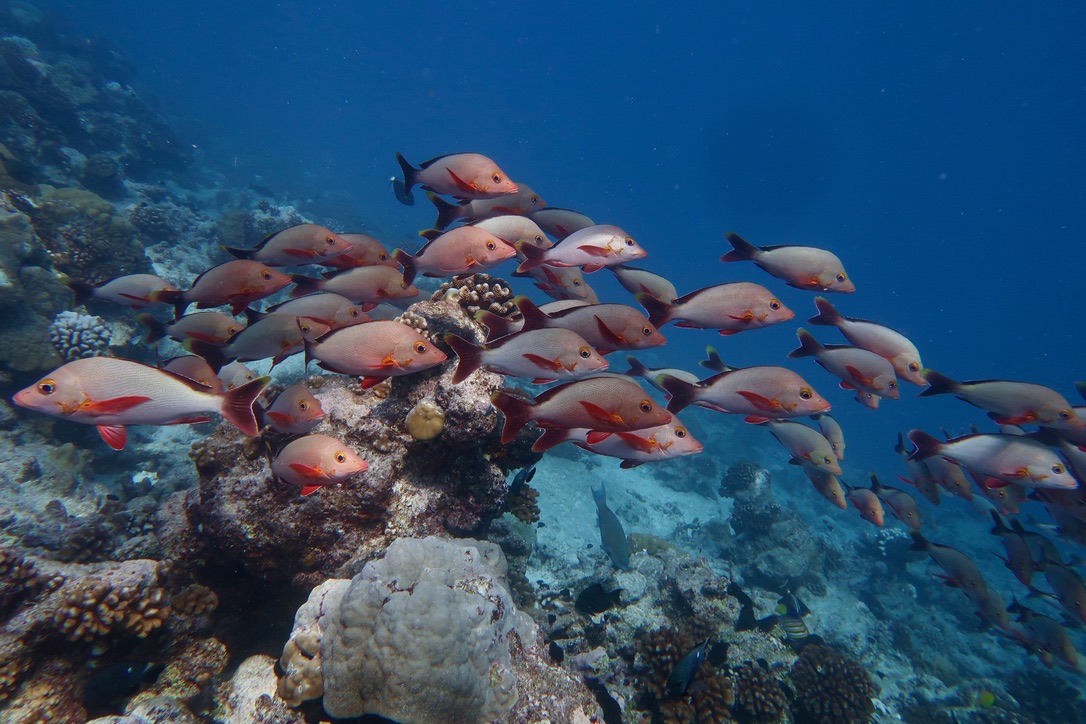
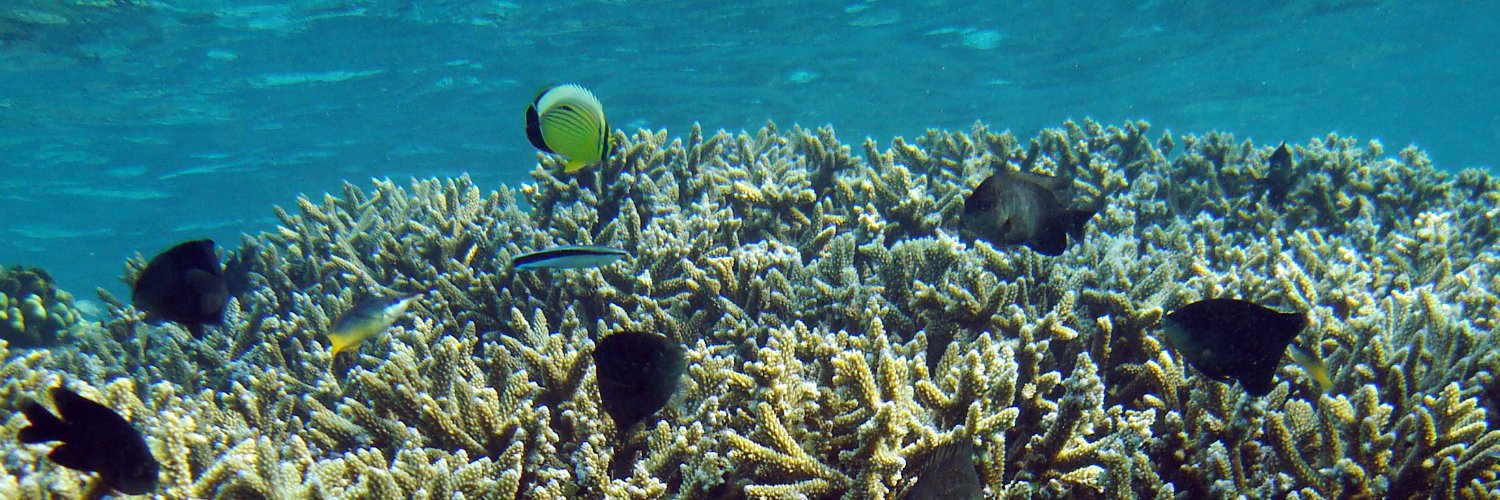
Our study shows that ocean currents can shelter coral reefs during major El Niño heatwaves. How did this happen…? By enhancing upwelling and delivering valuable nutrition to corals during peak thermal stress. [1/5]
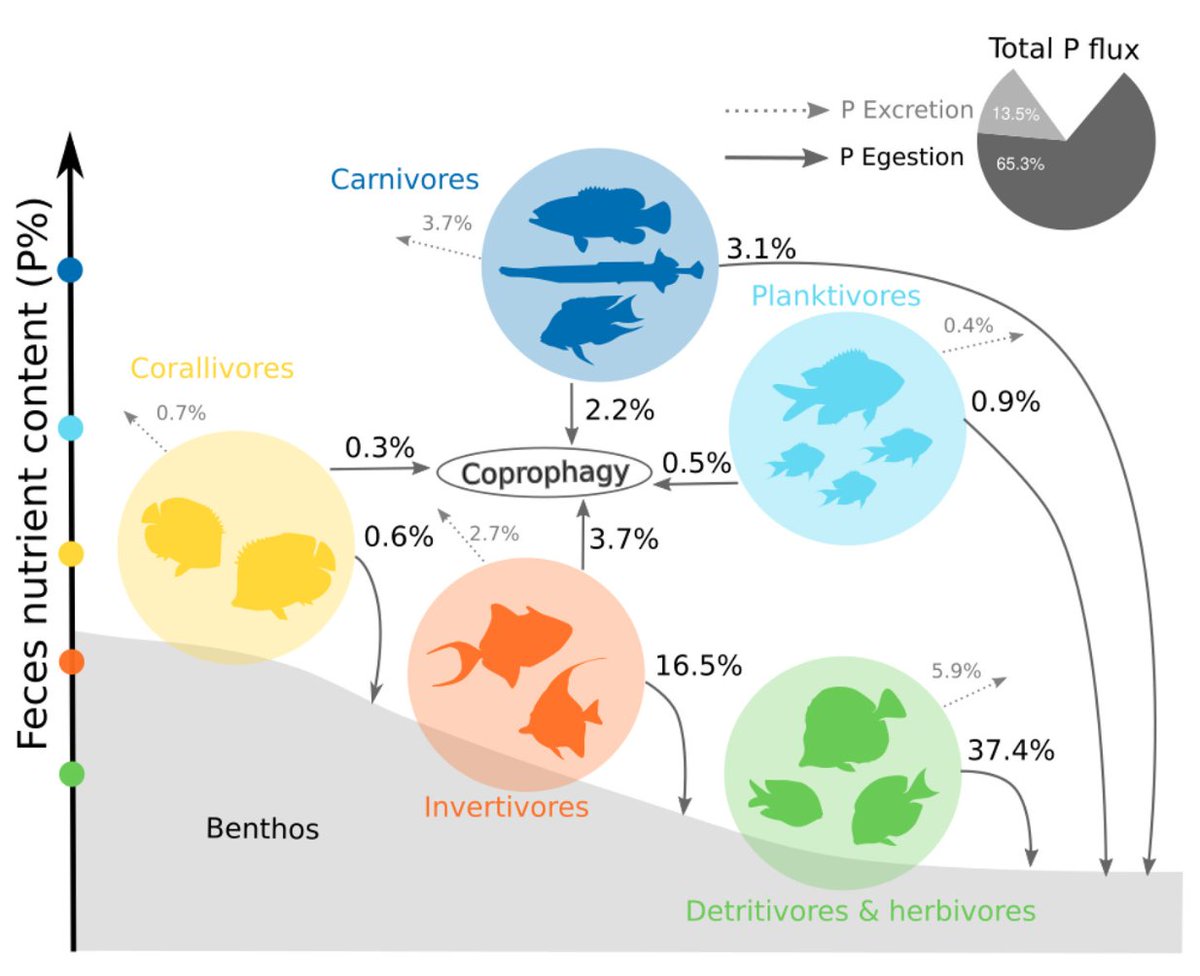
Fish poop feeds coral reefs! 💩 🐟
We examine the quality of fish food and poop for 51 fish species & reveal that fishes don't retain a lot of nutrients from their food, making fish poop a nutritious snack for other critters.
Paper led by @NinaSchiett : https://t.co/tAKMsQeFRZ
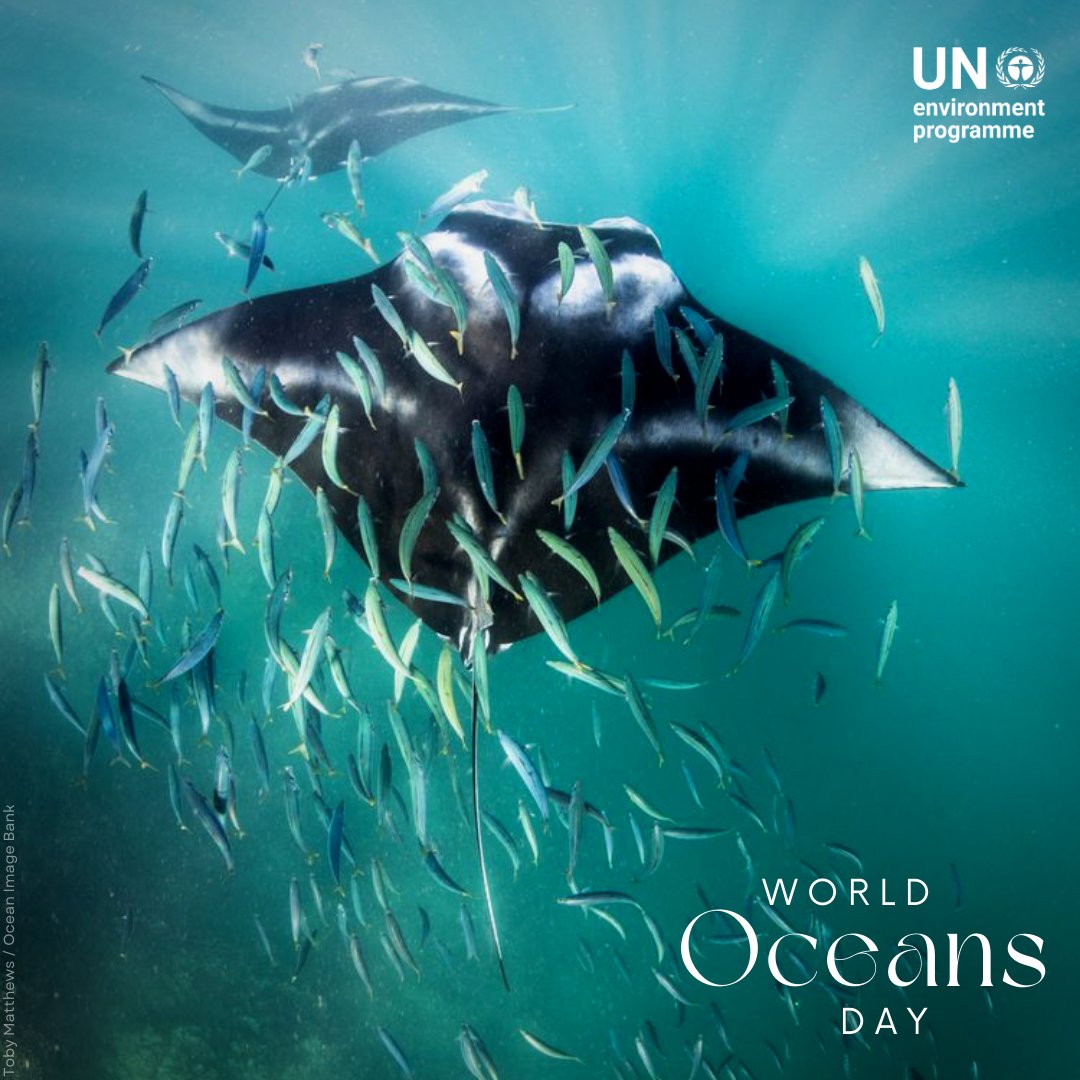
Happy #WorldOceansDay!
Our ocean connects, sustains & supports all life on Earth.
Yet, the triple planetary crisis puts it under serious threat.
It’s time to restore our relationship with the ocean to one with respect and of balance.
https://t.co/HCORCHZPZB
Hot off the press! We looked at the symbiont composition in M. capitata corals in Kaneohe Bay before and after a bleaching event. We found that while there was an increase in heat resilient symbionts, the symb. community remain distinct in each KBay site. https://t.co/nCrsrb4Bp4
Very happy to see this paper published in @OneEarth_CP
A tide of change: What we can learn from stories of marine conservation success https://t.co/JzYwuRh46l
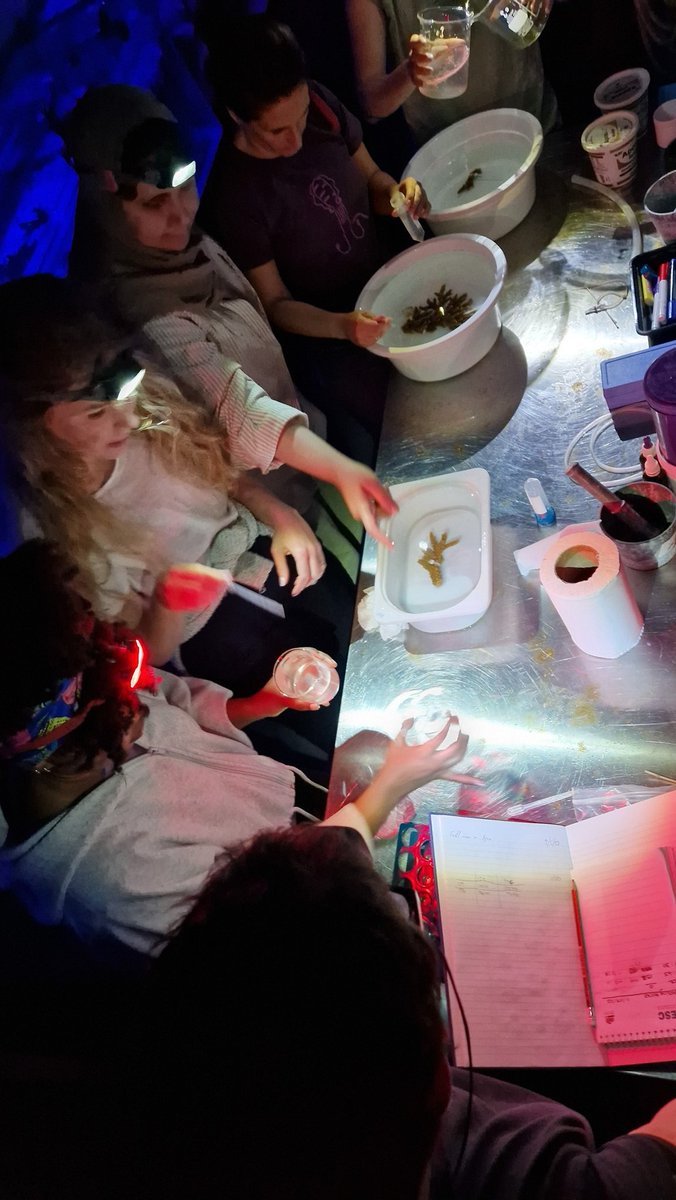
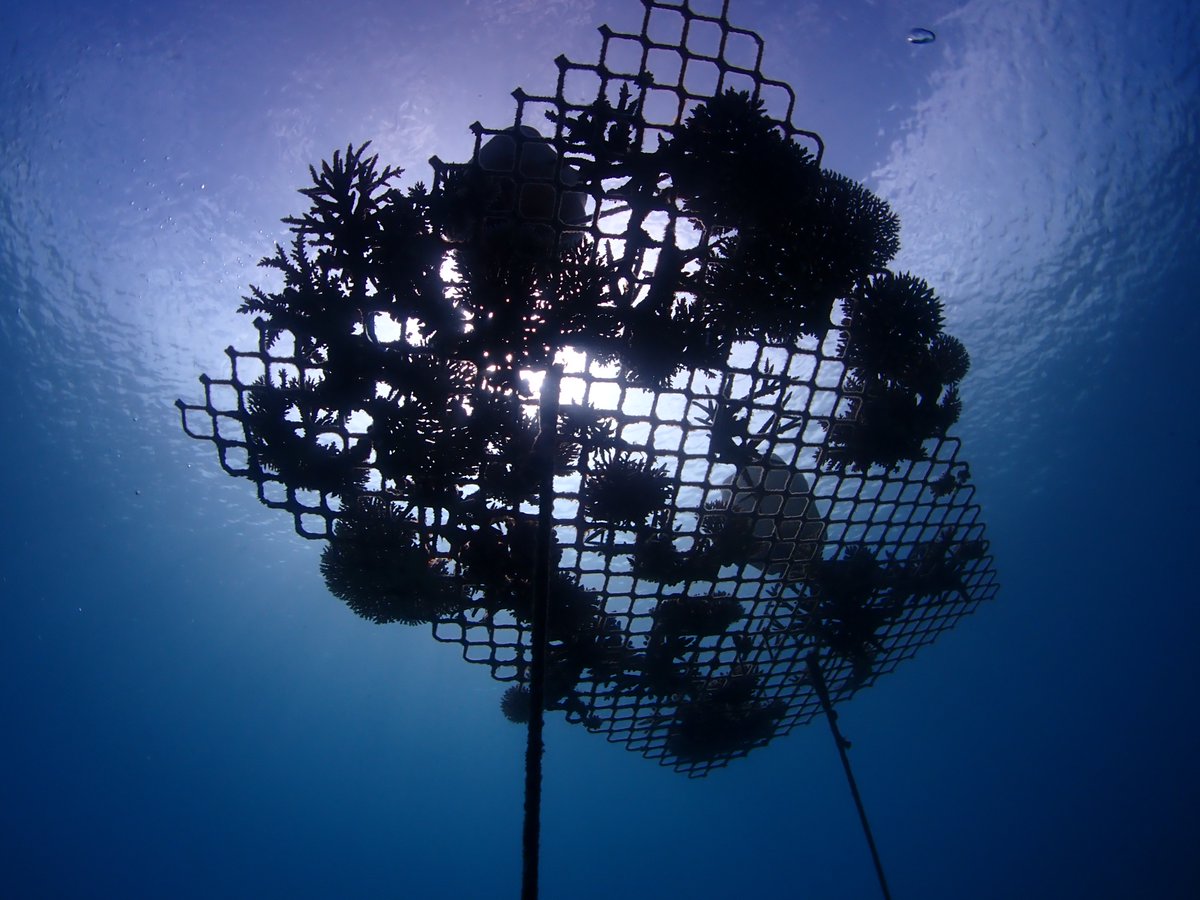
Land based coral spawning systems at @QatarUniversity are providing a great opportunity for the team to practise their skills with in vitro fertilisation and embryo rearing techniques. Their work paid off with good fertilisation rates and the first 10,000 embryos in culture.
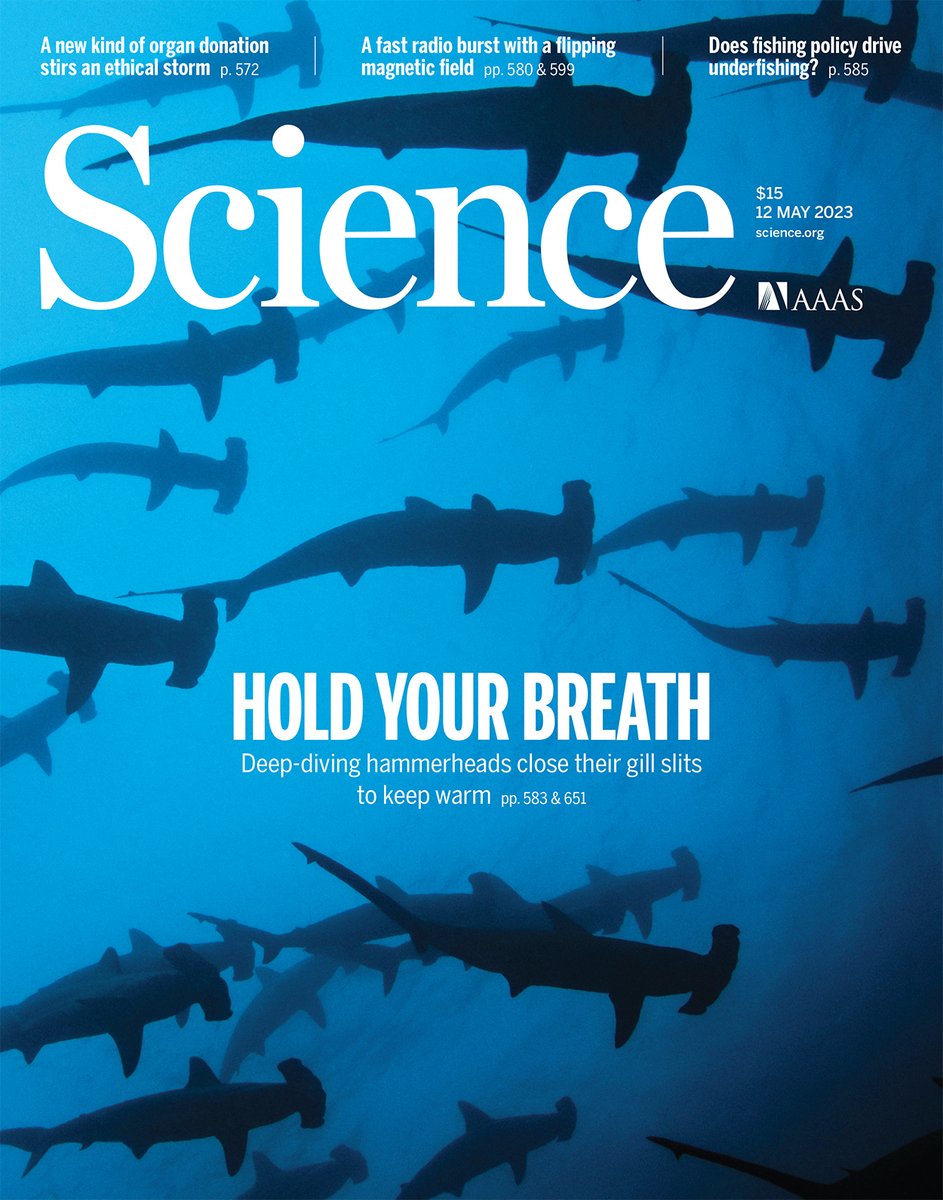
Hammerhead sharks “hold their breath” to keep warm as they hunt in deep, cold waters, a new study finds. The previously unobserved and unexpected phenomenon may be widespread among other deep-diving sharks and fishes.
Learn more this week in Science: https://t.co/XXtb9cBiNu
Proud to reveal the findings of one of the world’s largest environmental surveys of wildlife ecosystems conducted by a developer. The study highlights the importance of our environmental protection & regeneration efforts at @VisitRedSea & @Amaala.
Report: https://t.co/eLPzKCZE4r
new work @molecology: coral-specific evolution & holobiont structure across Red Sea gradient, emphasizing need for network of reef reserves to achieve conservation of genetic variants. RAD-Seq, 16S, ITS2 on 769 corals. woof! https://t.co/PLawjT5ru5 @KAUST_News@UniKonstanz












![MikeD_Fox's tweet photo. 📢📢Just out in @ScienceAdvances !!📢📢
https://t.co/XgENemBGwL
Our study shows that ocean currents can shelter coral reefs during major El Niño heatwaves. How did this happen…? By enhancing upwelling and delivering valuable nutrition to corals during peak thermal stress. [1/5] https://t.co/ivtzdCcJhb](https://pbs.twimg.com/media/FyrDttaakAMqeL8.jpg)