Parents spend $30-40K per year on youth sports.
But here's the problem: they have no idea if it's actually working.
No data on athletic development. No quarter-over-quarter progress metrics. Just hope that more games and tournaments somehow translate to growth.
This is the blind spot in youth sports that we're solving at @sparqrating .
Our SPARQ Athletic Testing Platform turns every facility into a development tracking system - measuring Speed, Power, Agility, Reaction, and Quickness with standardized, objective metrics.
Now athletes can see exactly how they're progressing. Parents can see the ROI on their investment. And organizations can prove they're actually developing their core customers.
The shift from "pay to play" to "pay to develop" changes everything.
2025 was a pivotal year for @sparqrating
After years of creating digital experiences that democratize sports and let athletes from anywhere be seen by coaches and scouts, we have raised the bar to an entirely new level.
Working across 30+ sports, from youth leagues to the Olympics, gives us a unique advantage: we see what success looks like holistically.
That perspective allowed us to build something truly game-changing this year - a vertically integrated experience that brings our technology into the real world.
Video-verified testing. Computer vision. Real-time competitive leaderboards. A magical experience for athletes and parents alike.
And the same democratization for coaches and scouts, who no longer have to be in the gym or on the field to discover the athletes who can transform their programs.
From our Olympic and collegiate partners to facilities and youth sports clubs, the demand we're seeing is clear: more transparency, more education, and a better understanding of how to use sports as a vehicle for opportunity.
At the professional level, organizations across every sport are optimizing for one thing - finding the most athletic athletes and building skill development around them.
The old way? Get tested for the first time at 16, 17, or 18. One high-stakes moment that could change your life or hurt you with a single bad performance.
The future looks different.
Athletes will test early and often, building a decade-plus story of development that showcases their potential - not just a single snapshot.
That's how they'll be discovered.
Incredibly excited for what 2026 has in store. We're still just getting started!
The Athletic Development Path I Wish I'd Taken (And What I'm Building for My Daughters)
I need to start with full disclosure: I was that kid.
I played travel baseball from age 8 to 18. Every weekend, every summer, every fall ball season. I was a pitcher with real potential, but I never worked to achieve it.
By the time I got to high school, I was completely done with the sport. Ten years of year-round specialization had drained every ounce of love I had for the game.
So I walked away and chose football.
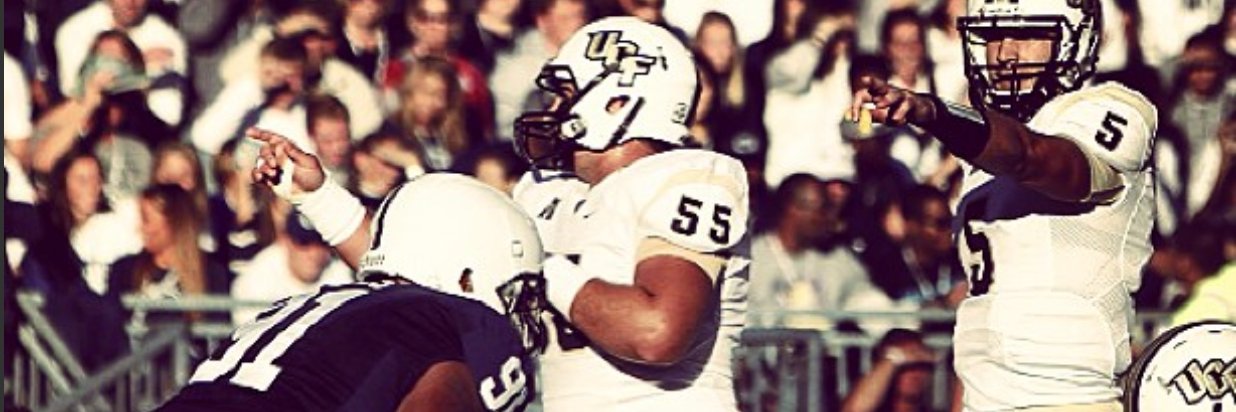
I gained 85 pounds to start at center for UCF. We won the Fiesta Bowl. But here's what made it truly valuable: I also earned three degrees while playing, including two master's degrees. I had great mentors who helped me see sports as a vehicle to get opportunities, not the end itself.
I've spent over 10 years in recruiting, scouting, and building a company around athlete development. My wife played Division 1 basketball and is easily the best athlete in our family. We have two daughters, ages 3.5 and almost 2.
Which means I'm facing the same questions every parent faces: How do I give my kids the best path forward?
How do I use sports to help them develop as people, not just players?
My Thoughts....
Ages 5-15: NO SPECIALIZATION. AT ALL.
This decade should be about exploration. What sports do they like? What environments help them thrive? This is where they learn teamwork, communication, how to handle adversity. Don't play year-round. Don't overtrain. Try different seasons, different sports. Prioritize family time.
Ages 13-17: The Gradual Shift
Around 12 or 13, start playing more in the sport they're gravitating toward if they're truly passionate.
By 16 or 17, deeper investment makes sense. Extra skills training, studying the game, becoming a true student.
The Non-Negotiable: If your athlete doesn't completely love it and isn't self-driven, they shouldn't be doing it. The motivation has to come from them. Otherwise, it won't stick.
Why I Believe in SPARQ
The club ecosystem has exploded over 30 years. Most athletes specialize at 8, 9, or 10 years old now. I don't think we can fully reverse this.
But we can add transparency, realistic expectations, and proper goal-setting.
SPARQ gives families one simple, objective indicator that represents athletic potential and showcases development. My hope is this demotivates excessive year-round specialization.
When parents can see measurable athletic development, they can focus less on playing 80 games a year and more on good practices that build the foundation of athleticism.
This is about kids having fun, building real skills, prioritizing teamwork and friendships, and spending time with family. Not launching premature professional careers with very little upside and very real burnout ahead.
That's what SPARQ is really about. Giving families the tools to make better decisions, set realistic goals, and keep sports what they should be: a development path, not a road to burnout.
Bringing @sparqrating to the masses is not just about the top 1%.
It's about getting all athletes baseline testing to find unique opportunities through sports, which is what is so exciting about our partnership with the Marines and bringing this to high schools nationwide.
@dharmesh@dharmesh I’ve been able to to that same work and connect it in 2 clicks to HubSpot forms to integrate a vibe coded landed page easily into the CRM. Should be an easy enough agent workflow!
https://t.co/g6m7KnHSSi
Every NFL coach, scout or personnel executive that I’ve worked with loves multi-sport players. Other sports build skills that translate well to the football field. Whether it is wrestling (strength, power and leverage), basketball (hand-eye coordination, agility and footwork), baseball (hand-eye coordination, ball skills and tracking) and track (speed, explosiveness, strength and power), a player benefits immensely from participation. That doesn’t include the competitiveness and/or toughness (mental and physical) that’s also revealed when playing other sports.
Teddy Bridgewater talks about his suspension from coaching high school due to impermissible benefits that included Uber and meals for players. “Miami Northwestern is in a tough neighborhood. Things can happen when kids are walking home. I was just trying to protect them.”