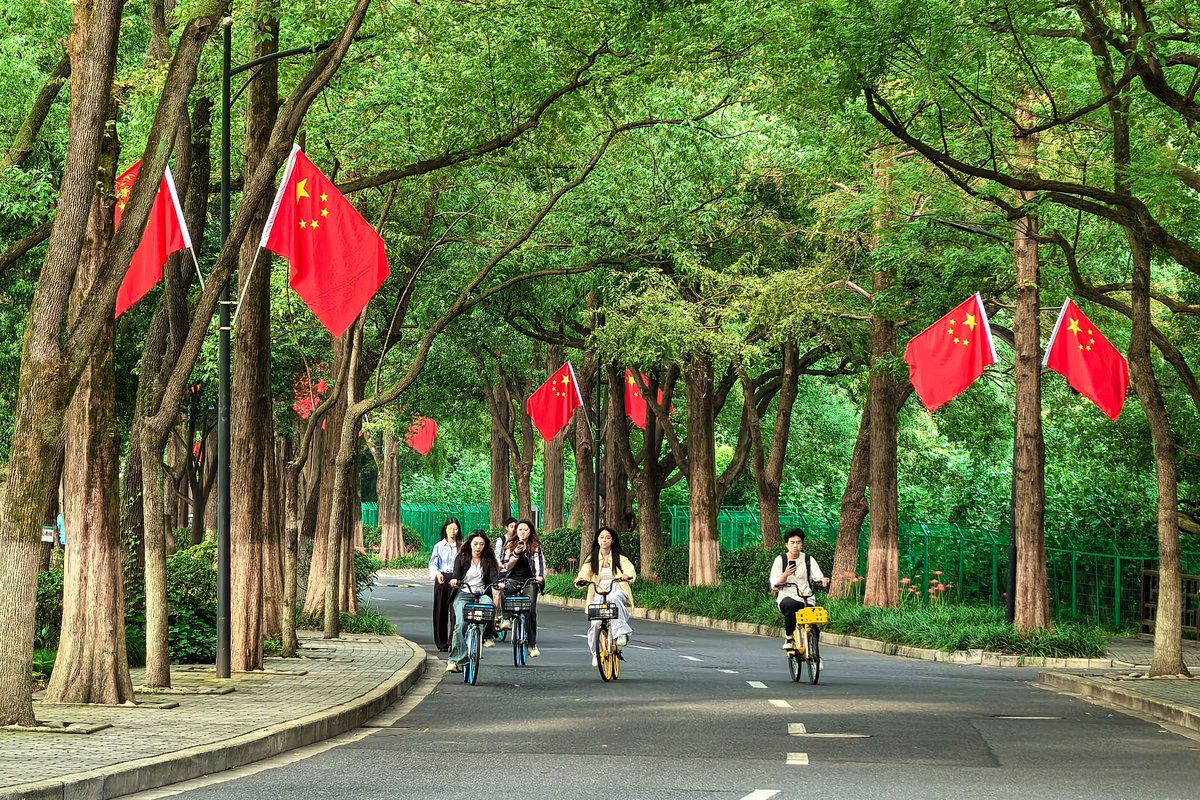
Plant physiological responses to CO2 #fertilization can make natural climate solutions (e.g., reforestation, avoiding #deforestation) less efficient through climate feedback from stomatal closure. @NewPhyt@GeographyUcla
https://t.co/W0ElpjK4jy
Interested in global change ecology? Want to ‘dig’ deeper into mechanisms that drive ecosystem response to climate change? Follow the link to find out more about our available PhD scholarship. Closing date 30th September. https://t.co/ltZtDS3Wli
Studying a future at risk, presents deep personal and professional challenges for scientists, as theoretical ecologist Prof Belinda Medlyn FAA (@b_medlyn) has experienced. Belinda is from Hawkesbury Institute for the Environment (@westernsydneyu, @westsyduhie) and we are so pleased they have come on board as an event partner for Science at the Shine Dome 2024. Hear from Belinda and many more Fellows at #ShineDome24, 9-12 September. Join in person or online. https://t.co/jWbdp9Pdyh
Thrilled to see this paper published - an international collaborative work involving modellers and experimentalists. We assessed the C-P interactions in models and their responses to elevated CO2 @westsyduhie@westernsydneyu@ZJU_China
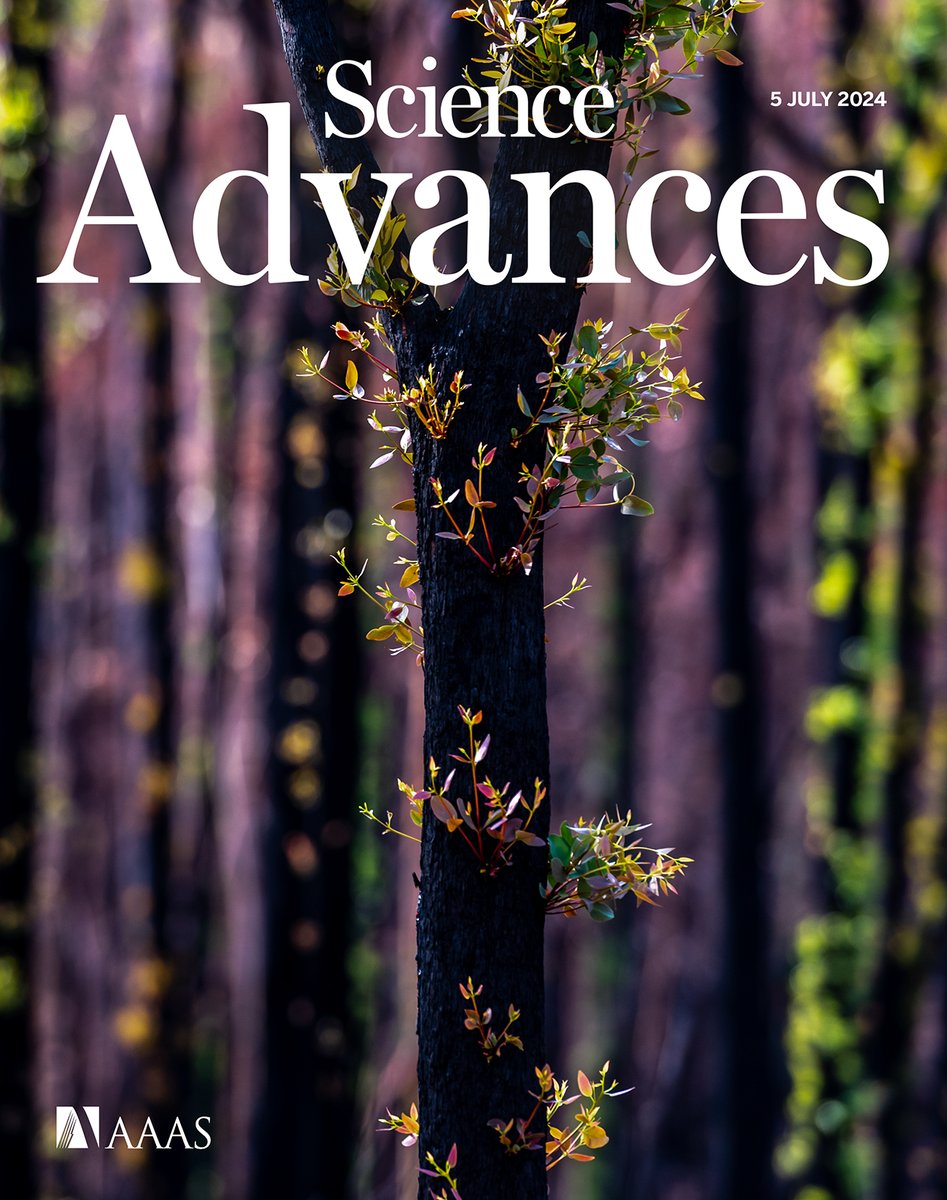
A new study on Eucalyptus forests adds to evidence that the global CO2-driven carbon sink may be overestimated by models.
Learn more in this week’s issue of Science Advances: https://t.co/fGEGygomRu
A new study on Eucalyptus forests adds to evidence that the global CO2-driven carbon sink may be overestimated by models.
Learn more in this week’s issue of Science Advances: https://t.co/fGEGygomRu
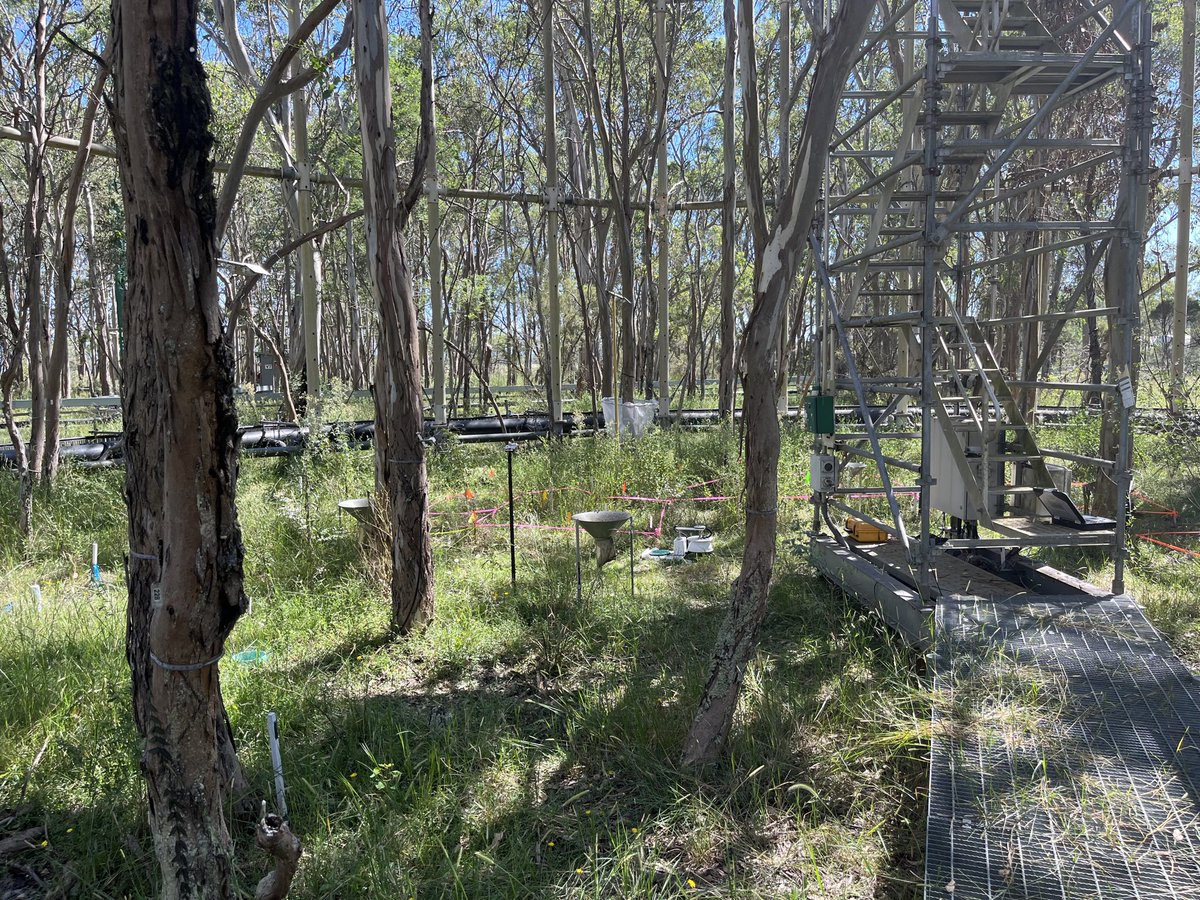
Extremely delighted to share this latest work from #EucFACE. We show microbial competition for phosphorus is strong that plants are getting enough nutrient to support extra biomass growth under elevated CO2. A great team effort and thanks to everybody involved.
New research published today in @SpringerNature shows that mature eucalyptus trees don’t increase their growth with increased carbon dioxide in the atmosphere, which was expected to boost plant growth, due to soil microbes restricting their access to the essential nutrient phosphorus.
It is generally thought that increasing levels of CO2 in the atmosphere stimulates plant growth. However, the new study led by Western Sydney University @westsyduhie provides an important counterpoint to this long-held view 🍃🌿 MORE https://t.co/mURBZOWTcc
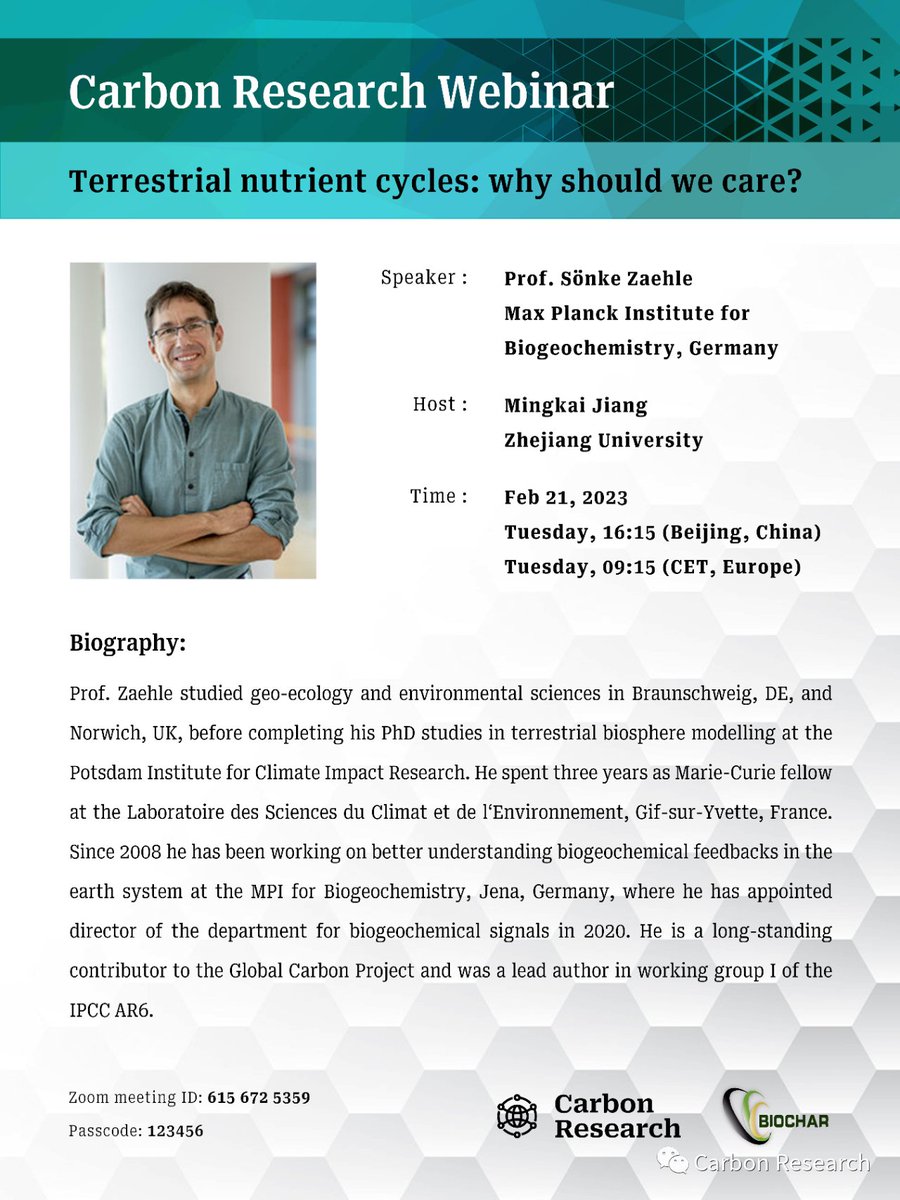
Our monthly Carbon Research Webinar is back - this time we have Daniel Goll @Pdevilselement talking about the effect of phosphorus on land C sink - supported by the editorial office from Carbon Research @Biochar5. All welcome to zoom in.
📢 In Nov, my final chapter was published in @NewPhyt 🥳
We assessed the effect of eCO2 on stomatal conductance in trees and assessed the use of the optimal stomatal model.
(Apologies for the delayed tweet!)
https://t.co/gnqkLD4OLF
Excited to be hosting Beni Stocker @SteniBocker and Ensheng Weng @wengensheng, with support from @jzuscn. Let's talk about vegetation modelling. Link below:
Juergen @JurgenKnauer and I are organizing this Special Issue focusing on forest ecophysiology and climate change. Please contact us if you are interested.
There have been lots of estimates of C emissions following the Australian #BlackSummer fires. How do they stack up against field observations? Our new paper looks at this, and post-fire tree mortality.
🧵 (1/ 8)
https://t.co/Csb8q4iDIf
Hot off the press in @GlobalChangeBio: read about lessons learned from 20 years of measuring #ecosytem#climate interactions via the #OzFlux network:
https://t.co/DGiUIsIgxA