📢 Call for Abstracts – ForestSAT 2026
We’re excited to invite you to submit your abstracts for ForestSAT 2026, a hybrid conference hosted at the University of Florida!
Open now – closes November 7, 2025.
➡️ Submit your abstract here: https://t.co/nhG5HctwBx
🌲Join the ForestSAT 2026 Pre-Conference Virtual Workshop Series!
🗓️ Dates: October 2025 – April 2026
🌐 Format: Online
🔗 Learn more & register: https://t.co/SOcDNij0Ut
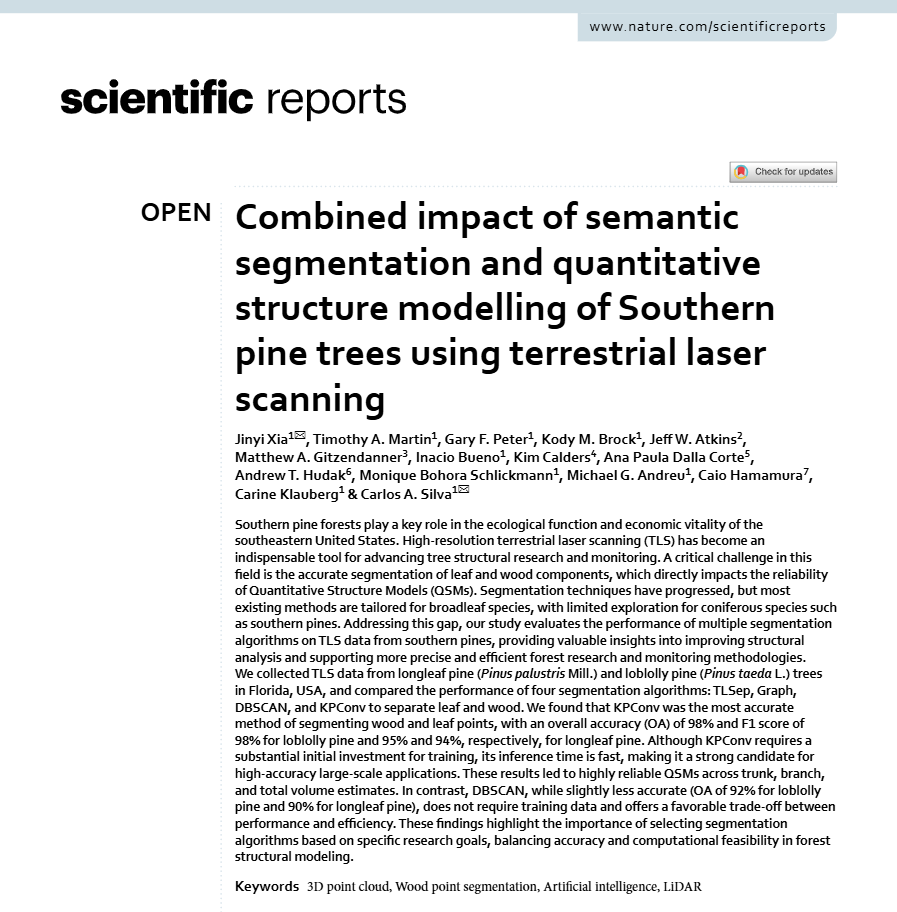
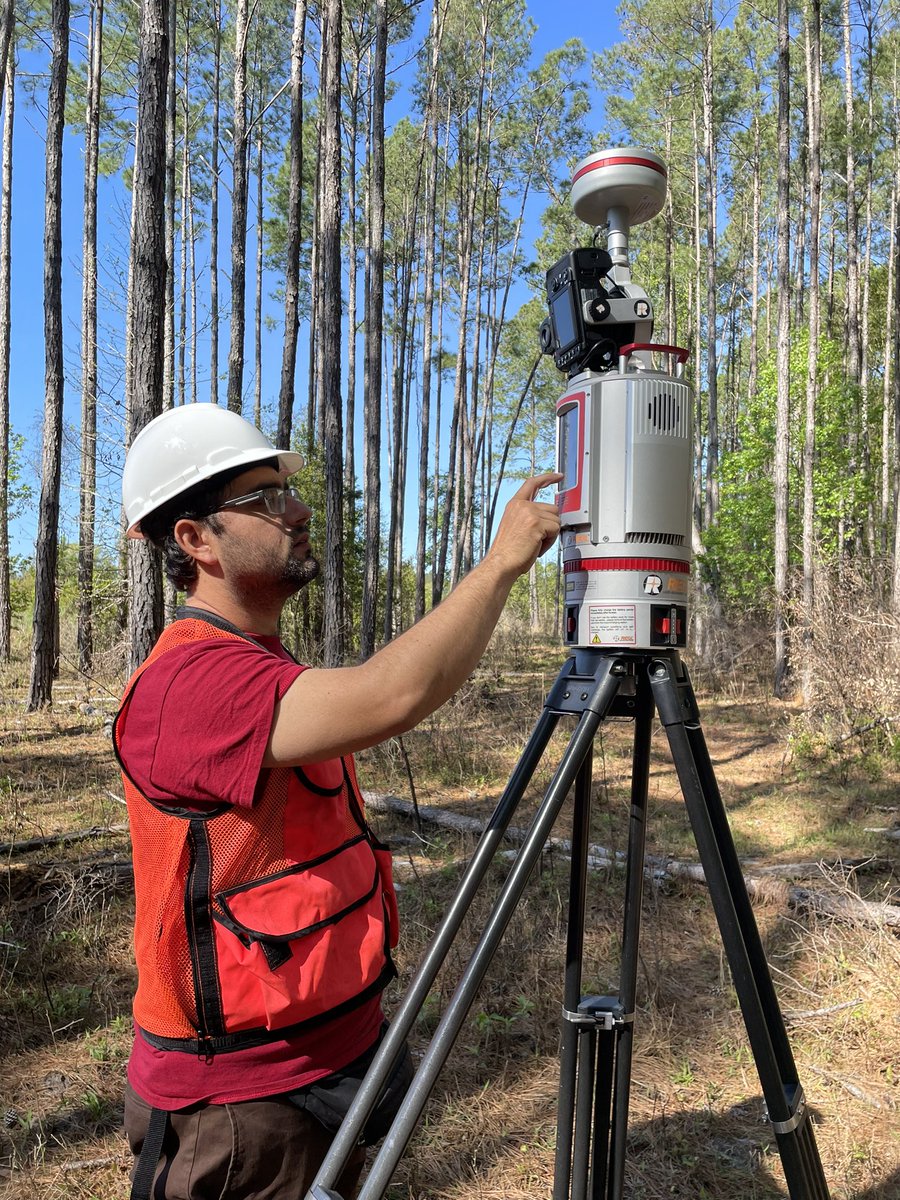
🌲Thrilled to share my first PhD chapter, now out in @SciReports and @NaturePortfolio!
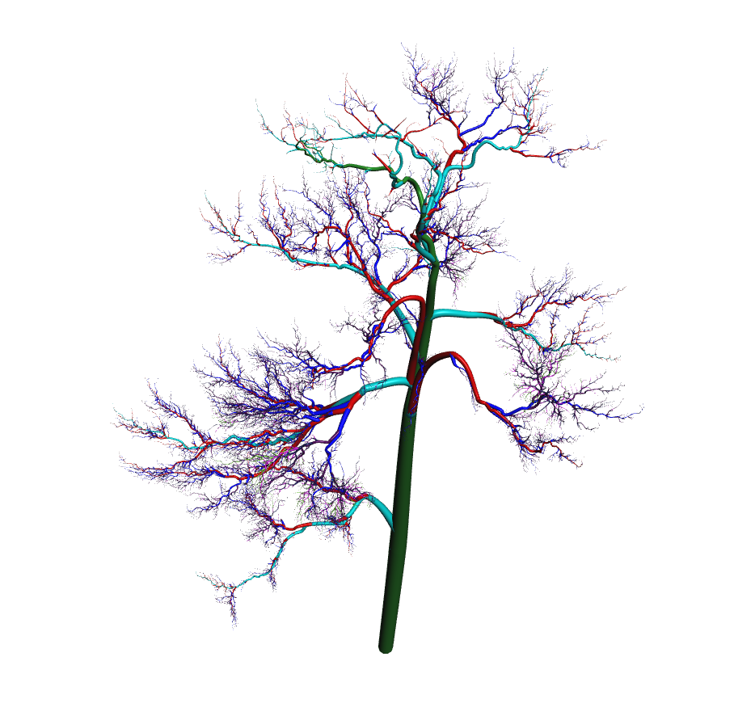
We tested how different segmentation + QSM methods affect structural modeling of Southern pines using TLS.
Check it out: https://t.co/7HfEYwB288
#LiDAR#Forestry#RemoteSensing
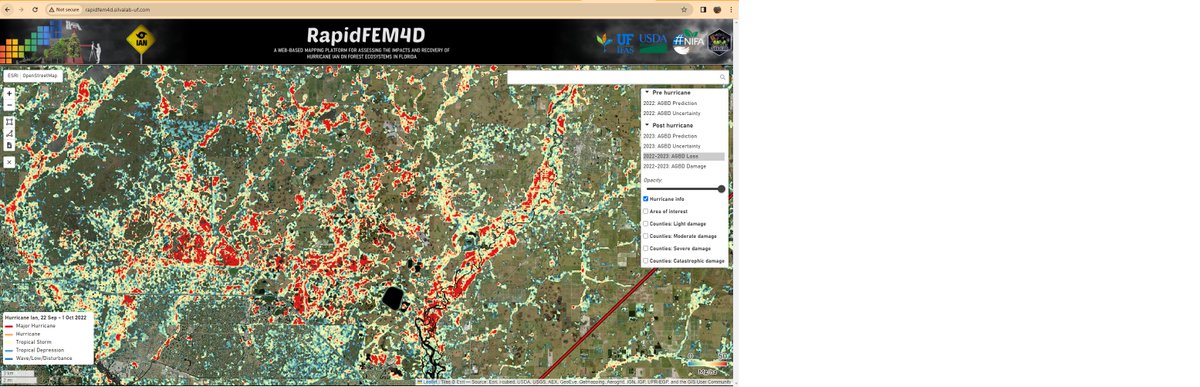
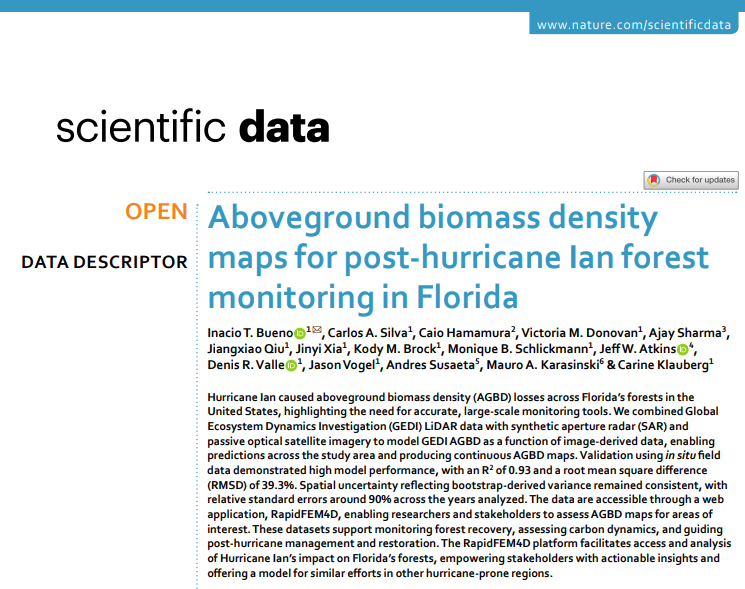
🌳 New open-data release in @ScientificData and @NaturePortfolio. Aboveground biomass maps for post-#Hurricane Ian forest monitoring in Florida. Check it out:
https://t.co/9TBHgrnvnl
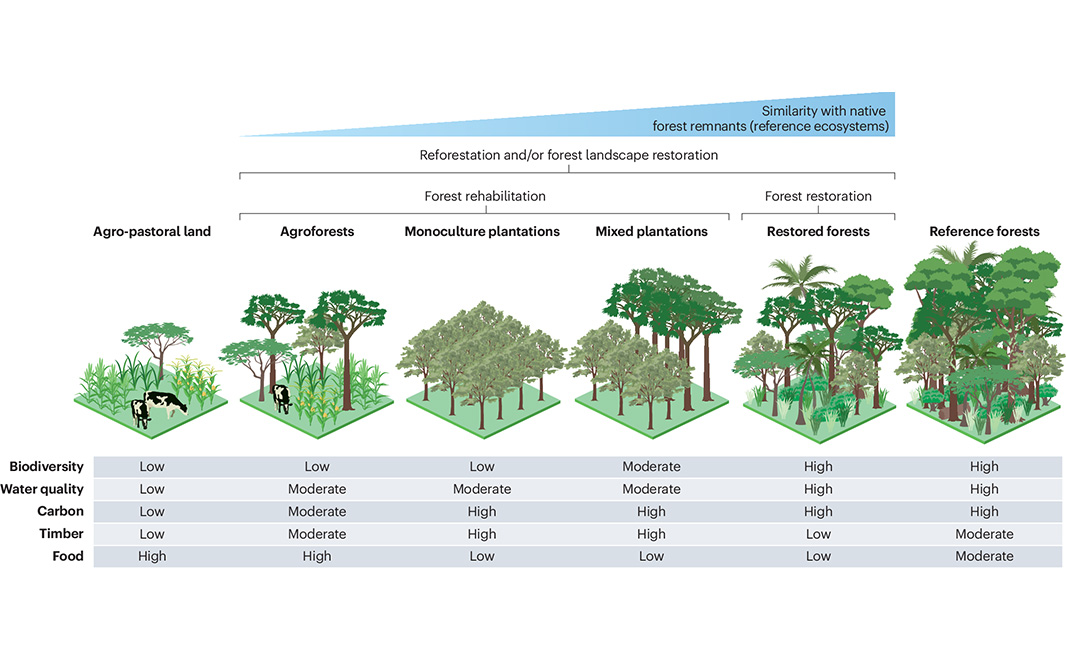
A Review in @NatRevBiodiv summarizes how differing forest restoration approaches affect impacts on biodiversity, and key knowledge gaps and research priorities for achieving biodiversity-centred restoration. https://t.co/XZ1lIOHI69
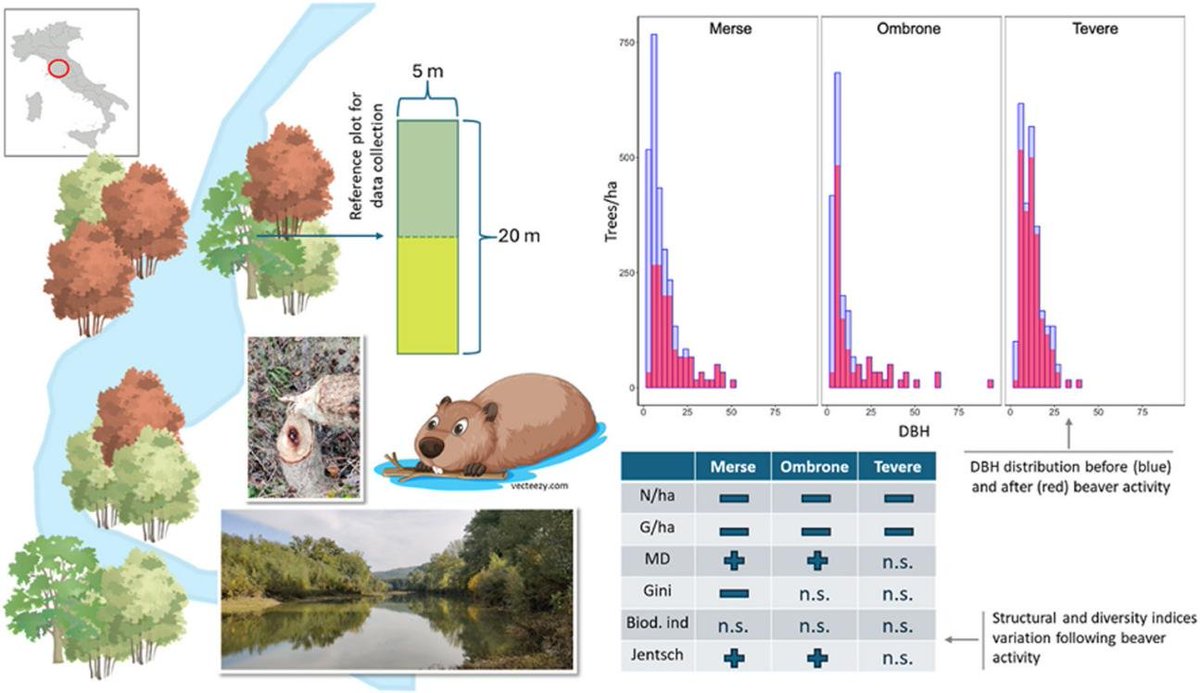
Eurasian beavers are transforming Mediterranean river forests by thinning trees and boosting trunk size, especially near riverbanks, with little effect on species diversity!
#forest#tree#diversity@Forestecosyst
https://t.co/JSu5nWBzPf
👩💼How does geography influence women's employment opportunities?
A new study assessed women's access to jobs in the renewable energy sector, identifying gaps in walkability, safety, and access to services.
📄Paper: https://t.co/T7HPNUSdU1
📋Blog: https://t.co/AvpYIzqllG
We did our first test with the #iPhone + @pix4d + @emlid scanning kit in urban conditions.
The main goal is to be able to capture tress but also pathways, benches and everything else that is there.
It works quite well and it is georefrenced with high accuracy!
Some example 👇
📢We are hosting a workshop on our web-based platform (https://t.co/867byEvM2A) for assessing the impact of hurricanes on forest ecosystems in Florida. Register here: https://t.co/RAfNpSTg6x @SFFGS_UF@SilvaLabUF
How is the shape of trees changing with forest fragmentation? And how can these changes impact the forest biomass? Our study published in @NatureComms used #TLS to measure tree architecture in fragmented and intact forests in Central Amazonia.
https://t.co/3ZLRvXgNk9
Trying to find trees in LiDAR data?
Problem: 100s of algorithms but hard to assess their accuracy
Solution: use segmented TLS to label trees in ALS, then compare algorithms.
Paper: https://t.co/Z77ziFCrYX
@JgcBall@kungphil@kimcalders@mathiasdisney @Silvilaser23
New paper led by @Chang_Liu_RTM on the impact of # of individual reconstructed trees on stand level 3D scenes for radiative transfer modelling @WythamWoods .
Full paper: https://t.co/P7iAzZvvP3
For the TLS #LiDAR and tree architecture heads: check out our new @MethodsEcolEvol paper where we present a new workflow to rapidly measure branch structural traits, more info and link 👇
Everyone else: here's a disco branch 🕺https://t.co/zNkpyVAd1j SOUND ON 🔊
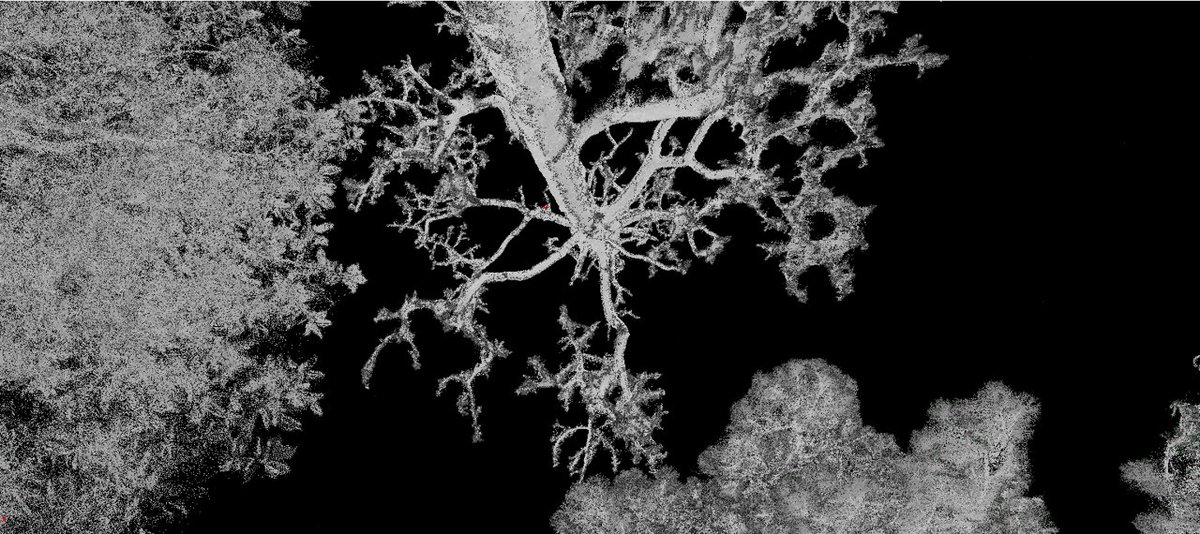
📢The Bicentennial/Anthropocene Tree. The oldest tree (around 275 years old) on UF campus and in 3D. Unfortunately, it died this Spring. #TLS@SilvaLabUF
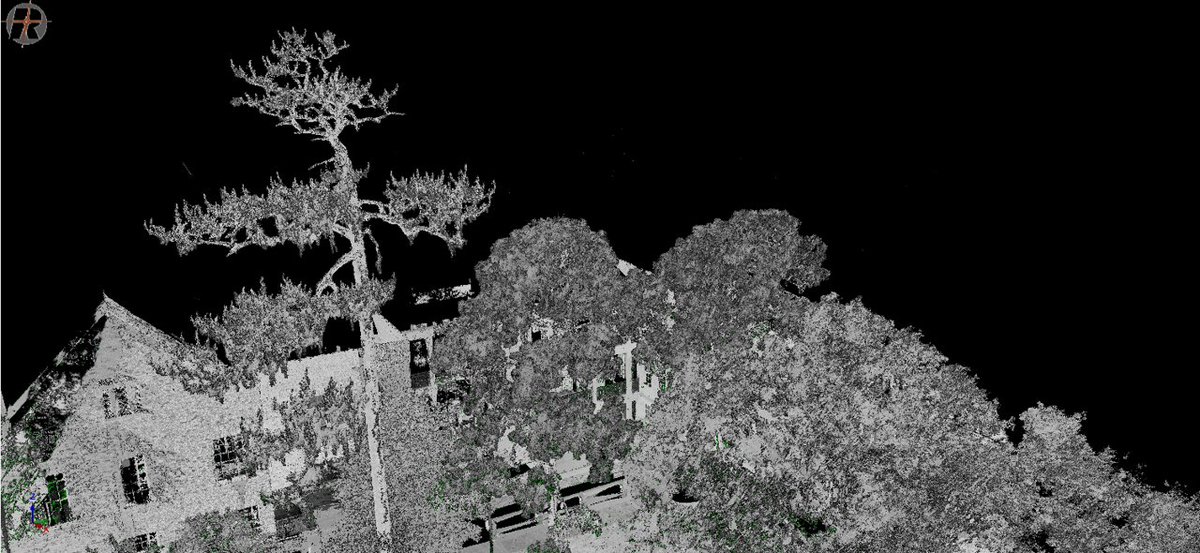
Public Service Announcement: it’s not just snags that come down after prescribed fires, live trees fall too. Stay alert out there (Longleaf pine woodland, Okaloosa County FL)