Many diseases (e.g. #T1D, #rheumatoidarthritis, #IBD, #asthma) impact men and women of reproductive age.
In a paper out today @RheumJnl we asked:
What is the impact of immune-mediated diseases on reproductive success and risk of maternal and perinatal outcomes?
📊 An evaluation & comparison across 19 diseases, with a focus on rheumatic diseases
🇫🇮 Population-based, nationwide registry study based on 5,339,804 individuals, from the FinRegistry study
🔗 https://t.co/BN0S6nbuZ8
🔹Immune-mediated diseases have widespread impact on reproductive success, maternal health, and pregnancy outcomes. That being said, we saw considerable variation in impacts between diseases. And for most outcomes, the risks were at most moderate across diseases!
🔹Among rheumatic diseases, largest effects on reproductive success were seen in #rheumatoidarthritis, #JIA and #lupus. Lupus and #sjogren had the largest impacts on maternal and perinatal outcomes, moderate risks for other rheumatic diseases
Importance for clinical care:
Individuals with rheumatic diseases and their healthcare providers should actively discuss #familyplanning. This goes for both men and women. Pregnancies in women with rheumatic diseases are carefully followed up and medications tailored appropriately, which help reduce risks.
Join our new research program at @helsinkiuni combatting health inequalities using large-scale epidemiology, genomics, and proteomics!
We are looking for:
👨🔬 2 Postdoctoral Researchers
🧬 2 Bioinformaticians
https://t.co/Y4ugX4LmA6
https://t.co/QCu3GslpiS
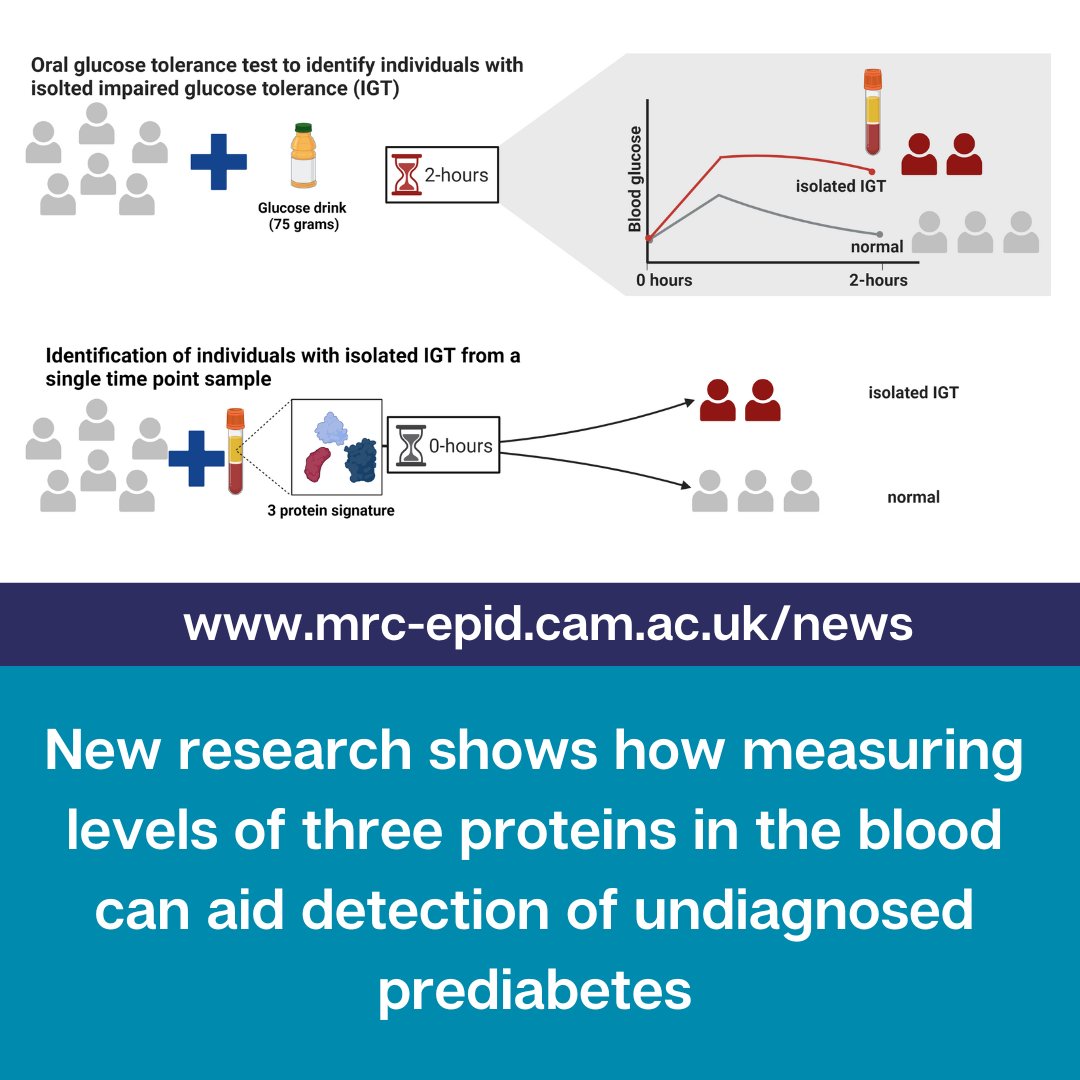
Scientists @Cambridge_Uni & @berlinnovation used a proteomics approach to identify a three-protein signature in the blood that can improve detection of isolated impaired glucose tolerance, a form of prediabetes.
More at https://t.co/Kq25g9QMas
#type2diabetes#diabetes 🧵(1/n)
Many people are on a path to T2D without knowing, as they are being missed by current screening guidelines - isolated impaired glucose tolerance (iIGT).
We identified a novel #proteomics test to help identify them.
https://t.co/uLlXRhbhbi
What do polygenic risk scores (PRS) add to the seemingly simple question about family history (FH)?
We explored the interplay of PRS and FH in over 20 common diseases, showing that they have little overlap and provide complementary information.
Link: https://t.co/xjgzEr7tf1
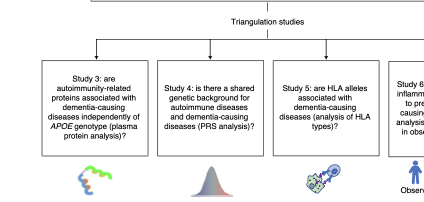
This massive study combined evidence for the link between autoimmune diseases and dementia using 6 different big-data approaches.
The work was lead by @jlindbohm and @ninajmars with contributions from @pyrysipila, @heikorunz, @Gill_Livingston, Ramnik Xavier and many others
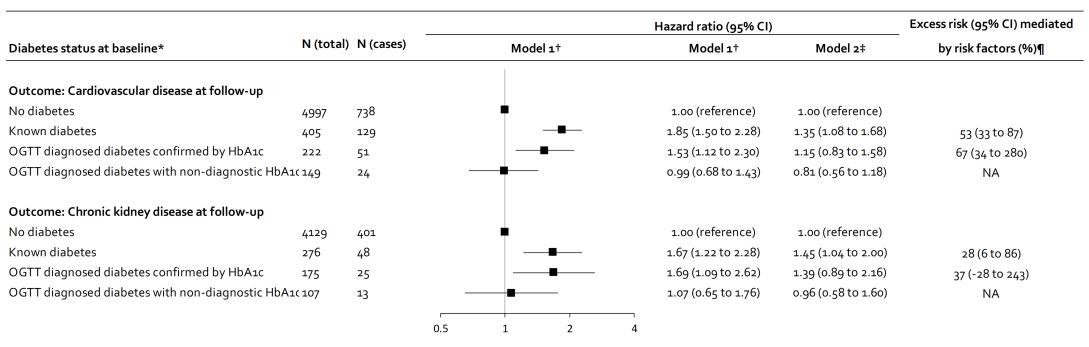
#OriginalResearch: Oral glucose tolerance test diagnosed #diabetes were not confirmed by HbA1c during 4 year follow-up. Cases without HbA1c confirmation had similar vascular risk as the diabetes-free population. @whitehall2study@MikaKivimaki#AHAJournals https://t.co/ujC8cjRS7S
Family history has an established role in clinical risk prediction in many diseases, but polygenic risk scores provide a more personalized approach for estimating inherited risk.
To understand their dynamics, we systematically examined their interplay:
https://t.co/5LGcATNzUf
Despite previous research, the role of work related mental enrichment in dementia has remained unclear, owing to the small size of study populations.
A new study is an important piece of work that addresses these gaps, says Serhiy Dekhtyar
https://t.co/XEmtDSlnMu
Large study linked mentally stimulating jobs to
–lower levels of proteins that prevent brain cells forming new connections and
–a lower risk of #dementia in old age.
Mental stimulation may postpone dementia onset by ~1.5y
@bmj_latest#Alzheimers
https://t.co/ZCwbyHsKHE
A study identified 15 novel biomarkers that are linked to dementia. These biomarkers are proteins, which predict cognitive decline and increased risk of dementia already 20 years before the disease onset. #dementia#health@JLindbohm@MikaKivimaki https://t.co/Ls0oZXxlcD
If anti-amyloid drugs do not prevent clinical dementia, what are the alternatives? This paper identifies 15 new protein targets for #dementia drug development.
#Whitehall study #ARIC study
@jlindbohm@gill_livingston @gottesman_lab
https://t.co/qCXbrB3e7J
Using 20 years of longitudinal follow-up to look at the association between plasma proteins and rate of #cognitivedecline and #dementia
Our preprint at
https://t.co/DWjUqmlLty
@JLindbohm@MikaKivimaki
- We identified and replicated 15 plasma proteins associated with cognitive decline rate ⬇️ and dementia
- None of these were #amyloid, tau, or neurofilament-related proteins
- Currently approved medications affect five of the proteins
@amchelsinki @Whitehall2study#proteomics
Amyloid and tau have dominated pathophysiological models of dementia aetiology.
This preprint identifies 15 novel proteins associated with cognitive decline and dementia.
@Whitehall2study#ARIC@JLindbohm @gottesman_lab @epiAgeing@Gill_Livingston
https://t.co/yqDtxwyqrb