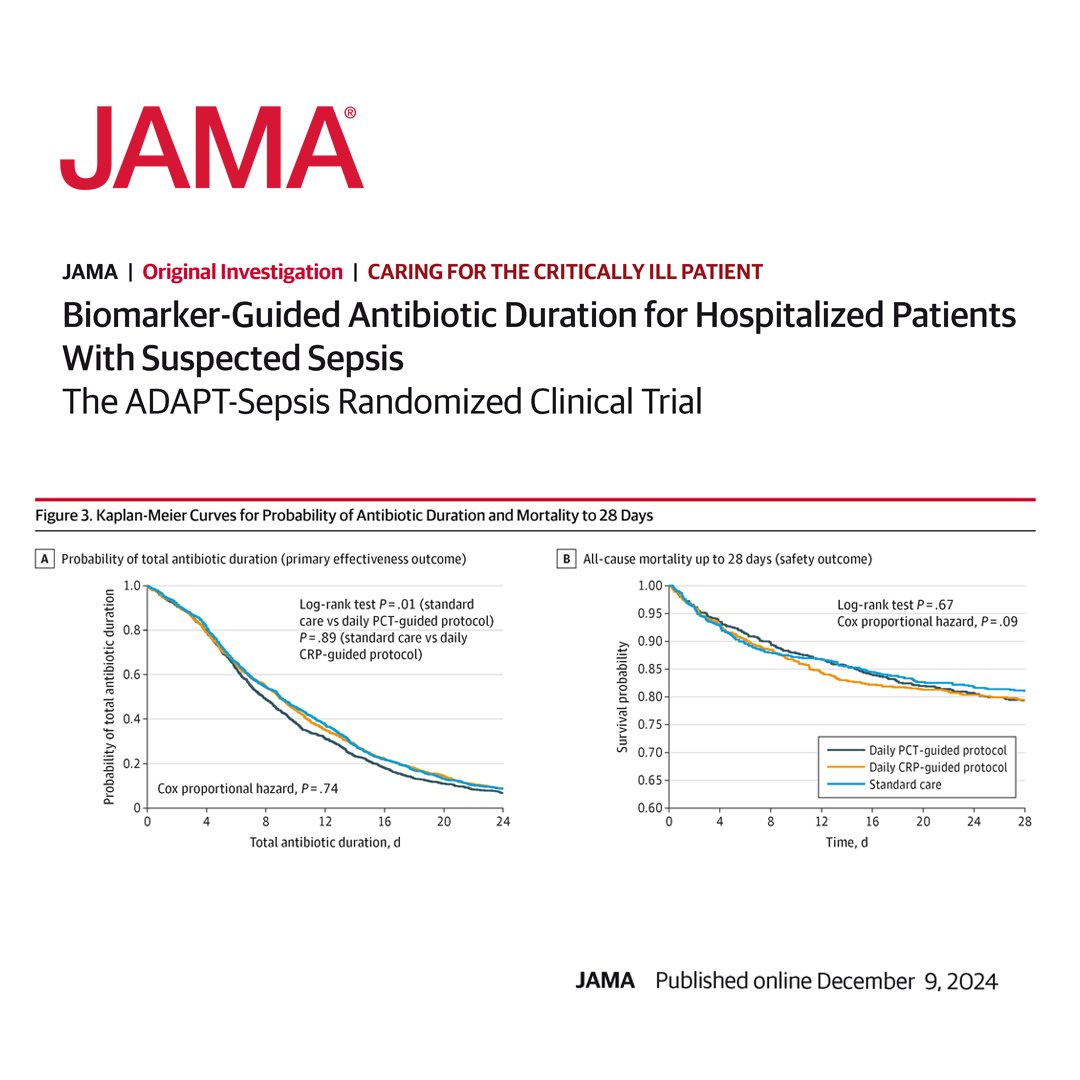
Published in JAMA with #CCRdownunder:
In critically ill adults with suspected sepsis, antibiotic regimens were safely reduced when guided by measurement of procalcitonin but not by C-reactive protein.
@CritCareReviews
https://t.co/j6v8imY0AX
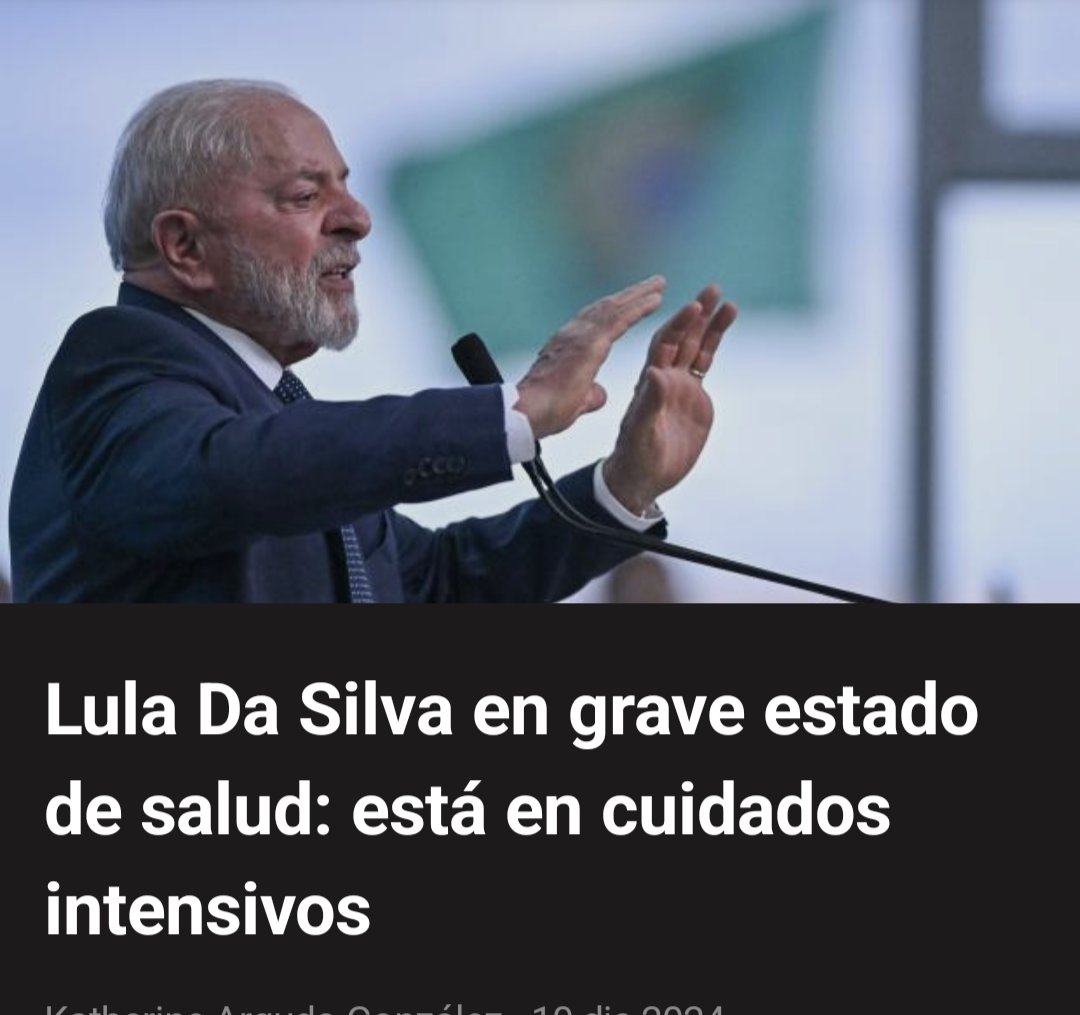
Sufrió una caída en Octubre y se le diagnosticó una hemorragia intracraneal ahora el Diciembre, lo más probable es que sea un hematoma subdural crónico. Cristina Kirchner tuvo un hematoma subdural, así como en su momento Ronald Reagan. El hematoma de los políticos
🙋♂️This video shows a modified Valsalva maneuver being used in the emergency treatment of stable SVT 🫀(supraventricular tachycardia)! Learn more👇
This awesome ER team was able to temporarily convert a stable paroxysmal SVT back into sinus rhythm!
This is a beautiful example of how manipulating nervous system & leveraging physiology can be used as a simple, cost-free treatment. So, how does it work:
The modified Valsalva can be divided into 3 phases:
* Phase 1: Increasing intrathoracic pressure:
At beginning of video, you’ll see patient perform a standardized ‘strain’ (blowing into a 10mL syringe) for about ~15 seconds while sitting up or in a semirecumbent position. Bearing down like this contracts thoracic & abdominal muscles & causes a drop in blood flow back to the heart (decreased preload) & brain.
This drop stimulates baroreceptor reflex & compensates by triggering the sympathetic nervous system (stress response) in an attempt to raise BP, cardiac output & peripheral vascular resistance.
* Phase 2: Dropping intrathoracic pressure:
After the ~15 second strain, just prior to being laid flat (or simultaneously), patient will stop blowing into syringe, this causes pressure in thorax to suddenly decrease, subsequently increasing blood flow back to heart & increasing preload-> leading to opposite of phase 1: a compensatory increase in parasympathetic (vagal) activity aimed at decreasing heart rate + increasing relaxation response.
* Phase 3: Laying flat & raising legs to 45 degrees:
This postural modification causes more blood flow back to heart, leading to increase in stroke volume & cardiac output. Causing further vagal - parasympathetic - stimulation, which compensates for these changes by telling body to decrease the heart rate (SA node) -> this can convert patient back into sinus rhythm!
Credit: Brazil Med Team https://t.co/tC2mkbJcfV
Credit:@medspired
#nutrition #nutrição #nutricion #dietitian #nurse #nursingstudent #medicine #mbbs #science #biology #medstudent #health #nutrologia #meded #valsalva #svt #cardiology
Hemorrhagic cardiac tamponade on autopsy 🫀
This is a critical condition where blood accumulates in the pericardium, compressing the heart and impairing its function. Rapid diagnosis and intervention are vital!
ESTA NO ME LA SABÍA
Y ESPERO QUE TÚ TAMPOCO
Lo que ves en el vídeo es un modelo de goma de la «banda ventricular miocárdica». Sí, así es un corazón humano desplegado.
Durante siglos, creímos que el corazón era una masa muscular compacta, pero gracias al trabajo y descubrimientos del valenciano Paco Torrent Guasp, hoy sabemos que el corazón es una banda muscular helicoidal, que se mantiene unida mediante fibras musculares.
Explicado en 12 min: https://t.co/N6FqpTgSHV
Seguro que has visto miles de veces esos postes rojos, blancos y azules que adornan las barberías del mundo, pero, ¿conoces cuál es su origen? Esta es la sangrienta, desconocida y sorprendente historia de los postes de barbero. Tira del hilo 🧵👇🏽👇🏽👇🏽
ICU - POCUS week:
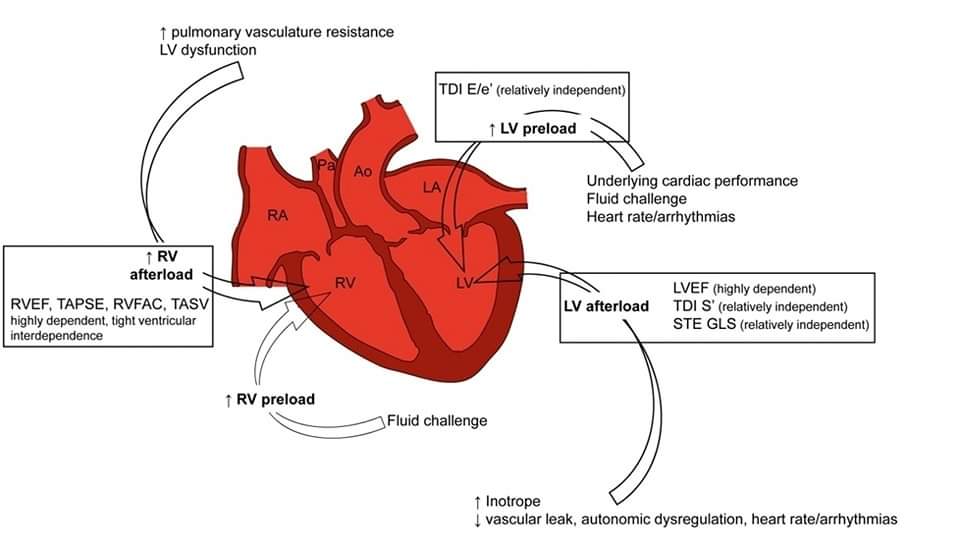
Many times in ICU patients w shock +/- respiratory failure, we try to estimate the cardiac output by using LVOT VTI. Unfortunately, when a patient is obese, on the ventilator, with hyperinflated lungs etc, it is impossible to get a decent 5-chamber or 3-ch view
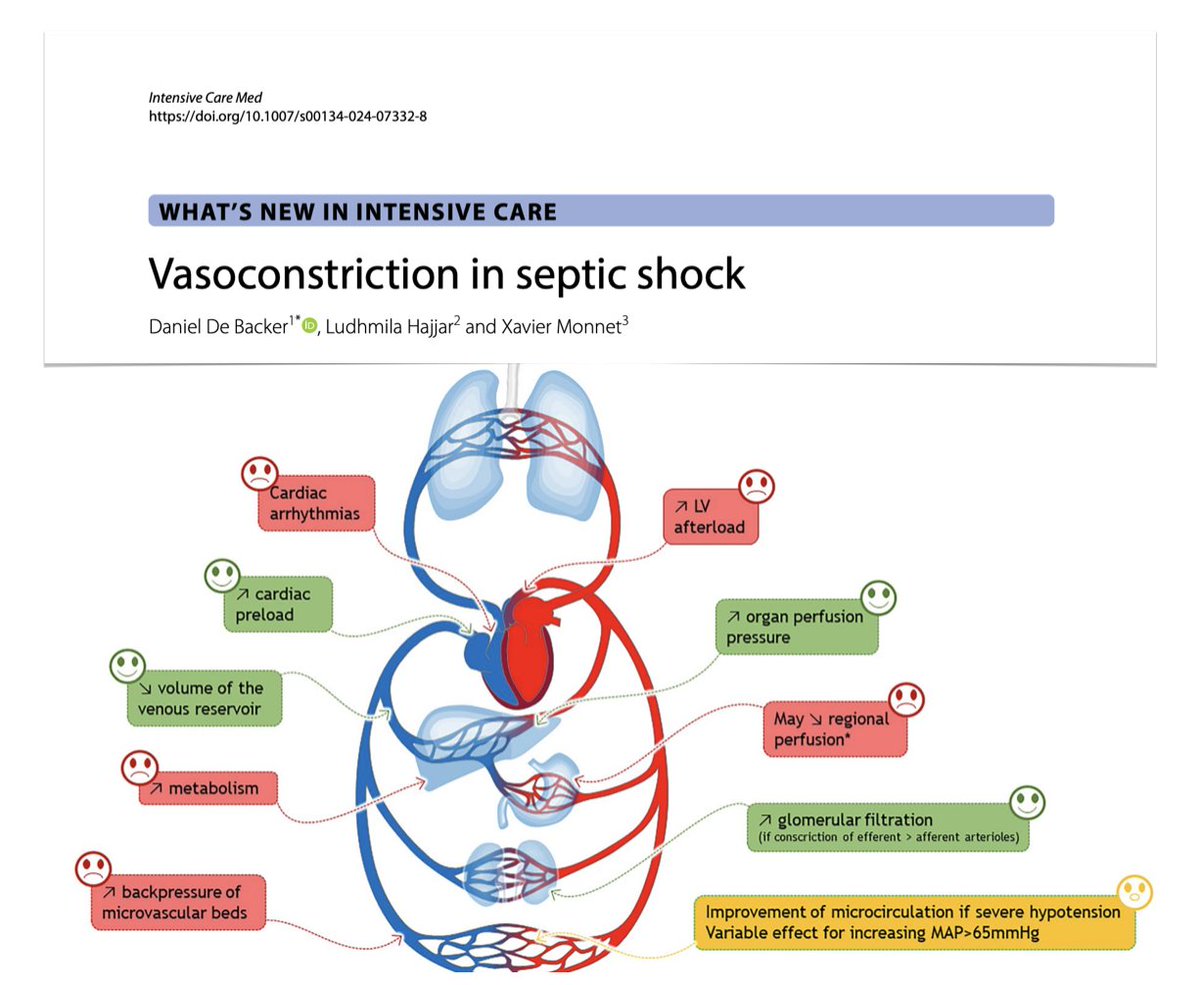
Vasoconstriction in septic shock
🧫generalized dilation in #sepsis
🩸impact on regional perfusion/microcirculation
💉which vasopressor? Different physiological/non-vasopressor properties should be considered to personalize therapies
⏱️when to start/stop?
🔓https://t.co/OFN6IEoqGj
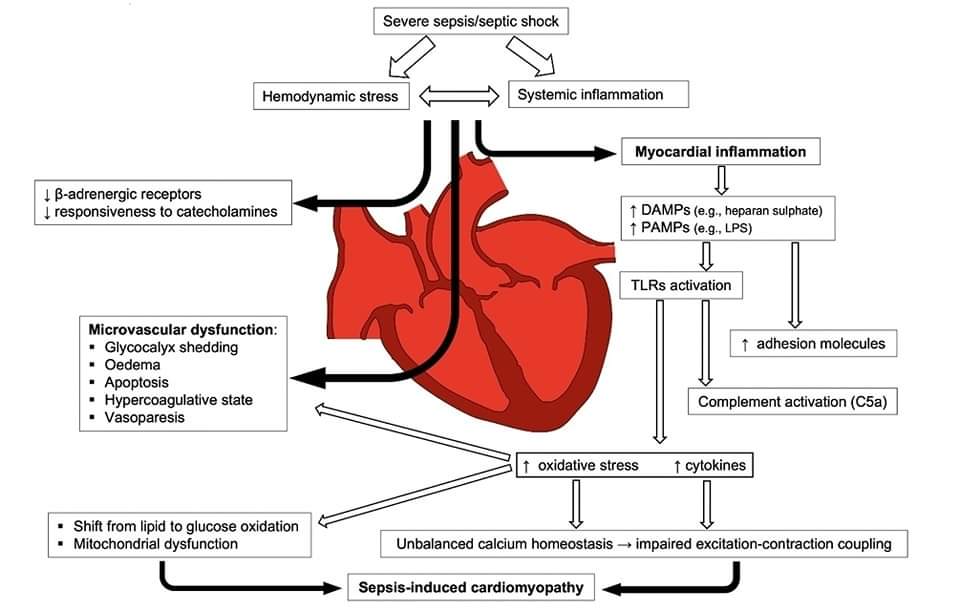
🫀Miocardiopatía por sepsis :
💠30-50% de los pacientes sépticos tienen una fracción de eyección <45%;
💠 Volumen sistólico normal o bajo;
💠Biomarcadores cardíacos elevados (troponina, NT-BNP): pronóstico de mal resultado
💠Eco: generalmente disfunción global.
Hilo👇🧵
12 cosas para mejorar el rendimiento (bienestar, nivel, confort en la UCI
Excelente resumen de @jlvincen
Aca les comparto algunas de las ideas en español🇦🇷
Abro (🧵)
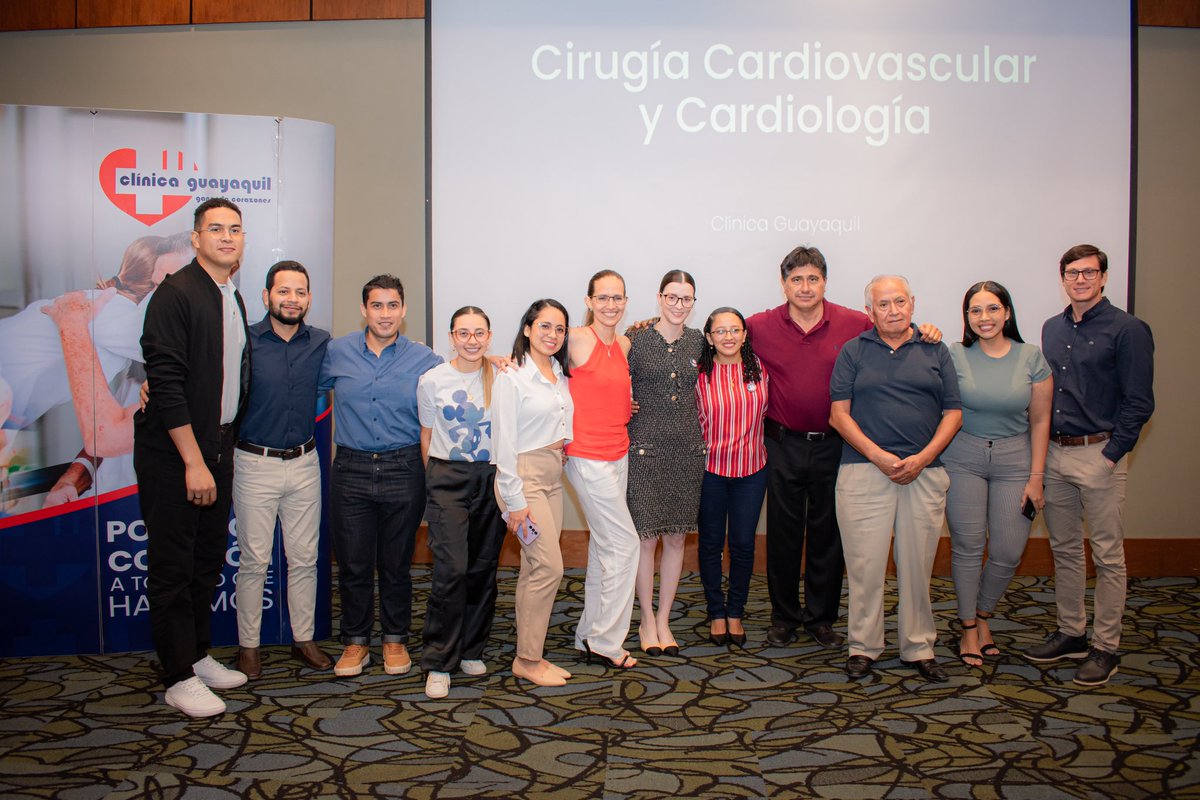
¡Cerrando un año lleno de #HappyHearts! 🫀🙂
Gracias a este grupo increíble que ha dedicado más de 1400 horas en los quirófanos para cuidar a los pacientes este año ✨❤️