Even as more students return to class, and vaccinations increase among school staff and teachers, many educators are still expected to teach in-person and virtually. If this is the case for you, how are you coping? (Via @NewsHour) https://t.co/GikoQ9A4Rr
"When #educators shift the tone and quality of their #feedback to be less about correcting shortcomings and more about supporting and nurturing student #learning...it can create powerful connections with students, build trust and confidence, and deepen learning." #assessment
Learn how teachers can “deftly shift mindsets—from red-pen wielding grader-in-chief to mentor and learning confidante” when giving feedback.
https://t.co/HvUPMOfTBJ
"How might we design learning experiences so that students in any environment get equitable learning opportunities?" #remotelearning#edchat https://t.co/fAWbarfpRG
"The majority of teachers offering remote instruction have simply recreated the traditional school day online," says @michaelbhorn. https://t.co/qOMl8VvLOX #EdTech#EdChat
Skills gained in unsupervised play are connected to positive mental health, social and emotional skills, agency, intrinsic motivation and creativity. https://t.co/aevUAQsxa0
“I think where there have been increased privacy risks is with new tools not designed for education purposes. In the rush to transition to online learning, in the midst of a global crisis, in some cases privacy was not top of mind.” #privacy#onlineteaching#edtech
“Parents see themselves as responsible for children’s privacy, even though they report feeling ill-equipped” to manage it, says Elizabeth Laird, senior fellow of student privacy for the Washington, D.C.-based CDT. #dataprivacy#edtech https://t.co/Q0AAADTFkI
The researchers argue that when educators make instructional videos, it’s important for students to be able to see the teacher’s face, and particularly to see their eyes and where they are looking. #teaching#learning https://t.co/Y1mw61iqOs
As the end of the year approaches, what are you grateful for?
Studies have found that giving thanks and counting blessings can help people sleep better, lower stress and improve interpersonal relationships.
https://t.co/ZUNTluDS37
Trying to emulate traditional exams when you’re teaching online is hard.👉 Here are suggestions for alternative ways of assessing learners: https://t.co/Nn7ACHREld
A study of adults learning a new language found that speaking primarily activated regions in the left side of the brain but reading and listening comprehension were much more variable. https://t.co/k0S9QKVWAH
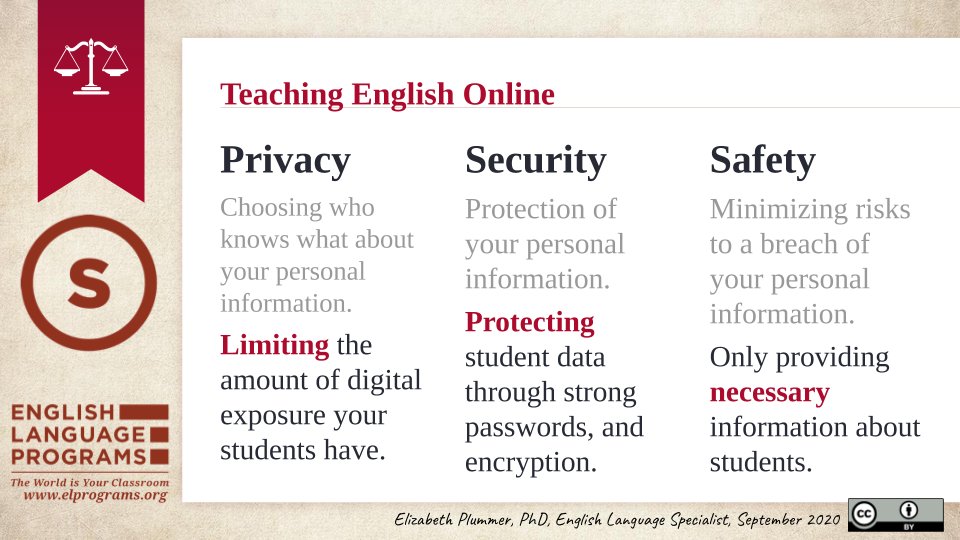
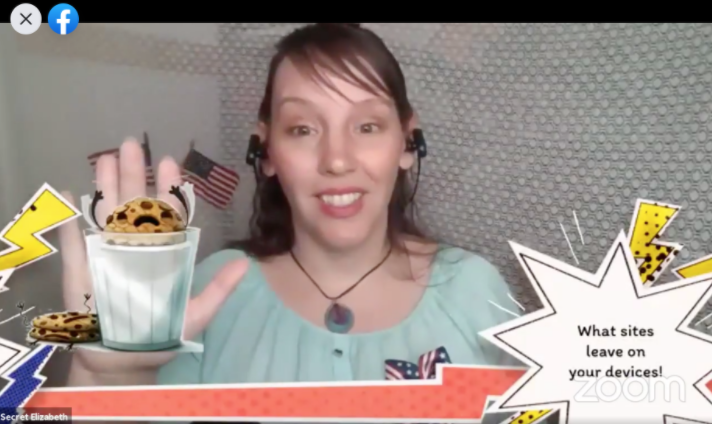
This summer, #ELSpecialist Elizabeth Plummer gave a series of virtual workshops to educators in Serbia on privacy, security, and safety when teaching English online. She shared risk-mitigation strategies while creating a safe and caring virtual environment for all participants.
Join us today 💻
1500 HRS GMT (UK time) ⏰
#LTSIGMonthly@joedale will present on the topic of
✳‘Speaking in and out of the Covid classroom through a blended learning approach’.
The Zoom ID information can be found on the blog
https://t.co/jEZBhVnnWy
#BlendedLearning#ELT
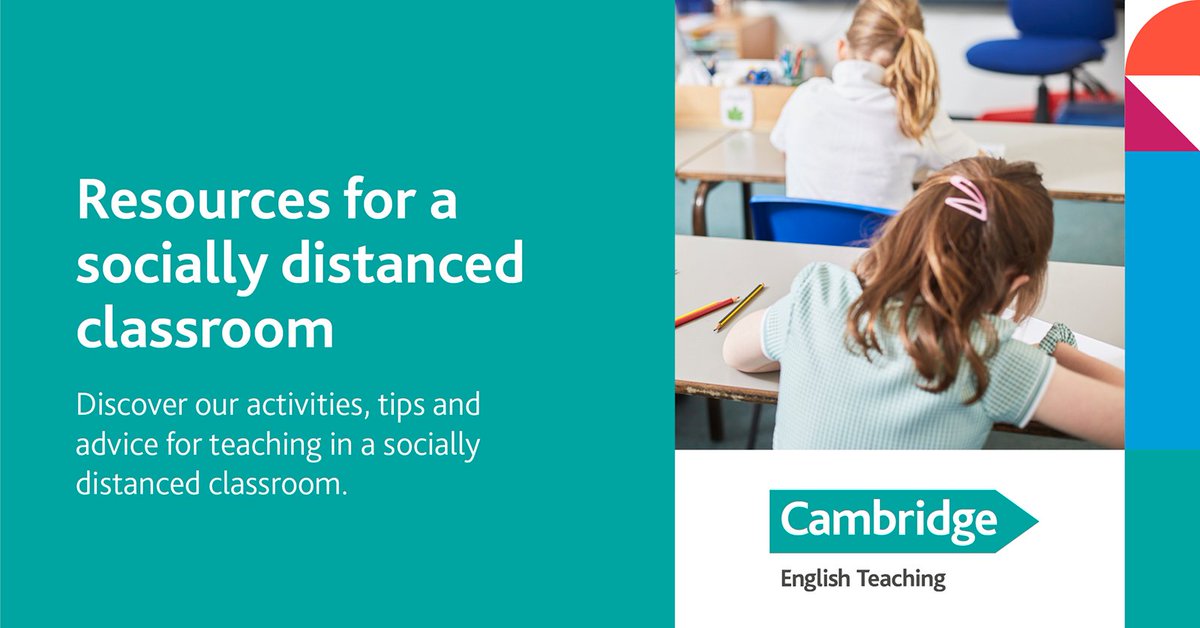
Are you teaching in a socially distanced classroom?
Our new classroom activities, tips and advice help you to plan motivating lessons whilst supporting the limitations you might have in your country or school.
Download our free resources: https://t.co/yTVEMMrQBr
Have you tried introducing self-paced learning into your classroom? @edutopia shares tips on how to make it work for middle school students who are learning virtually. https://t.co/etCNGRFTeI
“In order to preserve the contents [in] long-term memory, only very limited amounts of novel information can be processed at any given time." #education#brainscience https://t.co/dTSt3h7l6P
If it would serve your needs, we invite you to join us on Monday at 11am PT/ 2pm ET for an honest, unscripted conversation about the human element in online learning. Register —> https://t.co/4JnrOPkTYv #HumanizeOL