Something I think about everytime a new frontier model drops and the ASI timeline jumps up:
Creating super intelligence will be like neanderthal encountering homo sapiens
There’s no doubt we’ll benefit hugely from our more intelligent counterpart in the short term but it raises a harsh question: is it more important to us to achieve productivity, or that we create that productivity?
This is the first time in our history that our whole species is being threatened with being left behind. People are wholly too comfortable with the term “end of the anthropocene”. You’re literally describing the end of human superiority in the universe.
And yet I’m conflicted. I’m in the 99.99th percentile of AI users. I love the insane amount of quality, functional things I can create now but I’d be lying to say it doesn’t steal some of the joy of solving problems myself.
Even if we ignore the very legitimate risk of extinction, making a Wall-E world of lazy, brain dead people who have lost their capacity to create change is just as scary.
AI progress isn’t going to stop or slow, we just have to hope that once it has the capacity to replace every one of us that we still have agency and willpower to choose what actually maximizes human fulfillment and value.
TLDR: I’m not anti AI but if we actually build machine gods (and they don’t kill us) we have to decide if life is better to play with or without cheat mode on.
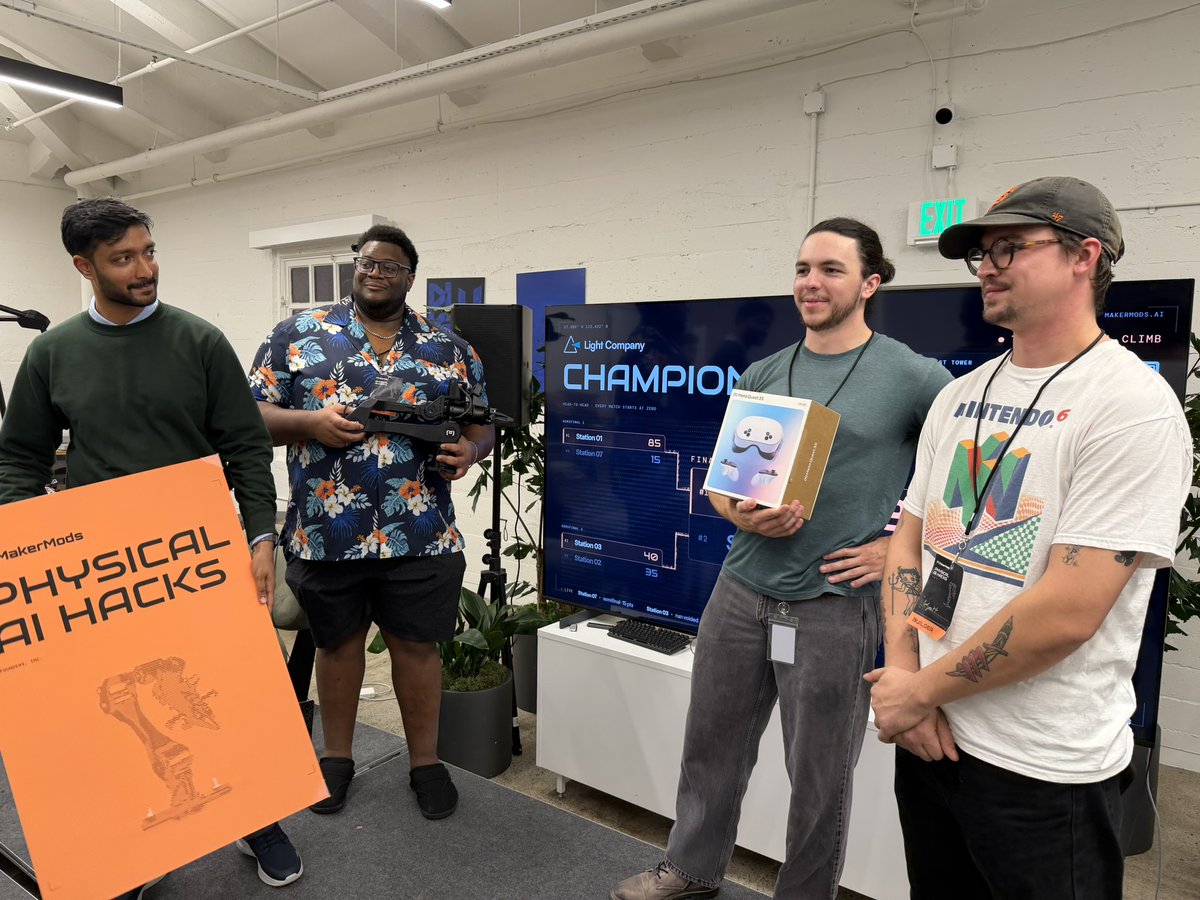
Second time entering a hackathon, second time taking first place in a hackathon.
Someone find us another robotics hack so @anishrav1 and I can make it a hattrick.
Shoutout to @n0homie and @IsaiahBallah for being goated new additions to the squad and of course all the amazing sponsors for the space @fdotinc , the stations @makermodsai@dreamlabs_ai, and everything else @_lightcompany@livekit@dimensionalos
It was a robot coordination platform! Had an xarm categorizing parts by hardness, color, shape, etc. and handing off to to so101’s that used CV to find them in the DB and sort.
Halloween theme: witch potion brewing but the same system could be used for recycling material on construction sites or tracking manufacturing parts in a facility
First time entering a hackathon, first time winning a hackathon.
Massive thank you to @MongoDB and @viamrobotics for hosting and especially @anishrav1 for being a goated teammate
@lexroller12 It’s actually really easy to build a prototype that’s lower cost than all competitors by building everything from scratch. But price in capex for scaling manufacturing, the OTS options are the better deal (until you’re at 1000+ robots/yr). True, no moat w/o something custom tho
Day 9/9: ❗️❗️Demo Day❗️❗️
If you want to come see the robot in person, and say hi:
https://t.co/JWiSHlfCsv
I’ll be putting together a full breakdown soon of how in 9 days I went from nothing to a fully specced, built and tested robot ready to demo (and how you could too)
Bit of a late (early now) post, been a heads-down couple days on the project.
Day 7/9: mechanical finishing touches
Day 8/9: demo dry run today! Got to show off in front of a crowd at TFOT’s global innovation showcase + a late night working on algorithm.
I’ve got full mapping going but there’s a lot of optimization still to do (and a couple prints to finish) before 6pm today!
Day 6/9: running on its own power!
Finally got my compute hooked up and we’re doing live 3D scanning+mapping all from battery power.
Autom Robotics: now with 100% more E-stop
Day 5/9: we’re driving! Props to @circuitlaunch for the space
I’ll do a more in depth breakdown of the whole assembly later but high level the whole frame and most of the internal structural prints are done plus all the driving and MCU wiring.
My recommendation if you’re getting into hardware for the first time? Buy a 3d printer. Amazon is selling P1S’s for $400 - absolutely unparalleled capability increase/$ for you if you get one.
Stay tuned for tomorrow, I’ll have the functional parts all done so I can start on shell + algorithm.
Frontier models are making a new generation of hardware designers. If you want to upskill into custom hardware, follow along as I walk you through it.
I'm building a robot from scratch in 9 days to demo at SF Tech Week. Days 3–4/9: Design.
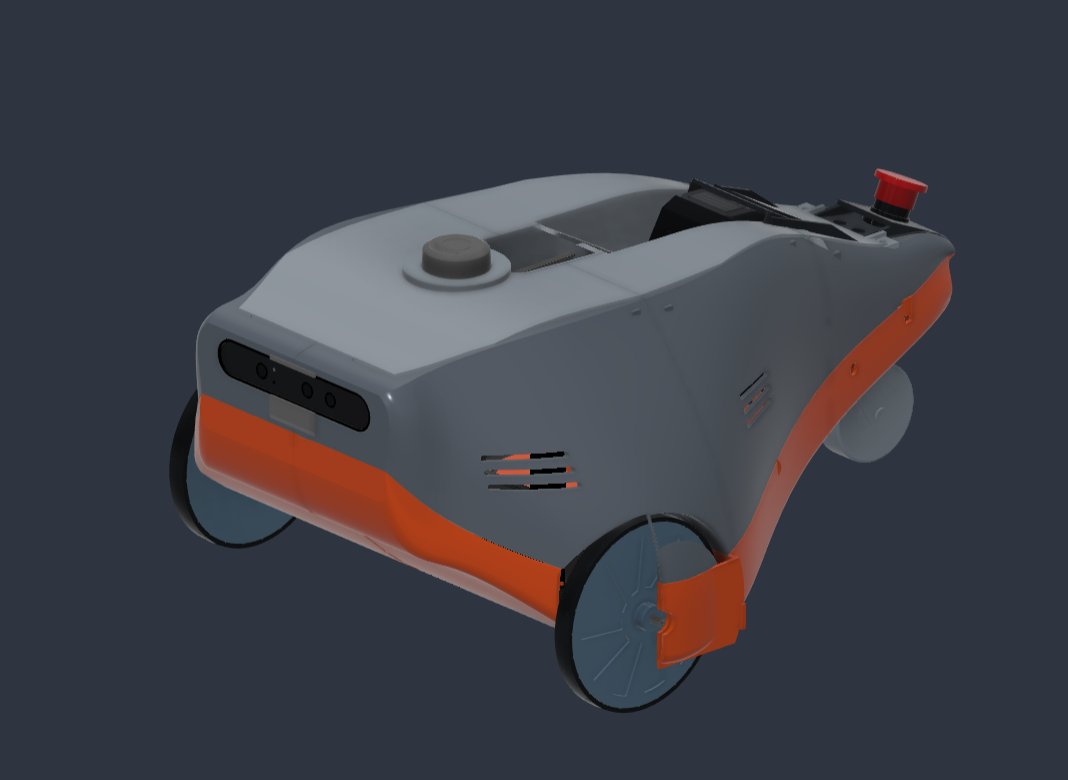
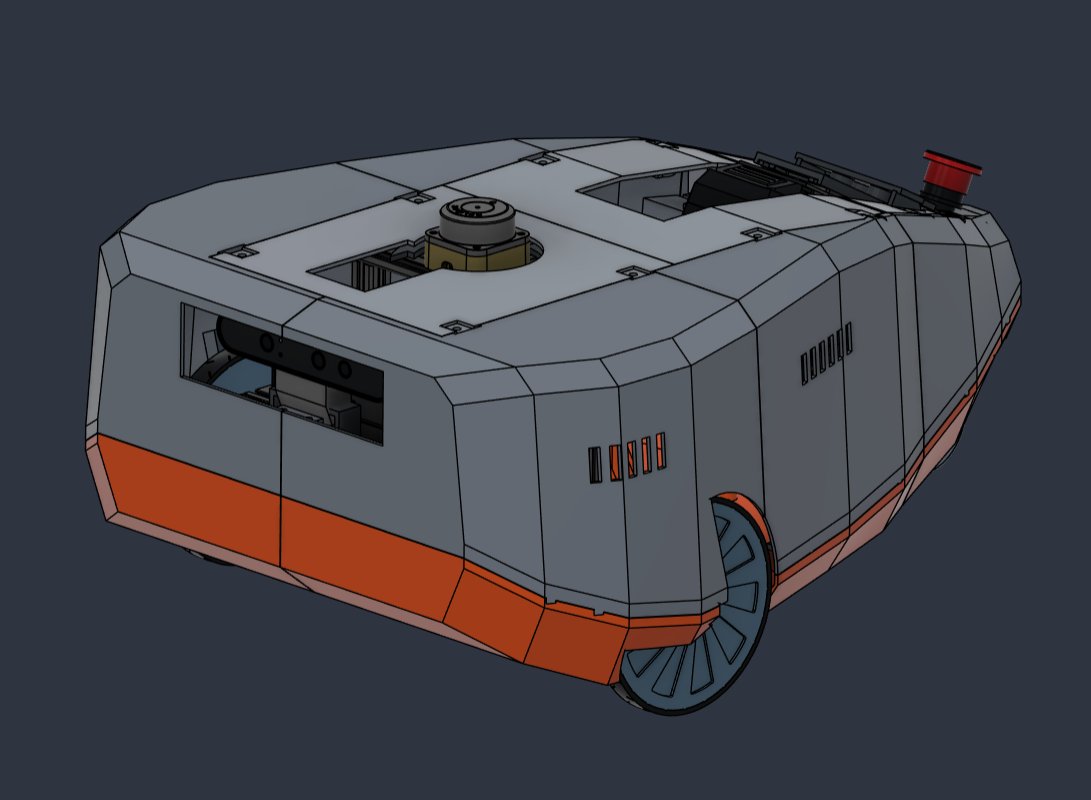
Every project needs a good CAD model. This is my first time seriously using AI-generated CAD and it sped me up but only when I used it right.
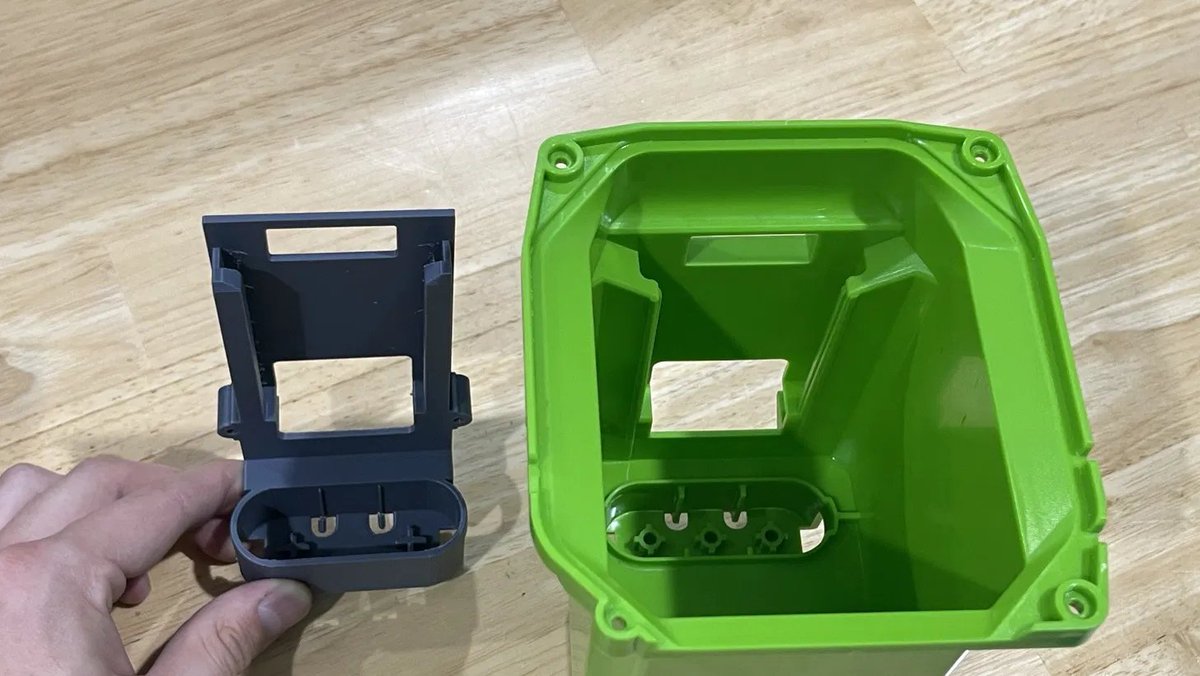
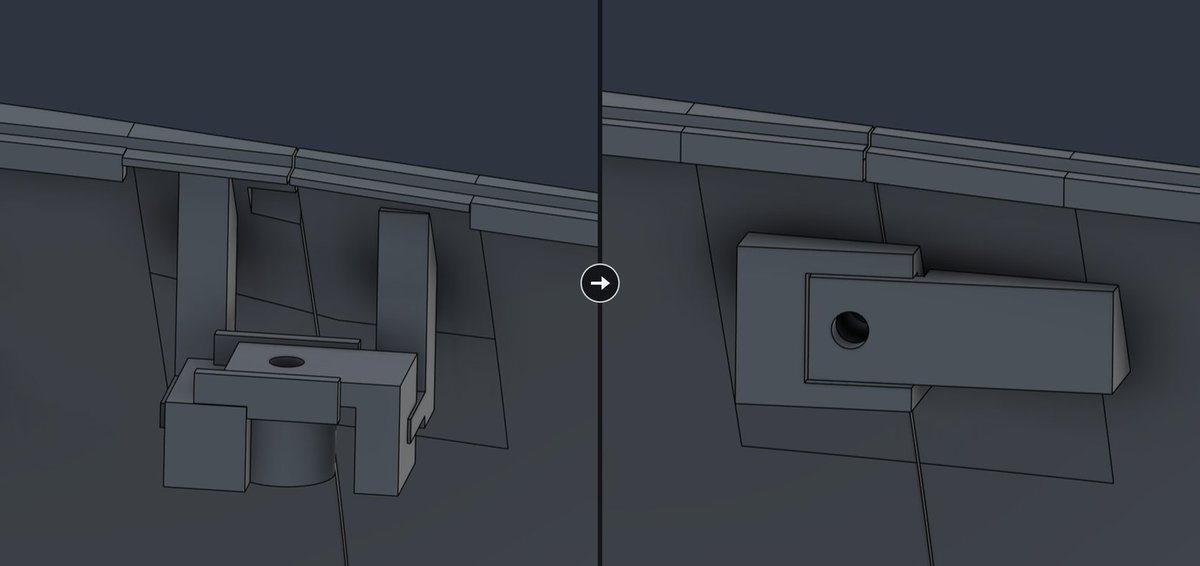
What it nails: generating STEP files for parts on hand. Take a few photos, tell it the scale, and it can model almost anything. That's how I made the custom battery mount: AI-generated model on the left, original on the right.
What it’s okay at: simple custom parts with explicit instructions. Think “Make a part to mate these two components”
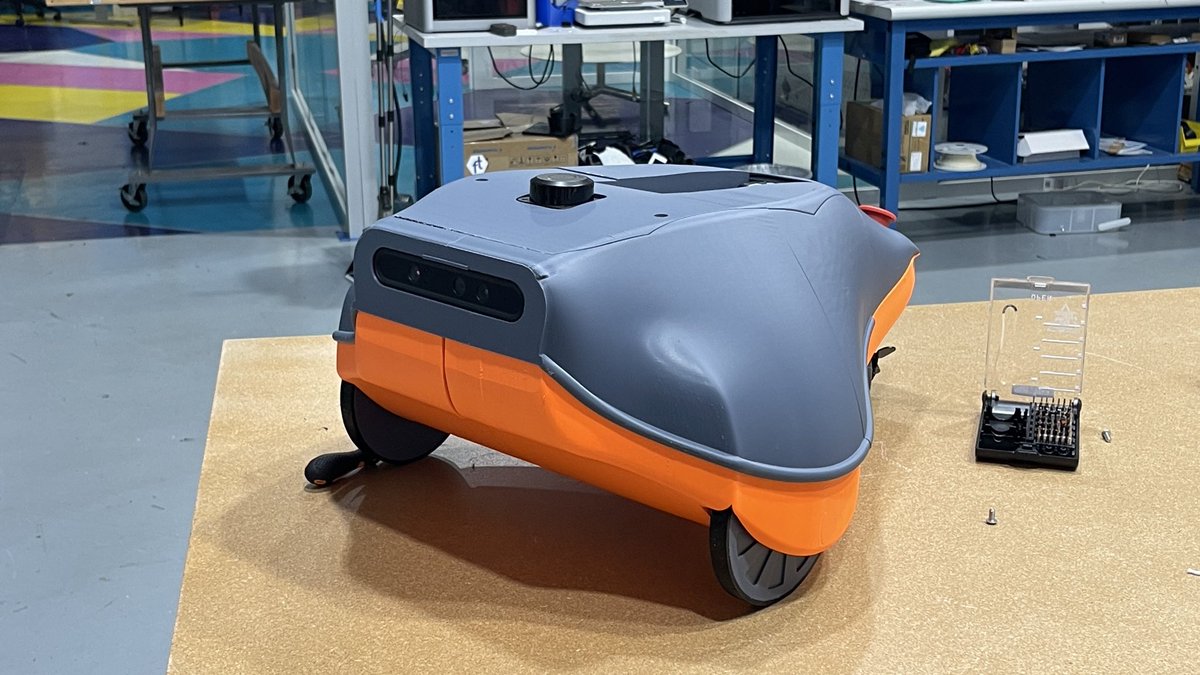
Where it struggles: Open ended engineering. I asked it to make the housing for the robot. Rev 1 wasn’t close and only after some extremely explicit prompting (and a lot of hours) did it get close. I still had to go back and clean up failures like the unenclosed wheels and bad geometry.
If you want to make your own parts today, you’ll still need an understanding of your problem and, for more ambitious projects, some CAD skills.
Come back tomorrow to see some running parts and first assembly…
Here's why vibe coding works but vibe engineering doesn't (yet) 👇
If you're getting into robotics or hardware design, follow along. I'm building a robot for SF Tech Week and sharing the full process.
Day 2/9: spec sheet and sourcing.
Astra was my copilot yesterday. It's incredibly strong, but it tends to overbuild. In software, that's often cheap. In hardware, it means real cost, complexity, and failure modes.
The fix: go back to the requirements for every decision.
Compute: Astra recommended 128GB RAM + a top-end GPU because I wanted the robot to scale to a full site. But with submap segmentation, compute doesn't scale with site area. ORIN NX was enough.
Battery: Full SOC estimation adds algorithms, tuning, and doesn't work with removable batteries. My actual requirement is just to shut down smoothly before the pack dies → low-voltage cutoff.
Wheels: Pneumatics handle rough terrain well, but pressure changes wheel diameter which corrupts odometry. Solid wheels remove that failure mode. That's why @DustyRobotics and HP SitePrint use them on construction sites.
That's the gap today: in hardware, overbuilding doesn't just cost more. It creates more ways for the system to fail.
Follow for day 3/9: locking the architecture and sharing the finalized design.
@theghost1623 Onboard compute is definitely looking to be the highest risk rn. I'll run it tethered if I have to since that knocks out all the power management and wireless needs.
I got accepted to demo a construction robot at SF Tech Week. One problem: I haven't built it yet.
The demo is next Wednesday. That gives me 9 days to design, fabricate and test a robot that navigates construction sites.
Follow along. Every day I'll break down how hardware actually gets built on a deadline, and everything that breaks along the way.
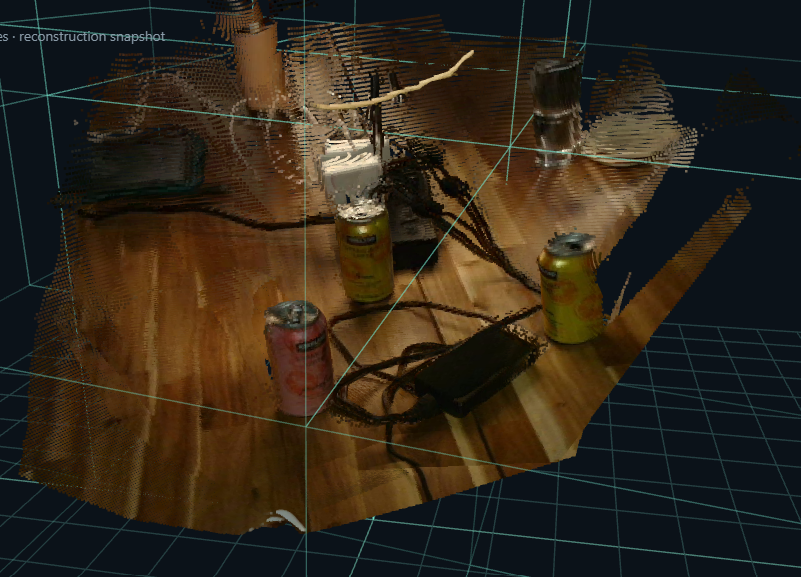
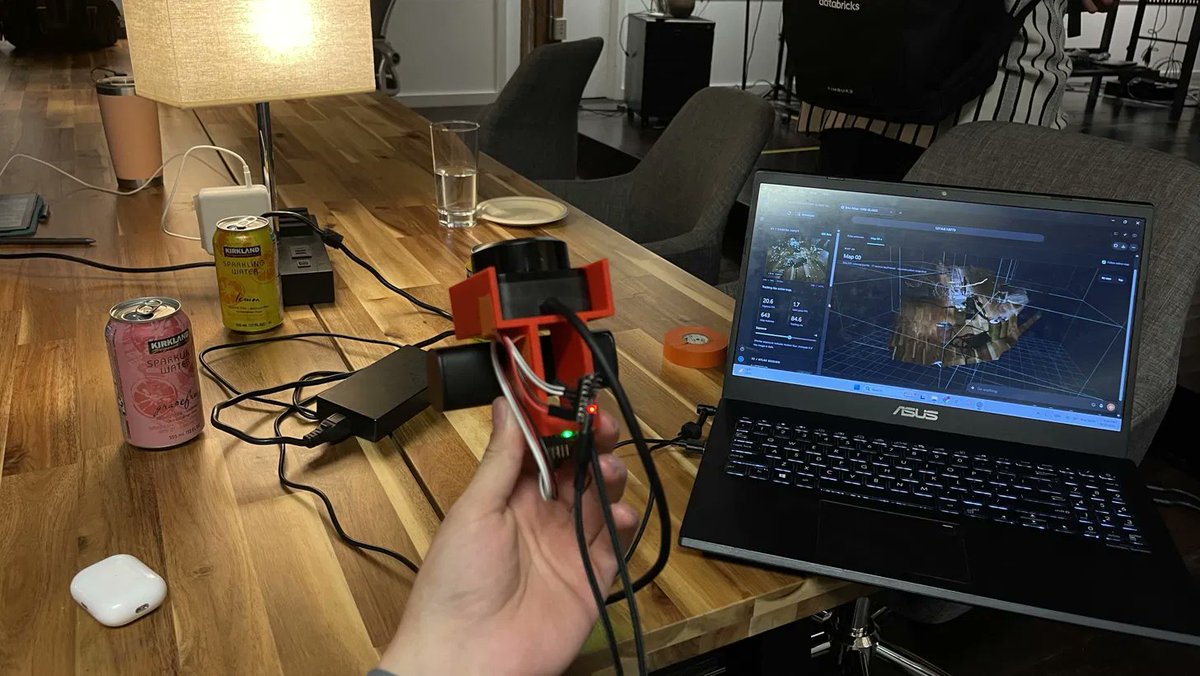
Day 1/9: the robot can see. Point cloud work at @MissionRobotBay Builders Night. Real scene vs. what the robot sees 👇
Huge thanks again to @MissionRobotBay for hosting Builders Night.
Day 2 tomorrow: finalizing the demo specs and getting parts ordered. Follow so you don't miss it.
This is my second build. The first prototype was a lesson in two things.
1. Use quality actuators. To get the last version out the door, I borrowed some old wheelchair motors that introduced asymmetric drive characteristics.
2. Encoder precision is key to pose estimation. Bad encoder readings makes every frame reference work that much harder to correct for the error.
The first version also only mapped in 2D. Construction sites are full of 3D obstacles like rebar, overhangs and material stacked at head height, so the new sensor stack has to see in 3D too.