Georgia Tech cybersecurity experts Raheem Beyah (@rbeyah), Anant Lummis, Shelby Allen, and Renita Folds headline a live panel on "Creating a Cybersecurity Culture in an Organization" today at 10:30 EDT. Join us at https://t.co/NcB1xawme8
#NationalCybersecurityAwarenessMonth
Mobile devices gave us the opportunity to rethink how computers deal with security and privacy, especially when it comes to how we trust our applications. This positive trend continues. https://t.co/fNx9rxQeBZ
Today's the day! We're thrilled to officially announce the launch of #GeorgiaTech's new School of Cybersecurity & Privacy! #cybersecurity#infosec https://t.co/sxvLfQMnkp
The concern is not around the passcode itself, the concern is around the fact that this gives away the keys to your private kingdom, leading to self-incrimination and overreach, and is ripe for abuse. https://t.co/dWqQN5u8nt
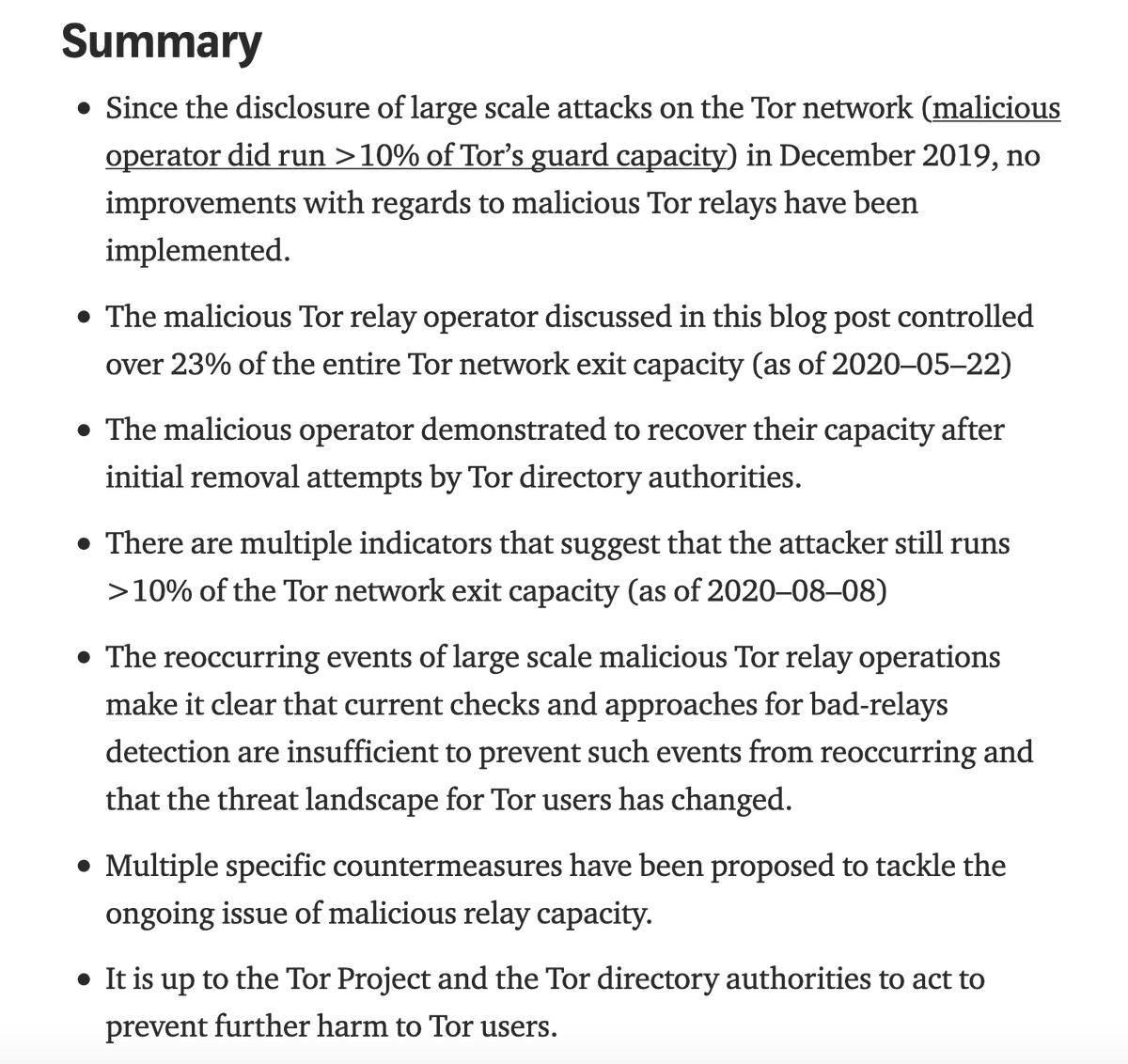
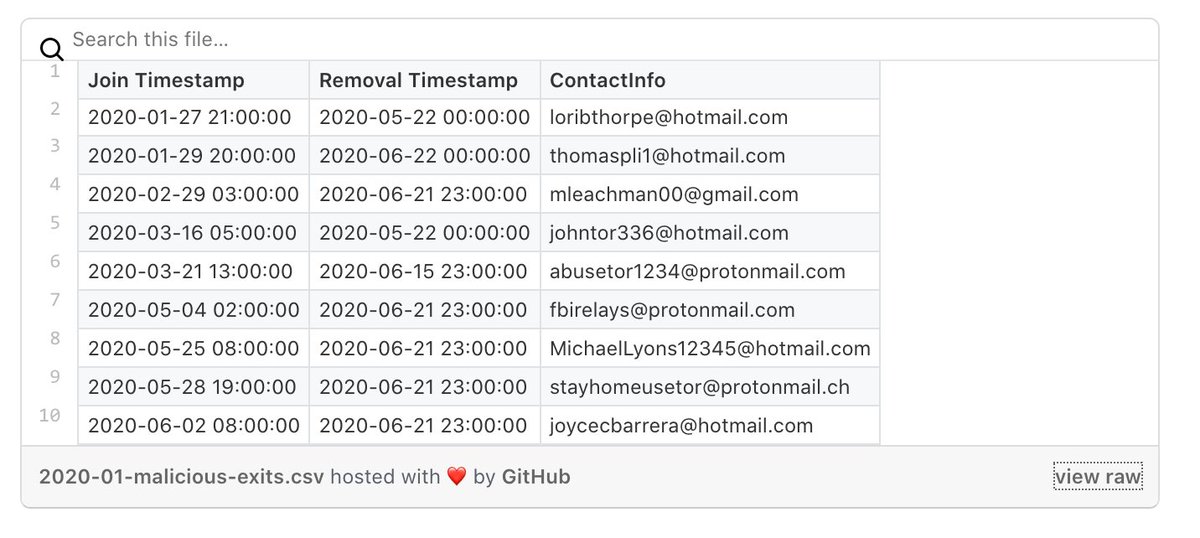
How Malicious Tor Relays are Exploiting Users in 2020 - Part I (Aug 9) https://t.co/tLpxHkh9Pw
Alleges >23% of the Tor network’s exit capacity has been attacking Tor users; e.g. selective removal of HTTP-to-HTTPS redirects.
by nusenu ( https://t.co/mLErXzcY6o )
/c @thegrugq
NIST has started a blog series on differential privacy, which is a way to mathematically quantify privacy guarantees in data analysis. This first post is an approachable, mathematical description of the concept. https://t.co/24w7DlYtU8