Claude Code and Claude Design now sync both ways.
Run /design-sync to pull your design system into your repo and build against your real components, or push what you've built back into Claude Design and keep editing on the canvas.
New in Claude Code: Artifacts.
Interactive pages built from your session, like a PR walkthrough or a living project dashboard, shared with your team at a private link.
Available in beta on Team and Enterprise plans.
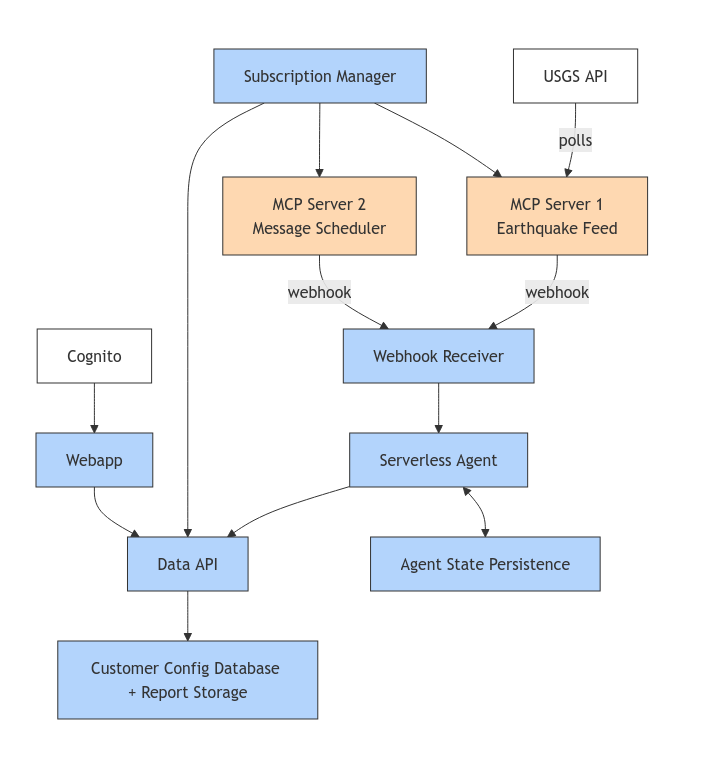
I’ve been hunting for a way to get agents to produce consistently good diagrams - are there better options?
* Mermaid: tired of the awful layout algo
* drawio: the model can't seem to reason about the XML, even with a skill
* Diagrams library has nice results, but you have to instruct a loop of render png > read png > revise so agent "sees" what it's doing
🎉 Big news: Node.js is changing its release schedule for the first time in 10 years.
From October 2026, less to remember and easier to know what's Current or LTS.
Here's everything you need to know 🧵👇
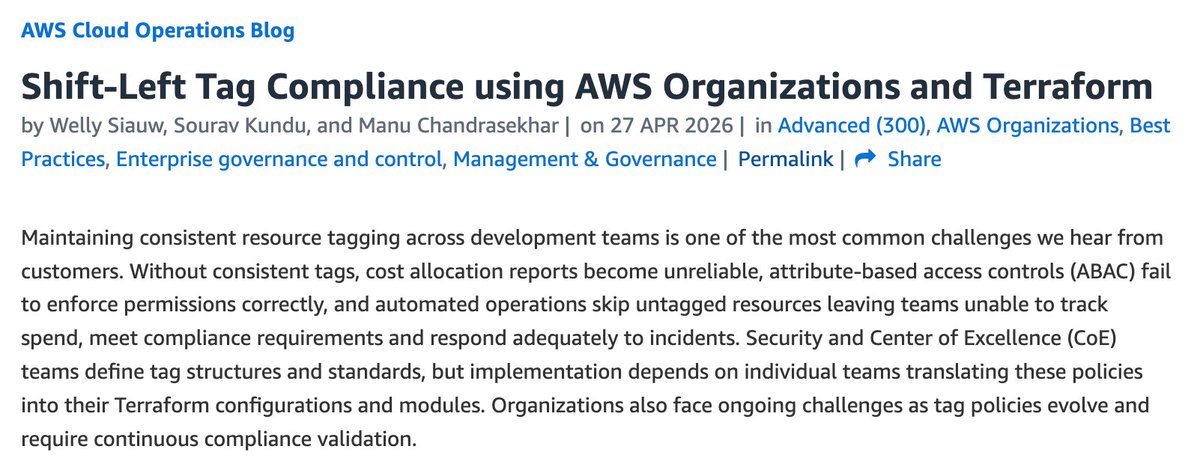
Tag drift dies at plan time now! Terraform AWS Provider v6.22.0+ ships a flag that validates resources against AWS Organizations tag policies BEFORE a single API call goes out! 🎉
Seems minor, but personally, running multiple large AWS Organizations, this is huge!
drowning in low-quality PRs?
we're giving maintainers the power to set contribution limits, starting with a PR cap for outside contributors and an allowlist for your trusted ones.
sneak peek below 👇
IAM role limits have been 5,000 for as long as I can remember!
AWS just doubled them, finally 💪
With a microservice/Lambda-heavy architecture, you can hit the 5,000 roles limit faster than you'd expect, especially when development, staging, and production share an account!
You'd never hardcode AWS credentials in a Lambda function.
So why are you still doing it for Claude?
Anthropic just shipped Workload Identity Federation!
No more static sk-ant-... keys in your containers 🔑
Your Lambda function or EKS pod presents a short-lived STS token.
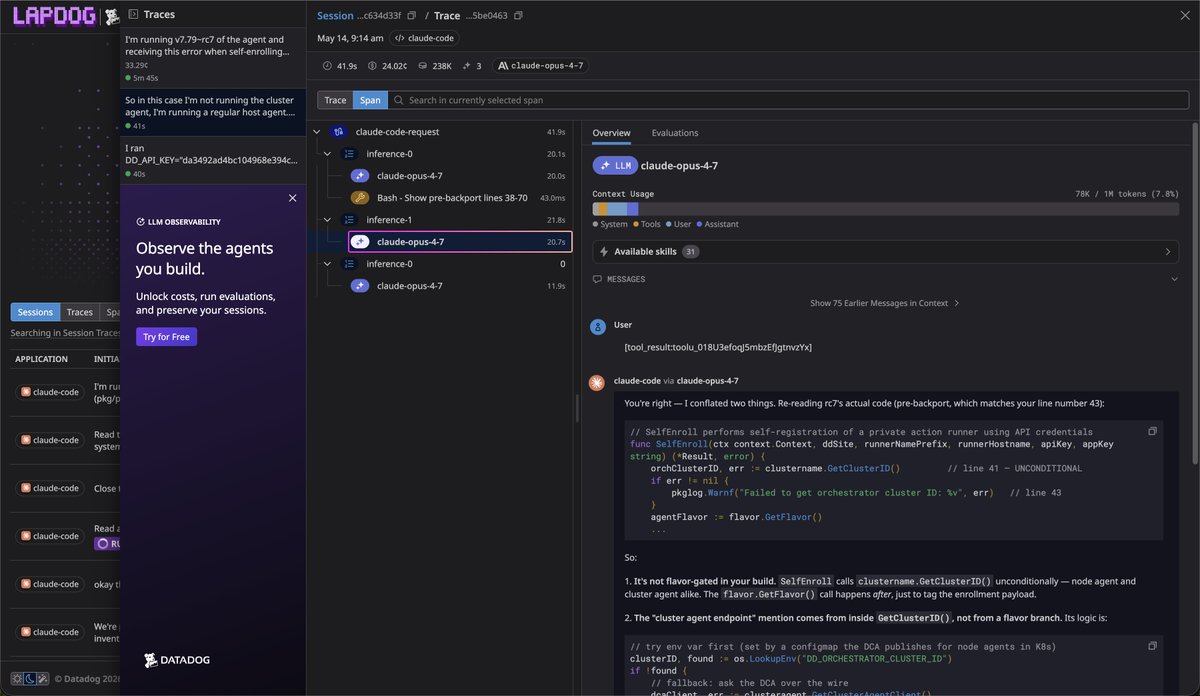
NEW from Datadog: it's Lapdog!
Ever wondered what your AI agent was actually doing?
Our latest free project runs locally and traces reasoning and tool calls in Codex, Claude Code, and Pi.
You can now see what your agent is REALLY doing, live: https://t.co/3dVBozFlPx
Reviewed an AWS bill for a client. NAT Gateway was 38 percent of total spend.
Investigation:
- ECS tasks pulling images from ECR through NAT
- CloudWatch Logs egress through NAT
- S3 reads going out and back through NAT
- Three AZs, three NAT gateways, three hourly bills
The fixes, in order of impact:
- VPC endpoints for S3 and ECR (saved 1800 USD per month)
- VPC endpoint for CloudWatch Logs (saved 600 USD)
- Consolidated to two AZs for non critical workloads
- Set ECR image pull behavior to cache aggressively
Total monthly savings: 3200 USD. Time invested: one day.
NAT is the silent killer of AWS bills. Always check it first.
Every AWS Lambda invocation runs in a full VM that boots in under 125ms.
Firecracker is the ~50,000 line Rust binary that makes that possible.
I wrote an interactive blog about it, with components you can play with.
TL;DR for open-source maintainers
🚫 NEVER use "pull_request_target" workflows
🚫 NEVER use shared caches in your publish pipeline
Combining these 2 in particular is extremely dangerous
I've repeated this countless times over the years, but another reminder is always useful
This is crazy. The hacker installed a dead-man's switch that will wipe your computer if you revoke the GitHub token they stole from you. Revoking the token is what triggers the wipe.
The Claude Platform on AWS is GA, which means your unused EDP commit can now be set on fire as Claude tokens instead of expiring worthless. Somewhere a TAM is weeping with joy.
How to make your engineering job application stand out (from the perspective of someone looking at hundreds of resumes):
1. Your resume should be one page. If you really need more space, link to a website. You don't need 10+ bullets for each job.
2. You will immediately stand out >90% of applications if you link a personal website that has some intentionality behind it.
3. If you are going to link your X, you might want to clean up your posts? Seems obvious but... people post some wild stuff.
4. You should link your GitHub. Please avoid doing a profile README that looks like a MySpace profile with the badges and images. I'm trying to look at code and your ability to build interesting ideas.
5. You should try to customize your application to the company. If you're applying to a startup, the courses you took in college probably don't matter as much. Maybe more if you're trying to make it through the ATS screening for FAANG.
6. I'm seeing a surprising number of resumes which don't talk about AI or agents at all. Software engineering is changing and it's a pretty fair assumption that you will be expected to learn or understand coding with AI for your job. That should be reflected on your resume and projects (and I'm not just saying this because I'm at Cursor).
7. Take your LinkedIn seriously. Most devs are here hanging out on X but surprisingly still most people will send around your LinkedIn internally.
8. Find ways to show your unique strengths/tastes/interests. It's nice to see people are smart, well-rounded, and thoughtful. Maybe this is a collection of books you enjoyed and why. Or some writing you've done. Or films you liked. At the end of the day, people want to work with other people they like and respect. If nothing else, it will be a good conversation starter ("oh I love [book] as well!").
9. Do not use AI to write your cover letter or resume text. It's incredibly obvious, especially if you are applying to an AI company. You can still use it to ideate on ideas or phrases, but write it by hand (don't fall victim to the overused in-the-distribution-AI-phrases). See: /humanizer skill.
10. No photos on resumes. Save those for whatever you link out to.
11. Quality over quantity. 3 really good, thoughtful, detailed, interesting projects versus a wall of 27 AI-slop ones.
Remember that hiring managers / recruiters are getting hundreds or thousands of applications for a role. They're not going to spend 20 minutes on every single application. You need to cut the cruft and get to the point. I hope this helps you stand out!
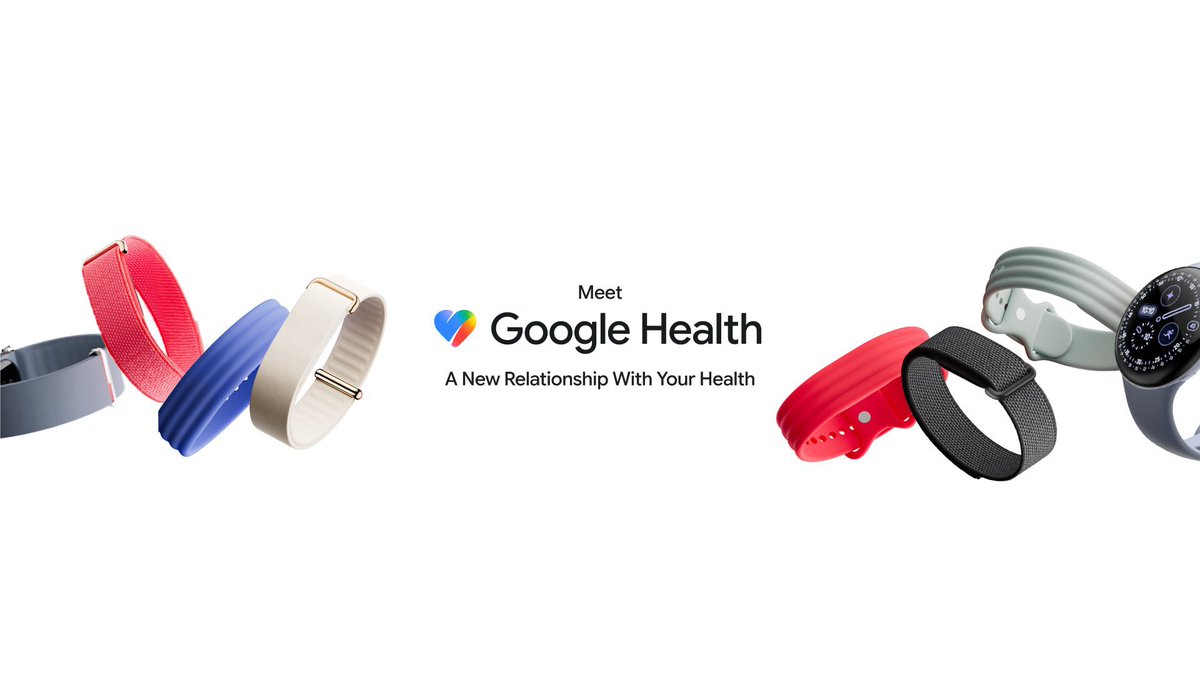
If you bought a Whoop, I feel sorry for you.
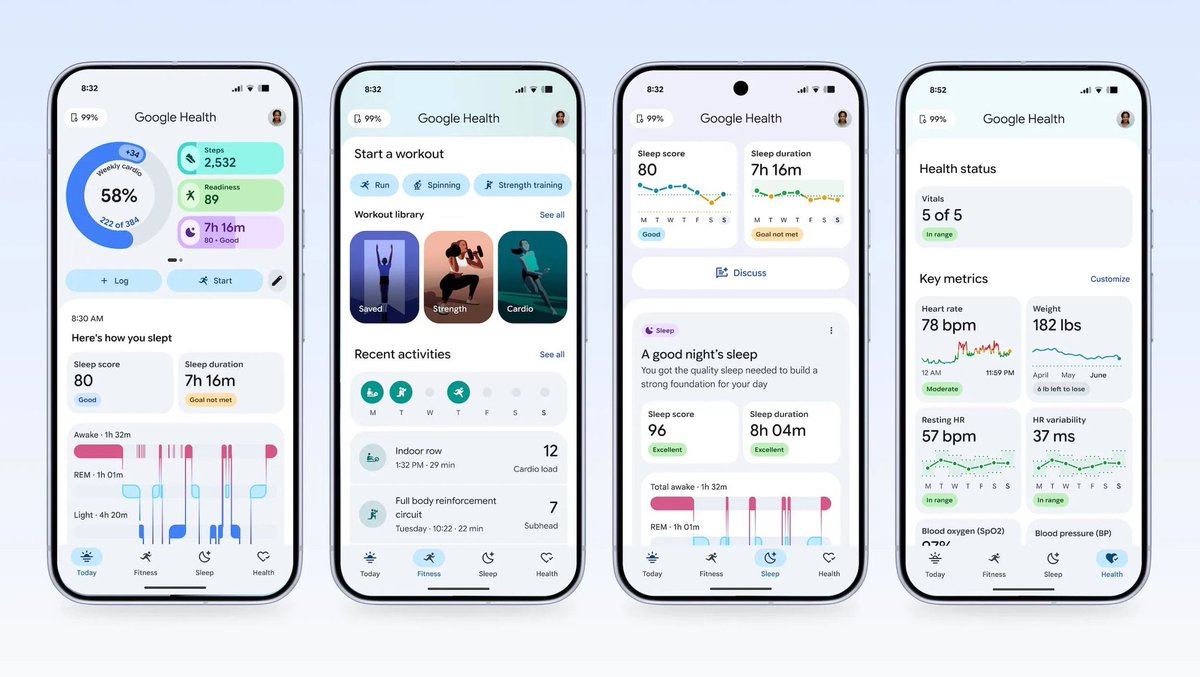
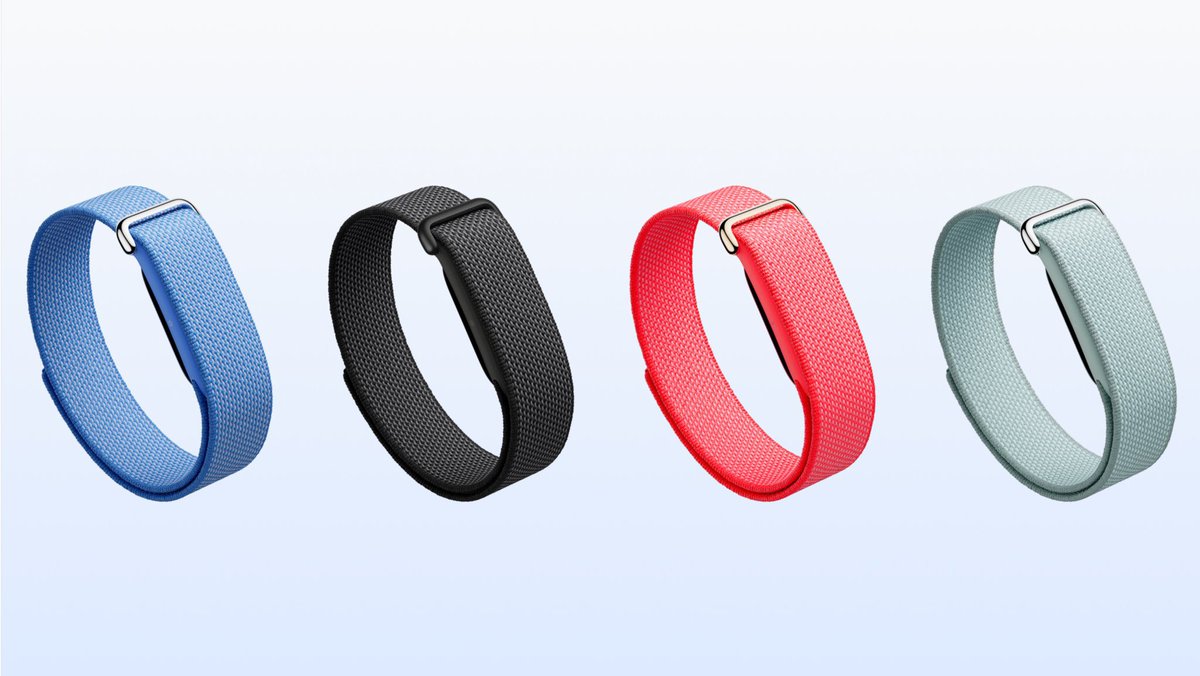
Google’s Fitbit Air just made it look silly
- $100 one time payment vs Whoop’s $199–$359/year forever
- Free tier actually works HR, sleep, SpO2, HRV, recovery, no paywall
- Optional $10/mo for Gemini Health Coach (vs Whoop where the sub is mandatory)
- Gemini analyzes meal photos, not just biometrics. Whoop can’t touch that
- Conversational health AI ask questions like why was I tired Tuesday?and get a real answer
- Open data platform Apple Watch, Garmin, third-party data all flow into Google Health
- 7-day battery, 5-min quick charge = full day
-Whoop just got a $10B valuation… and Google undercut them by 50% on day one
Effective today, we are:
1) Doubling Claude Code’s 5-hour rate limits for Pro, Max, and Team plans;
2) Removing the peak hours limit reduction on Claude Code for Pro and Max plans; and
3) Substantially raising our API rate limits for Opus models.
we're starting rollout of GPT-5.5-Cyber, a frontier cybersecurity model, to critical cyber defenders in the next few days.
we will work with the entire ecosystem and the government to figure out trusted access for cyber; we want to rapidly help secure companies/infrastructure.