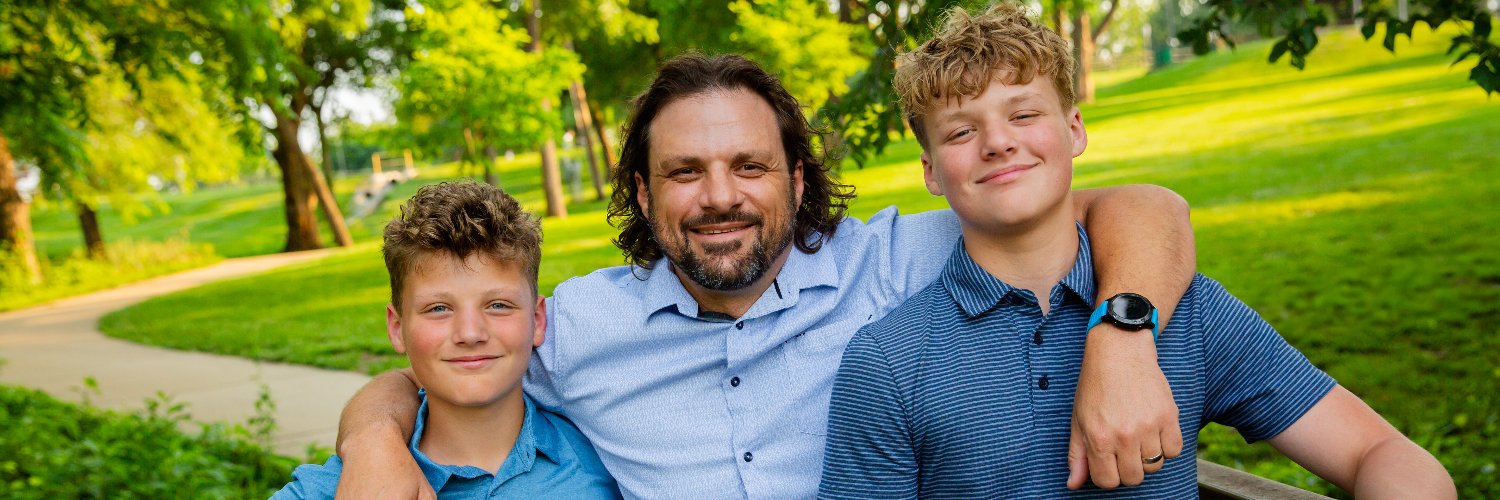
Our lab does research on exercise and metabolic health. I am passionate about family, friends, football, camping, music, KU Jayhawks, FHSU Tigers, and science!
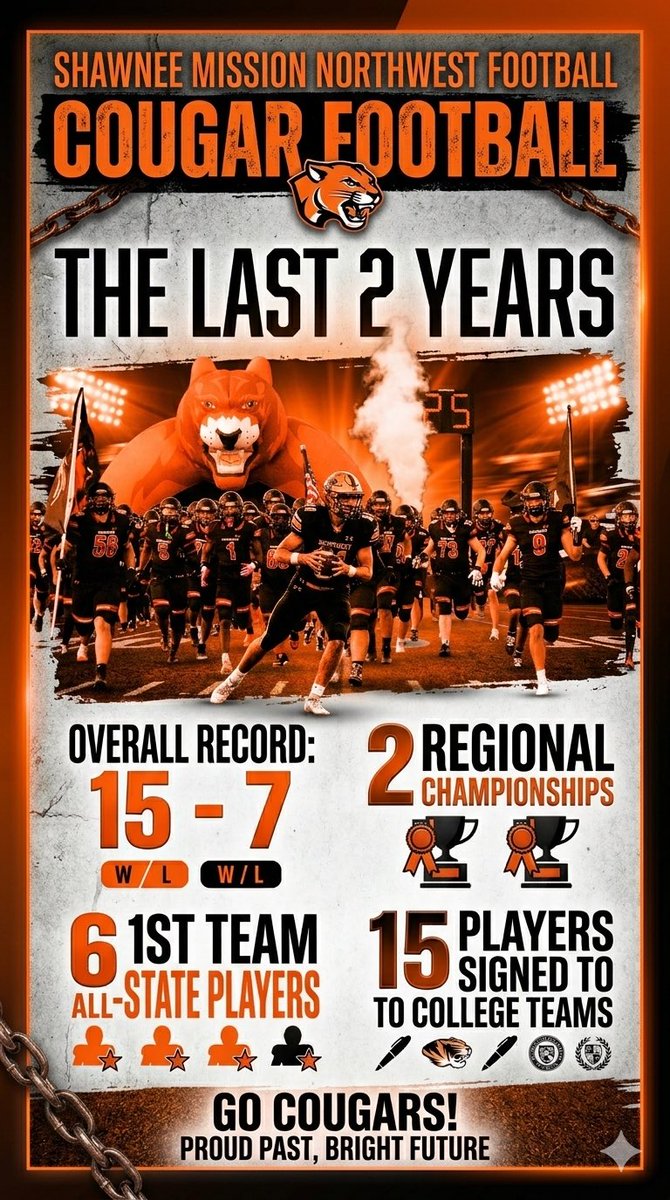
SMNW Spirit Wear SALE!
Get ready for game-day an back to school with new gear. Select items up to 35% off and free shipping with orders over $85
Visit the store https://t.co/Q3qBpAt1qE
#smnwcougars#everydaychampions#sowhatnowwhat
Do we grow wiser as we age? Can we?
I spent over 15 years chasing glam journals and wasted a lot of time and energy (and this chase caused a lot of frustration to my team and co-authors).
I don’t want to wake up at 70 and realize my life went into convincing a few editors my work was trendy enough.
Enough is enough.
I'll try to be smarter.
Pretty cool note I got from a tech CEO/founder who watched NCAAs about hiring wrestlers:
“I'll say this: without question my favorite hiring profile is a D3 All-American wrestler. You competed in the darkness. No lights, no crowd, sometimes literally no one watching. You showed up anyway and you figured it out. Give me 10 of those guys and they're worth 50 fancy Ivy League degrees. Every time. The mat doesn't lie.”
Thoughts?
The South Region MOP grew up minutes from my house, went to my old high school, was a classmate of my son’s and I’ve been playing pickup with him for a few years.
My hometown is so proud of Keaton Wagler. Was my honor to tell his story this year. ICYMI: https://t.co/9a2xinp6bh
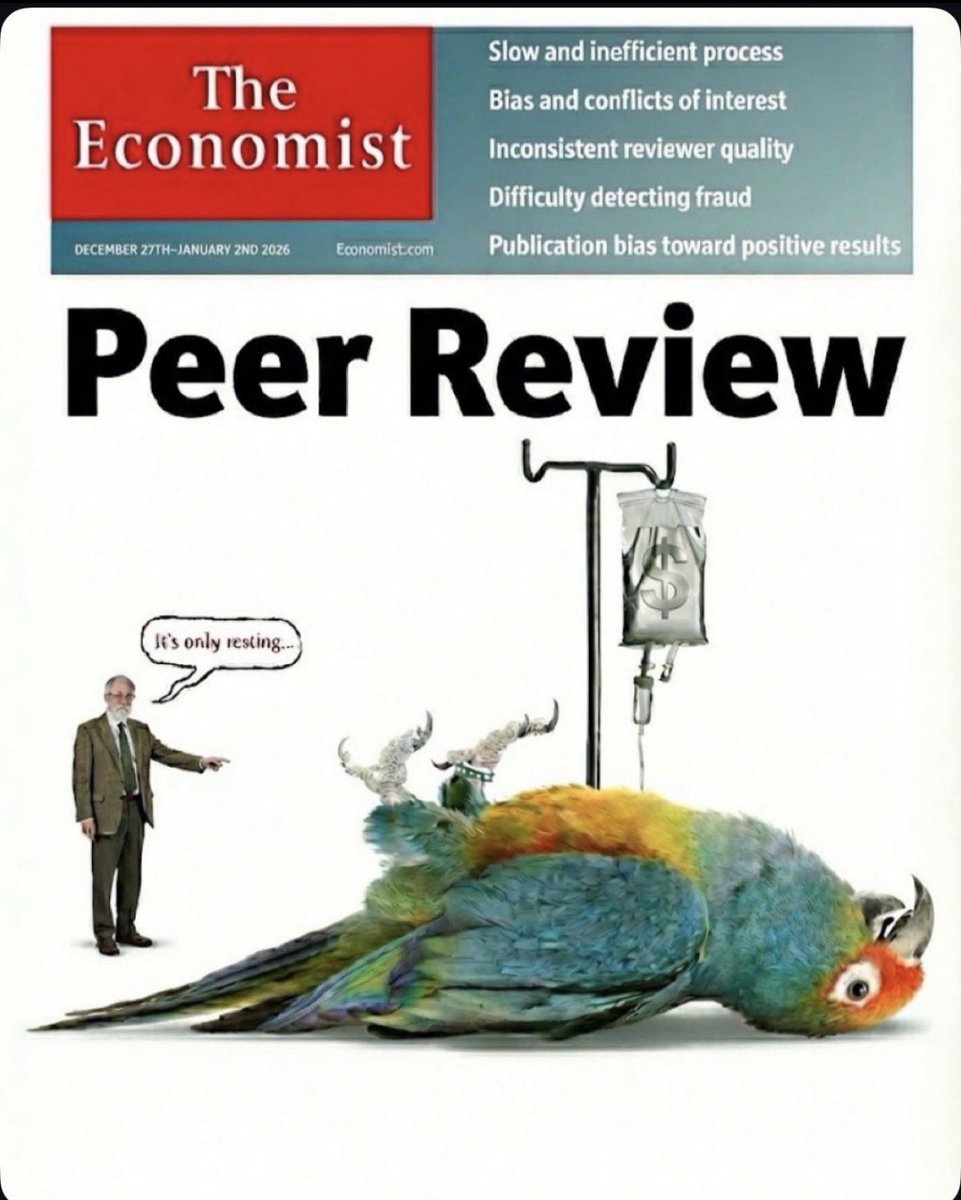
Peer review was supposed to be science’s quality filter, but somewhere along the way it started acting more like a bouncer who only lets in the regulars. It’s slow, it tends to favor established labs and familiar names, and it gets uncomfortable around anything too unconventional. Papers loaded with mountains of data tend to cruise through, while bold ideas that actually challenge the consensus get stuck in limbo or turned away at the door.
The irony is that where a paper gets published almost never determines its real worth. What actually matters is what the scientific community does with it afterward, whether people cite it, argue with it, build on it, or use it to blow up a long-held assumption. That’s where the value lives, not in the journal’s logo.
A major survey a few years back found that roughly 70% of researchers think the current system is fundamentally broken, and it’s not hard to see why. Publicly funded research hides behind paywalls, editors chase whatever topic is hot that month, and the whole incentive structure pushes toward safe bets over genuinely risky and potentially important work.
Science has always been complicated and deeply human and full of ego and inertia, but the conversation is shifting.
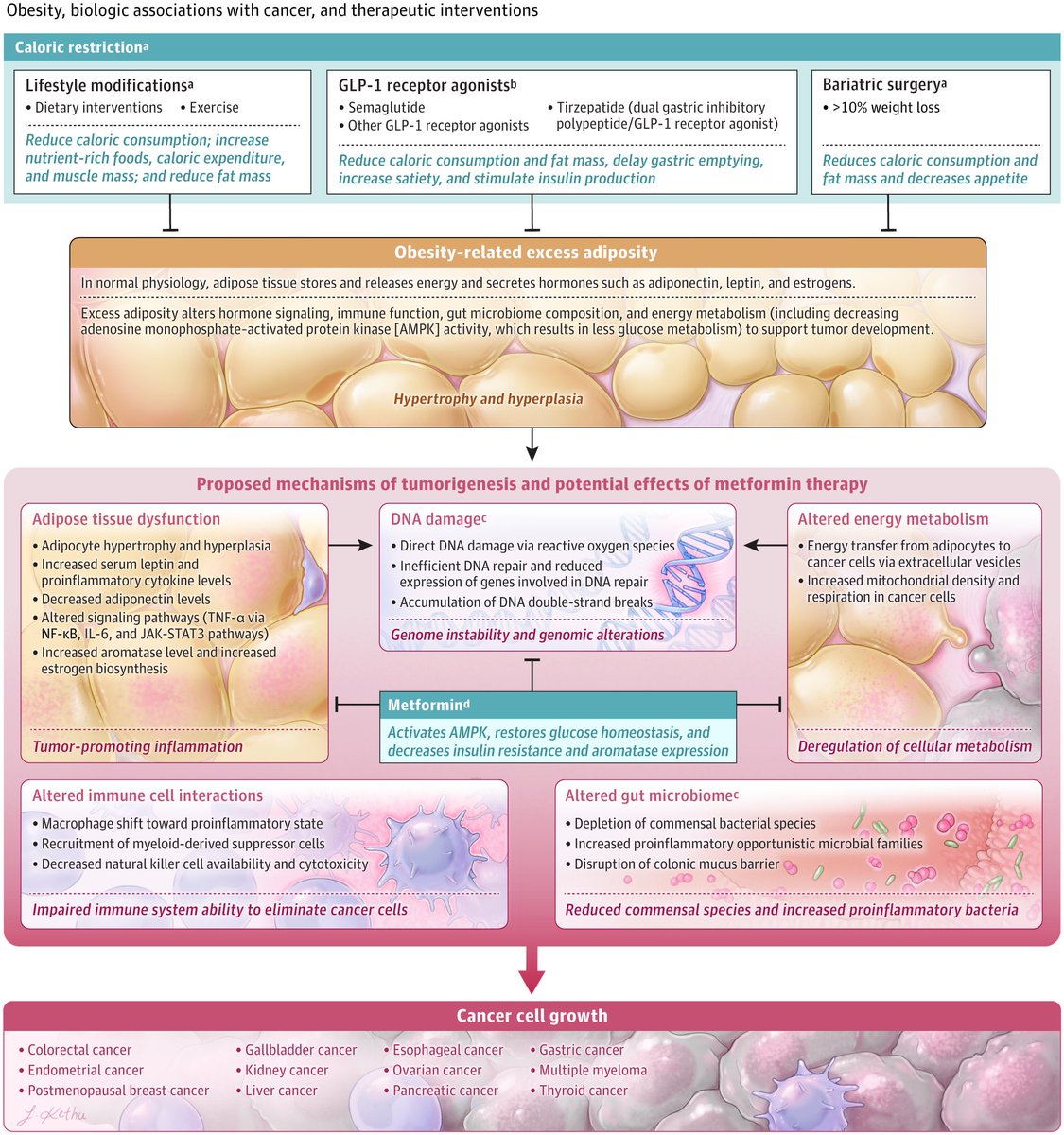
Obesity is linked to at least 12 cancers.
Here’s part of the biology in @JAMA_current
Dysfunctional adipose tissue becomes a pro-tumor endocrine organ, driving insulin signaling, estrogen excess, chronic inflammation, and immune suppression.
In other words: obesity can help create the ecosystem cancer needs to grow.
https://t.co/o9OHokqMuJ @OncoAlert
Our translational science review on obesity and cancer is out today in @JAMA_current
Here, we delve into several mechanisms driving the relationship and look forward to seeing how the field evolves with the emergence of novel strategies for intervention.
@KUcancercenter
Some of the frivolous September purchases made under Secretary Pete Hegseth’s stewardship include a $98,329 Steinway & Sons grand piano for the Air Force chief of staff’s home, $5.3 million for Apple devices such as the new iPad, and an astronomical amount of shellfish, including $2 million for Alaskan king crab and $6.9 million worth of lobster tail. (Lobster tail is apparently a favorite of Hegseth’s Pentagon—the department spent more than $7.4 million total on the luxury item in March, May, June, and October.)
In other pricey food purchases, the government decided to drop $15.1 million for ribeye steak (again, just in September), $124,000 for ice cream machines, and $139,224 on 272 orders of doughnuts.
The weight room is the most influential room in a school.
It’s not a place to hang out — it’s a classroom.
A place where habits are built, standards are set, and character is developed.