Everything today is “look at me” and “look what I’m doing.”
8th graders are making announcement posts about what H.S. they’re going to.
I honestly just don’t understand when youth sports turned into personal branding. Maybe I’m just old school.
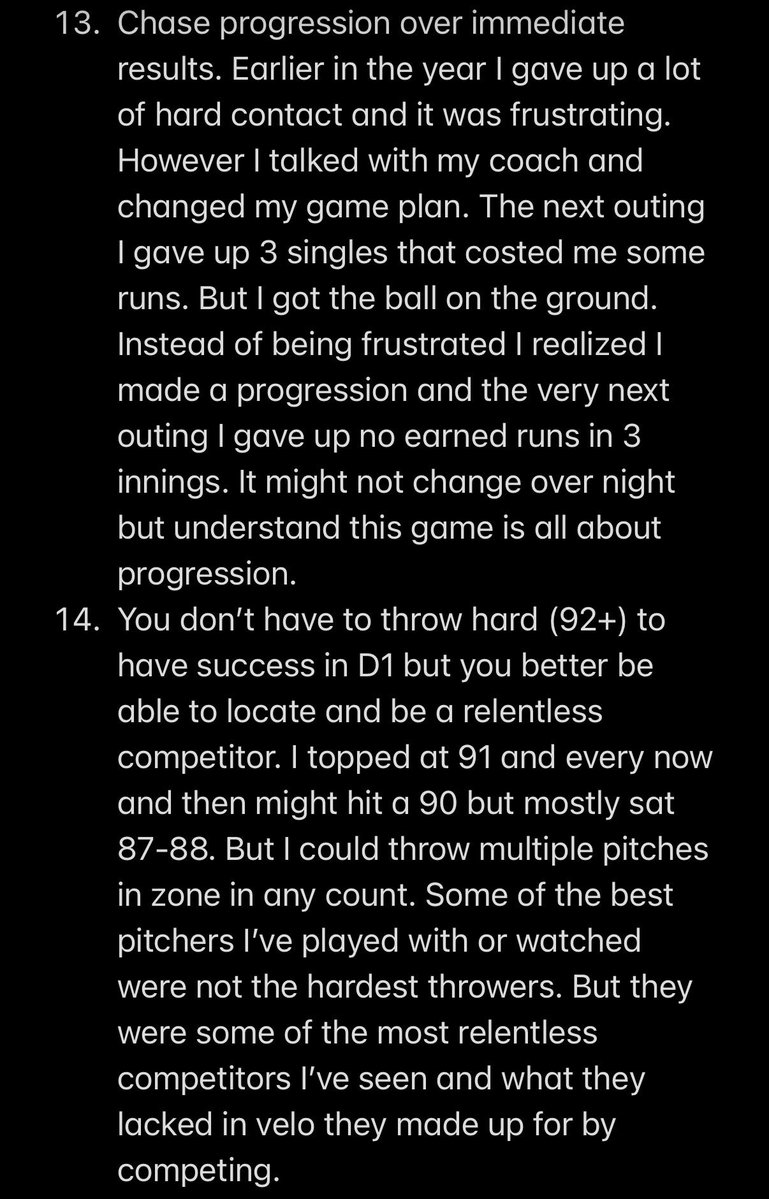
Yesterday I wrapped up my college baseball career as well as my playing career. I was reflecting on some things that I wish I knew coming into college or somethings that I would tell younger players interested in playing college baseball. So here they are in no particular order⬇️
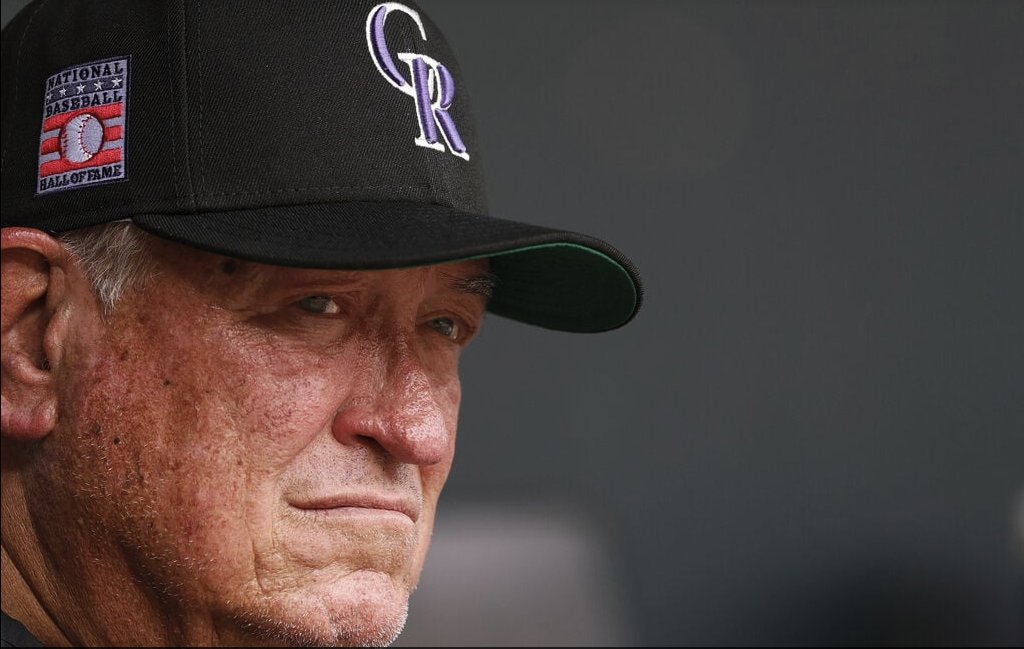
50+ years in baseball. 17 as an MLB manager. over 2,500 games from the dugout.
I won Manager of the Year and also lost more games than I want to count.
I led teams through losing seasons and took a team to the World Series.
The biggest difference was leadership.
If I could go back to my first day as a leader, here are the 5 lessons I'd whisper in my own ear:
Lesson 1: Be a window when it's good, a mirror when it's bad.
The leaders I respected most shared every win and absorbed every hit.
What this looks like in practice:
• Wins: name the people who made it happen
• Losses: say "that's on me" before anyone asks
• Locker room: spotlight the effort before the outcome
Your team will fight harder for a leader who deflects credit and absorbs blame.
Lesson 2: Nobody hands you trust. You earn it before you coach it.
Early in my career, plenty of coaches tried to fix my swing.
I tuned out every one I didn't trust.
Get to know your people before you try to develop them.
Their hobbies, their family, what makes them tick.
Then the coaching lands.
Lesson 3: Shower well after every loss.
After a losing streak in Colorado, our team president asked me how I kept the clubhouse together.
This was my rule:
• Self-evaluate honestly, were we prepared, did we execute?
• Shower well, wash off the grit, grime, and angst before you walk out
• Be present for whoever you're going home to
Tomorrow is a new opportunity. Don't drag yesterday into it.
Lesson 4: Lead transformationally, not transactionally.
Transactional leaders ask: what can this person do for me?
Transformational leaders ask: how do I put this person in a position to win?
The first builds compliance.
The second builds careers.
When your people start chasing growth instead of your approval, you've crossed over.
Lesson 5: Stay humble before life humbles you.
There are two kinds of people in this world: those who are humble, and those who are about to be.
Discipline keeps you in the first group:
Skill gets you in the room. Humility keeps you there.
50 years taught me leadership isn't about you.
It's about the people you serve.
@Rockies
The #1 skill missing from today’s athlete is mental toughness. Refusing to hold oneself accountable to individual and team goals. Blaming others for circumstances. Not fighting through adversity. Pouting and poor body language. Physical skill can only take you so far. Get tough! #DoingDirtWork
Been coaching baseball for 35 years. I can confidently say …
The same fundamentals that won baseball games in my year #1 still wins them today. Even more so now, because others are neglecting the basics at an alarming rate. So many are mistakenly seeking a magic potion. When doing simple better than everyone else is the key. On offense, defense, team play, etc.
Don't let anyone tell you the 2-strike approach is dead.
Enjoy this absolute masterclass from Mauricio Dubon.
After two whiffs on 97 mph fastballs he got a third. He dropped the leg kick, spread out, no stride and smoked a base clearing triple to right field.
Politics are important, but listen to me: Politics cannot fix what politics did not break.
And Mankind was broken long before any political system.
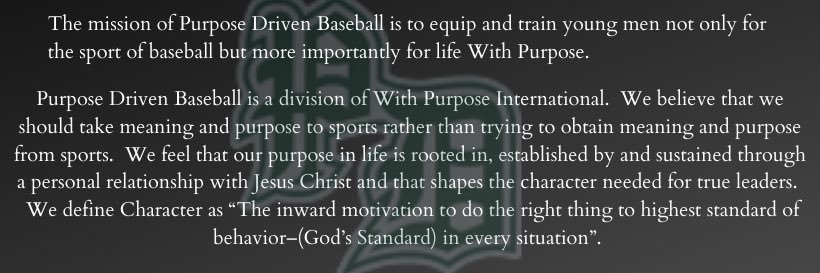
Only a return to Jesus Christ who can reach inside the chests of men and give them new and living hearts of love, worship, and humility can save any person, any family, and any society.
Christ is the only way out of the chaos.
Youth sports isn’t ruined by kids, it’s adults chasing trophies, rankings, and highlight reels over growth.
We’ve traded development for exposure, joy for pressure, and teamwork for ego.
Fix the adults, and you fix the game.
It’s that simple.
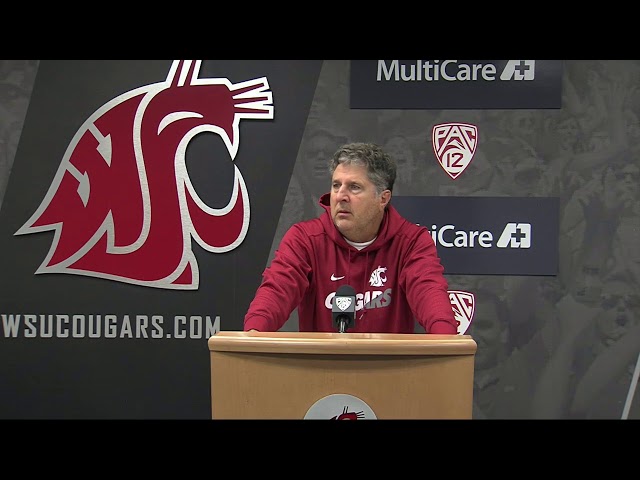
Every training camp I had at Washington State University, Coach Leach would share the same story.
The story of two kids. The rich kid and the poor kid.
The rich kid has two choices. He can become spoiled, entitled, lazy, and expect everything to be handed to him because he has been given more. Or he can take every advantage of what he has been given—resources, coaching, opportunities—and use it to become even better.
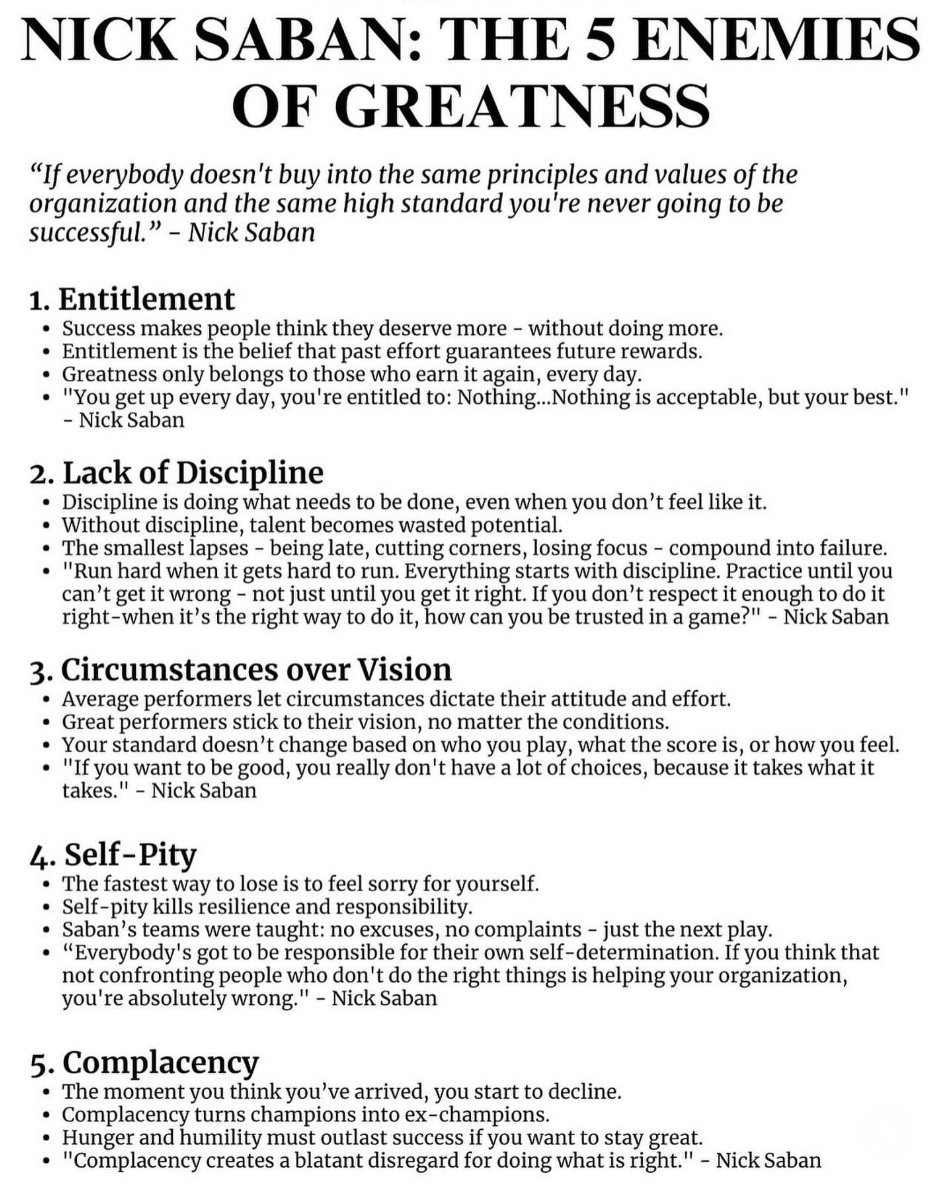
The poor kid has two choices too. He can say, “I never had a chance. Nobody gave me anything. The world is against me.” He can feel sorry for himself and use it as an excuse. Or he can say, “I may not have what they have, but I am going to outwork everybody.” He can become tougher, more driven, and more relentless than everybody else.
It was a powerful message in a locker room full of people from different backgrounds, different families, and different life experiences. Some guys came from wealth. Some came from almost nothing. Some had every opportunity. Others had to fight for every inch.
But despite all of those differences, everybody still had the same choice.
You can take ownership and use what you have as fuel.
Or you can become victim-minded. You can look for excuses, blame your circumstances, become entitled, and convince yourself that because of what you have—or because of what you do not have—you cannot become what you want to be.
It is not about how you start. It is about what you choose to do with how you start.
The rich kid can waste what he has been given or use it to build something greater. The poor kid can use his circumstances as an excuse or as fuel.
In the end, greatness does not come from starting with more or less. It comes from which person inside of you that you choose to feed.
If you like these Mind Strength Messages, click below to join our free newsletter and get a new Mind Strength Message every Monday to start your week on the right foot.
https://t.co/g0MfutOHjG
#MindStrength
Truths Parents Rarely See
1. Coaches lose sleep
2. Decisions aren’t personal
3. Playing time is complex
4. Culture matters more than stats
6. Coaches invest emotionally
7. Development isn’t instant
8. Hard feedback is intentional
9. Coaches remember kids forever
Make sure you get that 'Fanny' is moving towards home as you get into peak leg lift ⚾ It’s the move that kicks off a powerful, fast, efficient delivery. 🔥
The “boring” stuff wins ballgames:
-Backing up the play
-Putting the ball in play
-Moving the runner
-Making the routine plays
-Consistent communication
-Throwing strikes
-Smart baserunning
-Taking your walks
-Getting HBP, holding your ground
-Hitting a cutoff man
-Hustling out everything
*At some point, the “boring” tasks of ⚾️ will win extra games! And more often than not, playoff berths, seedings, playoff wins, and even championships can be determined and decided by what many would call “boring.”
Turn the “boring” into the “important” and that’s how you win!
#BaseballTruth
As an AD, I often reflect on championship teams. Some had all the talent in the world and didn’t win, while others with less found a way to finish the job.
The difference is rarely just talent. It’s the teams that play for each other instead of their own highlight film or personal agendas. The ones who stay for the full game, not just the 25 minutes that make social media.
Championship teams spend time together, pull for each other, hold each other accountable, and consistently put in the work. Not skip practice or have other personal obligations that take place of their commitment they signed up for.
Sometimes it’s a talent issue. But more often, it’s a culture issue.