📣New #NESBereavementPodcast out now.
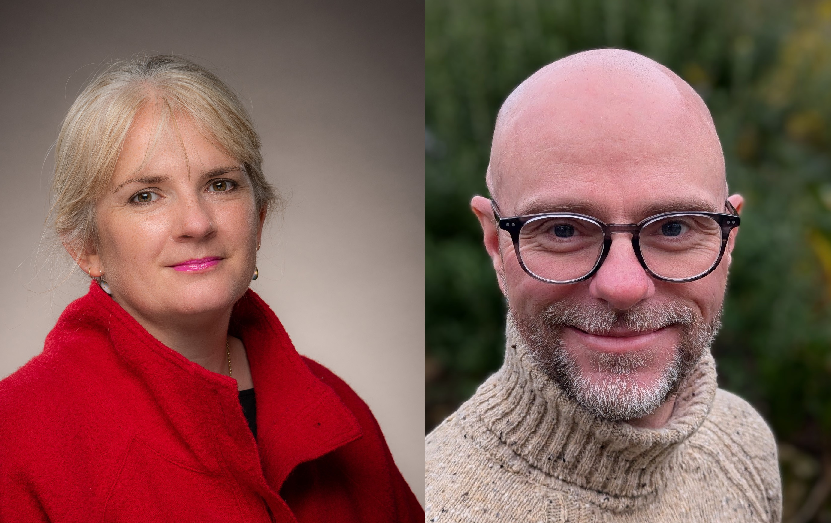
@katewoodybath and @johnmacartney discuss the sociological perspectives of death, dying & bereavement and consider the phrase ‘loved ones’ - is it an appropriate catch-all or a problematic phrase?
Listen: https://t.co/pvr9pwMBtJ
How can social science and humanities help us “to know dying”?
This week, Marie Curie, the @LindAlliance and partners, including cofunders the @ESRC and @MND Association launched a refreshed list of priorities for palliative and end of life care research.
Researchers at the @OpenUniversity @openthanatology, @uniofwarwick and @UCLPsychiatry /Marie Curie took on the task of bringing together researchers from diverse disciplines to identify five research areas for social sciences and humanities, based on the questions generated through the priority setting process.
These research areas were:
Experience, practice and education
Awareness, communication and planning
Power, ethics and transitions
Time, space and care
Diversity, equity and society
Each of these areas is explored and expanded upon in the To Know Dying report. The report outlines how a range of disciplinary approaches, including social sciences and humanities, are required to address the complex, multifaceted issues in palliative and end of life care.
I am giving a talk on three key moments in the UK disability rights movement for #DisabilityHistoryMonth at @unibirmingham
Wed 11th Dec, 12-1pm, hybrid (with online captions), free, and open to all!
https://t.co/tenP0sUcmQ
#DisabilityTwitter @CoSS_Birmingham @artsatbham
We are looking for a 0.5FTE permanent Senior Research Governance Manager to manage and oversee research governance for research carried out in @MarieCurieEOLC services and linking in with others in the sector. Please disseminate to your networks. https://t.co/3Ftf8Wyb7L
Current guidance for immune suppressed people is to:
↔️Ask visitors to keep their distance.
📥Take a lateral flow test
😷Ask them to wear a face covering
😷You may want to wear a face covering yourself
Cathy flags the juxtaposition of this advice with risks in healthcare.
14/
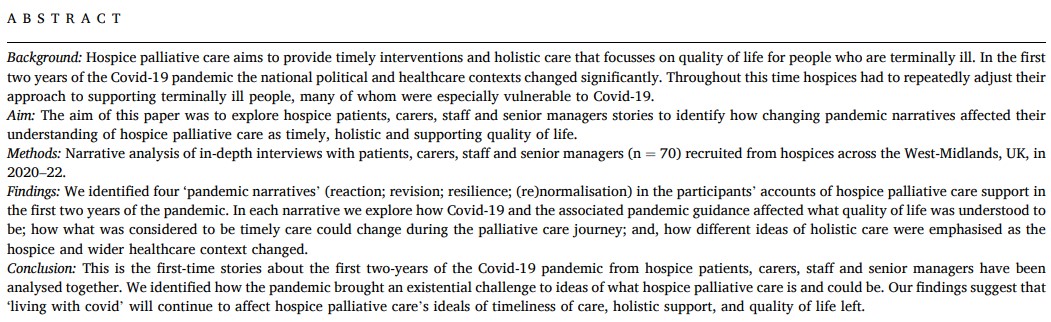
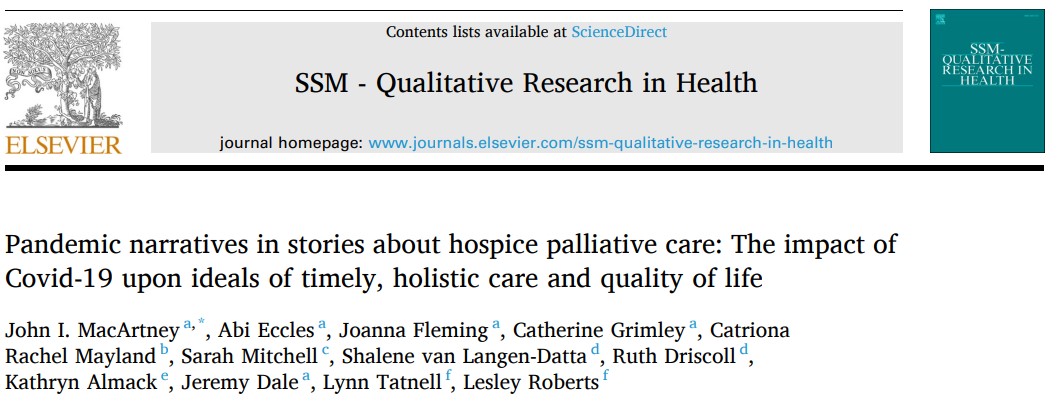
@ELHopkins@DrFrancesRyan Indeed! Recently published this on hospice palliative care staff struggles with a "living with covid" approach to quality of life left:
https://t.co/3fdPkaaNTt
🚨New paper!🚨
tl;dr Hospice staff are uncertain how a “living with covid” approach helps promote quality of life left, but find it difficult to address as covid mitigations are strongly associated with negative emotions of the emergency period.
https://t.co/ajkBdiW9cU
1/🧵
🚨New paper!🚨
tl;dr Hospice staff are uncertain how a “living with covid” approach helps promote quality of life left, but find it difficult to address as covid mitigations are strongly associated with negative emotions of the emergency period.
https://t.co/ajkBdiW9cU
1/🧵
CVFs "wishlist"
None of this is happening currently, although patients sometimes ask for staff to mask
*See a mask, wear a mask*
would be much simpler than self-advocacy.
16/
There is no testing in healthcare.
This is a problem for Clinically Vulnerable people who are "high users of healthcare".
CVF advocates for #MasksInHealthcare.
15/
Current guidance for immune suppressed people is to:
↔️Ask visitors to keep their distance.
📥Take a lateral flow test
😷Ask them to wear a face covering
😷You may want to wear a face covering yourself
Cathy flags the juxtaposition of this advice with risks in healthcare.
14/
Yet not all of CVFs members have the ability to delay or cancel appointments due to their serious health conditions.
Or they can delay some things to avoid Covid peaks, but not others.
13/
Removing mitigations from healthcare settings has a disproportionate impact on those who carry the greatest risk, although all within healthcare will have higher risks as they are generally a more vulnerable population.
12/
The removal of masks in healthcare has has a direct impact on the health of Clinically Vulnerable people who have increasingly had to delay or cancel their appointments due to high Covid risks.
11/