No city lights. No haze. No interference.
Just rust-red dunes stretching to the horizon… and above them, a sky so loaded with stars it looks unreal.
This is what nights might look like on the Red Planet.
Silent. Massive. Otherworldly.
A view no human has ever witnessed in person… yet.
What does mass really mean?
Mass feels like one of the most obvious properties in the universe. A stone has more mass than a feather. A planet has more mass than a mountain. The Sun has more mass than Earth. We use the word constantly, as if it simply means “how much stuff” something contains.
But in modern physics, mass is stranger than that.
Mass is not just substance. It is not just weight. It is not even one single idea.
The first meaning is inertia. Mass tells us how much an object resists being accelerated. Push a tennis ball and it moves easily. Push a car with the same force and it barely moves. That resistance is mass. In this sense, mass measures how hard it is to change an object’s motion.
The second meaning is gravitational mass. Mass is what responds to gravity, and also what produces gravitational attraction. Earth pulls on us because it has mass and energy. We pull on Earth too, just unimaginably weakly by comparison. One of the great insights behind general relativity is that inertial mass and gravitational mass behave as the same thing. That equivalence is not just a coincidence. It is one of the foundations of our understanding of gravity.
Then Einstein made the idea even deeper.
With E = mc², mass became a form of energy. Not metaphorically. Literally. A particle at rest still contains energy simply because it has mass. This is why nuclear reactions can release enormous amounts of energy: a tiny amount of mass can be converted into energy. Mass is not separate from energy. It is one way energy can appear.
But where does mass come from?
This is where the Higgs field enters the story. In the Standard Model of particle physics, fundamental particles such as electrons, quarks, and the W and Z bosons acquire mass through their interaction with the Higgs field. The stronger a particle interacts with that field, the more massive it is. The Higgs boson, discovered at CERN in 2012, was the experimental confirmation that this field is real.
That part is often summarized as “the Higgs gives particles mass.” It is true, but incomplete.
Because most of your mass does not come directly from the Higgs.
Almost all the mass of your body is in protons and neutrons, which make up atomic nuclei. Protons and neutrons are made of quarks, and those quarks do get their small individual masses from the Higgs field. But the quarks themselves account for only a tiny fraction of the proton’s mass. Most of the proton’s mass comes from the energy of the strong force, from quarks and gluons interacting inside it. In quantum chromodynamics, energy stored in the fields of quarks and gluons generates most of the “heft” of ordinary matter.
That means the mass of everyday matter is mostly not “stuff” in the simple sense.
It is energy.
The table, the mountain, your body, the Earth itself: most of their mass comes from the restless energy of confined quarks and gluons inside protons and neutrons. Matter looks solid and calm from the outside, but at the deepest level, much of its mass is generated by motion, fields, and binding energy.
That is a remarkable shift in perspective.
The Higgs field gives elementary particles their intrinsic masses, but the mass of ordinary matter mostly arises from the dynamics of the strong nuclear force. In other words, the thing we casually call “mass” is partly interaction with a field, partly resistance to acceleration, partly gravitational charge, and partly stored energy.
And then there are neutrinos.
Neutrinos have tiny masses, but the Standard Model in its original form does not fully explain them. We know they have mass because they oscillate between different types as they travel. But whether their mass comes from the Higgs field in the same way as other particles, or from a deeper mechanism, remains an open question. That is one reason neutrino physics is still one of the most active frontiers in particle physics.
So what does mass really mean?
It depends on the level at which you ask the question.
At the everyday level, mass is what makes objects heavy and hard to move.
At the relativistic level, mass is a form of energy.
At the particle level, some mass comes from interaction with the Higgs field.
At the nuclear level, most ordinary mass comes from the energy of quarks and gluons bound by the strong force.
And at the deepest level, we are still asking whether mass is telling us something even more fundamental about fields, symmetry, and the structure of reality.
Mass is not just “stuff.”
It is one of the ways the universe stores energy, resists change, and curves spacetime.
And the strange part is this: the weight of the world is not mostly made from the mass of particles themselves, but from the energy holding them together.
Big smiles from Christina and Victor on the deck of the USS John P. Murtha, as they waited to be escorted for their routine post-mission medical checks.
Welcome home Reid, Victor, Christina, and Jeremy! 🫶
The Artemis II astronauts have splashed down at 8:07pm ET (0007 UTC April 11), bringing their historic 10-day mission around the Moon to an end.
Hello, Moon. It’s great to be back.
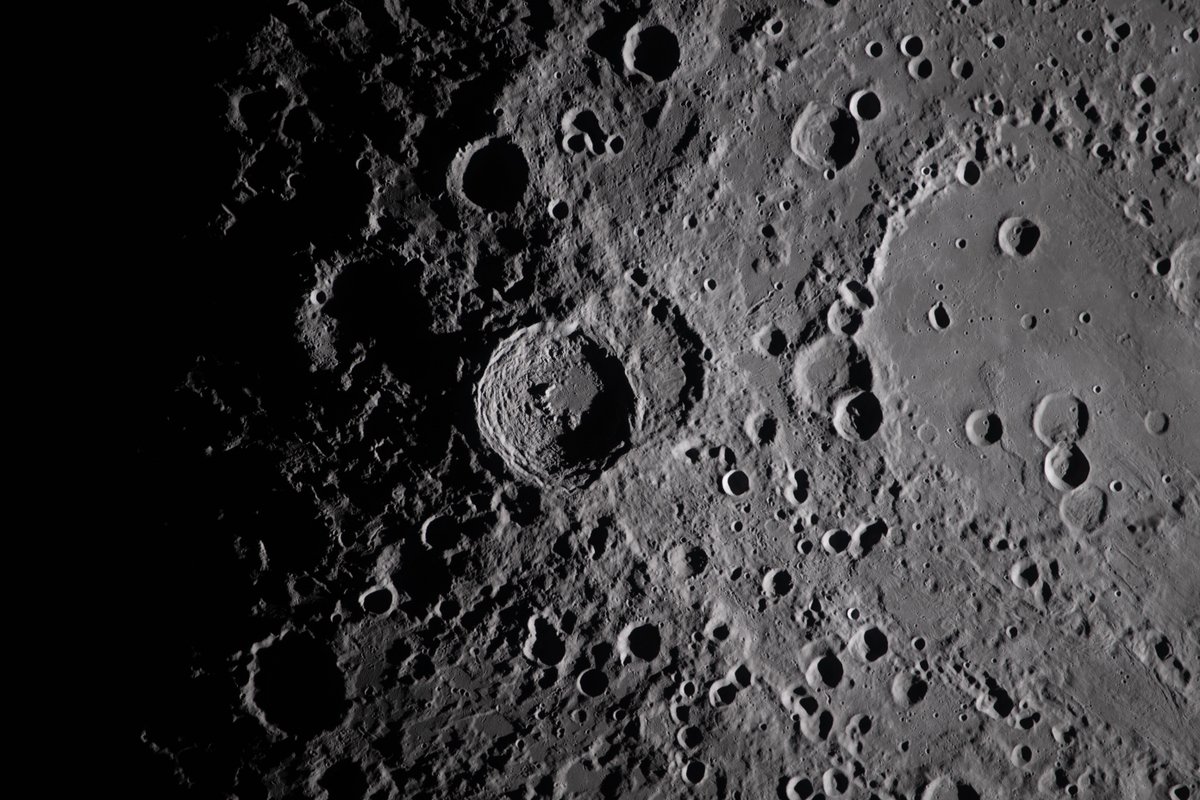
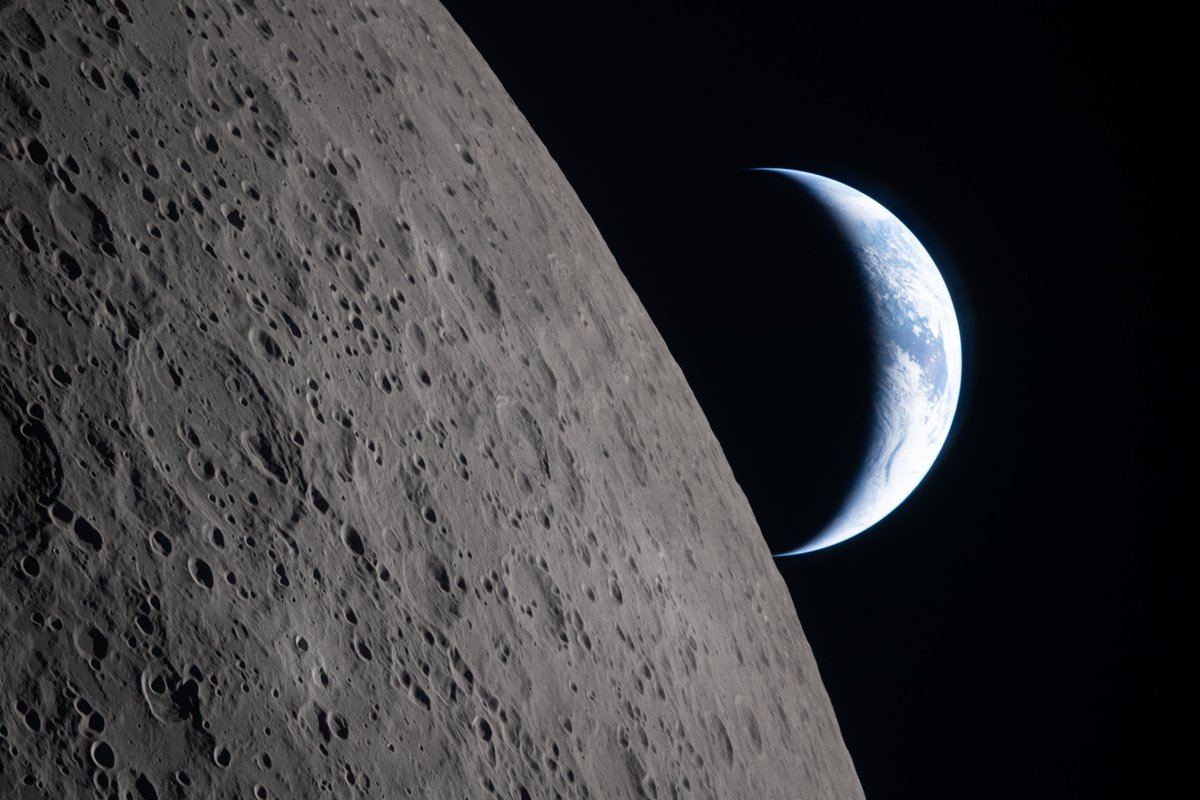
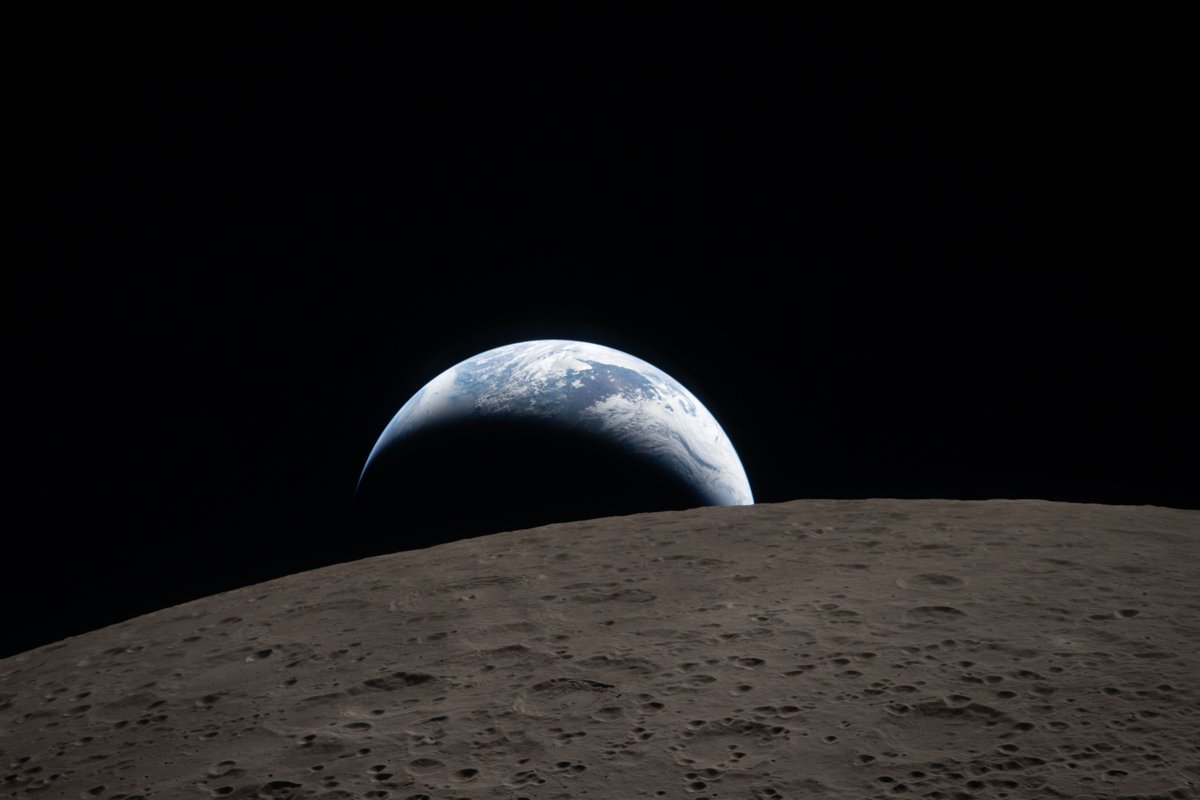
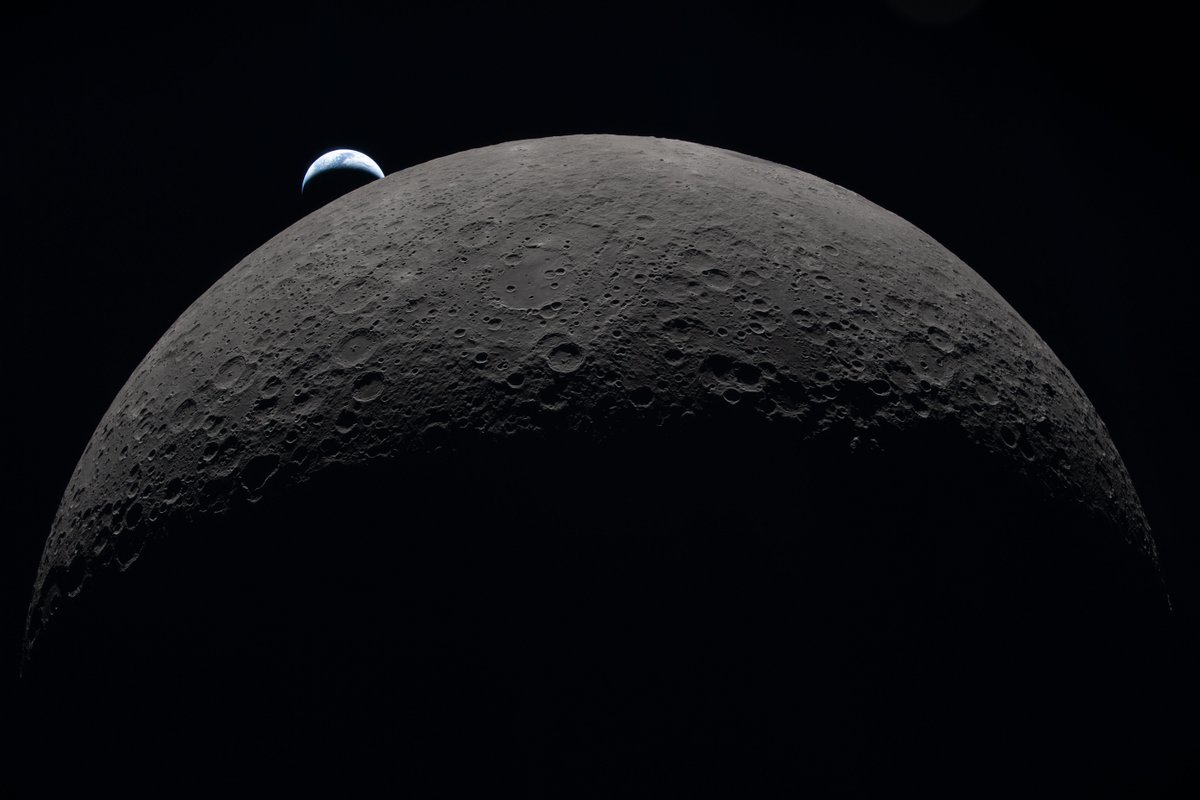
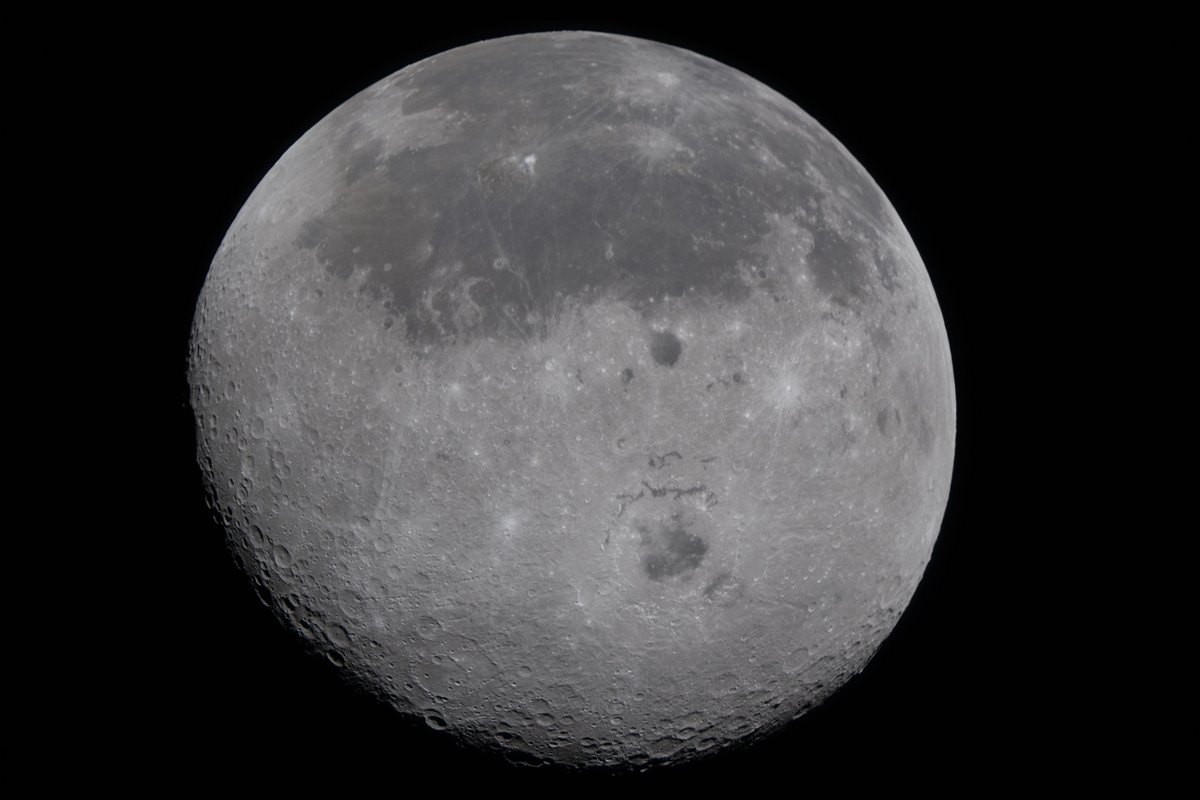
Here’s a taste of what the Artemis II astronauts photographed during their flight around the Moon. Check out more photos from the mission: https://t.co/rzM1P0QbOl
BREAKING NEWS🚨: Four humans just passed the point where NO person has EVER been.
Artemis 2 crew is now officialy the farthest humans from Earth in ALL of history.
252,757 miles from Earth
Let that satisfyingly terrify you.
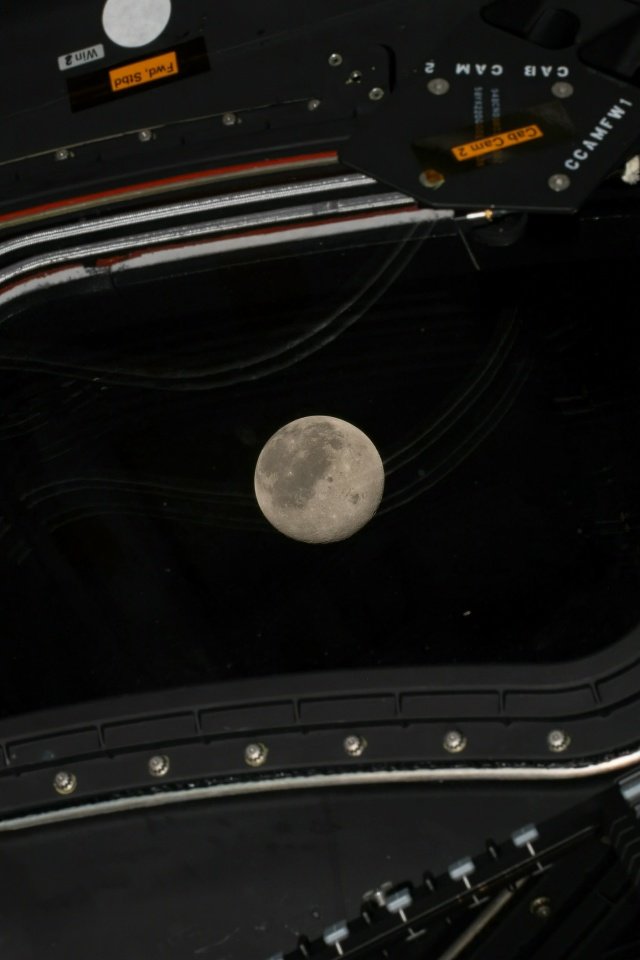
Approaching the near side of the Moon.
The Artemis II astronauts have surpassed the record for the distance from Earth at 1:56 ET (1756 UTC). This record was previously set during the Apollo 13 mission when the astronauts traveled 248,655 miles from Earth. The Moon continues to grow larger and larger in the windows of the Orion spacecraft as the Artemis II mission gears up to observe the far side. The astronauts are predicted to make their closest approach of the Moon around 7:02pm ET (2302 UTC).
Watch humankind break a record.
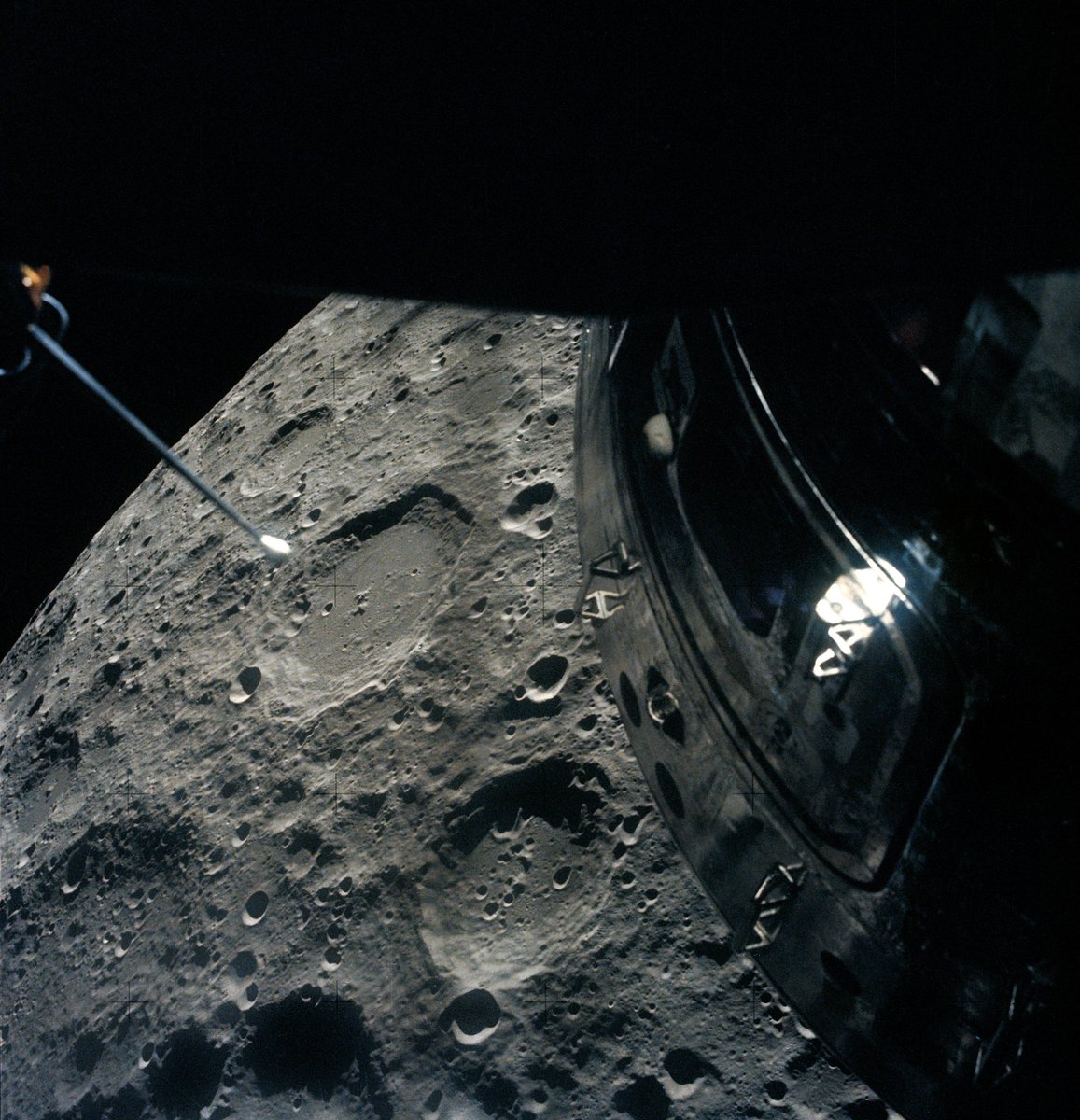
On April 14, 1970, the Apollo 13 astronauts travelled farther from Earth than any other humans in history and captured this view of the far side of the Moon. Soon, the Artemis II crew will travel farther! Tune in: https://t.co/bNDsad4IzS
"Suddenly, we're up there with them."
We're sharing the Artemis II crew's first images from space—keep following our 24/7 live feed for the latest mission updates: https://t.co/BezILihoZc
That's us! 🌍
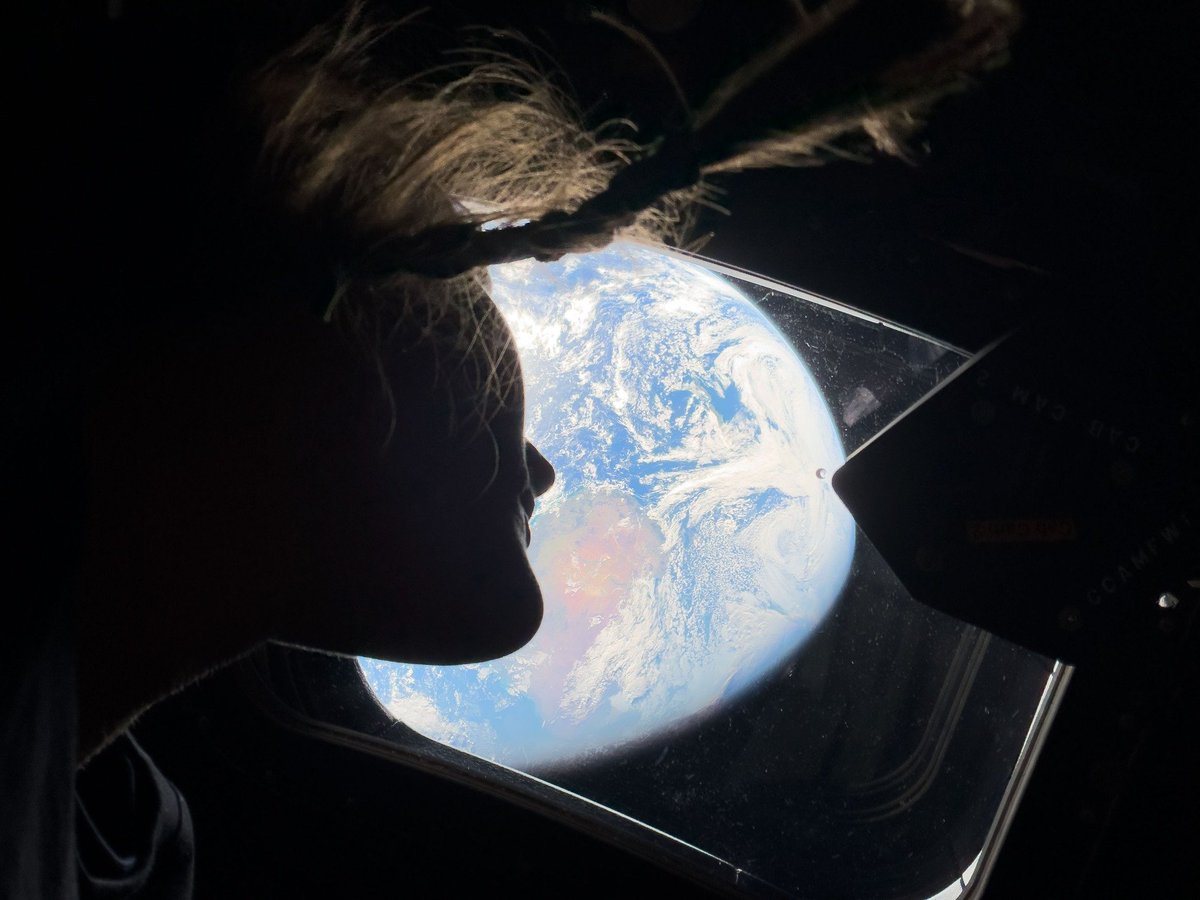
The Artemis II crew captured beautiful, high-resolution images of our home planet during their journey to the Moon. As @Astro_Christina put it: "You guys look great."
Liftoff.
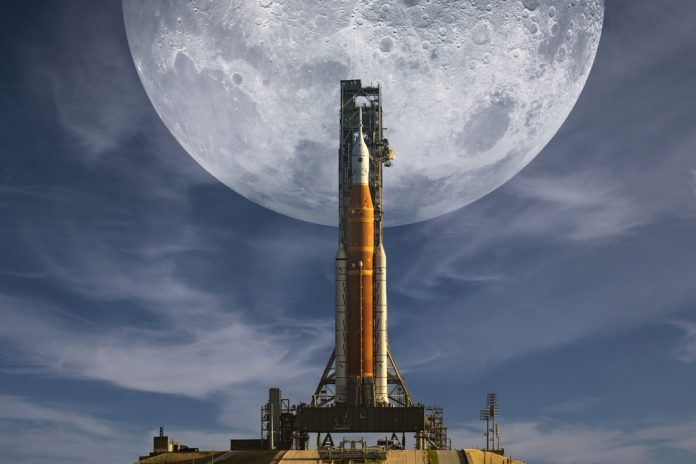
The Artemis II mission launched from @NASAKennedy at 6:35pm ET (2235 UTC), propelling four astronauts on a journey around the Moon.
Artemis II will pave the way for future Moon landings, as well as the next giant leap — astronauts on Mars.