New pre-print study online😊 we tracked many stonechats in central Asia and discovered a diverse pattern on migration route choices facing the Qinghai-Tibet Plateau; the phenotypic variations are associated with genetic differences.
https://t.co/RrbBBzlzsq
For birders: good news is that Siberian stonechats (maurus) and Amur stonechats (stejnegeri) have a clear route differences and wintering ground differences; bad new is that they hybridize extensively in their contact zone, making it harder to id in the field...
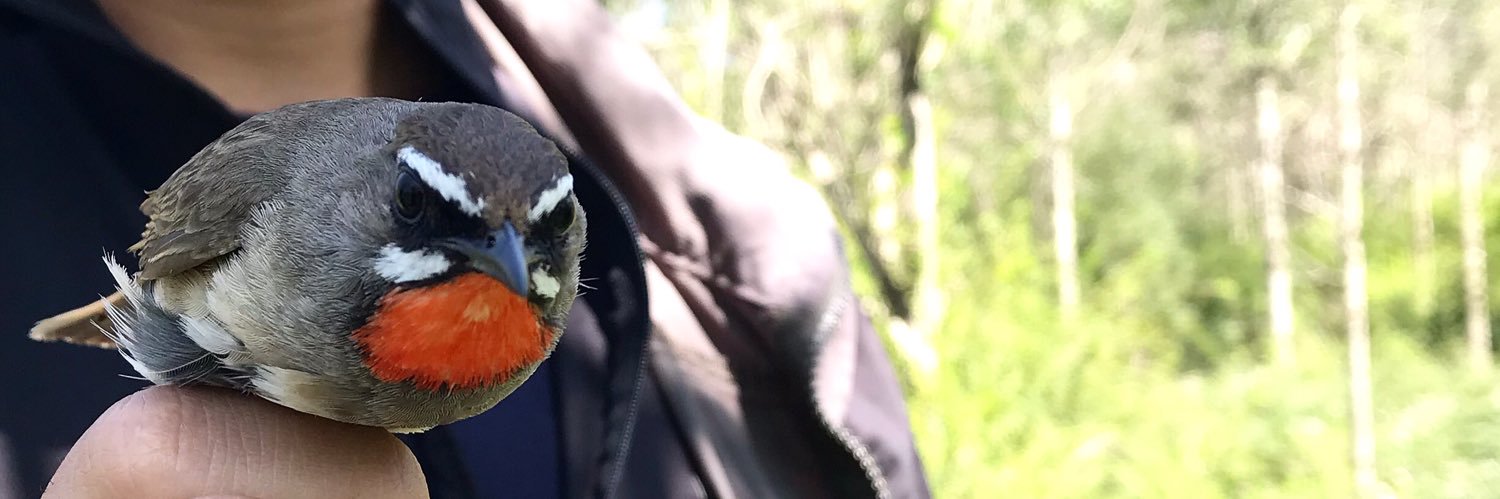
First PhD chapter officially online! Getting nerdy about Siberian Rubythroat's migration pattern with thr up-do-date technology😎🐦🐦Recognize the Central Asia Flyway!
https://t.co/kt6Bznn8ST
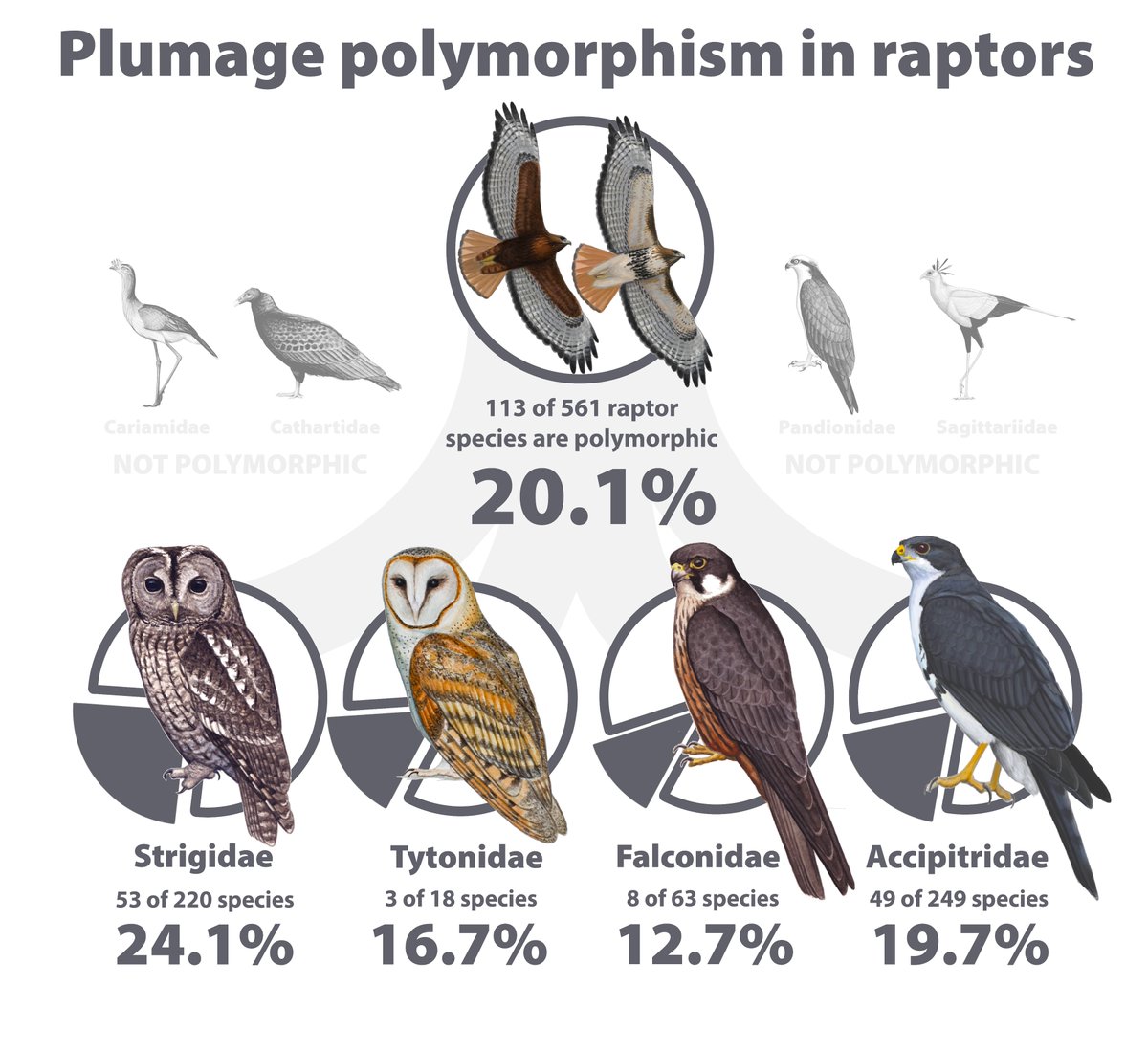
Why do some raptors have more than one plumage morph? In a new publication in Ornithology, we outline what is currently known, and the rich research potential provided by plumage polymorphism in this group.
https://t.co/VCyEqHvkkp.
@AmOrnith
1/6 #break1
Today I’m presenting part of my PhD research at the #BOU2024! 🐦Join me in the following thread as I’m looking into infectious hotspots and prevalence rates in the urban landscape.
#DiseaseEcology#UrbanEcology
(8/8) To address vital stopover sites requiring conservation and understanding the annual movement of small landbirds in this region with scarce background knowledge, we call for more effort on tracking landbirds in Asia. #BOUsci23#flyway#CentralChinaFlyway#SESH11
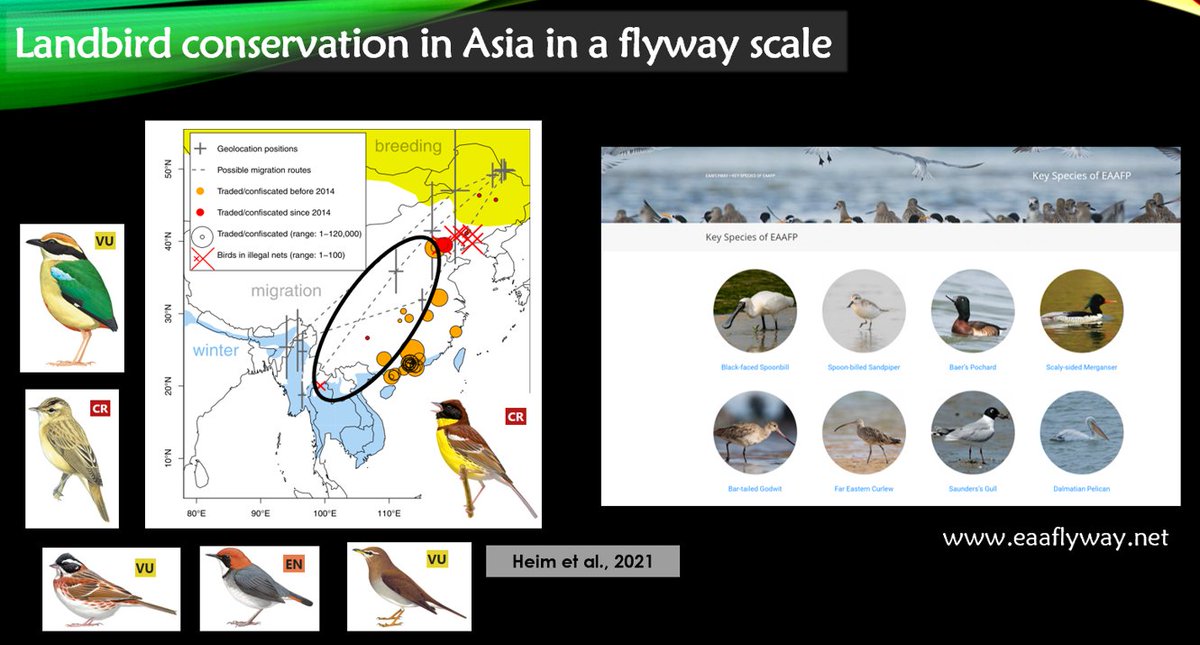
However, the conservation work on waterbirds and shorebirds along EAAF may not provide enough “umbrella effect” on the landbirds due to the mismatch between the already protected areas and the region under threats from illegal hunting and habitat loss for landbirds.
(7/8) …previous studies have also shown that lots of small landbirds from the eastern population also use central China during migration, including lots of species demanding immediate conservation actions. #BOUsci23#flyway#SESH11
(6/8) The #stonechats from the migratory divide exhibit both barrier-avoidance migration routes from western/eastern site, as well direct-route across the plateau, which may be due to hybridization (intermediate route). #BOUsci23#flyway#SESH11
(5/8) Both the central-Siberian and central China highland population of #Siberianrubythroat employed detoured migration routes in autumn, which might be a consequence in avoidance of the geographical barriers. #BOUsci23#flyway#SESH11
(4/8) During my PhD, I have been working with the #Siberianrubythroat (Calliope calliope) and the #stonechats (Saxicola maurus/stejnegeri), tracking their annual migration with various micro-tracking devices. #BOUsci23#flyway#SESH11
(3/8) One way to explain to the “busy highway” in central China is the Qinghai-Tibetan Plateau. Migratory divide has been reported in various species, due to the barrier effect from the plateau. The majority of landbirds are not migrating directly across the plateau. #BOUsci23
(2/8) The central China region where both flyways overlap has been shown having high abundance of migration landbirds. This fact hasn’t drawn much global attention, especially regarding conservation. The locals, however, do know where to catch birds for food or money. #BOUsci23
(1/7) EAAF and CAF overlaps in the central China region. There hasn’t been solid definition of the boundaries for each flyway, yet the migratory landbirds in the overlapped region display various distribution patterns during migration season #BOUsci23#flyway#ornithology#SESH11