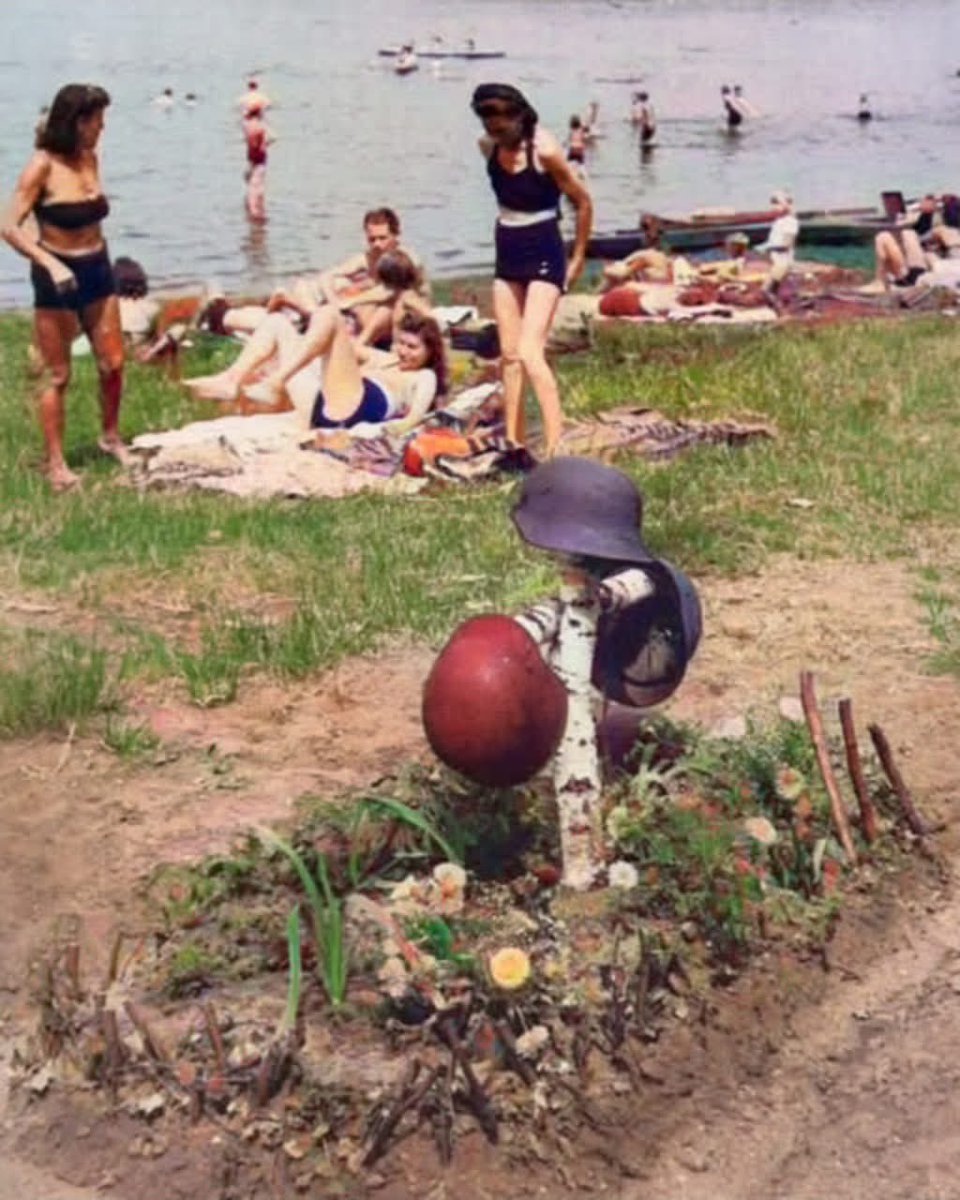
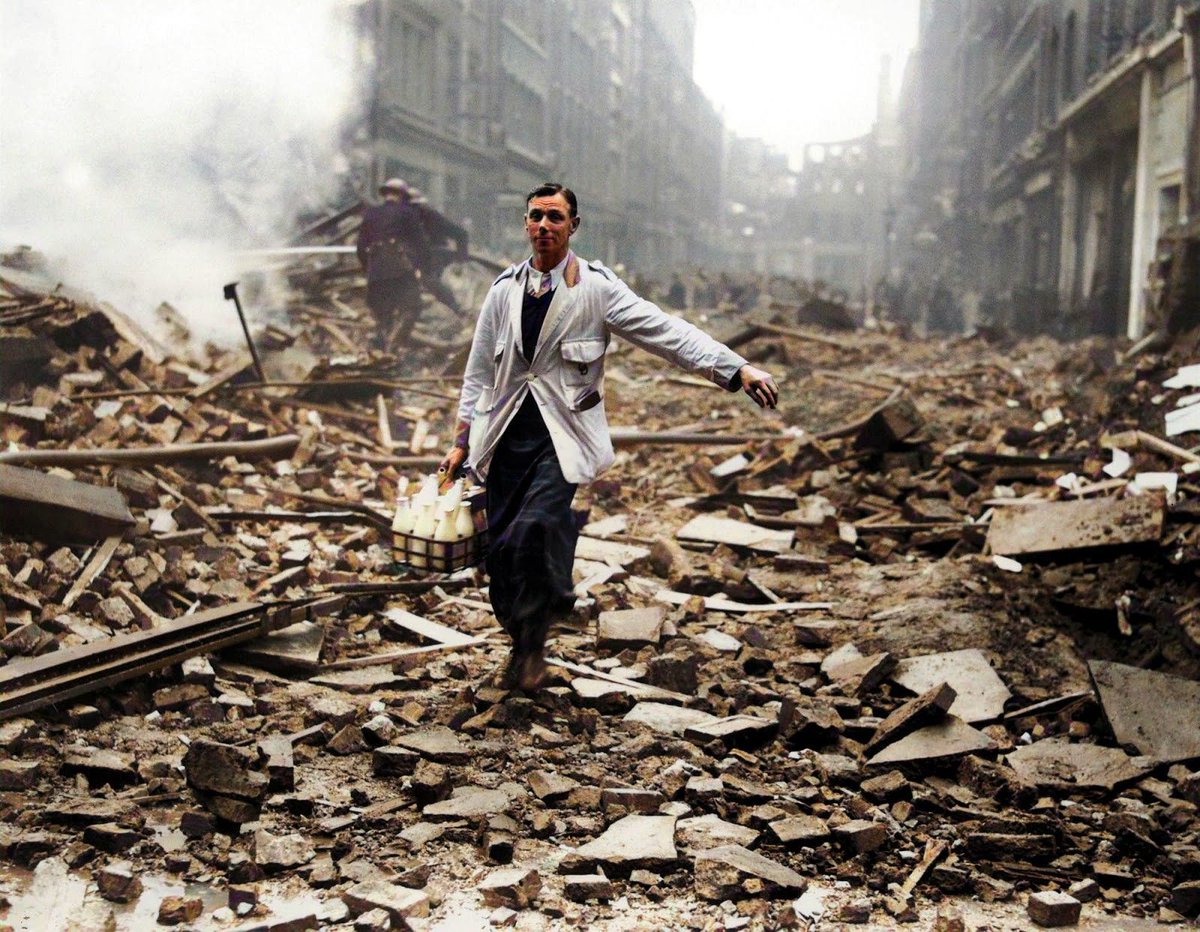
HMS Hood' Seaman Robert Tilburn of Roundhay (1921–1995), Leeds, one of the three survivors of HMS Hood (out of 1,418), out for a walk with his young brother, June 1941
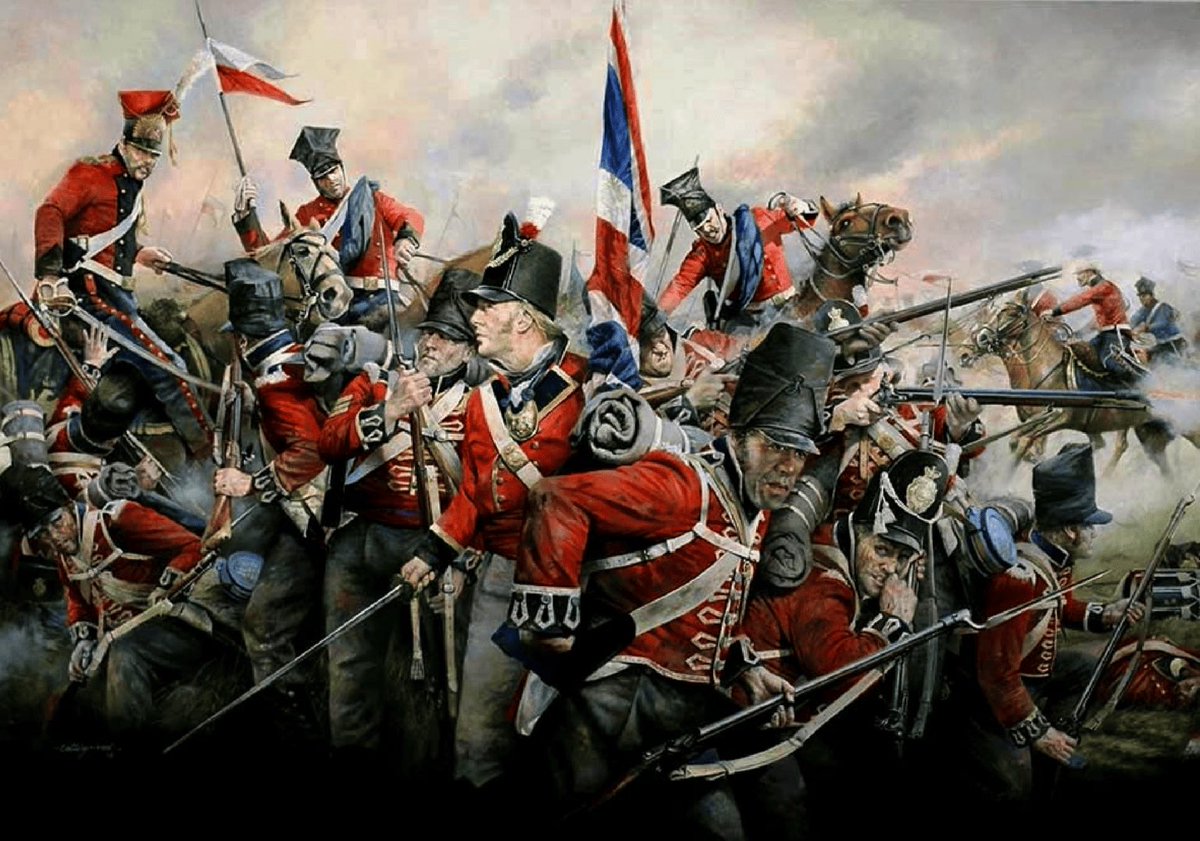
On this day in 1746, Charles Edward Stuart's rebel army is wiped out by British troops on Culloden Moor. The one-hour battle effectively ends the 58-year-old Jacobite movement.
See: https://t.co/v3PblR3soT
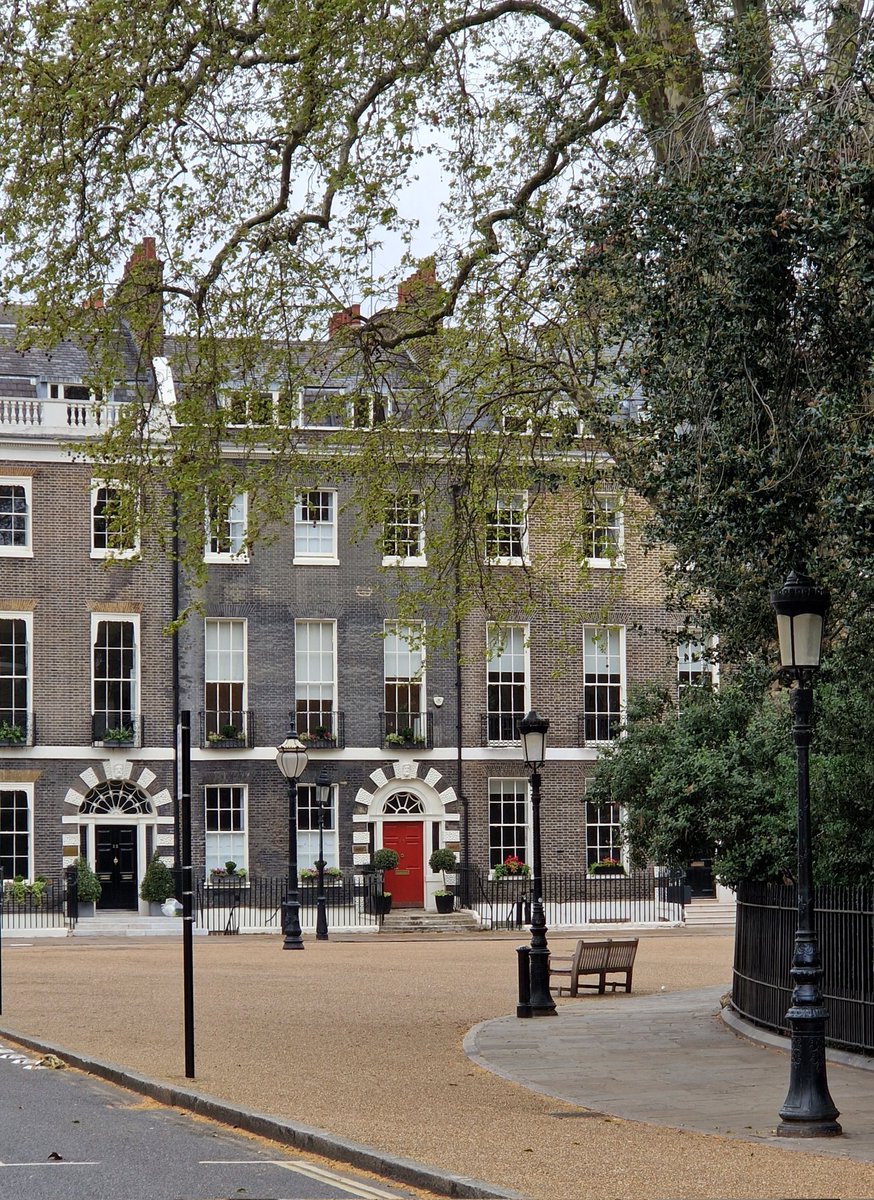
Bedford Square, which was built between 1775 and 1783 (in Georgian England), is a humbling reminder of what most of London could and should look like. ⏳️
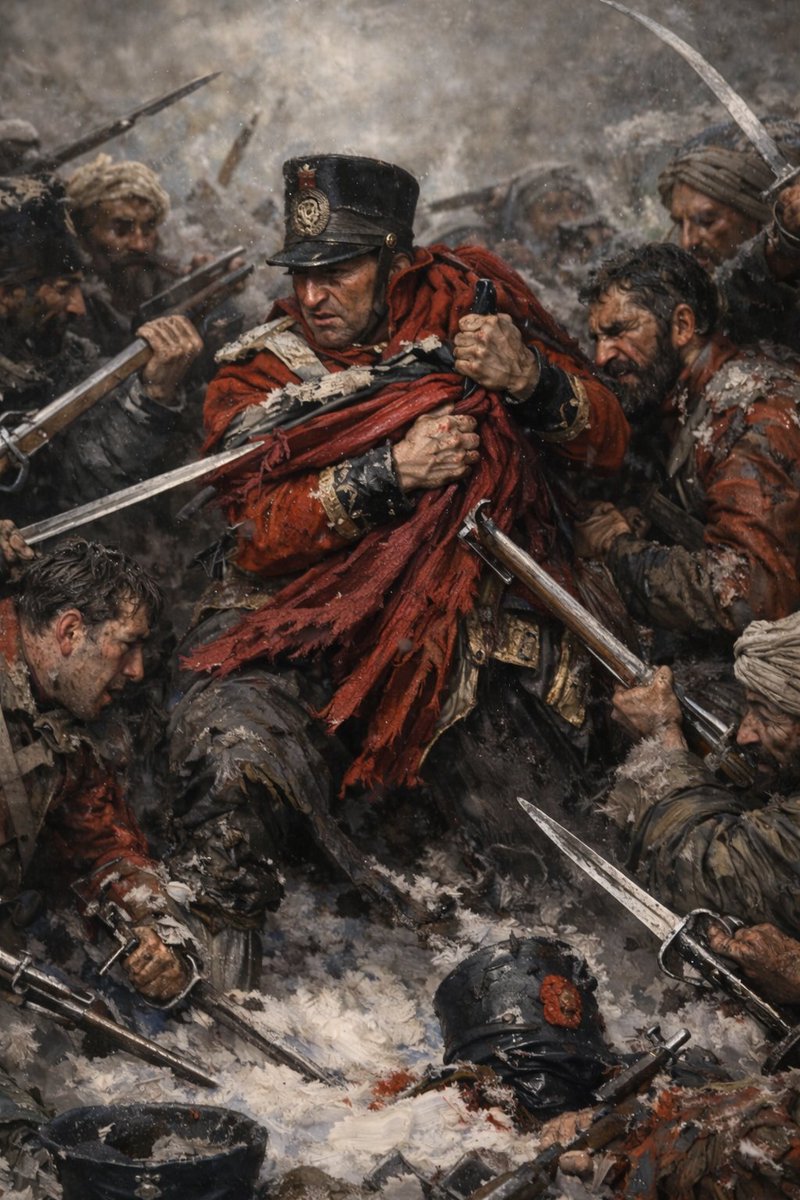
Gandamak, 1842. A shattered column reduced to a final stand, 20 officers and 45 men of the 44th Regiment of Foot, men largely from south-eastern England, surrounded on a snowy hill near the village. Just 20 working muskets, two shots each. The Afghans offered them their lives if they surrendered. A British sergeant answered: not bloody likely. That was the character of the British soldier, steady under pressure, stubborn in the face of death, unwilling to yield. They chose certain death over surrender, fired what they had, then fixed bayonets and fought to the last.
Remember who you come from 🏴 🇬🇧
Sapper Walter Charles Flack, from Fulham, and of The Royal Engineers, died on active service, the day after the Armistice, 12th November 1918.
We laid flowers and paid respects at his final resting place in Fulham Palace Road Cemetery, Fulham
Lest we Forget this brave man 🏴🇬🇧
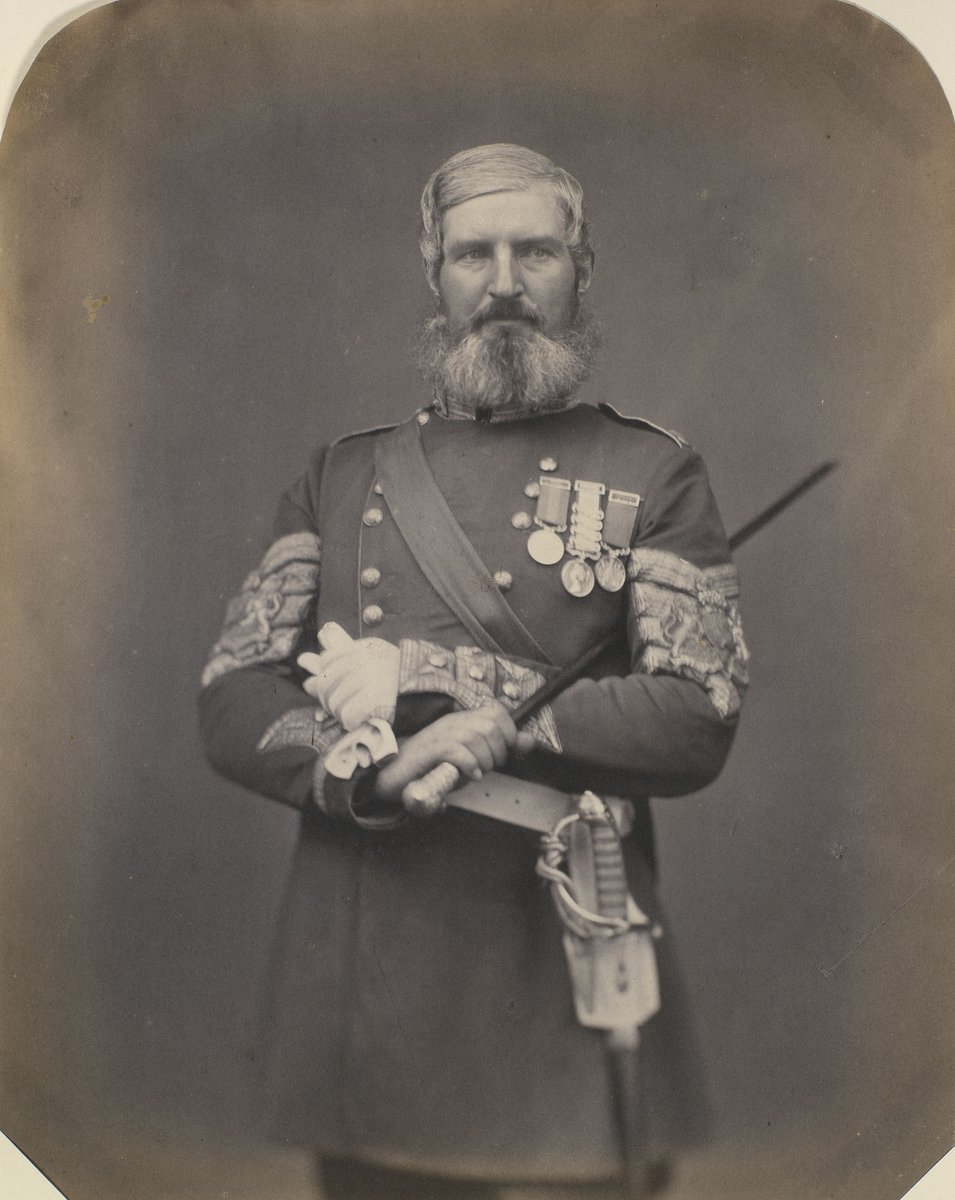
Photograph of Sergeant Major Edwards, 1856 🇬🇧
Sergeant Major Edwards had acted as Drilling Sergeant to the Prince of Wales & Prince Alfred since 1852.
After distinguished service in the Crimean War, which gained him the French Military Medal, he took part in the triumphant march of the Guards Regiments to Buckingham Palace on 9 July 1856, watched by the Queen & Royal Family.
According to Queen Victoria's journal, 'Sergeant Edwards marched proudly at the head of the Regt., carrying a bouquet of roses.' He later became drilling sergeant to the younger royal children.
#britishhistory #britisharmy
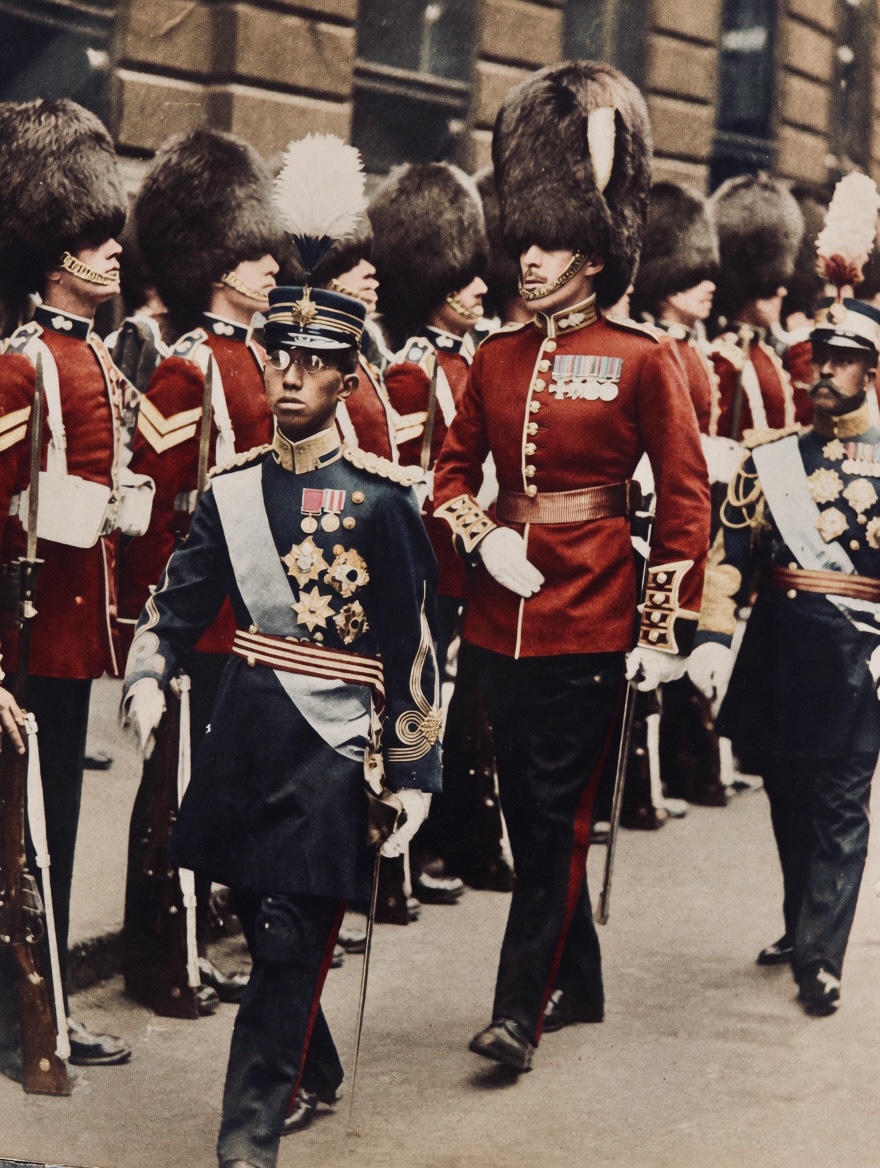
A rare but restored tinted photo of the Crown Prince Hirohito, visiting London in May 1921. He was aged 20. Five years later he would be sitting on the Chrysanthemum Throne. 昭和天皇 # ShōwaTennō
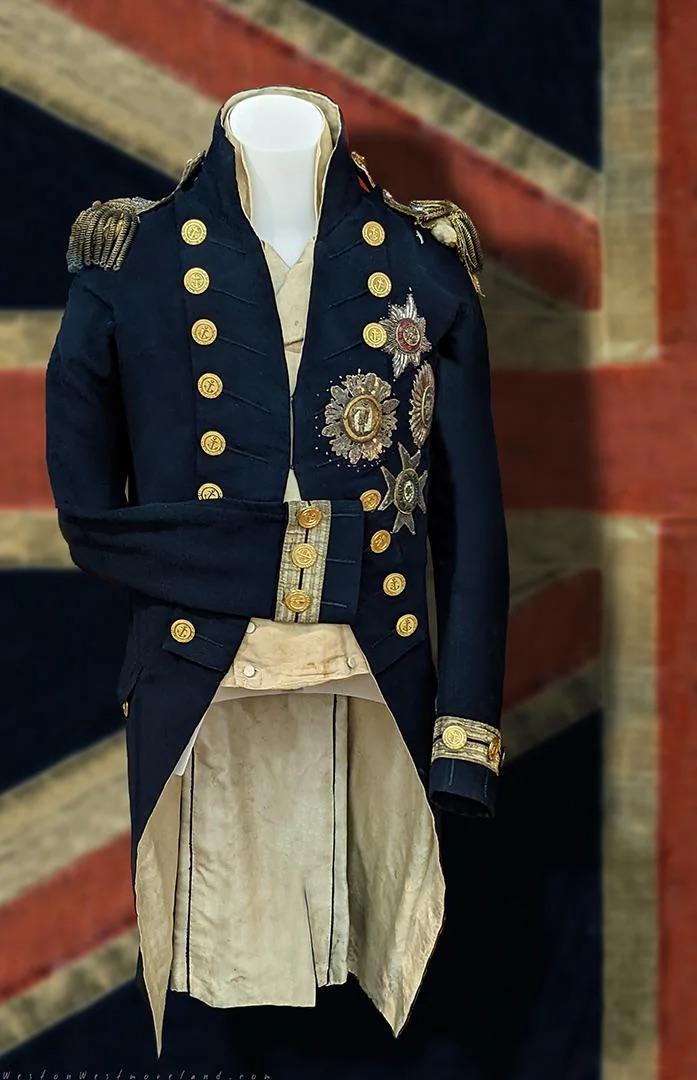
Nelson's Trafalgar Coat. Admiral Nelson was the architect of Britain's triumph at the battle of Trafalgar in 1805, but paid for this victory with his life, dying aboard HMS Victory. The bullet hole from the French sharpshooter who hit Nelson is visible in the left shoulder.