🚨EDR Telemetry website is live! 🥳
I hope this makes it even easier for folks to compare the telemetry of EDR vendors and visualize their visibility gaps 🙂
‣ Website🔗https://t.co/gc5UXmr8ih
‣ GitHub 🔗https://t.co/NNAI4K539x
**Telemetry results reflect the most recent updates from the EDR Telemetry project.
🚀Introducing OpenRelik: Open-source platform for digital forensic investigations. Modular workflows, collaboration, central artifact repository and easily extendable to support new tools in a clean, easy to use interface.
https://t.co/fnkTwtsXDd
📣 Elbsides 2024 supporter and general attendee tickets will be available at 11 am CEST (speakers and sponsors will receive a separate link to book their tickets). Register here: https://t.co/PWPWWSRsWx
Why don't @Google / @MsftSecIntel / @awscloud have public programmatic ways of reporting lost keys? #LeakyKeys have been a problem we have scaled the ability to identify faster than we have the reporting.
Last scan brought in over 3000 parsed keys for Google, @amazon , @stripe , @OpenAI. (These are also providers that have easy ways to identify their keys).
This has been years in the making, literally. @Sebdraven and I are happy to announce the release of #Yeti 2.0 ✨ 🍰 (after we promised an EOM release at @hack_lu last month 😅)
Website: https://t.co/jFRiEUWLIu
Release: https://t.co/5Rlo6pGRWC
mini-🧵👇🏼
🕶️🧐👀🥷🥁A new project by the Security Response team of @Google: https://t.co/fTO9MvhPBa. It fills a gap I have seen for years, asking the same questions in similar investigations across analysts who might have different background and know how. 🕶️🧐👀🥷🥁
The first batch of the conference tickets for #BSidesMunich23 has been released. As usual, tickets are free of charge and limited in number. Be quick before the early bird tickets are gone.
Get your tickets here https://t.co/xhCQ2w4niP
We are happy to announce the publication of the new version of the IRMs (Incident Response Methodologies) resulting from the work of @CertSG with the collaboration of CERT @advens. Feel free to use it! https://t.co/7BOMXJuEnT
#IncidentResponse#CyberSecurity#DFIR
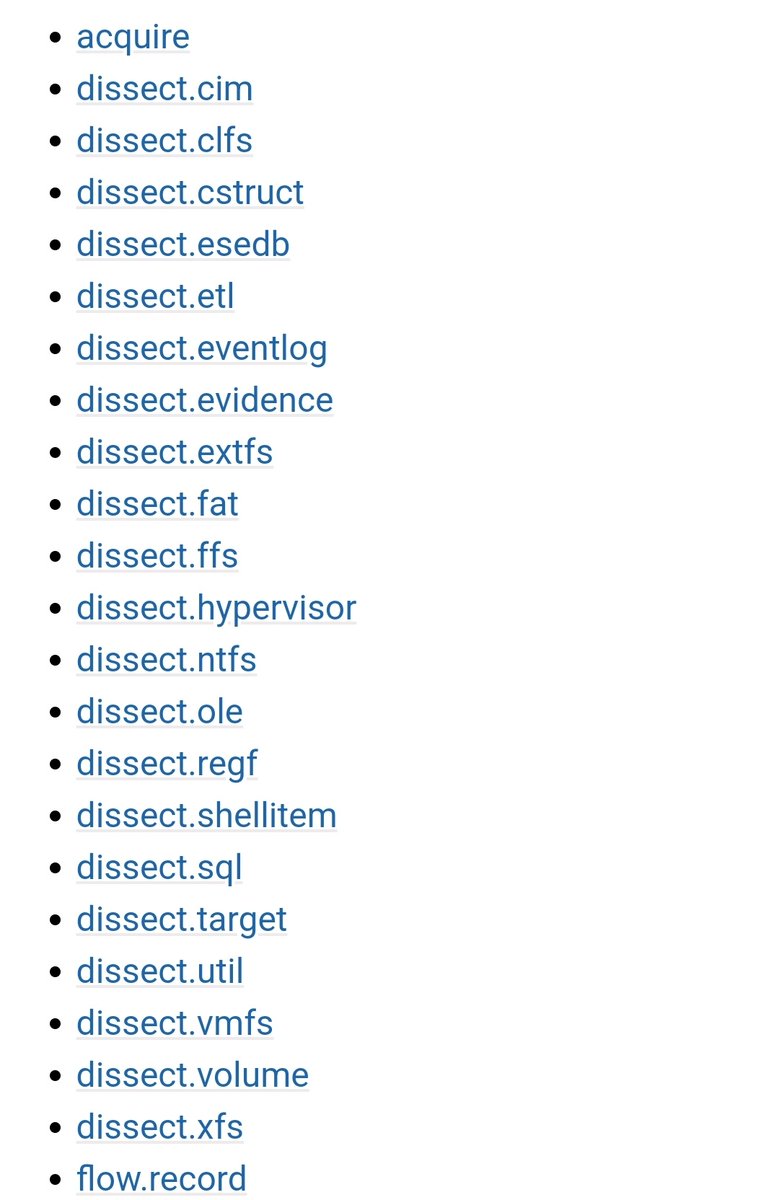
Fox-IT just open sourced their enterprise forensics tooling dissect. This is a big project that some of the smartest people I know have worked on. It supports many filesystems and file formats, all as Python libraries. Docs: https://t.co/M6YAygmW3E / code: https://t.co/HKT4eYIm1a
7th EU ATT&CK Workshop on 1-2 June. https://t.co/Zwwohx3FiF. Updates from @MITREattack, launching @CycatP, exciting news from @sigma_hq and best practices presented by peers. Participation free but registration required. @circl_lu@CERTEU @MITREengenuity
@AlexisBrignoni True, plaso supports some mobile artifacts, but they are not all included in dfvfs. I would like to see a common (public) file format for DFIR cases, but so far each vendor and most of the tools have their own formats.
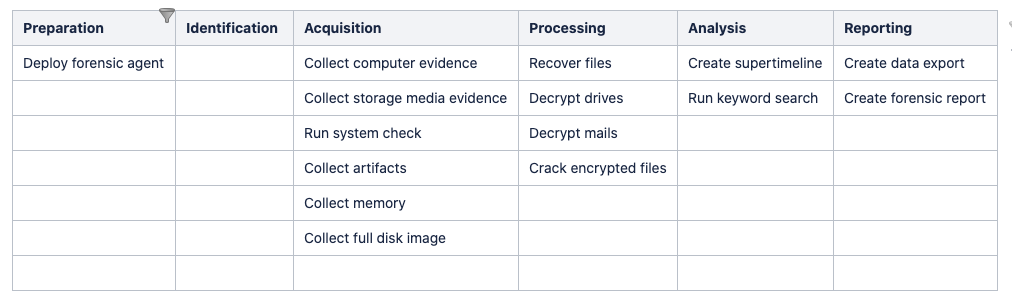
@phillmoore@sansforensics For IR there is https://t.co/WakkNaws8o which structures IR techniques in the same way mitre structures attacker techniques. I started to draft something similar for forensics: