GI Medical Oncologist at BC Cancer, Associate Professor at The University of British Columbia, Senior Investigator at the Canadian Cancer Trials Group (CCTG)
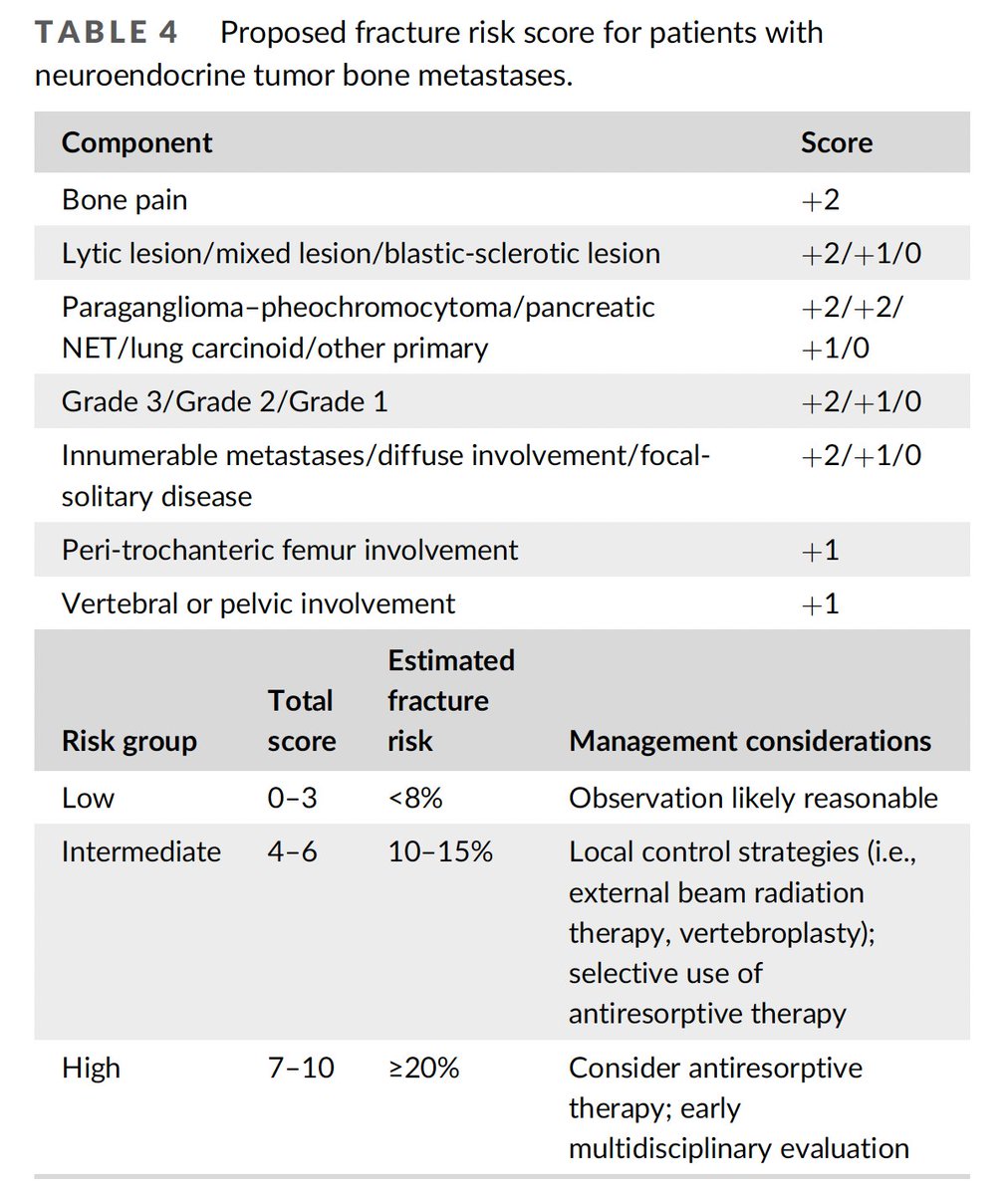
What is the prevalence and risk of skeletal-related events (SREs) in patients with NETs and bone metastases? We all realize that the prevalence of bone mets is much higher in the PET era than it was thought to be in the Octreoscan era owing to the much better sensitivity of SSTR PETs. What is not as well known is the clinical relevance of bone mets.
This study adds to that literature and provides a novel risk score for predicting SREs. A few key findings below:
-- 400 patients, most were asymptomatic (64%), had sclerotic lesions (77%), Krenning 4 (71%), and had >3 sites (69%) of osseous disease
-- A high proportion of patients had osseous metastases at sites with high risk for fracture, including vertebra (82%), pelvis (63%), and peri-trochanteric femur (34%).
-- 13% in the entire cohort suffered a fracture
-- Fracture prevalence was significantly lower in small bowel neuroendocrine tumors (NETs, 7%) and Grades 1 and 2 disease (8% and 9%, respectively), with higher prevalence in pancreatic NETs, paragangliomas/pheochromocytomas, lung carcinoid, and Grade 3 disease (≥20% for each; p-values <.05)
-- Prevalence of osseous metastatic disease approximates 20% in well-differentiated NENs
A different question, yet to be addressed well, is the activity of bone-protecting agents in this population but if we are designing a trial, this risk score sure could be applied.
Excellent work led by Jason Starr at Mayo Clinic Florida.
@sonbol_bassam@PatrickMcGarrah@Meddoc77@TubaKendi@TuckerCoston
https://t.co/HK4lxgkZJh
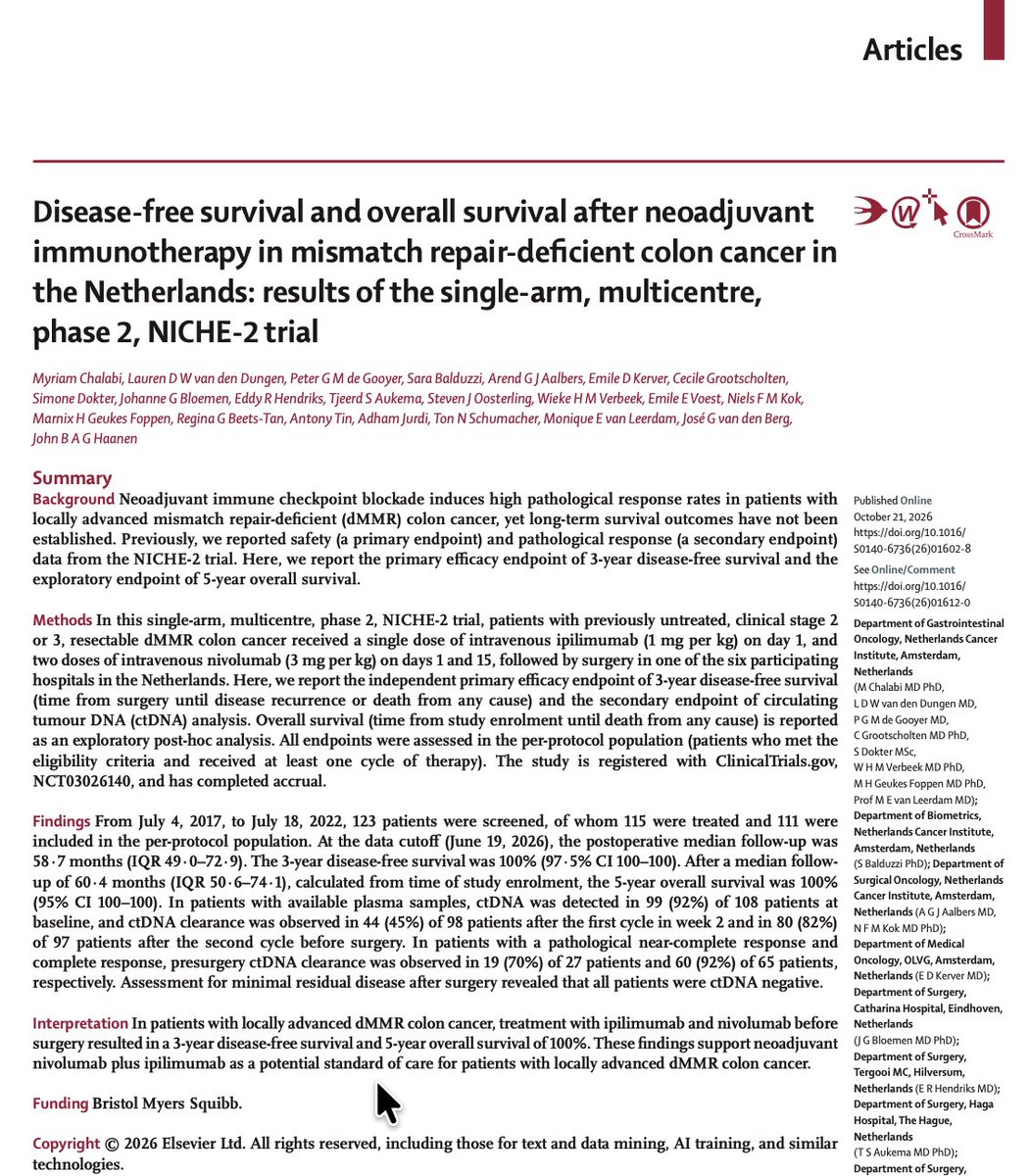
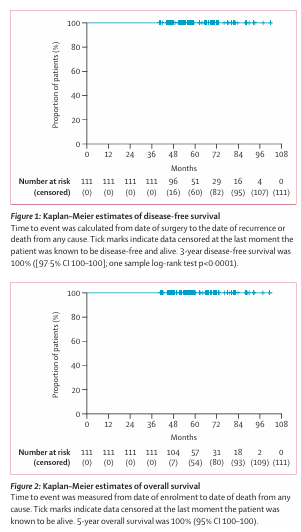
Look at these curves - 🔥 NICHE-2 at five years - Phase 2 (The Lancet)
🎯 Stage II–III dMMR colon cancer, before surgery
💊 Ipilimumab ×1 + nivolumab ×2, then resection
👥 111 per-protocol patients, six Dutch hospitals
✅ 3-year DFS 100% at a median 58.7 mo
✅ 5-year OS 100% (exploratory)
🩸 ctDNA cleared in 80/97 before surgery, all negative after
⚠️ Single-arm, no comparator
The pathological response rates from NICHE-2 were already striking; this is the survival follow-up that tells us they held.
Zero recurrences across 111 patients, after only roughly a month of treatment w/o chemo before surgery.
The comparison that now matters is with *ATOMIC*, which added atezolizumab to adjuvant FOLFOX after surgery: two routes to curing dMMR colon cancer, one of them with six months of chemotherapy and one without.
NICHE-2 is single-arm, so one can say that a randomized comparison is still owed before it replaces surgery-first.
#CRC #dMMR
https://t.co/ZmMKqg6CLF
Published today @TheLancet
NICHE-2: 4 weeks of immunotherapy + surgery ➡️ 100% 3-year DFS and 100% 5-year OS in dMMR colon cancer. Congratulations to @MyriamChalabi et al ⭐️
Pleased to author the editorial commentary with @jonathanloree on these remarkable results and potential
Implications of what comes next.
https://t.co/xjBYJRKaUW
@BCCancer
Tumor-Free Circulating Tumor DNA in Node-Negative Rectal Cancers Undergoing Neoadjuvant Chemotherapy, Excision, and Observation in the Phase II NEO Trial (CO.28). Co-authored by @jonathanloree.
Read the full article. https://t.co/wVY3kUSCXe
Tissue-Free ctDNA Assay in Early-Stage Rectal Cancer: NEO Trial
A new analysis from the phase II CCTG CO.28 NEO trial evaluated a tissue-free epigenomic ctDNA assay in patients with node-negative rectal cancer treated with neoadjuvant chemotherapy followed by transanal excision.
Key findings:
• ctDNA detection decreased from 45.8% before chemotherapy to 8.7% after treatment.
• All 4 patients with detectable postchemotherapy ctDNA were recommended total mesorectal excision, compared with 38.1% of those without detectable ctDNA (P = .03).
• Five recurrences occurred during follow-up, and ctDNA status was not significantly associated with recurrence-free survival.
• The findings support further evaluation of ctDNA as a supplemental tool alongside MRI, endoscopy, and other clinical assessments.
@jonathanloree@caycedomarula@HKennecke@oncodaily
https://t.co/Uw5NzTPL7y
#RectalCancer #ctDNA #OncoDaily
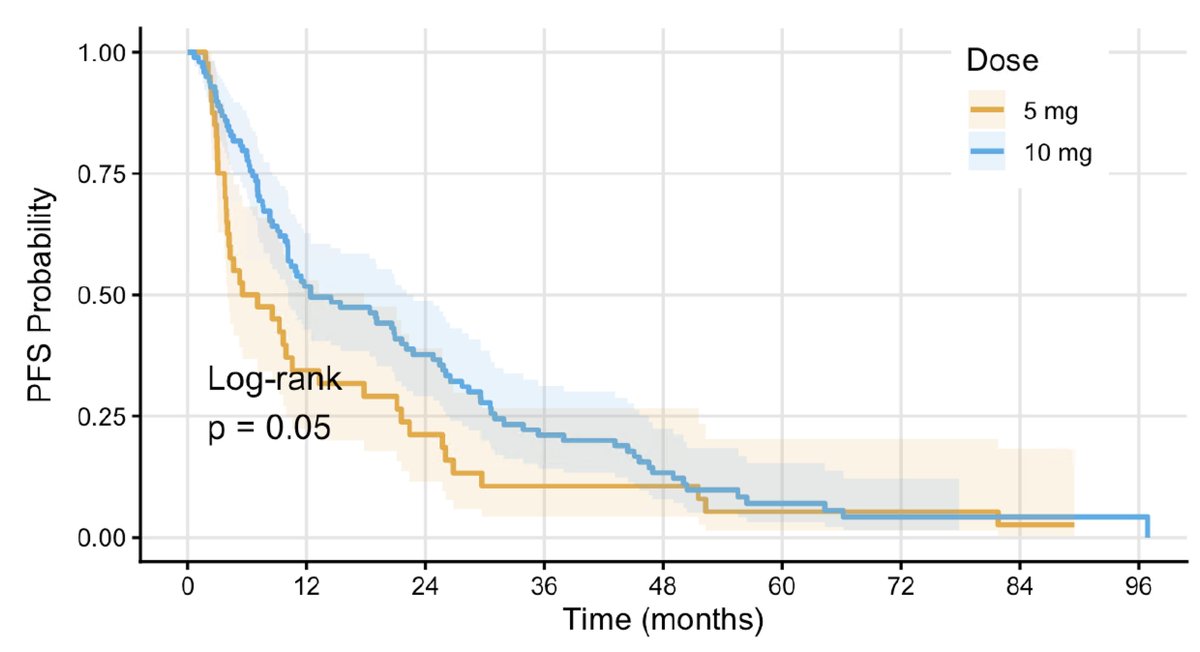
Standard vs. reduced dose of everolimus for patients with advanced NETs...?
A retrospective study of 170 patients from Mayo Clinic and University Hospitals in Cleveland. @sonbol_bassam@Faresjamall@PatrickMcGarrah and others not found on X.
Key findings:
-- Patients in the reduced-dose cohort were older, with worse PS and more heavily pretreated
-- Median OS was shorter in the reduced dose cohort, 43.7 vs. 81.5 months (p=0.02)
-- After multivariate adjustment, the difference was no longer statistically significant
-- Similarly, the observed difference in PFS (7 vs. 12.4 months), was no longer significant after adjusting
-- Almost half of the full-dose starters needed dose reduction
Lower doses may be reasonable in patients expected to have poor tolerance but cannot be routinely recommended. A prospective trial (NCT06472388) is ongoing, led by @RachelRiechelm2
https://t.co/b7pyJ2DMPV
Seriously, let’s find #Exercizumab!🏃♀️
Over a year since the landmark @CDNCancerTrials#CHALLENGE study was published @NEJM …and we can’t seem to implement!
Thanks to @nytimes for keeping this in front of the public and our patients.
It Can Keep Cancer in Remission. Why Is No One Talking About It? https://t.co/F8uRPvpQuy
Have you ever wondered what the outcomes are of patients with small bowel NETs and liver mets following cytoreductive hepatectomy if there is co-existing carcinoid heart disease (CHD)? Are the outcomes different in the CHD population when compared to those without CHD?
As it seems, probably not. In this retrospective study done at Mayo Clinic, the outcomes of 311 patients were analyzed. 163 had nonfunctional NETs, 110 had carcinoid syndrome (CS) and 38 had CS + CHD. Median overall survival after debulking was very similar, 12.5 vs. 9.1 vs 11.4 years.
With optimal cardiac management, cytoreductive hepatectomy in CHD is feasible and provides long-term survival comparable to patients without CHD.
Careful multidisciplinary evaluation and management is key.
https://t.co/cKf5sMPO7S
@MayoCancerCare@MayoClinicSurg
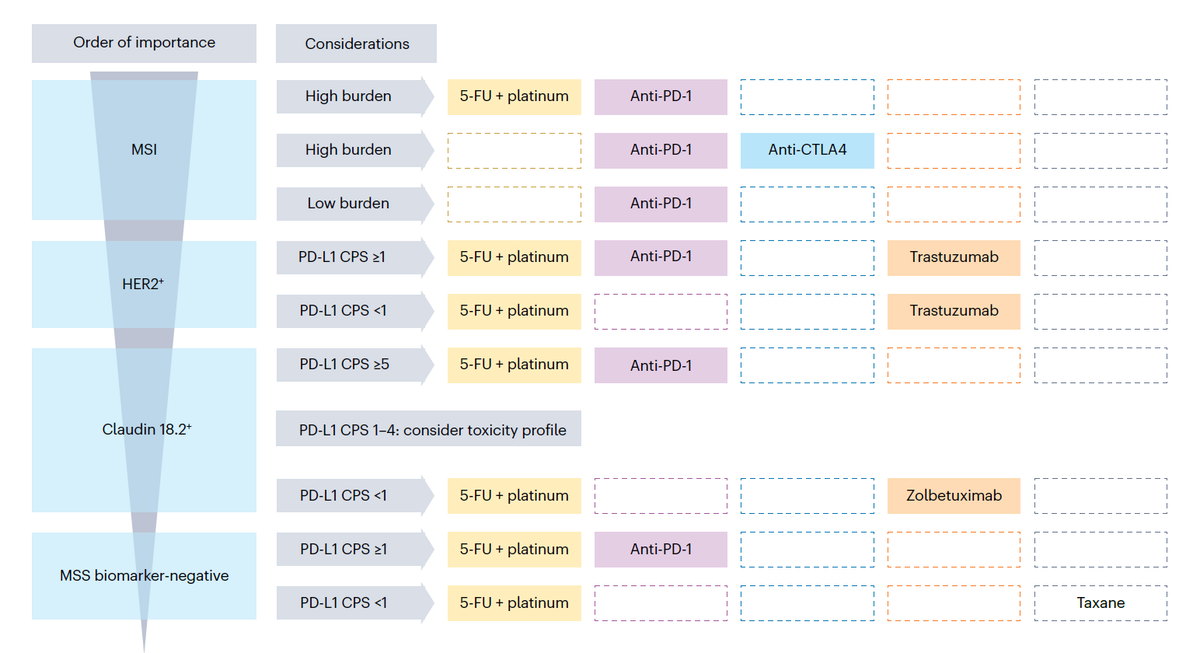
This is an absolutely outstanding review on the management of patients with metastatic gastric cancer.
I may have posted about this review before but it is so good that it deserves another round of applause... Thanks @KlempnerSam@YJanjigianMD@amalsargsyan and all the other co-authors I could not find on X...
Sorry AI, I love you but you are just not there yet. True content experts writing a practical review still beat you easily.
This should be a required read for all who take care of patients with gastric cancer.
https://t.co/5eCIbBwK7G
@GillSharlene@CDNCancerTrials@JeanneTie Great to hear from @JeanneTie and look for new opportunities to work together with @GICancer. Also excited to plan the BATTMAN trials upcoming launch in Australia and New Zealand. Botensilimab plus balstilimab in #mcrc
🌐 BATTMAN trial begins in MSS metastatic colorectal cancer
On April 1, 2026, Agenus announced that the first patient has been enrolled in the phase III BATTMAN trial.
BATTMAN is a global, randomized phase III study evaluating botensilimab + balstilimab vs best supportive care in patients with refractory, unresectable MSS metastatic colorectal cancer.
The trial is being conducted across international sites and represents a potential registrational study in this setting.
@Agenus_Bio@oncodaily@jonathanloree@garo_armen
📎https://t.co/beAJM9r3Zm
#OncoDaily #GIOncology #ColorectalCancer #Immunotherapy #ClinicalTrials
Sharing the final publication and schema! @NANETS1 Guidelines for the diagnosis and management of stage I–III rectal neuroendocrine tumors https://t.co/UDLJ8ZI75f
@OHSUKnight study showed standard dose (35mg/m2 bid) Trifluridine (Lonsurf) wk 1, 3 and 5 of #radiation for stage 2/3 #rectalcancer was safe with TNT. 56% of patients did Watch and Wait.
➡️New option for patients with 5-FU toxicity/contraindications❓
https://t.co/YriIxXipl6
Check out our new @NANETS Guidelines for Stage I-III Rectal NETs! Big updates in:
- staging with MRI & PET Dotatate
- advanced excision for < vs. >10 mm tumors
- management of R1 excision
- surgery
- follow-up
@AmanChauhanMD@OncoThor@FlavioRochaMD
https://t.co/UDLJ8ZI75f
Congrats @RobertoFedrigo on your new manuscript on treatment attrition in NETs! Shows how many patients never reach later lines of therapy. Important context as we interpret NETTER-2 and debate earlier PRRT use.
https://t.co/LYDvp8lli1
#NETs#PRRT#NETTER2#oncology
How would you prefer to be screened for colorectal cancer? 🩺
We’re surveying people to better understand preferences — including whether blood-based tests could reduce barriers. Please retweet &
Share your voice: https://t.co/KYlF6TgWFq
@BCCancer@bccancerfdn@coloncanada