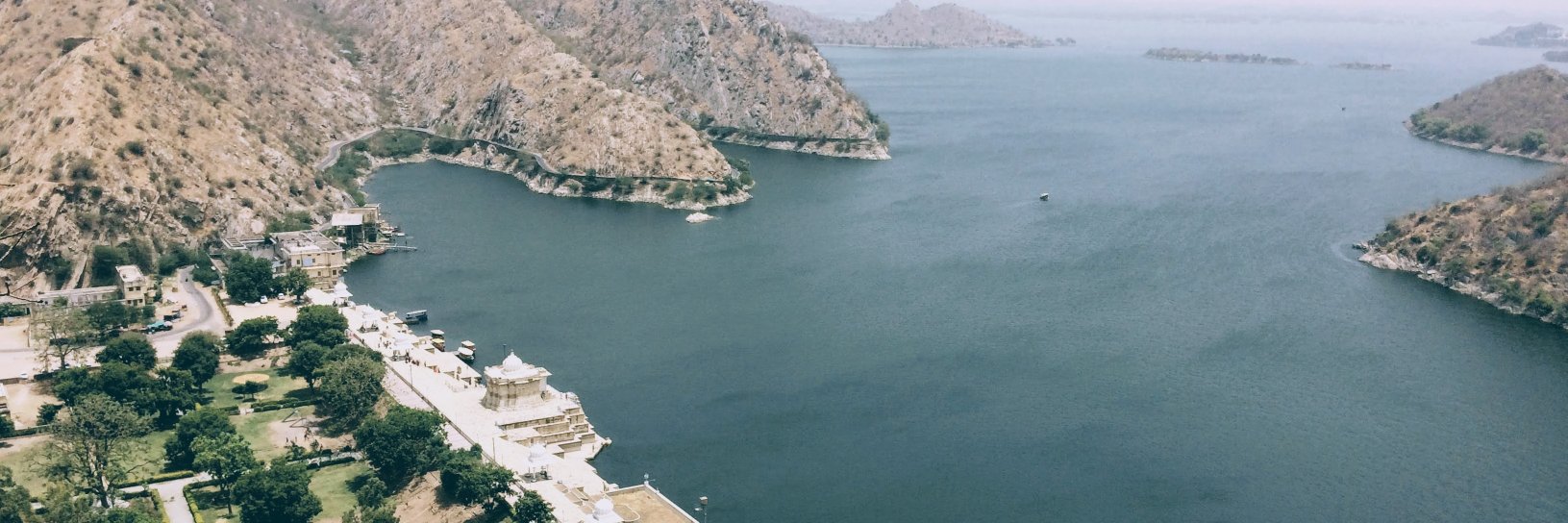
#Nepal#flood looks similar to Feb 7, 2021 Chamoli flood in Uttarakhand, caused by a rock-ice avalanche.
ICIMOD experts too suggest possible rock-ice avalanche. GLOF cannot be ruled out, but it’s time for Himalayan residents to add rock-ice avalanche to our disaster vocabulary.
🚨 KL Rahul: "Sanjiv Goenka's constant questions mentally drained me."🚨
KL Rahul: What I found hardest as an IPL captain was the sheer number of meetings, reviews, and explanations required at the ownership level. It was mentally exhausting. By the end of an IPL season, I felt more mentally and physically drained than after playing 10 months of international cricket. You're constantly being asked why you made certain decisions, why a player was picked, or why the team underperformed. In international cricket, you're answerable to coaches and selectors who understand the game's nuances. No matter what you do or how many boxes you tick, nothing in sport guarantees victory. That's the hardest part to explain to people from a non-sporting background, who often expect every decision to have a guaranteed outcome.
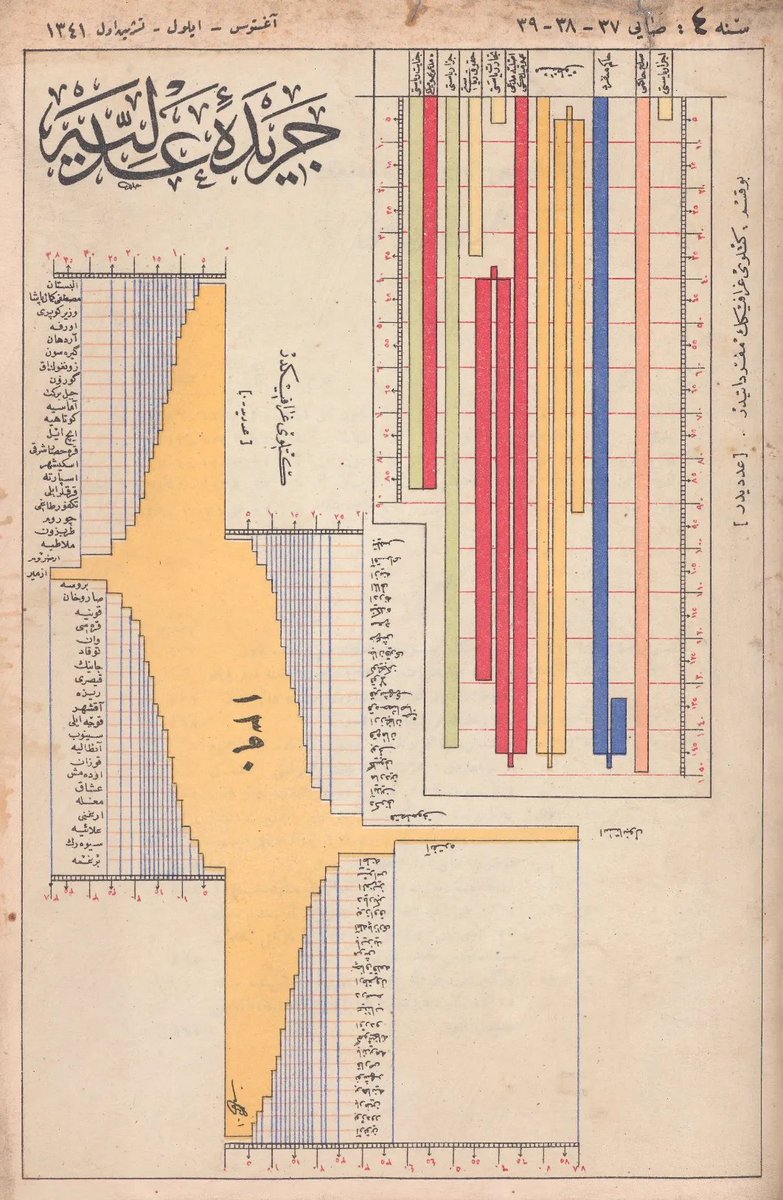
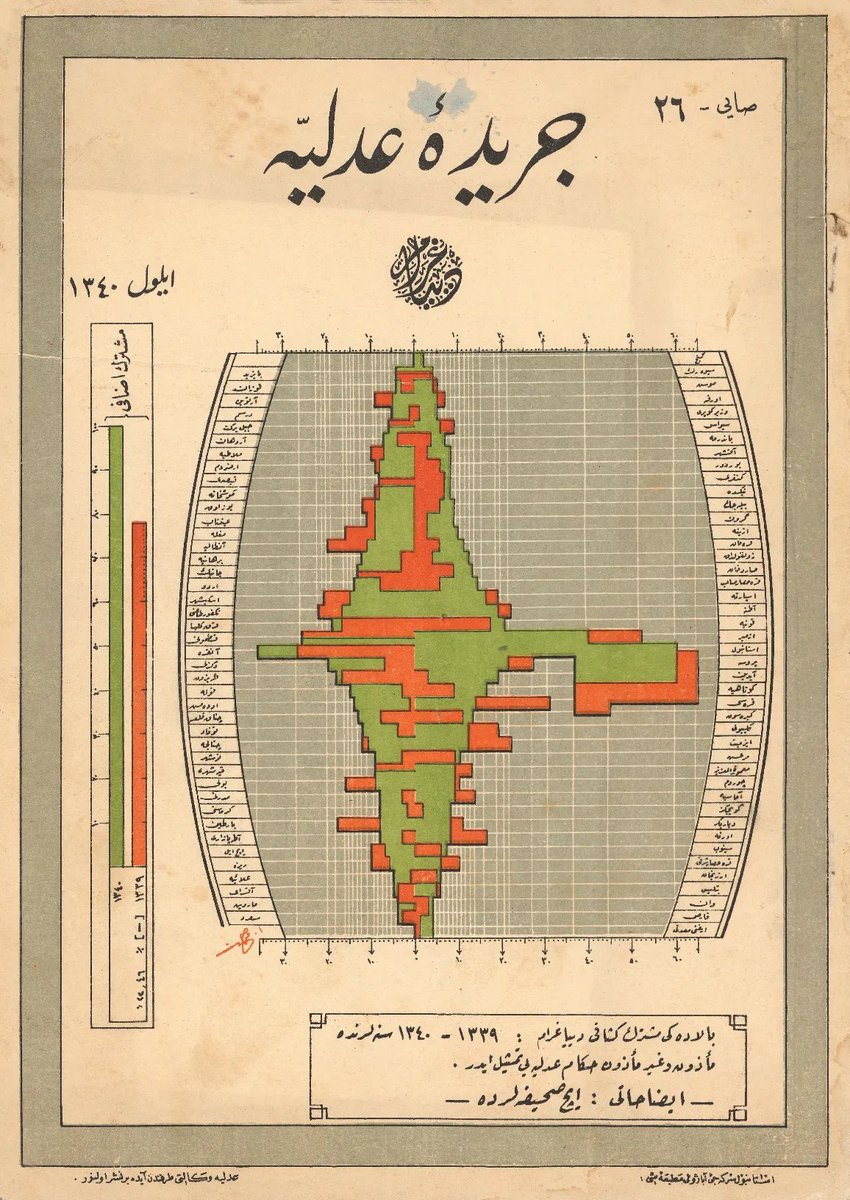
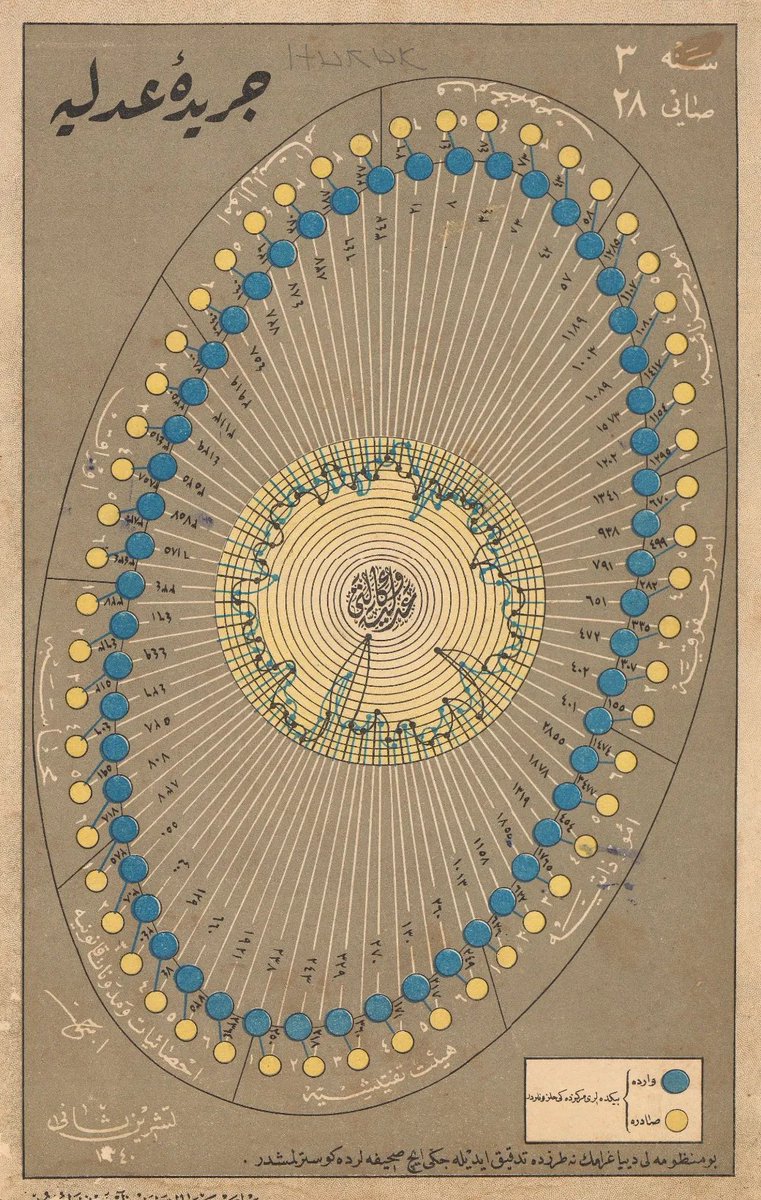
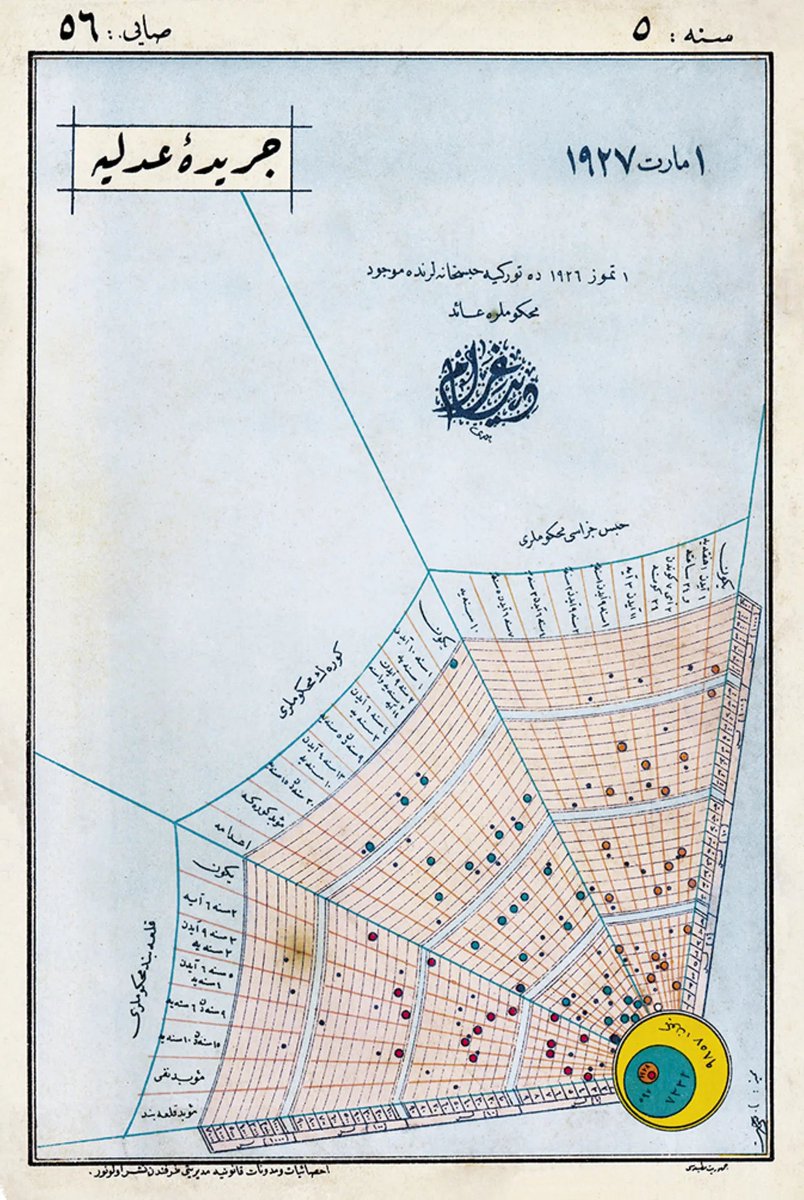
My new obsession: Ottoman-era data visualizations from Cerîde-i Adliyye, “The Justice Gazette,” a Ministry of Justice publication printed in Türkiye in the mid-1920s https://t.co/XfFmJBryJI
India lost 80% of camels since early 1990s, and it may end up translocating camels, in a decade or so, like the cheetah! That would be a great loss, because camels are an insurance against #ClimateCrisis and its milk is a #superfood@livemint Long Story
https://t.co/rTCM0ohv0r
Join the Intersectionality Talk Series for Dalit History Month with Bezwada Wilson, who advocates against manual scavenging in India. Title: Dignity – A core challenge for just futures. Date: 25 April 2025, Time: 3:45 PM https://t.co/lrd4aULwar
WELL Labs & @EnvDefenseFund are conducting a MEL study of @WASSANIndia's groundwater collectivisation programme. In this blog, @viveksgrewal, Abhishek Das & @gopalpenny explore the programme’s approach to groundwater management & its benefits to farmers: https://t.co/AuN3vKDVjV
So, finally the 'India State of Forest Report 2023' by @ForestSurvey is out today in 2 volumes consisting of 796 pages. Some quick observations:
1. India's forest cover stands at 7,15,342.61 km²,ie 21.76% of the geo area. Including tree cover outside recorded forests, this rises to 25.17% (1,12,014.34 km²). While a slight increase is observed since 2021, regional variations are important.
2. India's forests play a vital role in climate change mitigation, storing approximately 7,285.5 Mt of carbon. Soil is the largest reservoir (4,012 Mt), followed by above-ground biomass (2,374.4 Mt), remaining in below-ground mass, deadwood, and litter. This highlights the importance of natural forests over our fantasy of plantations with no focus on undergrowth.
3. Significant declines were seen in M.P. (-612.41 km²), Karnataka (-459.36 km²), & Ladakh (-159.26 km²). Over the last decade (2013-2023), Arunachal (-1,085 km²), Mizoram (-987.7 km²), & Nagaland (-794 km²) have faced the largest losses.
3. Mangrove forests declined by 7.43 km², with Gujarat (-36.39 km², esp Kutch alone -61.14 km²) and Andaman (-4.65 km²) reporting the highest losses. Andhra (+13.01 km²) & Maharashtra (+12.39 km²) showed gains.
4. Forest Fires: Between November '23 and June '24, 34,562.33 km² of forests were affected by fires. Andhra Pradesh (5,287 km²), Maharashtra (4,095 km²), and Telangana (3,983 km²) reported the highest areas. Increases in fire incidents were alarming, especially in Himachal Pradesh (14-fold) and Uttarakhand (4-fold). Districts like Nainital, Garhwal, and Shimla entered the top 20 for forest fires. The significant rise in incidents in these regions raises compelling questions about the underlying causes. Could this be attributed to climate change, monitoring, or something else?
5. B/w 2011-2021, India lost 30,808 km² of open & scrub forests alongside 14,073 km² of moderately dense forests and 1,816 km² of dense forests to "non-forest" uses. The report mentions carbon sequestration potential of 406.05 MT of carbon from these degraded lands but is silent on non-forest uses. . In my understanding, these areas are already home to some of the country’s most significant engineering projects—mines, highways, and strategic developments of national importance—and many are being planned or approved following the latest amendments to the Forest Conservation Act. Yet, despite this acknowledgment, FSI holds up a mirror to our collective failures. Carbon Sequestration Potential or Carbon Sink lost—ultimately, it amounts to the same. The recent amendments to the Forest Conservation Act in 2023 are a disaster and the number is only going to increase significantly in coming years.
6. The Western Ghats lost 58 km² of forest over the last decade. Nilgiris district lost 123 km², while Uttara Kannada gained 160km². The ESA notification is pending since 2013.
7. Agroforestry-related tree cover in urban regions has declined over the last decade. Lakshadweep (-66.56 km²), D&N/Daman and Diu (-36.2 km²), & Delhi (-33.48 km²) are the most affected.
While the report indicates a net gain in national forest cover, this marginal increase masks concerning regional forest losses, particularly in biodiversity-rich areas such as the Western Ghats, North-East, Open Natural Ecosystems, Islands and other natural ecosystems. These findings raise urgent concerns about the effectiveness of current conservation efforts, policies and the government's priorities.
#forest #FSI #environment
We recently co-organised a roundtable with @EnvDefenseFund on 'Systematising Monitoring, Evaluation, and Learning (MEL) in the Water Sector' as part of our efforts to build a MEL toolbox. Here are a few key insights from the discussions: https://t.co/38f23p8zMR
"We need to embrace what this means not just for our relationship with all the water we can’t see, but also for the beautiful, potent land we have the privilege to live with every day."
Ann Hayden on the benefits of a transition to sustainable water use:
https://t.co/NMm42msoVE
In India's drought-prone Bundelkhand region, “Jal Sahelis” — female friends of the water — lead a grassroots movement in water conservation, empowering communities and inspiring national policy changes. My first piece for @devex https://t.co/mRhzSHHEHh
"To be effective, irrigation efficiency needs to be deployed thoughtfully, in combination with other important tools, in the context of a whole local water balance."
My colleague, Ann Hayden, with some clear-eyed reflections on thinking beyond efficiency:https://t.co/cXBZ7SHpwA
@Forrest4Trees Not that irrigation needs to be vilified, but there's certainly room to dedicate more resources to helping farmers transition to profitable crops/land uses that require less water & are more suited to current realities re: precipitation, soil moisture, temperature trends, etc.
Texans, don't let the rain that may be splashing outside your window deceive you, the state has major water issues. Fantastic deep dive from @TexasMonthly today.
Would put in a plug to pay special attention to...
https://t.co/Rr6nxrrWjp
..the piece on thirsty crops by @Forrest4Trees.
Big cities get a lot of attention re: water, but they've each got large teams focused on the issue.
Ag irrigation, despite being the largest water user (& dependent on finite gwater) remains under-seen: https://t.co/mSgfnWuQM7
Every other major inlet is already ringed with refineries, chemical plants, and terminals. But at the tip of Texas, the Rio Grande meets the Gulf between wildlife refuges, a state park, and a majestic wilderness that still shelters endangered wildlife. https://t.co/BOFG9vPfkC
This issue deserves far more attention. Drought & heat are rendering conventional ag nearly untenable in increasingly large patches of the US. Crop insurance has buffered the impact, but that bubble is bursting.
From @DylanBaddour & @alereports:
https://t.co/2IZrnOpEKS
My article today on why the ‘cloud’ is not fuzzy and light but carbon heavy. And why we need carbon disclosures for the supply chain of AI, and tech more generally. “The ugly truth behind ChatGPT: AI is guzzling resources at planet-eating rates” https://t.co/knrTrD6XMF