Doctors should never face career detriment for raising concerns when mothers and babies are at risk. Yet nearly a third of doctors training in maternity services feel hesitant to escalate patient safety concerns.
Read our full response to new warnings: https://t.co/8IztcX1Hgh
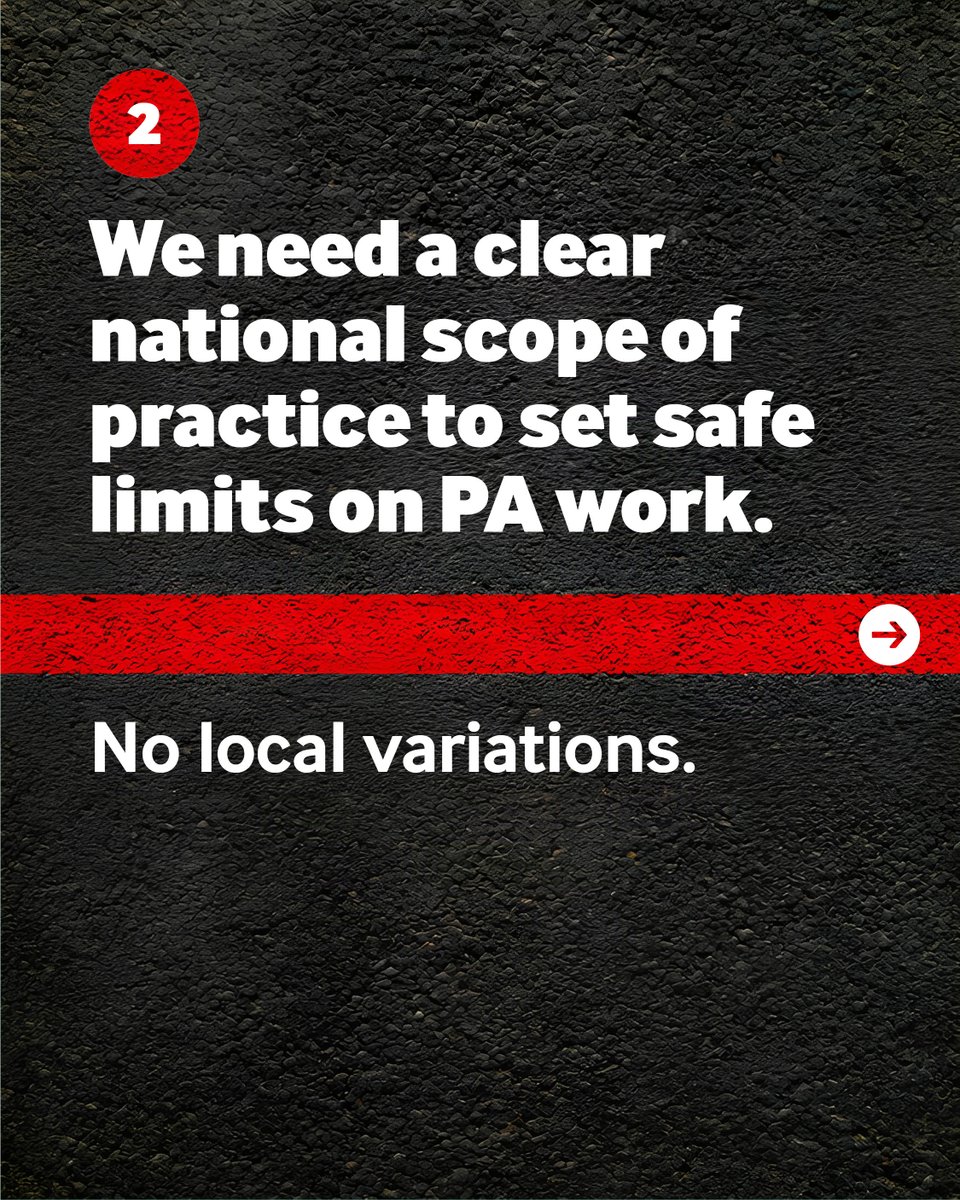
There must be clear limits on the role of physician assistants.
We’ve set out our red lines to protect patients and ensure clear, safe limits on the PA role.
Read our position and have your say: https://t.co/8zxhEFLfaZ
A list of ten oxymorons...
1. Pretty ugly
2. Fairly unjust
3. Kind of mean
4. Charm offensive
5. Awfully good
6. Deafening silence
7. Fun run
8. Government intelligence
9. Jumbo shrimp
10. Microsoft Works
@JamesTitcombe The problem is, the risk of VTE rises 4-fold post-CS compared with physiological birth. The rate of VTE-related maternal death has doubled since 2013.
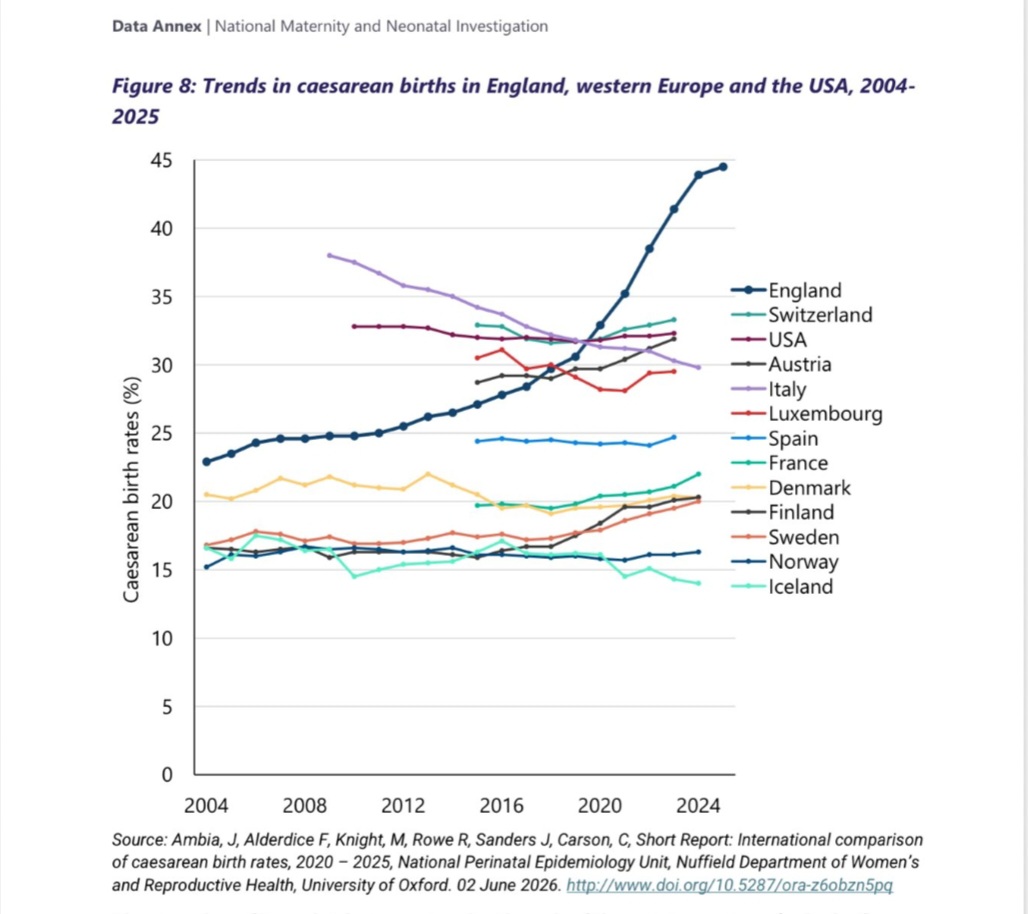
@JamesTitcombe Hi James, the UK is an outlier in CS births without leading on improvements. That is a concern. See Sweden's rates incl HIE. See also consultant obstetrician Professor Andrew Weeks' comments elsewhere. Thanks
@valhumphreys51@KayFSheldon How to reduce caesarean sections without reducing choice - the answer has to be in better quality antenatal education. The informed choice part is often why it's difficult to compare healthcare safety with aviation and other industries.
Why is there no statutory ratio for babies on the PN ward? This means the baby is treated as an extension of the mother and midwives are caring for double the number of individuals, e.g. 16 instead of 8.
Please make day to day staffing safer @YvetteCooperMP#CountEachBaby
@jfdwolff@Puddleglim@DrNeilStone Yes, and subsequent doses can be missed, which is why the one-off IM injection is recommended, but parents do have the choice.
Consultants are working under unsustainable pressure.
Long hours and excessive workloads are putting doctors at risk of burnout and making it harder to provide the care patients need.
Consultants need the option of a shorter working week. The Government must act.
@JamesTitcombe Risk assessment can be complex. So important that women access maternity services working hard to provide safe care. Media & other online comments sometimes not helpful for women & families needing expert support & advice.
An axis for VTE-related maternal deaths over corresponding years might look like this. Doubled since 2013. MBRRACE data 3-yrly.
Previous study suggests 19% CS ceiling rate to reduce spike in CS-related mat deaths + low HIE rate.
https://t.co/k4eDJt0Fti
“Here is the tragic irony. What has eroded women’s trust in maternity care is the fear that if something goes wrong, they or their baby could come to harm in a system that has too often prioritised achieving a ‘normal birth’ over a safe outcome. That is not irrational anxiety. It is a rational choice”
https://t.co/7967crILzK
@JamesTitcombe The problem is, the risk of VTE rises 4-fold post-CS compared with physiological birth. The rate of VTE-related maternal death has doubled since 2013.
NHS commissioners in @BlackCountryICS increased uptake in childhood immunisations from 64.4% to 76.8%.
Learn how they utilised a NICE quality standard to communicate with families in their first language.
https://t.co/sgVs778PzK
#WorldImmunisationDay
@valhumphreys51@KayFSheldon How to reduce caesarean sections without reducing choice - the answer has to be in better quality antenatal education. The informed choice part is often why it's difficult to compare healthcare safety with aviation and other industries.