A mark of India-Nepal military ties 🇮🇳🇳🇵
Indian Army Chief General Dhiraj Seth has been conferred the honorary rank of General of the Nepali Army. The honour reflects the longstanding military relationship and close bonds between the two neighbouring nations, highlighting their tradition of mutual respect and cooperation. 🤝
#GeneralDhirajSeth #IndianArmy #NepaliArmy #IndiaNepal #Defence #Proud
Dirac was 31 when he shared the 1933 Nobel Prize in Physics with Schrödinger, making him the youngest theoretical physicist to win the prize at that time.
He initially considered declining it because he disliked publicity, until Ernest Rutherford pointed out that refusing would generate even more publicity.
Noriaki Suzuki’s Toki no Tabibito (“Time Traveler”) is one of those sculptures that looks different the longer you stare at it. Two human figures seem to be breaking apart into horizontal lines, as if their bodies are being pulled through time. Placed near the historic meeting point of the Tokaido and Nakasendo routes, the idea feels especially fitting.
I like that it doesn’t literally show time—it makes you imagine what time might look like if a human body could pass through it.
In 1966, French President Charles de Gaulle ordered all foreign military forces, including U.S. troops, to leave French territory. That decision pushed France out of NATO’s integrated military command and set off a major Cold War shift in Europe.
The United States carried out the withdrawal in an orderly way, but the move still forced American bases and personnel to leave France by the deadline. It also led to NATO headquarters being moved out of Paris and into Brussels.
One of the most memorable stories from the period involves U.S. Secretary of State Dean Rusk asking de Gaulle whether the order applied to American soldiers buried in military cemeteries in France. According to the anecdote, de Gaulle did not reply, and the moment has often been remembered as a sharp example of how sensitive the issue was.
#drthehistories
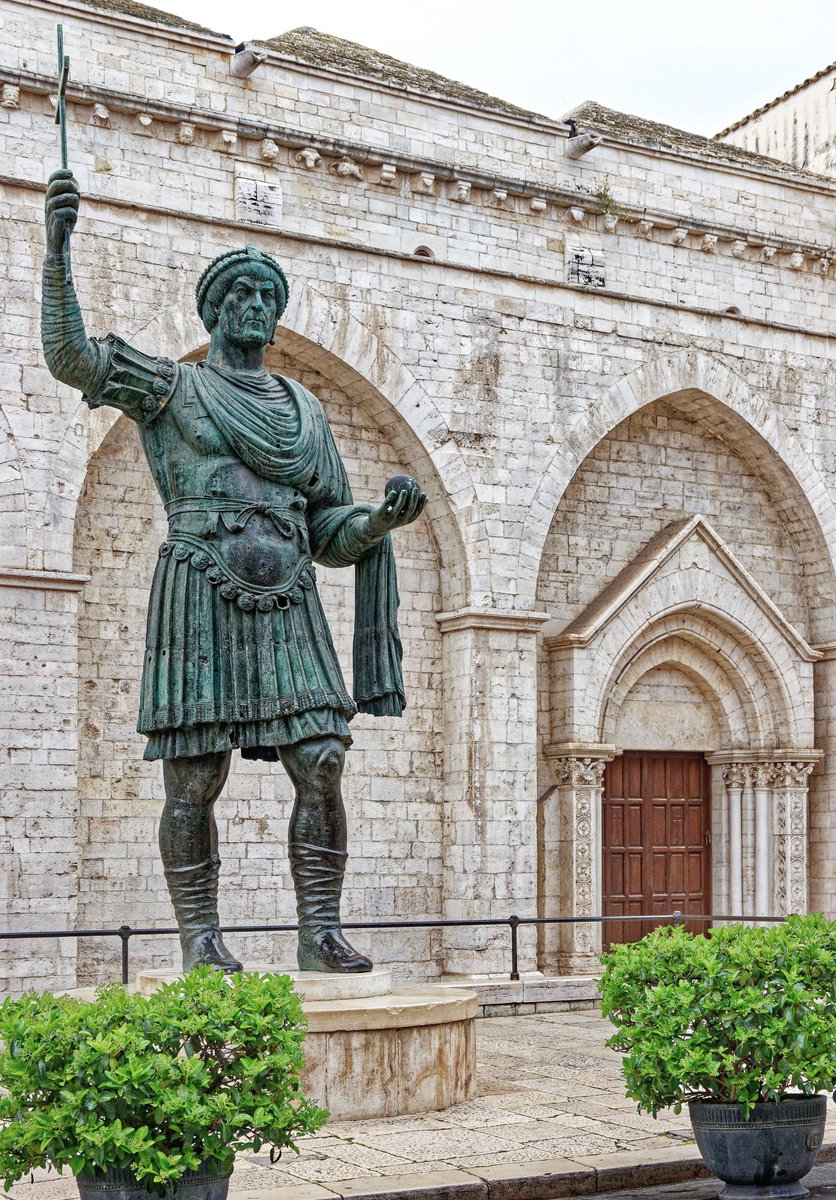
One of the rarest statues depicting a Roman emperor.
Bundled with a fascinating tale. This truly colossal statue was looted from Constantinople in ignominious sack of 1204. However, en-route to Venice, the ship was hit by a storm, and the statue was somehow tossed overboard.
Then, months or years (?) later it washed ashore in a town of Barletta, where it still stands today.
The statue is believed to represent emperor Valentinian I or II, Theodosius II or Marcian. A rare and fascinating statue indeed!
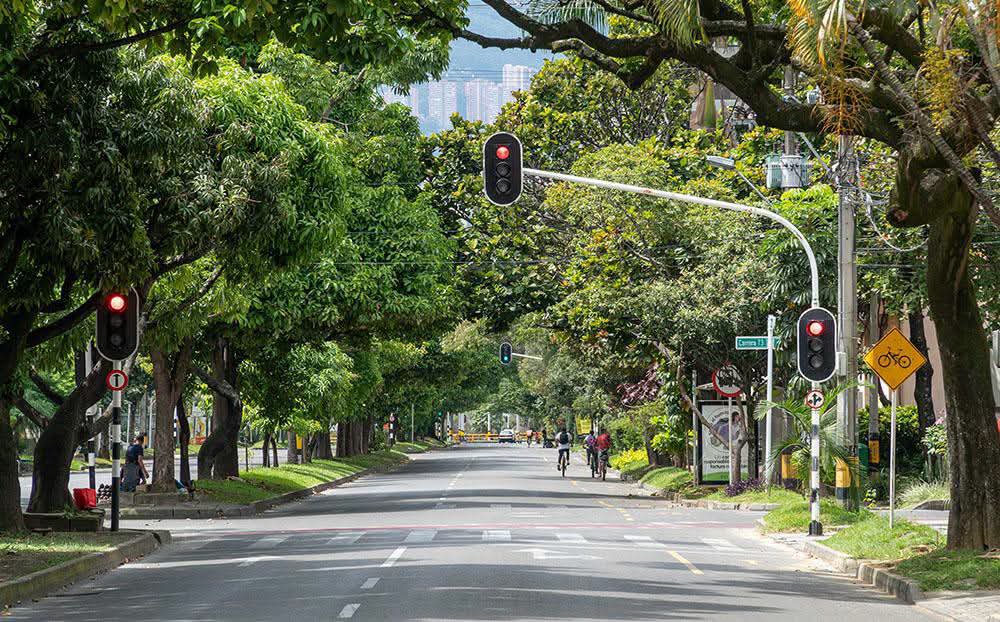
Colombia reduced temperatures by 5°C by planting 880,000 trees along the streets of its cities...
Rather than relying solely on air conditioning or expensive infrastructure, Colombian cities invested in one of nature's most effective cooling systems. Hundreds of thousands of trees were planted along streets, parks, and public spaces to combat the urban heat island effect. Their shade keeps pavement and buildings from absorbing as much solar heat, while evapotranspiration naturally cools the surrounding air.
Medellín became the flagship of this movement through its Green Corridors initiative. Once known for scorching asphalt and concrete, many of the city's busiest roads were transformed into lush, tree lined avenues. Researchers recorded temperature reductions of up to 5°C in some of these newly greened areas, creating more comfortable neighborhoods while improving air quality and supporting local wildlife.
The success of the project has inspired cities around the world to consider urban forests as an affordable tool for adapting to a warming climate.
Medellín's Green Corridors program received the 2019 Ashden Award for Cooling by Nature and is widely studied as one of the world's leading examples of using urban trees to reduce heat while improving public health.
#drthehistories
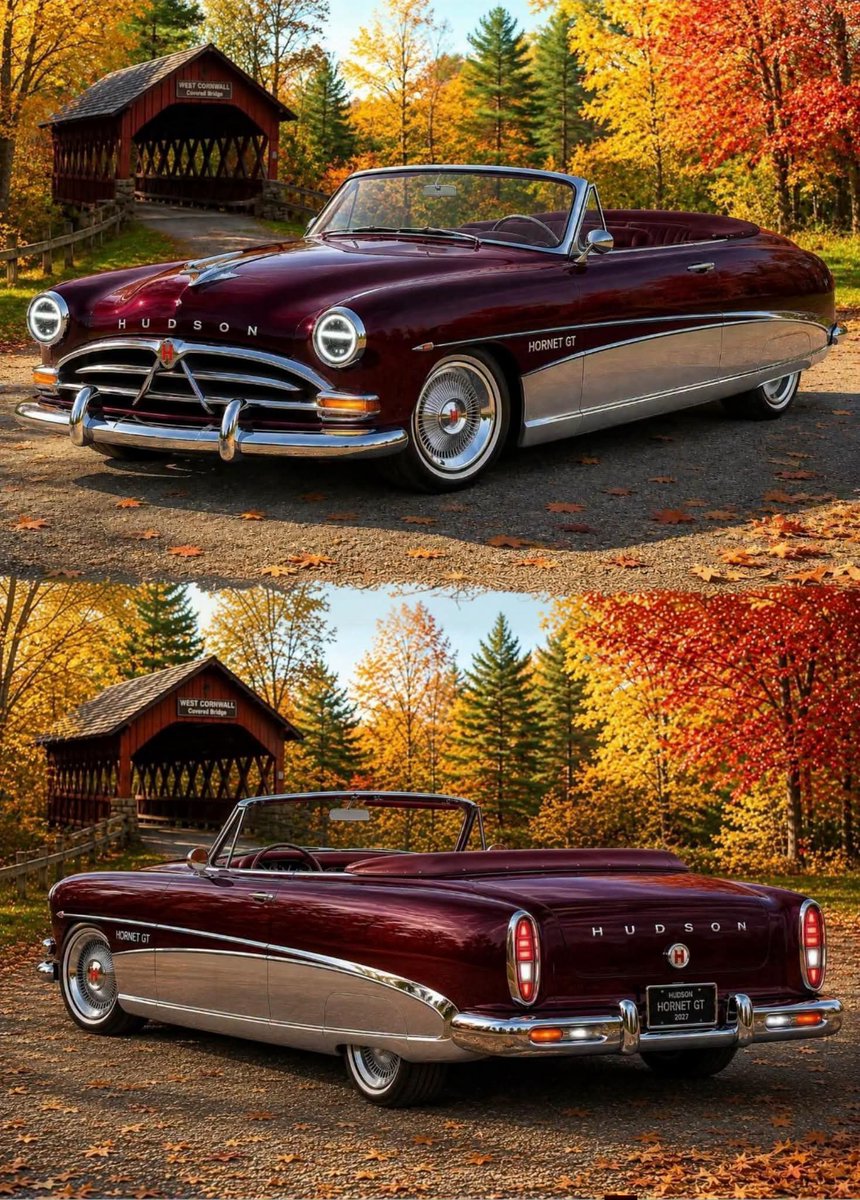
The 1951 Hudson Hornet Convertible Brougham is a classic American car. It utilized Hudson's revolutionary monobilt integrated body and frame construction. Passengers stepped down into a floor nestled inside the frame rails rather than sitting on top of them, creating an incredibly low center of gravity and excellent handling. It is powered by Hudson's legendary 308 cubic inch high compression inline six engine. This platform went on to dominate early NASCAR stock car racing from 1951 to 1954.
The Convertible Brougham was an exclusive luxury variant. Out of over 131,000 total Hudsons built in 1951, only 2,257 units were built in this configuration. It featured deep pleated maroon leather upholstery, a symmetrically designed dash with large circular chrome gauges, and heavily padded seats built for living room like comfort.
A car that is still turning heads....
#archaeohistories