1) Casio $6952.T with a monster quarter & upped guide. Sales +20%, GP +45%, OP +244% or +187% ex-tariff rebate. Timepiece segment very strong (sales +29%, OP +177%) though all segments much better...
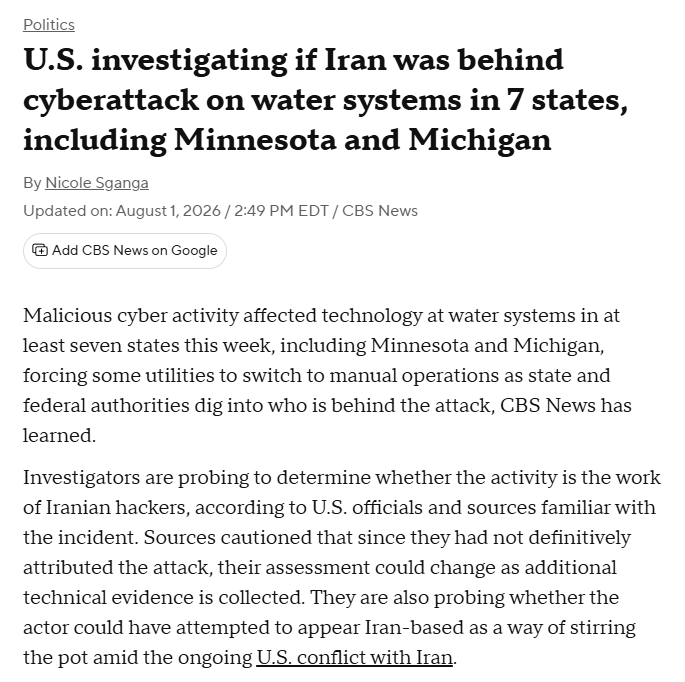
Interesting news. Water and wastewater utilities in the US need to be run manually for a week due to hackers infiltrating 'programmable logic controllers' (PLCs). $6652.T IDEC is a ��🇵 leader in PLCs. Major security upgrades likely needed in the coming years.
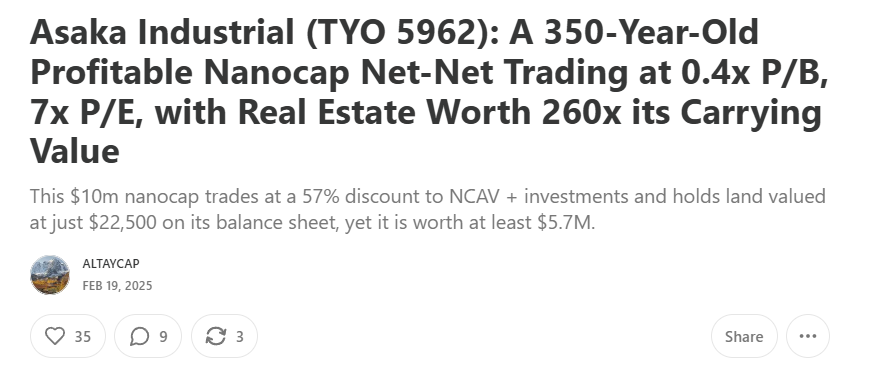
@jpbizmodel Wrote this one up. It's stupid cheap and has done at least 1 pro shareholder thing which was the special dividend after one of their securities received a tender offer. 2.4% ish dividend while we wait. But a stock like this can go nowhere for a very long time. I own it though.
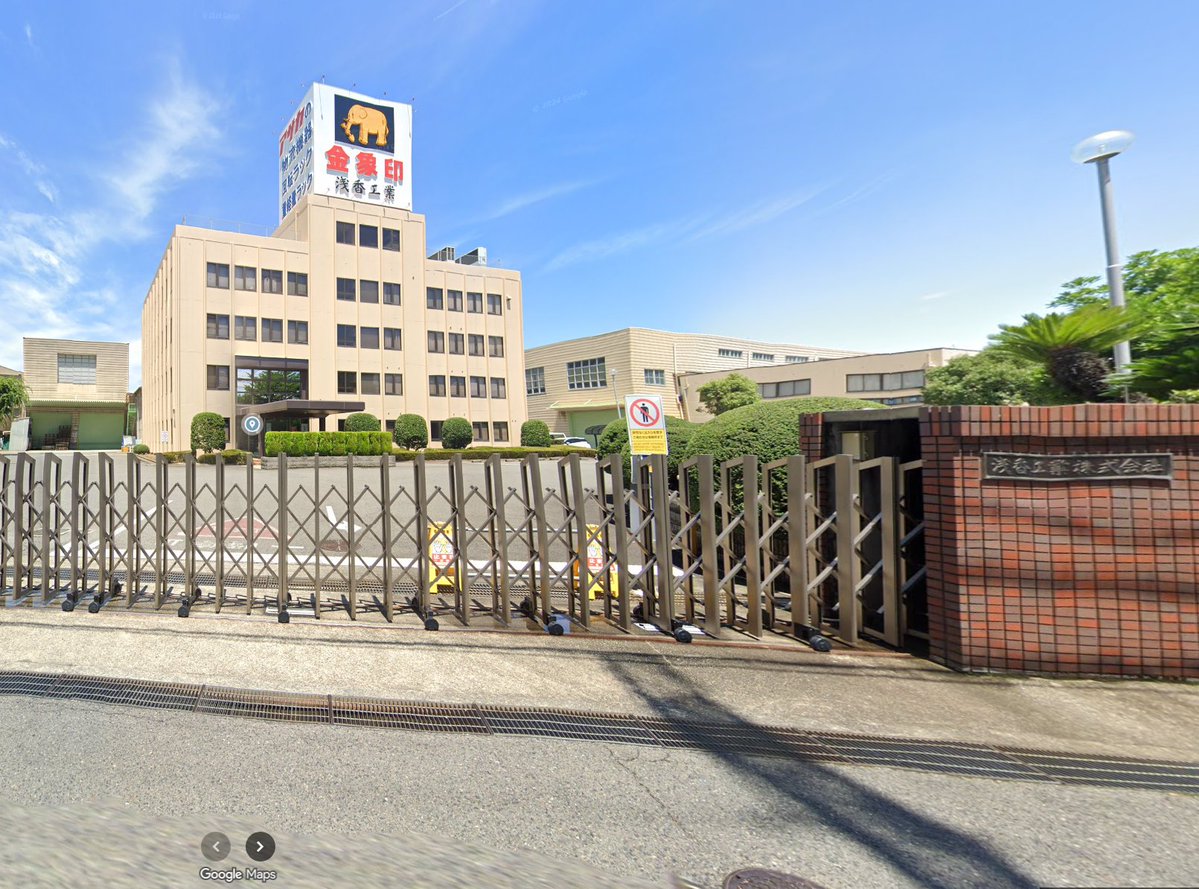
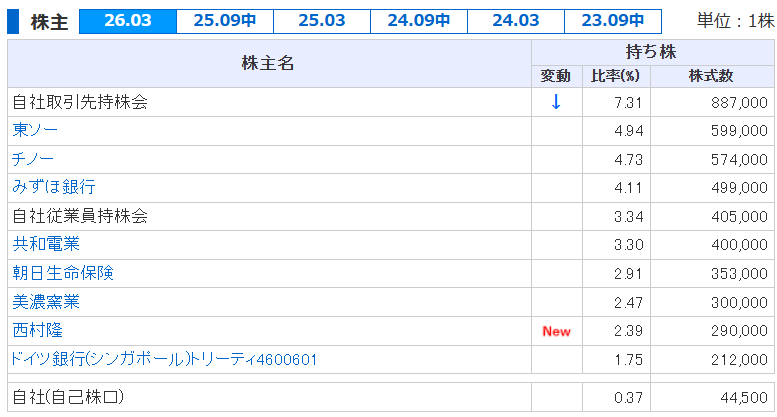
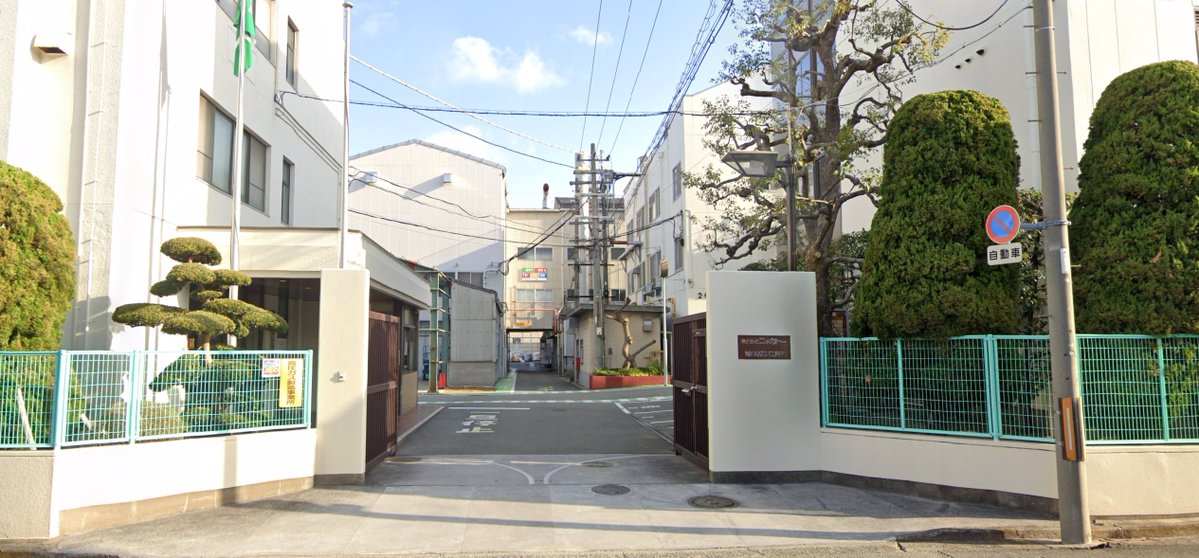
Another one right near Nikkato. No controlling shareholder - biggest one is IB at 4.34%. 0.4x book and land booked at cost. Free money in the same neighborhood. It's like people 50 yrs ago happened to drop their wallets in the same area. $5962.T.
Just had a nightmare. Everything was the same, except people were back to valuing memory stocks on a multiple of book value.
Too scared to go back to sleep now.
Net cash + investment securities = 27.5% of mcap. Mgmt says they'll reduce cross-holdings, but hasn't stated magnitude or timeline. Underlying business is solid, and trading near its floor imv. All we need is an inflection in cash allocation. Full writeup: https://t.co/gGpntFJs5a
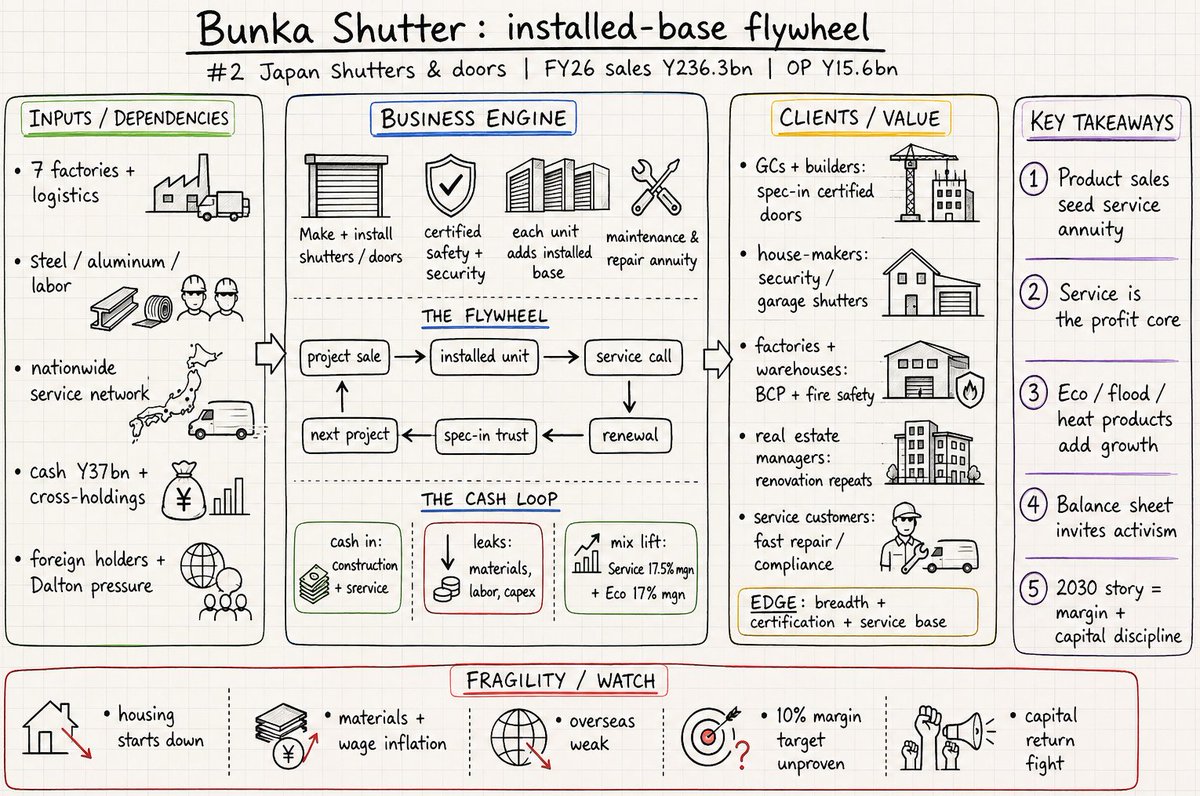
Bunka Shutter $5930.T (¥138bn mcap, 1.15x pb, 6.5x fwd ev/ebit, activist pressure from Dalton/NAVF) - 2nd largest shutter & steel door maker in Japan. Earns maintenance annuities w/ 17.5% OP margin on steady installed base. Down 28% from peak due to poison pill against activists.
Kiritani-san (net worth now 700m yen) was featured on the Japanese TV program "Yofukashi" last night where he revealed he was recently diagnosed with both colon and prostate cancer. He underwent surgery for his colon cancer but his treatment for prostate cancer is still on hold while he continues to recover from his colon cancer surgery.
I am hoping that the king of Japanese retail investors still has many years ahead of him!
https://t.co/cUcR85hQHM
$9274 KPP Group HD (¥67.8bn mcap, 0.8x pb, 3.7% DY) - Japan's largest paper distributor. Buys from Oji and Nippon Paper, and sells to printer & packaging cos. Net debt of ¥84.1bn, partly to acquire Antalis in Europe, Spicers in APAC - now 50%+ of group revs come from overseas.
Oji HD, KPP's largest shareholder and supplier, reduced its stake from 18% to 15.2%. KPP has no founder controlling the company. By my estimation, shares are overvalued, but I think buyers are baking in 'control premium' - i.e. the co will be 'up for grabs' as OJI exits.
A rare report of an appraisal-rights case win!
Oasis succeeded in its case against Shidax, with the court revising the acquisition price up from 800 yen per share to 950 (per Reuters).
Appraisal rights cases in Japan are typically difficult to win, because the courts give a high degree of deference to directors' business judgment.
In practice, this means that so long as a proper process is followed in a deal situation, the court will not enquire into the appropriateness of the price.
In the case of Shidax, proper process may not have been followed.
Unfortunately, the details of appraisal rights court decisions are not made public, so it is difficult to assess exactly where the process was deficient.
The leadup to the deal was covered well in an opinion editorial for Nikkei Asia by @SBGivens100 (link to the article in the comments).
If successful, appraisal rights cases can be very lucrative for hedge funds.
They can buy a large position in a stock using the liquidity created by the deal.
When the deal closes, they will generally be squeezed out, and thus paid out by the acquiror, so receive all their cash back.
But, they retain the appraisal rights claim, with only the costs of legal fees to be borne.
For say a $100m position, a 10% uplift in deal price represents a $10m return, less some legal fees. But the holding period may only be 3-6mths, so the annualised return can look very solid.
Plus there may be optionality on receiving a competing bid, or successfully pushing for a higher price prior to the deal closing.