The first paper resulting from my Master's thesis is finally out. We describe and discuss the carnivore population trends in Doñana National Park between 2005-2019 as an example of long-term monitoring showing differences among species trends.
https://t.co/Ma9gyfsUS6
🚨Job alert🚨
Our Conservation Technology group is growing!
We are currently hiring a fully funded doctoral student (4 yrs) with a large focus on passive acoustic monitoring of birds and bats, and a 2 yr postdoc focussing on camera trapping, satellite remote sensing and AI.
New paper out! 🚨 We show that vampire bats use amino acids from a recent blood meal to fuel RUNNING - a rare mode of locomotion in bats ideal for stalking prey. I’d worry less about your neck and more about your ankles! 🧛🏻♂️ @WelchLab_UTSC@RSocPublishing
https://t.co/4H5dg7TsNK
A few more days to apply. In case you are doubting if you should apply: We are a growing department working on wildlife conservation and sustainable wildlife management. There are great funding opportunities to work on wildlife in Sweden and Umeå is a great city to be based at.
A few more days to apply. In case you are doubting if you should apply: We are a growing department working on wildlife conservation and sustainable wildlife management. There are great funding opportunities to work on wildlife in Sweden and Umeå is a great city to be based at.
We are growing our team working on quantitative methods to study wildlife/game populations and are now recruiting a researcher for a permanent! position in Umeå. Anyone with a PhD can apply, but some postdoc experience will likely be beneficial.
https://t.co/1ax4eSlnaA
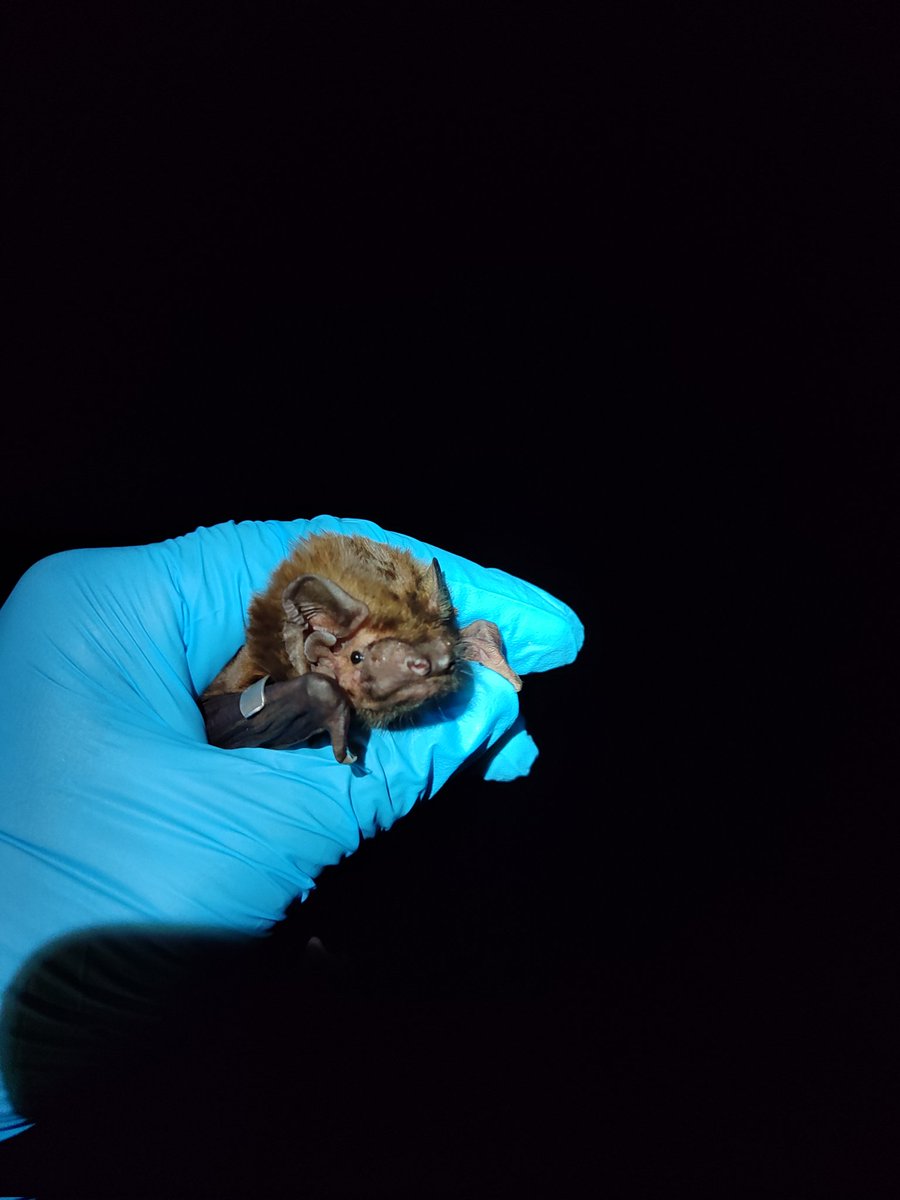
Handling a Nyctalus lasiopterus again at home is awesome.
In Southern Salamanca , we found some of the most important forest bat populations in Iberia.
#bats#monitoring#Salamanca
🚨NUEVO HILO🚨
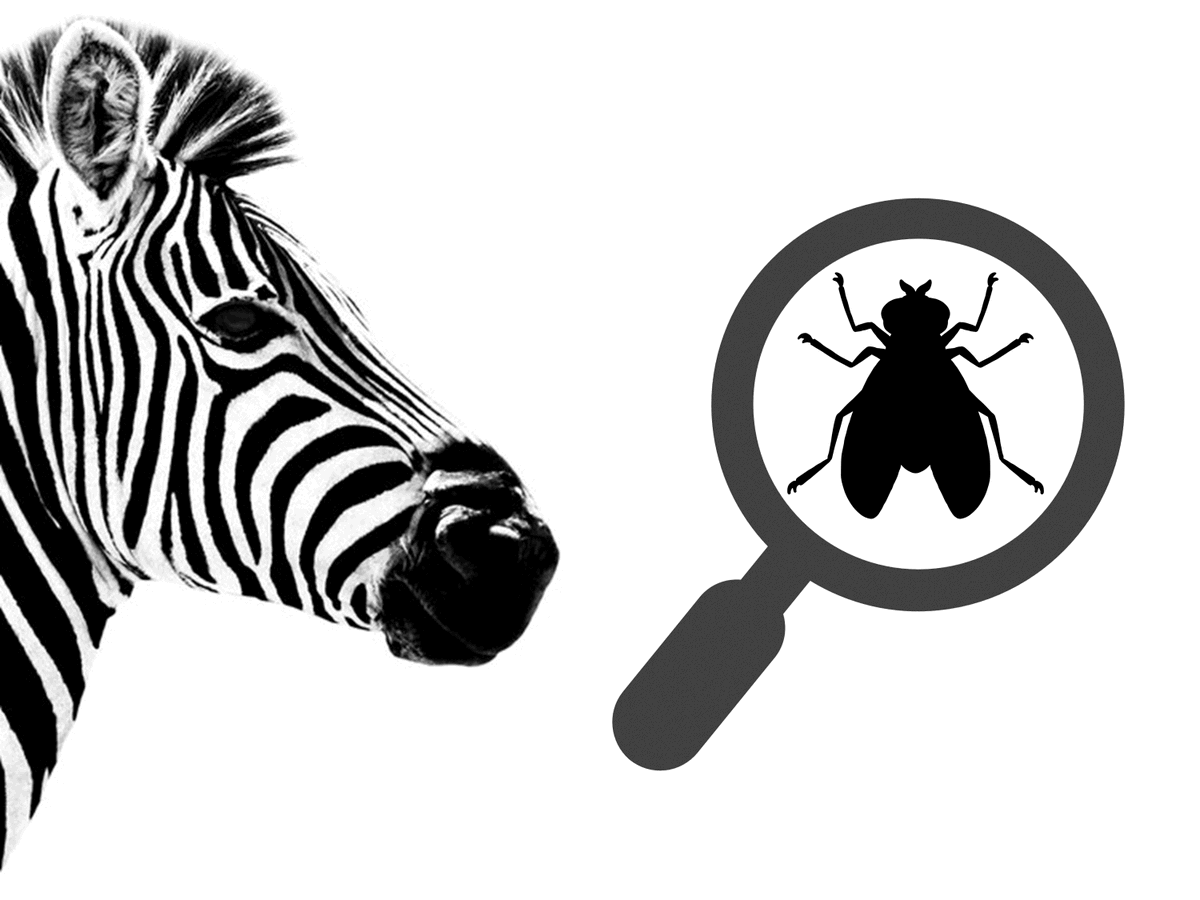
¿Por qué las cebras tienen rayas 🦓? ¿Y qué tiene ésto que ver con la entomología?
Esta pregunta, considerada una de las grandes incógnitas de la zoología, podría estar cerca de solucionarse. Y la respuesta la tendría una mosca 🪰
¡Dentro hilo 🧵! 👇
Some of our favorite trail camera shots from the fall and winter so far (note: these are stills taken from trail camera footage)...check out all the photos in this thread!
6. And last, but not least, a young golden #eagle being chased by a pair of crows. Another classic in the wild, but not in a sistematic random camera trap grid design without baits!
As I posted a couple of months ago, this year we have developed a huge #cameratrap experiment in the Serrania de Cuenca Natural Park to find out which is the best sampling design for #mammal density estimation. Fieldwork ended in June and we are now processing the images...🧵
5. Griffon #vultures are really funny when they walk in front of the camera. They have appeared a couple of times like this. They look like huge and retired scavenging hens